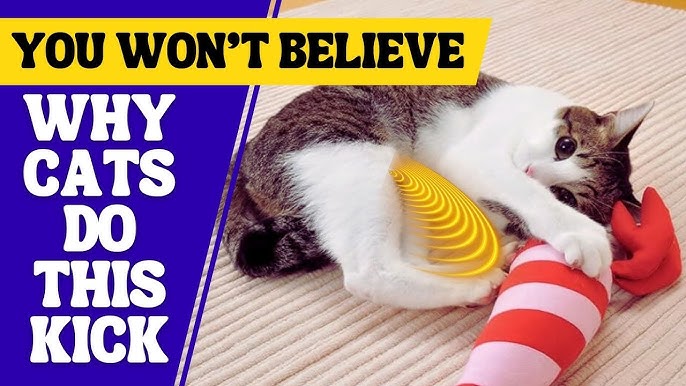
Have you ever watched your cat grab a toy and start kicking it with her back legs? It might look a little strange or even funny, but there’s a reason behind this curious behavior.
If you’ve ever wondered, “Why does my cat kick her toys? ” you’re not alone. Understanding this habit can help you connect with your furry friend on a deeper level and even improve her playtime. Keep reading to discover what’s really going on when your cat starts those playful kicks—and why it matters to her happiness and health.
Credit: pethelpful.com
Cat Kicking Behavior
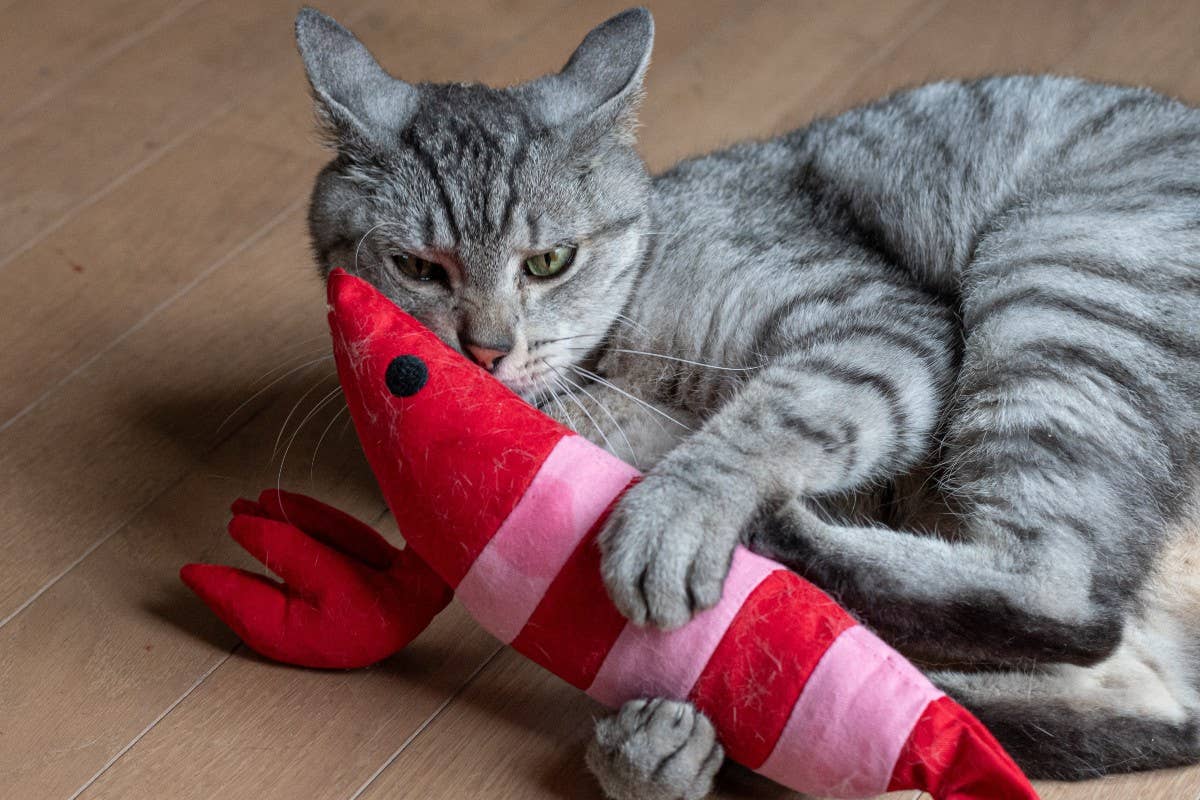
Have you ever watched your cat suddenly grab a toy with her front paws and then start kicking it wildly with her back legs? This curious behavior might seem odd at first, but it’s a natural and important part of how cats interact with their environment. Understanding why your cat kicks her toys can help you connect better with her playful side and meet her needs more effectively.
Common Play Patterns
Cat kicking often appears during play sessions, especially when your cat is excited or hunting a toy. You might notice her pounce on a small stuffed mouse or feather wand, then hold it down with her front paws while vigorously kicking with her hind legs. This sequence is typical and reflects how cats play and practice skills they would use in the wild.
Sometimes, your cat may even vocalize—making chirps, growls, or hisses—while kicking. This adds intensity to the play and shows how seriously she’s taking the “hunt.” Have you seen your cat’s pupils dilate or her tail twitch during these moments? These signs reveal heightened focus and excitement.
Instinctual Roots
Kicking behavior has deep roots in your cat’s instincts. Wild cats use their back legs to deliver powerful kicks to subdue prey or defend themselves. This movement helps them hold onto prey tightly while inflicting damage with sharp claws and teeth.
Even though your cat is far from the wild, her brain still follows these ancient patterns. Kicking toys lets her satisfy hunting urges safely indoors. By encouraging this behavior with appropriate toys, you help her express natural instincts without risking damage to your furniture or skin.
What kind of toys does your cat prefer to kick? Soft, lightweight toys that she can grip and shake usually work best. Try rotating different toys to keep her engaged and prevent boredom. Watching her kick and wrestle with her favorite toy can be a window into her wild side—and a bonding moment for both of you.

Credit: medium.com
Hunting Instincts
Cats have strong hunting instincts inherited from their wild ancestors. These instincts drive many behaviors, including how they play. When your cat kicks her toys, she mimics actions used in hunting prey. This natural behavior helps cats stay sharp and satisfy their inner predator.
Simulating Prey Capture
Kicking toys is a way cats practice catching and controlling prey. In the wild, cats use their back legs to trap and hold small animals. Your cat’s kicking mimics this precise movement. It helps her feel in control and successful in catching her “prey.”
This action also improves her coordination and strength. Toys that move or wiggle trigger this response strongly. Your cat acts as if she caught a live animal, sharpening her hunting skills.
Energy Release
Hunting requires a lot of energy and focus. Kicking toys allows your cat to burn off this built-up energy safely. It provides a physical outlet for her natural drive to chase and capture.
This activity reduces stress and boredom. It keeps your cat healthy and happy by providing mental and physical stimulation. Without this outlet, your cat might show restless or destructive behaviors.
Territorial Marking
Territorial marking is a natural behavior in cats, and kicking toys is one way your feline might be staking her claim. This action isn’t just playful—it’s a subtle message to other animals and even to you. Understanding why your cat kicks her toys can help you better respond to her needs and respect her space.
Scent Glands In Paws
Did you know your cat’s paws have scent glands? When she kicks her toys, those glands leave a unique scent behind. This scent is invisible to you but loud and clear to other cats.
By pressing her paws against toys, she’s essentially tagging them as hers. This behavior helps her feel secure in her environment. Have you noticed if she kicks the same toys repeatedly? That’s her way of making sure her scent stays strong.
Claiming Toys
Kicking toys is like your cat saying, “This is mine.” It’s her way of claiming ownership, especially if she senses other pets or even people might want to play. This behavior can help prevent conflicts over favorite items.
If you see your cat kicking a toy vigorously, don’t just think she’s being wild. She’s reinforcing her bond with that object and telling everyone else to keep their paws off. Offering multiple toys can reduce possessiveness and keep her happy.
Have you tried giving your cat new toys and watching how she marks them? It’s fascinating to see how quickly she decides which ones belong to her. Paying attention to this behavior can deepen your understanding of her personality.
Stress And Anxiety
Cats often kick their toys due to stress and anxiety. This behavior is natural and can help them cope with overwhelming feelings. Stress can arise from changes in their environment or routine. Cats might also feel anxious due to loud noises or unfamiliar people. Understanding these behaviors can help you support your cat better.
Comfort Through Play
Playtime offers comfort to stressed cats. Toys become a source of solace and distraction. Kicking toys mimics hunting, which is instinctual and soothing. This activity can reduce tension and provide much-needed relief. Ensuring regular playtime can help your cat feel more secure.
Signs Of Overstimulation
Cats can become overstimulated during play. Watch for signs like rapid movements or dilated pupils. These indicate they may be overwhelmed. Stopping play at the right time can prevent stress. Monitor your cat’s body language for cues to stop. Ensuring a calm environment can help manage overstimulation.
Physical Exercise
Cats kick their toys to get physical exercise. This action helps them stay active and healthy. Physical activity is essential for cats, especially indoor ones. It keeps their muscles strong and their minds sharp. Kicking toys mimics natural hunting behavior, making exercise fun and engaging.
Strength Building
Kicking toys helps cats build muscle strength. Their legs and paws get a good workout. This movement tones muscles needed for jumping and running. Strong muscles protect cats from injuries. Regular exercise also supports healthy bones and joints.
Coordination Skills
Kicking toys improves a cat’s coordination. It requires timing and precise movements. These skills help cats catch prey and navigate their environment. Practicing with toys sharpens their reflexes. Good coordination also boosts confidence during play and exploration.
Bonding And Communication
Understanding why your cat kicks her toys opens a window into the unique ways she bonds and communicates with you. This behavior is more than just play—it’s a form of interaction that strengthens your connection. Watching these moments can reveal how your cat expresses affection and seeks engagement.
Engaging With Owners
When your cat kicks her toys around you, she’s inviting interaction. This action can be her way of saying, “Look what I caught!” or “Join me in this fun.” It’s a gentle nudge to get your attention and encourage you to play along.
Try responding by gently tossing the toy back or mimicking her movements. Notice how she reacts when you engage—does she pounce faster or nudge the toy toward you again? These signals show she’s using play to communicate and build trust.
Social Play
Kicking toys isn’t just about solitary fun; it’s a social activity for your cat. This behavior mimics hunting and sharing prey, rooted in natural instincts but also adapted to involve you.
Think about times when your cat drops a toy at your feet or kicks it in your direction. She’s sharing a “catch” with you, inviting you into her world. Responding by picking up the toy and playing back can deepen your bond and satisfy her social needs.
Encouraging Healthy Play
Encouraging healthy play helps cats stay active and happy. Play mimics hunting and keeps their minds sharp. Kicking toys is a natural way for cats to practice skills and burn energy. Providing the right tools and environment supports this behavior positively.
Choosing The Right Toys
Select toys that match your cat’s size and play style. Soft, lightweight toys work well for kicking and grabbing. Avoid small parts that could break off and cause choking. Toys with textures or sounds can excite your cat and keep them interested.
- Soft balls or stuffed mice
- Feather wands or string toys
- Crinkle toys with noise
Rotate toys often to prevent boredom. Fresh toys keep playtime exciting and encourage kicking behavior.
Safe Play Environment
Set up a space free of hazards for active play. Remove fragile items and sharp objects from the area. Use a soft rug or carpet to cushion your cat’s landings. Ensure the play zone is quiet and free from distractions.
- Clear the floor of breakables
- Use soft flooring like rugs
- Keep the area calm and quiet
A safe space lets your cat kick toys without risk. This promotes longer, more enjoyable play sessions.

Credit: medium.com
Frequently Asked Questions
Why Does My Cat Kick Her Toys Repeatedly?
Cats kick toys to mimic hunting behaviors. This action helps them practice pouncing and grasping skills. It also releases energy and satisfies their natural instincts. Kicking toys provides mental stimulation and physical exercise, keeping your cat entertained and healthy.
Is Kicking Toys A Sign Of Aggression In Cats?
No, kicking toys is usually playful, not aggressive. Cats express hunting instincts through this behavior. It helps them release pent-up energy in a safe way. If your cat isn’t showing other aggressive signs, kicking toys is normal and healthy.
How Can I Encourage My Cat To Play More?
Provide a variety of toys that mimic prey. Use interactive toys to engage your cat. Regular play sessions stimulate their hunting instincts. Rotate toys to keep interest high. Praise and reward your cat during play to encourage activity.
Can Kicking Toys Help Reduce My Cat’s Anxiety?
Yes, kicking toys can reduce anxiety by providing distraction. It helps channel nervous energy into play. Engaging in hunting-like activities calms your cat’s mind. Regular playtime improves mood and reduces stress-related behaviors.
Conclusion
Cats kick their toys to practice hunting skills and release energy. This behavior helps them stay active and sharp. It also shows they feel safe and playful in your home. Watching your cat kick toys can be fun and insightful.
It means your pet is happy and engaged. Keep providing toys and space for this natural behavior. Understanding why cats kick toys helps build a stronger bond. Enjoy these small moments with your furry friend.



Leave a Reply