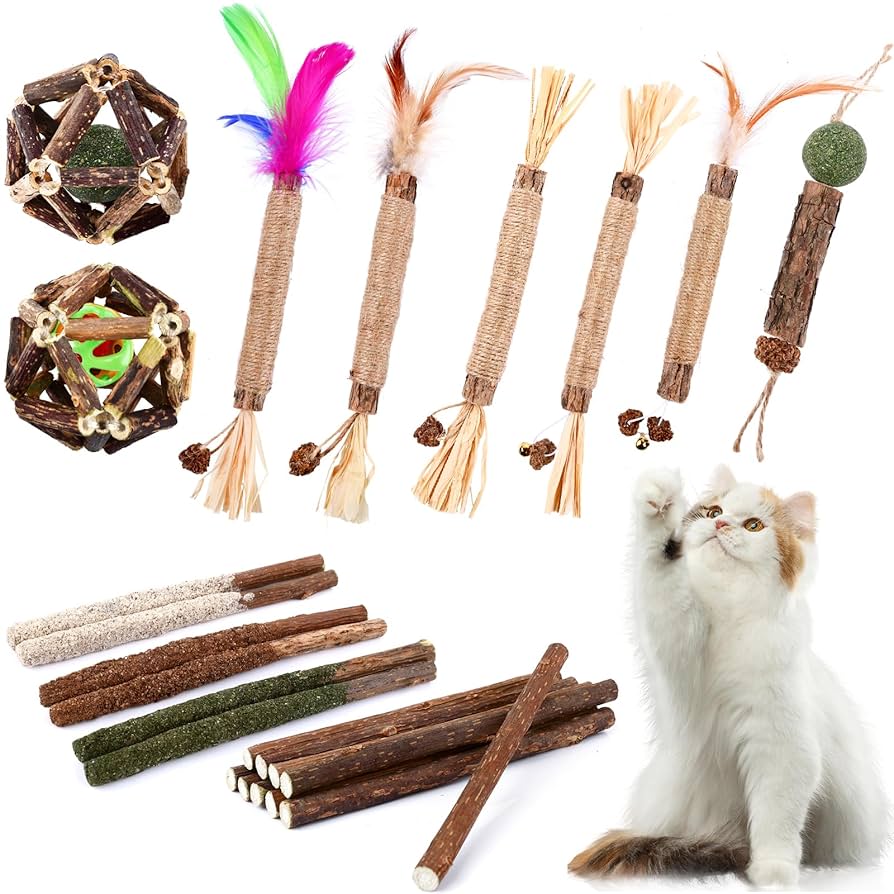
Are you looking for a simple, natural way to keep your cat entertained? You can make a fun and safe toy using just grass and sticks from your backyard.
This easy project not only saves you money but also gives your cat a new plaything they’ll love. Keep reading, and you’ll discover how to create a toy that sparks your cat’s curiosity and keeps them happy for hours. Let’s get started!
Gathering Natural Materials
Gathering natural materials is the first and most important part of making a toy for your cat. Using grass and sticks from nature provides a safe and fun experience for your pet. It also keeps the toy simple and eco-friendly. Before collecting, check the area for clean and fresh materials. Avoid places with chemicals, pesticides, or pollution.
Choosing The Right Grass
Pick grass that is soft and flexible, not dry or brittle. Soft grass bends easily and is gentle on your cat’s paws and mouth. Look for grass that is green and fresh, not yellow or brown. Avoid grass with seeds or flowers, as they can be irritating or harmful. Cut the grass with clean scissors or hands to keep it neat and safe.
Selecting Safe Sticks
Choose sticks that are smooth and free of sharp edges or splinters. Thin sticks work best because they are easy for your cat to hold and play with. Avoid sticks with mold, fungus, or signs of decay. Check that the sticks are not from toxic trees like cherry or yew. Clean the sticks by wiping them with a damp cloth before use.

Credit: www.amazon.com
Preparing The Materials
Preparing the materials is the first important step in making a toy for your cat. Using clean and safe items helps keep your pet healthy. Natural grass and sticks are perfect, but they need some care before use. Proper preparation ensures the toy lasts longer and is enjoyable for your cat.
Cleaning And Drying Grass
Start with fresh grass from a clean area. Avoid grass near roads or chemicals. Rinse the grass gently under cold water to remove dirt and bugs.
After washing, spread the grass on a clean towel. Let it dry completely to prevent mold. Drying can take a few hours in a sunny spot. Avoid direct sunlight for too long to keep the grass soft.
Trimming And Smoothing Sticks
Choose sticks that are sturdy but not too thick. Trim the sticks to a size your cat can handle easily. Remove any sharp ends or rough spots with sandpaper or a nail file.
Check the sticks carefully for any loose bark or splinters. Smooth surfaces reduce the risk of injury. Clean the sticks with a dry cloth to remove dust before use.
Crafting The Cat Toy
Crafting a cat toy from grass and sticks is a fun and natural way to entertain your feline friend. This DIY project uses simple materials that cats love. It also gives you a chance to create something safe and eco-friendly. Follow these steps to make a toy your cat will enjoy.
Weaving Grass Into Shapes
Start by gathering fresh, flexible grass. Soak the grass in water for a few minutes. This makes it easier to bend without breaking. Next, take a small bundle and twist it into a circle or braid it. Shapes like balls, loops, or small mats work well. Keep the weaving tight but gentle. Loose weaving can fall apart quickly. Let the grass dry a bit to hold its shape better.
Attaching Grass To Sticks
Choose a sturdy stick about the length of a pencil. Attach the woven grass shape to one end of the stick. Use natural twine or more grass strands to tie it securely. Wrap the binding several times for strength. Make sure no sharp ends stick out. The stick acts as a handle for waving the toy. It also keeps your hands away from playful claws.
Adding Interactive Features
Including feathers or small bells on grass and sticks makes the toy more fun and catches your cat’s attention quickly. Moving parts invite your cat to play and stay active longer.
Creating toys for your feline friend using natural materials like grass and sticks can be both fun and rewarding. To take your DIY cat toy to the next level, consider adding interactive features. Engaging your cat’s senses and instincts can make playtime more exciting and stimulating, keeping your pet entertained for hours.Incorporating Movement Elements
Cats are natural hunters, and they love chasing things that move. To make your toy more dynamic, attach a few small bells or feathers to the ends of the sticks. This will create enticing sounds and movements as your cat bats at the toy. You can also use a piece of string to connect multiple sticks and grass bundles. When you pull the string, the toy will wiggle and sway, mimicking the movement of prey. This simple trick can captivate your cat’s attention and encourage them to pounce and play.Adding Catnip Or Scents
Catnip is a fantastic way to boost your cat’s interest in a toy. Sprinkle a small amount of dried catnip onto the grass and sticks before assembling the toy. This will release a scent that many cats find irresistible, prompting them to play more vigorously. If your cat isn’t a fan of catnip, you might try using other safe scents. You could rub a small piece of lavender or mint onto the toy. Always ensure these are safe for cats and used sparingly to avoid overwhelming their sensitive noses. Wouldn’t it be fascinating to see which scent your cat prefers? By experimenting with different scents, you can discover what truly excites your furry friend. Engaging your cat with interactive features in their toys not only keeps them active but also strengthens your bond. As you watch them enjoy their new toy, you’ll also enjoy the satisfaction of having created something special just for them.Safety Tips For Diy Cat Toys
Creating DIY toys for your cat using natural materials like grass and sticks can be a fun and rewarding project. But safety should always be your top priority. Keeping your cat safe means paying close attention to the plants and materials you choose, as well as how you put the toy together.
Avoiding Toxic Plants
Not all grasses and plants are safe for cats. Some common garden plants can cause serious health problems if ingested. Always double-check the type of grass you plan to use and avoid any that are known to be toxic, such as lilies or oleander.
You might want to stick to catnip, wheatgrass, or oat grass, which are generally safe and even beneficial for cats. If you’re unsure, a quick call to your vet can save you from potential trouble. Remember, your cat’s curiosity might lead them to chew or swallow parts of the toy.
Ensuring Secure Construction
Loose sticks or weak bindings can break off and create choking hazards. Make sure all parts of your toy are tightly secured using safe, non-toxic string or natural twine. Avoid using small parts like beads or sharp objects that can come loose during play.
Test the toy yourself by gently pulling on each component before giving it to your cat. If anything feels unstable, reinforce it. Your cat will thank you for a toy that lasts longer and keeps them safe.
Testing And Playing
After crafting your cat’s new toy using grass and sticks, it’s time to test it out and see how your furry friend reacts. This phase is crucial because it tells you if the toy is both safe and engaging. Watching your cat interact with the toy can reveal a lot about its preferences and energy levels.
Introducing The Toy To Your Cat
Start by placing the toy near your cat’s favorite lounging spot. Let your cat approach the toy at their own pace without forcing interaction. Cats are naturally curious, and they might sniff, paw, or even bat it around gently at first.
If your cat seems hesitant, try moving the toy slightly or flicking it gently to mimic prey movement. This small action can spark their hunting instincts and encourage play. Remember, patience is key; some cats take longer to warm up to new toys.
Observing Play Behavior
Watch how your cat uses the toy. Do they chase it, bite it, or simply ignore it? These reactions tell you what parts of the toy appeal most and whether it holds their interest. If the sticks are too rough or the grass detaches easily, your cat might lose interest quickly.
Note any signs of frustration or discomfort, such as scratching excessively or backing away. These behaviors suggest the toy might need some adjustments for safety or comfort. Have you noticed your cat’s favorite textures or movements? Tailor the toy to match those preferences.
Testing and playing aren’t just about fun—they’re about making sure your cat stays happy and safe. What small changes could you make to improve your homemade toy based on your cat’s reactions?
Maintaining And Replacing Toys
Maintaining and replacing your cat’s homemade toys is key to keeping playtime safe and enjoyable. Toys made from natural materials like grass and sticks can wear out or get dirty quickly, so giving them some regular care will extend their life and keep your cat interested. Paying attention to your cat’s behavior and the condition of the toy helps you decide when it’s time to clean or replace it.
Cleaning The Toy
Natural toys can collect dirt, saliva, and even small bugs, which means you should clean them regularly. Use a soft brush to remove dirt and dust from the grass and sticks. If the toy is very dirty, wipe it gently with a damp cloth, but avoid soaking it, as moisture can cause mold or weaken the materials.
After cleaning, let the toy dry completely in a sunny spot before giving it back to your cat. This helps prevent any lingering moisture from causing damage. How often you clean depends on how frequently your cat plays with the toy—daily players might need weekly cleaning, while occasional players might need it less often.
When To Make A New One
Watch for signs that the toy is falling apart, such as frayed grass, broken sticks, or loose parts that could be swallowed. If the toy starts to smell bad or looks moldy, it’s time to toss it out. Your cat might also lose interest if the toy becomes too worn or unsafe.
Replacing the toy regularly keeps your cat stimulated and safe. Have some fresh materials ready so you can quickly make a new one when needed. Have you noticed your cat preferring new toys over old ones? That’s a clear hint it’s time for a replacement.

Credit: www.walmart.com

Credit: www.amazon.ca
Frequently Asked Questions
How Do I Make A Cat Toy With Grass And Sticks?
To make a cat toy, gather fresh grass and safe sticks. Tie the grass around one stick tightly. Ensure the toy is sturdy but flexible for play. This natural toy stimulates your cat’s senses and encourages active play.
What Types Of Grass Are Safe For Cats?
Safe grasses include wheatgrass, oat grass, and barley grass. Avoid toxic plants like rye or ornamental grasses. Using organic, pesticide-free grass ensures your cat’s health and safety while playing with the toy made from grass and sticks.
How Can I Ensure The Toy Is Safe For My Cat?
Use non-toxic materials and avoid sharp stick edges. Regularly check for loose parts that could be swallowed. Supervise your cat during play to prevent choking hazards and replace the toy if it shows signs of wear.
How Long Will A Grass And Stick Cat Toy Last?
The toy’s durability depends on play frequency and material quality. Grass may wilt within days, while sticks last longer. Regular replacement keeps the toy fresh and safe, maintaining your cat’s interest and health.
Conclusion
Making a toy for your cat with grass and sticks is simple and fun. It uses natural, safe materials your cat will enjoy. This project saves money and helps the environment. Your cat will love the new toy and stay active.
Try making one today and watch your cat play happily. Small efforts bring big joy to your furry friend. Keep it easy, natural, and playful. Your cat deserves a fun, safe toy made by you.



Leave a Reply