
If your cat keeps missing the litter box, you’re not alone—and it can be really frustrating. You might wonder why your furry friend suddenly stopped using a spot they once loved.
Is it a health issue? A behavior problem? Or maybe something in their environment has changed? Understanding the real reasons behind this can help you fix the problem quickly and keep your home clean and stress-free. Keep reading, because we’ll uncover the surprising causes and simple solutions that can get your cat back on track.
Common Health Issues
When your cat suddenly starts missing the litter box, it can be frustrating and confusing. One of the first things to consider is whether your cat might be facing a health issue. Common health problems can cause changes in bathroom habits and make it painful or difficult for your cat to use the litter box properly.
Urinary Tract Infections
Urinary tract infections (UTIs) are a frequent cause of litter box avoidance. Cats with UTIs often feel a burning sensation when they urinate, leading them to associate the litter box with pain. This can make them choose other spots to relieve themselves.
Watch for signs like frequent trips to the litter box with little urine produced, or crying out while urinating. If your cat shows these symptoms, a vet visit is crucial to get proper treatment and relieve their discomfort.
Kidney Problems
Kidney issues can also affect your cat’s urination habits. When kidneys aren’t working well, cats may urinate more often or in unusual places. This happens because their body tries to get rid of waste more frequently.
Older cats are especially at risk, and you might notice your pet drinking more water than usual. If you suspect kidney problems, getting a blood test from your vet can help identify the issue early and improve your cat’s quality of life.
Diabetes In Cats
Diabetes causes increased thirst and urination, which can lead to accidents outside the litter box. If your cat suddenly drinks and pees a lot, diabetes could be the cause. This condition affects how the body uses sugar and requires medical management.
Sometimes the signs can be subtle, so keep an eye on any changes in your cat’s drinking or bathroom patterns. Early diagnosis and treatment can prevent serious complications and help your cat feel better faster.
Credit: vetic.in
Litter Box Problems
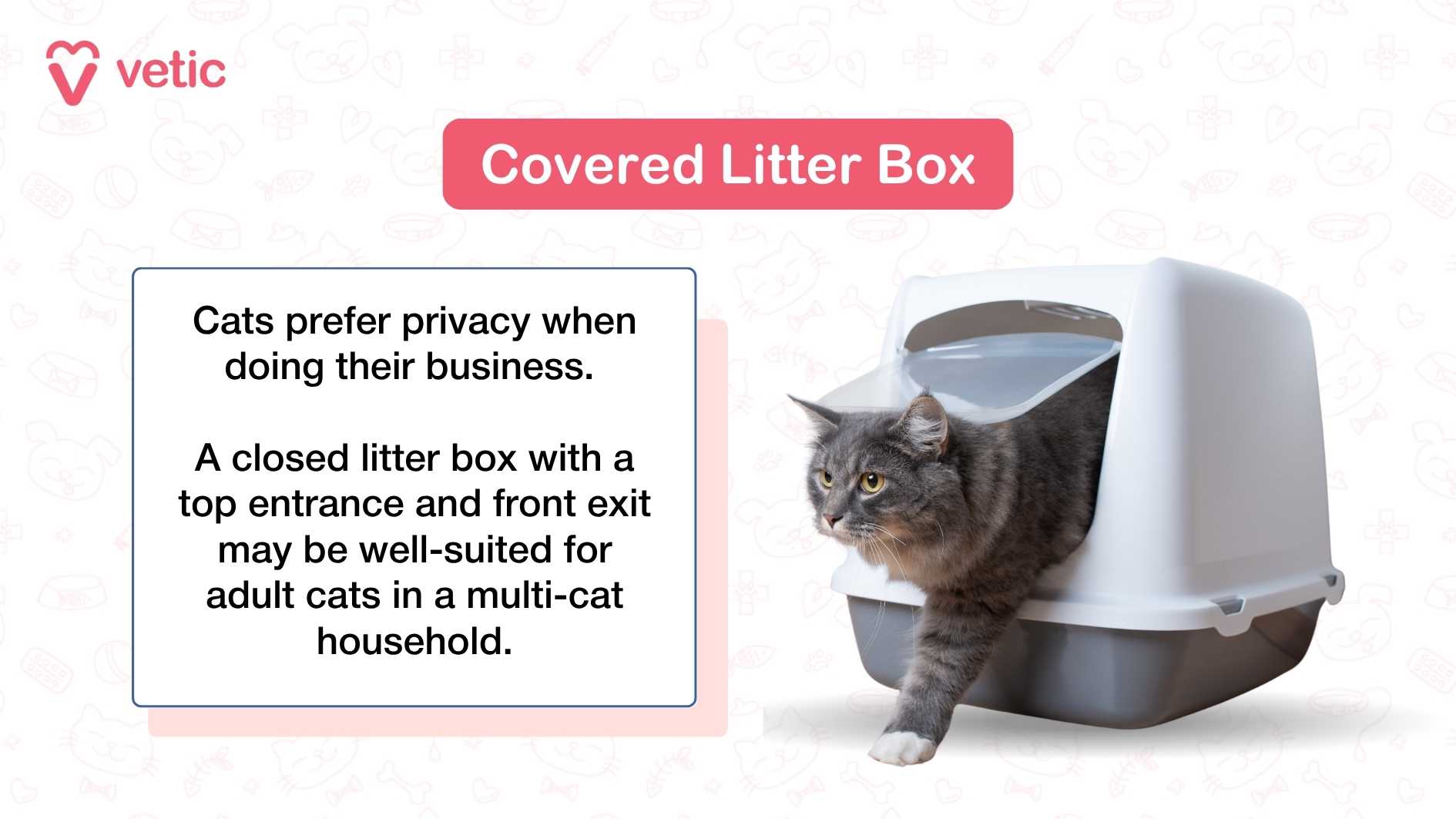
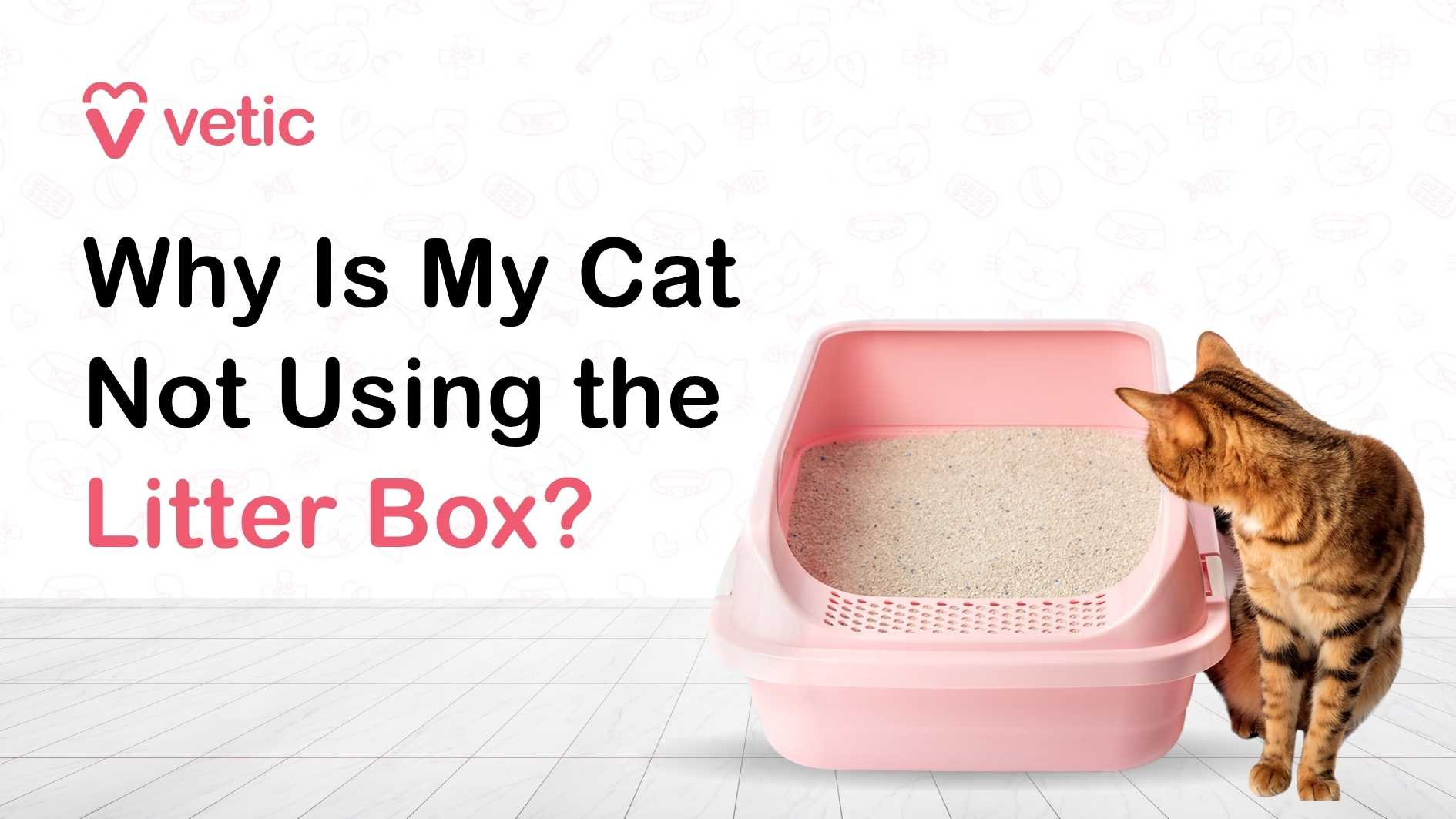
Understanding litter box problems is key to figuring out why your cat keeps missing it. Many times, the issue isn’t your cat’s behavior but something about the litter box itself that’s causing frustration. Addressing these problems can make a big difference in your cat’s habits and your home’s cleanliness.
Dirty Litter Boxes
Have you noticed your cat avoiding the litter box right after you’ve cleaned it? Cats are very particular about hygiene. A dirty litter box can quickly turn them away, leading them to seek cleaner spots.
Try scooping the litter at least once a day and changing the entire litter weekly. You might think a quick rinse is enough, but residues and smells can linger. Using unscented, mild cleaners helps keep the box inviting without overwhelming your cat’s sensitive nose.
Wrong Litter Type
Your cat’s preference for litter type can be surprising. Some cats dislike scented litter, while others don’t like clumping varieties. You might want to test different types to see what your cat prefers.
Think about the texture too—some cats prefer fine, soft granules while others like coarser ones. If your cat suddenly starts avoiding the box, consider if you recently switched brands or types. Have you tried mixing old and new litter to ease the transition?
Box Size And Location
The size of the litter box matters more than you might expect. A cramped box can make your cat uncomfortable and less likely to use it consistently. Make sure the box is large enough for your cat to turn around easily.
Location is just as important. If the box is in a noisy or high-traffic area, your cat may avoid it. Quiet, private spots work best. Have you noticed if your cat avoids the box during family gatherings or when the vacuum is running nearby?
Behavioral Causes
Stress or changes in the home can cause cats to avoid the litter box. Some cats prefer a cleaner or quieter place for their bathroom needs. Fear or anxiety may also lead to accidents outside the box.
Cats missing their litter box can be frustrating for any pet owner. Understanding the behavioral causes behind this can help you address the issue effectively. It’s not always about the cleanliness of the box or the type of litter you use. Often, underlying behavioral factors play a significant role in why your feline friend might be avoiding their designated spot.Stress And Anxiety
Cats are sensitive creatures. Changes in their environment can lead to stress and anxiety, causing them to miss the litter box. If you’ve recently moved homes or introduced a new pet, your cat might feel uneasy. Even subtle changes like rearranging furniture can throw them off. Pay attention to signs of stress such as excessive grooming or hiding. Creating a calm and predictable environment can help alleviate their anxiety.Territorial Marking
Cats are territorial by nature. Sometimes, missing the litter box is their way of marking territory. This behavior is especially common in multi-cat households. If your cat is urinating in specific areas, they might be trying to claim that space. Consider if there have been any recent additions to the household or changes in their environment. Providing multiple litter boxes and ensuring each cat has its space can mitigate this behavior.Changes In Routine
Cats thrive on routine. A sudden change in their daily schedule, like feeding times or the addition of new family members, can confuse them. This disruption might lead them to avoid the litter box. Have you recently changed your work schedule or started feeding your cat at a different time? Such changes can impact their behavior significantly. Gradually introduce changes to their routine and observe how they react. Keeping some consistency in their day-to-day life can make a big difference.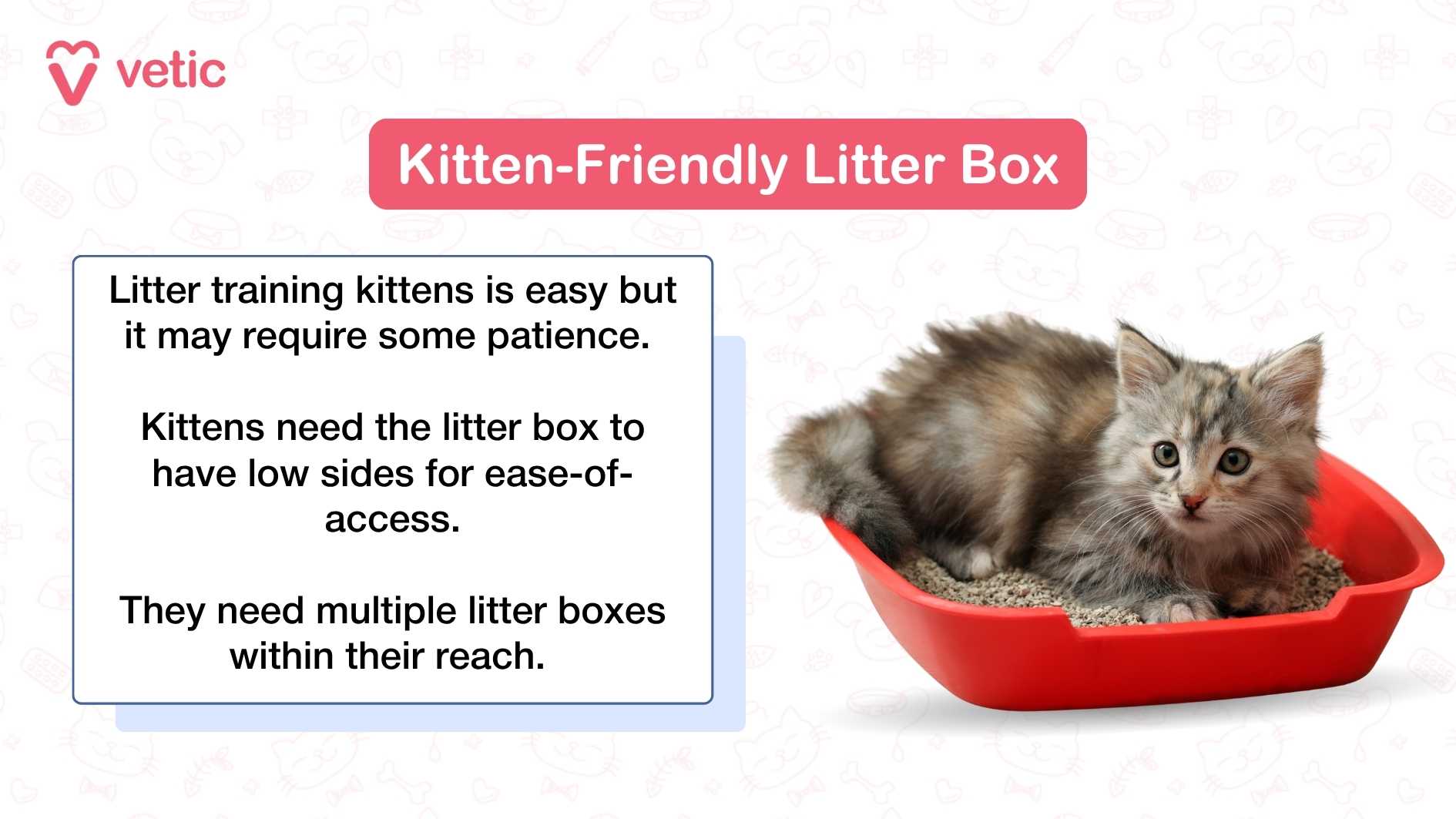
Credit: vetic.in
Age And Mobility Issues
As cats grow older, changes in their bodies can affect their ability to use the litter box consistently. Age and mobility issues often play a major role in why your cat might miss the litter box. Understanding these challenges can help you create a more comfortable environment for your aging feline friend.
Arthritis Impact
Arthritis is common in older cats and causes joint pain that makes movement difficult. Simple actions like jumping into or stepping into the litter box can become painful or tiring.
You might notice your cat hesitating before entering the box or avoiding it altogether. Adding a litter box with lower sides can make it easier for your cat to get in and out without hurting themselves.
Think about how you feel when your knees ache—would you want to climb a steep step? Your cat feels the same way, so adjusting the litter box setup can reduce missed spots.
Senior Cat Challenges
Older cats often experience reduced vision and slower reflexes, which can cause accidents outside the box. They might also develop cognitive issues that affect their bathroom habits.
Placing multiple litter boxes in easily accessible areas can help your senior cat find a spot quickly. You can also try softer bedding in the box to make it more inviting.
Have you noticed your cat getting confused or restless? This could be a sign to check for health problems or adjust their environment to better suit their needs.
How To Encourage Proper Use
Encouraging your cat to use the litter box properly takes a bit of patience and attention to detail. Cats are creatures of habit but also highly sensitive to their environment. Small changes in cleanliness, litter type, or location can make a big difference in their behavior.
Cleaning Tips
Keep the litter box spotless by scooping it at least once a day. Cats dislike dirty boxes and might avoid them if they smell unpleasant. Wash the box with mild soap and warm water weekly to remove odors and bacteria that can deter your cat.
Have you noticed your cat sniffing around but not using the box? That might be a sign it needs a thorough cleaning. Using unscented, gentle cleaners helps because strong smells can put your cat off.
Choosing The Right Litter
Your cat’s preference for litter texture and scent matters more than you might think. Some cats prefer fine, clumping litter, while others like coarser types. Experiment with a few varieties to see what your cat favors.
Unscented litter often works best since strong fragrances can confuse or irritate cats. Also, avoid dusty litters that can cause discomfort or allergies. Have you tried offering a small tray with a different litter to observe your cat’s reaction?
Creating A Safe Space
Place the litter box in a quiet, low-traffic area where your cat feels secure. Avoid noisy spots near appliances or busy hallways. Cats need privacy to feel comfortable when using the box.
Make sure the box is easily accessible, especially for older or less agile cats. Adding a second box in another quiet location can help if you have a multi-level home. Could your cat’s environment be causing stress that leads to missed litter box visits?
Credit: vetic.in
When To See A Vet
If your cat keeps missing the litter box, it’s natural to wonder if something more serious is going on. Sometimes, this behavior points to health issues that need a vet’s attention. Knowing when to seek professional help can save your cat from unnecessary discomfort and prevent problems from worsening.
Recognizing Serious Symptoms
Not every missed spot means a vet visit, but certain signs demand immediate attention. Watch for changes like blood in the urine, excessive licking of the genital area, or signs of pain during urination. If your cat suddenly stops using the litter box entirely or starts urinating in strange places frequently, these can be red flags.
Other symptoms like lethargy, vomiting, or a sudden loss of appetite alongside litter box issues should not be ignored. Cats are masters at hiding pain, so even subtle signs might indicate serious problems like urinary tract infections or kidney disease. Have you noticed any unusual behaviors besides missing the box?
Preparing For The Vet Visit
Before you head to the vet, gather as much information as you can. Note when the accidents happen, how often, and any other changes in your cat’s routine or environment. This information helps the vet make a quicker, more accurate diagnosis.
Bring a fresh sample of your cat’s urine if possible, as this can provide valuable clues. Also, prepare a list of questions or concerns you want to discuss. Being organized can reduce your stress and help you advocate effectively for your cat’s health.
Frequently Asked Questions
Why Does My Cat Suddenly Miss The Litter Box?
Sudden litter box misses can signal health issues or stress. Check for urinary infections, pain, or changes at home. Address medical problems first, then improve litter box cleanliness and location to encourage proper use.
How Can Stress Cause Litter Box Problems In Cats?
Cats may avoid the litter box when stressed by changes or threats. New pets, moves, or loud noises can trigger anxiety. Reduce stress with a calm environment and familiar routines to help your cat feel safe.
What Litter Box Issues Lead To My Cat Missing?
Dirty, small, or hard-to-access litter boxes deter cats. They prefer clean, spacious, and quiet spots. Regular cleaning and proper box placement encourage consistent litter box use and prevent accidents.
Could Medical Problems Cause My Cat’s Litter Box Misses?
Yes, infections, kidney disease, or arthritis can cause accidents. Pain or discomfort may make your cat avoid the box. A vet visit is essential to diagnose and treat underlying health issues promptly.
Conclusion
Cats miss the litter box for many reasons. Stress, health issues, or a dirty box can cause problems. Watch your cat’s behavior closely. Clean the litter box often and keep it in a quiet place. Visit the vet if accidents continue.
Patience and care help your cat feel safe. Fixing the problem takes time but is worth it. Your cat will thank you with happy, clean habits.



Leave a Reply