
Is your cat suddenly peeing outside the litter box? You’re not alone, and it can be really frustrating and confusing.
When your furry friend stops using the litter box, it’s often a sign that something’s wrong—whether it’s health issues, stress, or even problems with the litter box itself. Understanding why this happens is key to fixing it quickly and keeping your home clean and your cat happy.
Keep reading to discover the common reasons behind this behavior and how you can help your cat get back on track.

Credit: www.youtube.com
Common Reasons Cats Avoid Litter Box
Cats may avoid their litter box for several reasons. Understanding these reasons helps solve the problem quickly. Many issues are common and can be fixed at home. Some causes relate to health, while others involve environment or behavior. Watch your cat’s habits to find clues.
Medical Issues
Health problems often cause cats to pee outside the box. Urinary tract infections, bladder stones, and kidney disease create pain. Cats avoid the litter box to escape discomfort. A vet visit is important to rule out medical issues. Early treatment prevents worsening symptoms and accidents.
Litter Box Cleanliness
Cats prefer a clean place to do their business. Dirty litter boxes repel them and lead to accidents. Scooping daily and washing the box weekly keeps it fresh. Avoid strong-smelling cleaners that may scare cats away. Multiple cats need multiple clean boxes to prevent conflicts.
Litter Type Preferences
Not all cats like the same litter type. Some prefer clumping, others non-clumping or natural materials. Texture and scent affect their choice. Try different litters to find your cat’s favorite. Avoid scented litters that may irritate their nose or paws.
Stress And Anxiety
Changes in the home can stress cats and disrupt litter habits. Moving, new pets, loud noises, or changes in routine cause anxiety. Cats may mark territory or avoid the box during stress. Provide a calm environment and safe spaces to reduce anxiety. Play and attention help your cat feel secure.
Territorial Marking
Cats use urine to mark territory, especially in multi-cat homes. Spraying on walls or furniture signals ownership. Neutering or spaying reduces marking behavior. Separate feeding and litter areas help reduce competition. Address conflicts between cats to stop marking outside the box.

Credit: www.reddit.com
Environmental Factors Affecting Behavior
Environmental factors play a huge role in your cat’s litter box habits. Changes around the home or how you set up the litter box can confuse your cat, leading them to pee outside the box. Understanding these influences helps you fix the issue faster and keeps your cat comfortable.
Location Of Litter Box
Where you place the litter box matters a lot. Cats prefer quiet, private spots away from loud noises or busy areas. If your box is near the washing machine or a noisy hallway, your cat might avoid it.
Think about your cat’s daily path and choose a calm spot. I once moved a litter box from a noisy kitchen corner to a peaceful bathroom, and my cat stopped peeing on the floor immediately. Could your cat’s preferred spot be different from where you placed the box?
Number Of Litter Boxes
One litter box isn’t always enough, especially if you have multiple cats. The general rule is one box per cat plus one extra. This prevents competition and stress.
If your cat feels crowded or territorial, they might choose to go elsewhere. Have you counted how many boxes you have and compared that with the number of cats? Adding an extra box in a different room can make a big difference.
Household Changes
Any change in your household—moving furniture, new family members, or even a change in your schedule—can unsettle your cat. Cats are creatures of habit, and disruption can cause stress, leading to litter box avoidance.
I noticed my cat started peeing outside the box after we rearranged the living room. Returning the layout closer to the original helped calm her down. Have you observed if your cat’s behavior changed after something new happened at home?
Other Pets
Introducing new pets can create tension for your cat. They may feel threatened or stressed, which can cause them to mark territory outside the litter box.
Make sure your cat has a safe, separate space to use the litter box without being disturbed. How does your cat react to other pets? Providing separate resources often reduces anxiety and unwanted peeing.
Simple Solutions To Encourage Proper Use
Dealing with a cat that pees outside the litter box can be frustrating, but it’s important to remember that your feline friend isn’t doing this to annoy you. There are usually underlying reasons, and thankfully, there are simple solutions to encourage your cat to use the litter box properly. By understanding and addressing these reasons, you can create a more harmonious home for both you and your pet.
Regular Cleaning Routine
A clean litter box is crucial for encouraging use. Cats are fastidious creatures and might avoid a box that’s not up to their standards. Make it a habit to scoop the litter daily and do a complete change and cleaning of the box once a week.
Have you ever avoided a public restroom because it was dirty? Your cat feels the same way about a neglected litter box. Keeping it clean not only helps with odor control but also makes it inviting for your cat.
Choosing The Right Litter
Not all cat litters are created equal, and your cat might be picky about what’s under their paws. Experiment with different types of litter to see which one your cat prefers. Some cats like the fine texture of clumping litter, while others might prefer natural materials.
Switching suddenly can cause stress, so if you’re trying a new type, mix it gradually with the old to ease the transition. Your cat’s comfort should always be the priority.
Optimal Litter Box Placement
Location, location, location! Just like real estate, where you place the litter box matters. Cats need privacy but also want to feel safe, so avoid placing the box in noisy or high-traffic areas.
Think of it as setting up a cozy corner for your cat. A quiet, accessible spot will make the litter box a more attractive option.
Providing Multiple Boxes
If you have multiple cats or a multi-story home, one litter box might not cut it. The rule of thumb is to have one box per cat, plus an extra. This ensures that each cat has access when they need it.
Imagine having only one bathroom in a busy household. Multiple boxes reduce territorial disputes and accidents. Spread them out so your cats have options no matter where they are in the house.
Reducing Stress Triggers
Cats are sensitive creatures, and stress can lead to litter box avoidance. Identify and minimize potential stressors like loud noises, new pets, or changes in routine. Providing safe spaces and positive reinforcement can help your cat feel more secure.
Consider using pheromone diffusers or sprays, which can create a calming environment. Remember, a relaxed cat is more likely to use the litter box consistently.
By taking these simple steps, you can encourage your cat to use the litter box properly, reducing stress for both of you. What changes will you try today to make your home more cat-friendly?
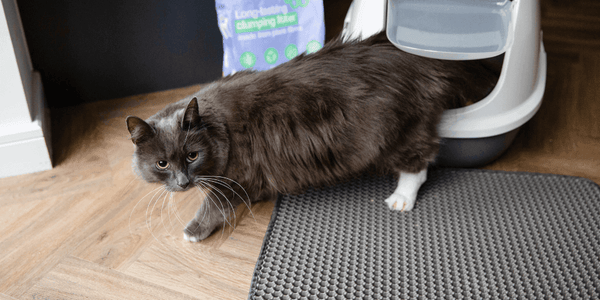
Credit: www.tippaws.com
When To Seek Veterinary Help
Noticing your cat peeing outside the litter box can be frustrating and confusing. Sometimes, this behavior signals a health problem that needs immediate attention. Knowing when to seek veterinary help can protect your cat’s well-being and stop the issue before it worsens.
Signs Of Urinary Tract Infection
One common cause of inappropriate urination is a urinary tract infection (UTI). Watch for signs like frequent attempts to urinate with little output, blood in the urine, or your cat crying out while peeing.
If your cat suddenly avoids the litter box and shows discomfort, it’s more than just a bad habit. Ignoring these symptoms could lead to serious complications like bladder stones or kidney issues.
Behavioral Changes To Monitor
Changes in behavior can hint at underlying health problems. Has your cat become unusually withdrawn, aggressive, or restless? These shifts might indicate pain or stress related to urinary issues.
Also, note if your cat starts hiding more or losing interest in play and food. Sometimes, the problem isn’t just physical but emotional too, and your vet can help identify the cause.
Diagnostic Steps
Your vet will begin with a thorough physical exam and ask detailed questions about your cat’s habits and environment. They may perform urine tests to check for infections or crystals, and blood work to assess overall health.
In some cases, imaging like X-rays or ultrasounds can reveal bladder stones or abnormalities. Early diagnosis helps your cat get the right treatment fast, so don’t hesitate to make that appointment if you see warning signs.
Preventing Future Accidents
Preventing future accidents outside the litter box is key to maintaining a happy home for both you and your cat. Understanding what encourages proper litter box use can save you from frustration and keep your cat comfortable. Let’s look at some practical ways to help your feline friend stay on track.
Consistent Litter Box Maintenance
Keep the litter box clean by scooping it daily. Cats dislike dirty boxes and may avoid them if they smell unpleasant. Changing the litter completely once a week helps too, ensuring a fresh environment that invites use.
Place the litter box in a quiet, accessible spot. Avoid areas with loud noises or heavy foot traffic. Your cat needs privacy and comfort to feel safe while doing their business.
Positive Reinforcement
Reward your cat when they use the litter box correctly. Simple praise, gentle petting, or a small treat works wonders. This helps your cat associate the box with good experiences.
If accidents happen, stay calm and avoid punishment. Negative reactions can increase stress and make the problem worse. Instead, gently guide your cat back to the box and praise them when they use it properly.
Environmental Enrichment
Bored or stressed cats sometimes pee outside the box. Provide toys, scratching posts, and playtime to keep your cat mentally and physically engaged. A happy cat is more likely to follow litter box habits.
Consider adding vertical spaces like cat trees or shelves. Cats enjoy climbing and watching from high spots, which reduces anxiety. Have you noticed your cat using these areas more? It often leads to fewer accidents.
Frequently Asked Questions
Why Does My Cat Pee Outside The Litter Box?
Cats may pee outside the litter box due to stress, illness, or dirty litter. Changes in environment or litter type can also cause this behavior. Identifying the cause helps in correcting it effectively and maintaining a clean home.
Can Medical Issues Cause Litter Box Problems?
Yes, urinary tract infections, kidney disease, and bladder stones often cause cats to avoid the litter box. A vet visit is essential to diagnose and treat any medical conditions promptly to stop inappropriate urination.
How Can I Prevent My Cat From Peeing Outside The Box?
Keep the litter box clean, place it in a quiet area, and use the preferred litter type. Provide multiple boxes if you have many cats. Address stressors and medical issues promptly to prevent this behavior.
Does Litter Box Type Affect A Cat’s Peeing Habits?
Yes, cats may reject certain litter types or box styles. Some prefer covered boxes, others open. Experimenting with different litters and boxes can help find what your cat likes, encouraging proper use.
Conclusion
Cats peeing outside the litter box can be frustrating. Many reasons cause this behavior, like health issues, stress, or dirty boxes. Watch your cat closely and keep the litter clean. Try different types of litter or boxes to find what your cat likes.
Give your cat a calm and safe space. Patience and care help solve this problem. Remember, understanding your cat is key to happy living together.

Leave a Reply