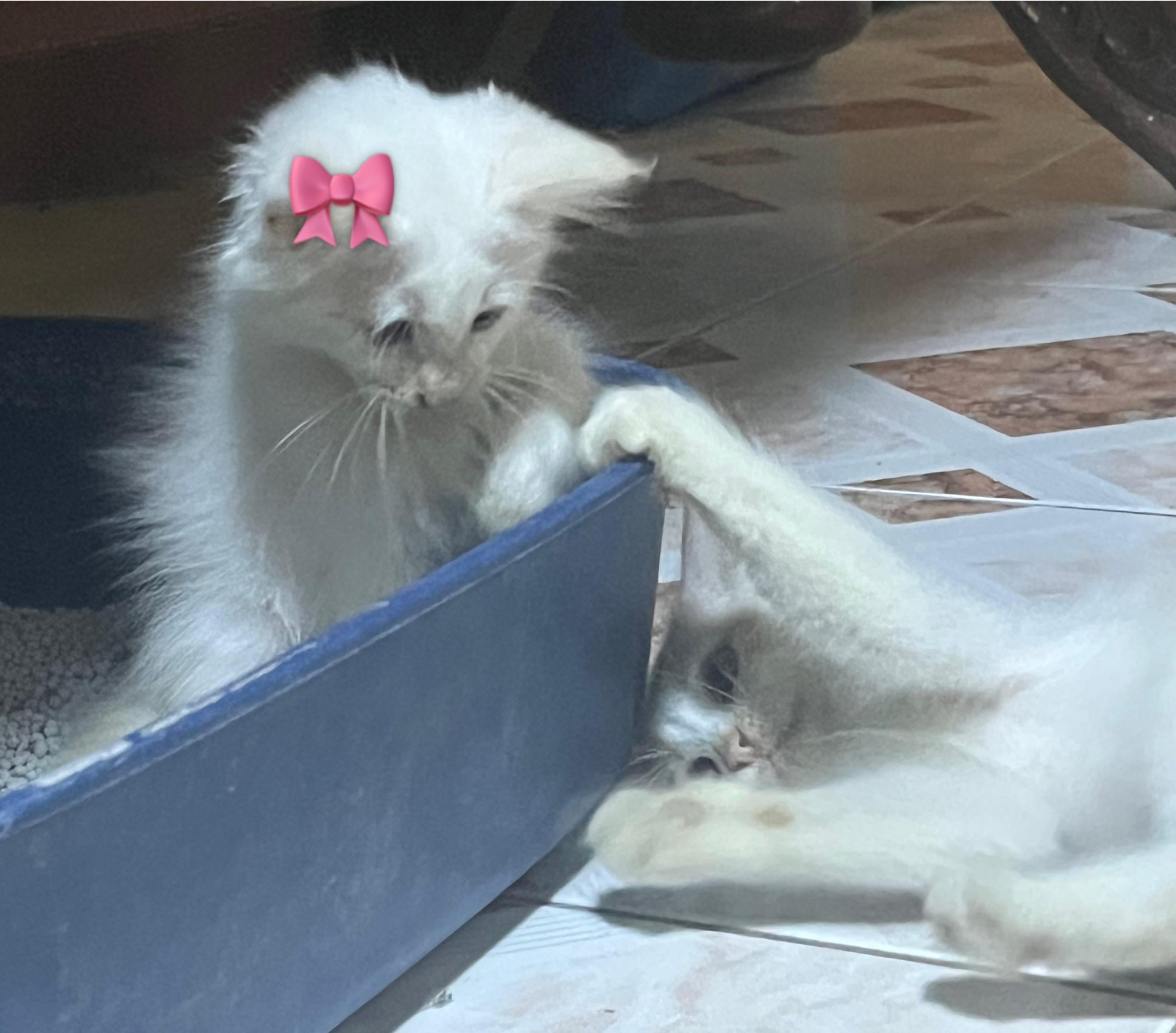
Have you ever caught your cat grooming himself so much that it seems almost endless? You might wonder, why does my cat keep grooming himself?
It’s more than just a cute habit. Your cat’s grooming behavior says a lot about his health, mood, and environment. Understanding why your furry friend spends so much time licking and cleaning can help you spot if something’s wrong or simply learn more about his natural instincts.
Keep reading, and you’ll discover surprising reasons behind your cat’s grooming habits—and what you can do to keep him happy and healthy.
Normal Grooming Habits
Seeing your cat grooming himself often might make you wonder if something is wrong. But grooming is a natural and essential behavior for cats. Understanding what counts as normal grooming can help you tell if your cat is just keeping clean or if there might be an underlying issue.
Daily Grooming Routine
Cats usually spend a good part of their day licking their fur. This routine helps them remove dirt, loose hair, and even parasites. You might notice your cat focusing more on certain areas like paws, face, or tail, which is completely normal.
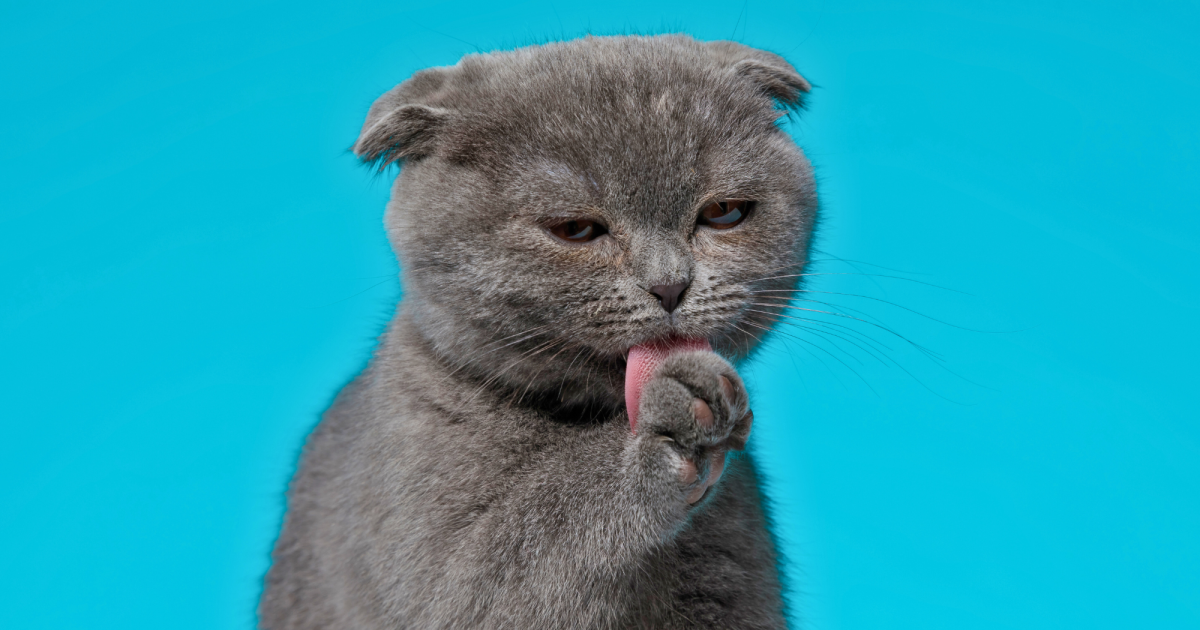
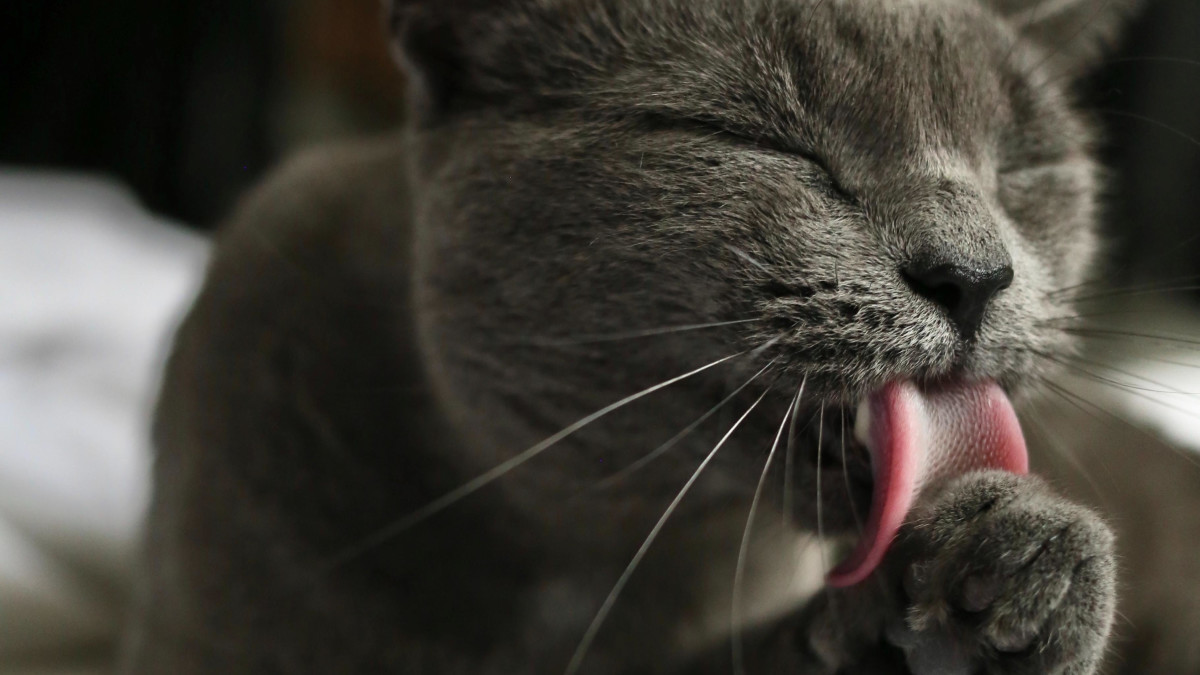
Have you ever watched your cat gently nibble at a paw or use its tongue to smooth out fur? This precise behavior keeps their coat in top shape. Most cats groom several times a day, especially after eating or waking up from a nap.
Benefits Of Grooming
Grooming does more than just keep your cat clean. It helps regulate their body temperature by spreading natural oils throughout their fur. This makes their coat shiny and waterproof.
Grooming also serves as a stress reliever for cats. It calms them down and helps them feel safe. If you’ve noticed your cat grooming intensely after a loud noise or a visit to the vet, this might be why.
Does your cat seem calmer after a grooming session? That’s a sign their routine is working well for their overall well-being.
Credit: pethelpful.com
Stress And Anxiety
Stress and anxiety can play a big role in why your cat keeps grooming himself. Just like people, cats feel overwhelmed or uneasy in certain situations. Grooming becomes a way for them to manage these feelings and regain a sense of control.
Signs Of Stress In Cats
You might notice your cat acting differently when stressed. Common signs include:
- Excessive grooming, sometimes leading to bald spots
- Hiding or avoiding interaction
- Changes in eating or litter box habits
- Increased vocalization or restlessness
Have you seen your cat suddenly start licking more than usual? This behavior often signals that something in their environment is making them uneasy.
How Grooming Helps
Grooming releases endorphins, which are natural feel-good chemicals. This helps your cat calm down when they feel stressed or anxious.
It also distracts them from the source of their stress, creating a temporary relief. However, if grooming gets out of hand, it might be your cat’s way of signaling deeper anxiety that needs attention.
Think about what recent changes could have triggered this behavior. Could it be a new pet, a move, or loud noises? Understanding these triggers is the first step to helping your cat feel secure again.
Skin Irritations
Skin irritations can cause cats to groom themselves more than usual. Allergies, fleas, or dry skin often lead to itching and discomfort. Watching for redness or hair loss helps spot these problems early.
Cats are known for their meticulous grooming habits, often spending a large part of their day cleaning themselves. However, when grooming becomes excessive, it might indicate a problem. Skin irritations are a common reason for this behavior, causing discomfort that your cat tries to alleviate through constant licking.Allergies And Parasites
Cats can develop allergies to various elements in their environment or diet, leading to itchy skin. Have you noticed any changes in your cat’s diet or surroundings? Common allergens include certain foods, pollen, and even dust. Parasites like fleas and mites can also cause relentless itching. A single flea bite can send a sensitive cat into a frenzy of scratching and grooming. Regularly check your cat for these tiny pests, especially if they venture outdoors.Identifying Skin Problems
Identifying the root cause of your cat’s skin irritation is crucial. Look for signs such as redness, bumps, or hair loss. These can provide clues about the underlying issue. A vet visit can help pinpoint the problem. They might suggest allergy tests or recommend specific treatments. Have you considered keeping a diary of your cat’s symptoms to share with your vet? Understanding why your cat is over-grooming is the first step to helping them. Addressing skin irritations promptly can prevent further discomfort and ensure your furry friend stays happy and healthy.Medical Conditions
When your cat grooms himself excessively, it might be more than just normal cleaning behavior. Medical conditions can trigger this repeated grooming, signaling discomfort or health problems. Understanding these issues helps you spot when your feline friend needs more than just a gentle brush.
Common Health Issues
Several health problems can cause your cat to groom excessively. Skin allergies are a top reason—your cat might be reacting to food, pollen, or fleas. These allergies cause itching and irritation, leading to over-grooming.
Parasites like fleas or mites also prompt constant grooming. Cats try to soothe the itching by licking and biting their skin. If your cat is bald in spots or has red, inflamed skin, parasites could be the culprit.
Another condition to watch for is anxiety or stress, which can show through compulsive grooming. This behavior resembles how people bite their nails when nervous. It’s a way for cats to comfort themselves but can cause hair loss and skin damage.
Sometimes, underlying pain from arthritis or injuries makes grooming a form of relief or distraction. Keep an eye on whether your cat focuses on one spot or grooms all over, which can hint at where the pain is.
When To See A Vet
If your cat’s grooming habits suddenly change or become obsessive, it’s time to consult a vet. Persistent bald patches, sores, or scabs are clear signs that medical help is needed.
Also, notice if your cat is licking nonstop or seems restless and uncomfortable. These behaviors might indicate pain or an allergic reaction that requires treatment.
Don’t wait if you see behavioral changes alongside grooming issues, such as hiding, loss of appetite, or aggression. These could point to deeper health problems.
Have you noticed your cat grooming so much that it worries you? Early vet visits can stop minor issues from becoming serious. Your cat depends on you to recognize when grooming is more than a habit.
Behavioral Causes
Cats groom themselves for many reasons beyond cleanliness. Behavioral causes often drive excessive grooming. These behaviors show what your cat feels or needs. Understanding these reasons helps you support your cat better.
Boredom And Attention Seeking
Cats need mental and physical stimulation. Without enough play or interaction, they feel bored. Grooming becomes a way to pass time. It also grabs your attention. Your cat might groom more to get you involved.
Signs of boredom include:
- Restlessness
- Excessive grooming
- Meowing for attention
Try giving toys or play sessions daily. This reduces grooming caused by boredom or loneliness.
Compulsive Grooming
Some cats groom too much due to stress or anxiety. This behavior is called compulsive grooming. It looks like your cat cannot stop licking or chewing.
Triggers might include:
- Changes in environment
- New pets or people
- Loud noises or disruption
Compulsive grooming can cause skin problems. Watch for bald spots or sores. Consult a vet if grooming seems out of control. Behavior therapy or calming products may help calm your cat.
Credit: pethelpful.com
Environmental Factors
Environmental factors often affect a cat’s grooming habits. Cats feel stress from changes around them. This stress can lead to more frequent grooming. Grooming becomes a way to calm down and feel safe. Understanding these factors helps in caring for your cat properly.
Changes At Home
Moving to a new house can unsettle a cat. New smells and sounds cause anxiety. Even rearranged furniture can confuse your pet. This confusion often leads to increased grooming. It helps them adjust by providing comfort. Sudden loud noises like fireworks also trigger grooming. These noises make cats nervous and restless.
Impact Of Other Pets
Introducing a new pet creates tension in the house. Cats may groom themselves more to relieve stress. They feel the need to mark their scent too. Competition for attention or resources adds pressure. This pressure causes nervous grooming as a coping method. Watching other pets groom can also encourage mimicry. Your cat may copy grooming behaviors to fit in.
Tips To Manage Excessive Grooming
Excessive grooming in cats can cause discomfort and skin problems. Managing this behavior helps your cat stay healthy and happy. Use simple steps to reduce stress and keep grooming at a normal level.
Creating A Calm Environment
Stress often triggers too much grooming. Keep your cat’s space quiet and peaceful. Avoid loud noises and sudden changes in routine. Provide a cozy spot where your cat feels safe. Use soft bedding and dim lighting. This helps your cat relax and groom less.
Regular Vet Checkups
Health problems can cause over-grooming. Allergies, parasites, or skin infections may be the cause. Take your cat to the vet regularly. Early detection helps prevent serious issues. Follow the vet’s advice on treatment and care. This keeps your cat comfortable and reduces grooming.
Providing Enrichment
Boredom can lead to excessive grooming. Give your cat toys to play with daily. Interactive toys and puzzle feeders work well. Spend time playing and bonding with your cat. Add scratching posts and climbing trees for exercise. Enrichment keeps your cat busy and less stressed.

Credit: medium.com
Frequently Asked Questions
Why Does My Cat Groom Itself So Often?
Cats groom frequently to keep their fur clean and remove dirt. It also helps regulate body temperature and reduce stress.
Can Excessive Grooming Indicate Health Problems?
Yes, excessive grooming can signal allergies, skin infections, or parasites. It’s best to consult a vet if grooming seems obsessive.
How Does Grooming Benefit My Cat’s Health?
Grooming removes loose fur and dirt, preventing matting. It also spreads natural oils for a healthy, shiny coat.
Is Grooming A Sign Of Cat’s Emotional State?
Yes, grooming can calm cats and reduce anxiety. However, over-grooming might indicate stress or boredom needing attention.
Conclusion
Cats groom themselves to stay clean and healthy. Sometimes, grooming can increase because of stress or skin problems. Watch your cat’s behavior closely to spot any changes. Providing a calm and safe space helps reduce stress. Regular vet visits keep your cat’s skin and fur in good shape.
Understanding why your cat grooms helps you care for them better. Keep an eye on your cat, and enjoy their unique habits.

Leave a Reply