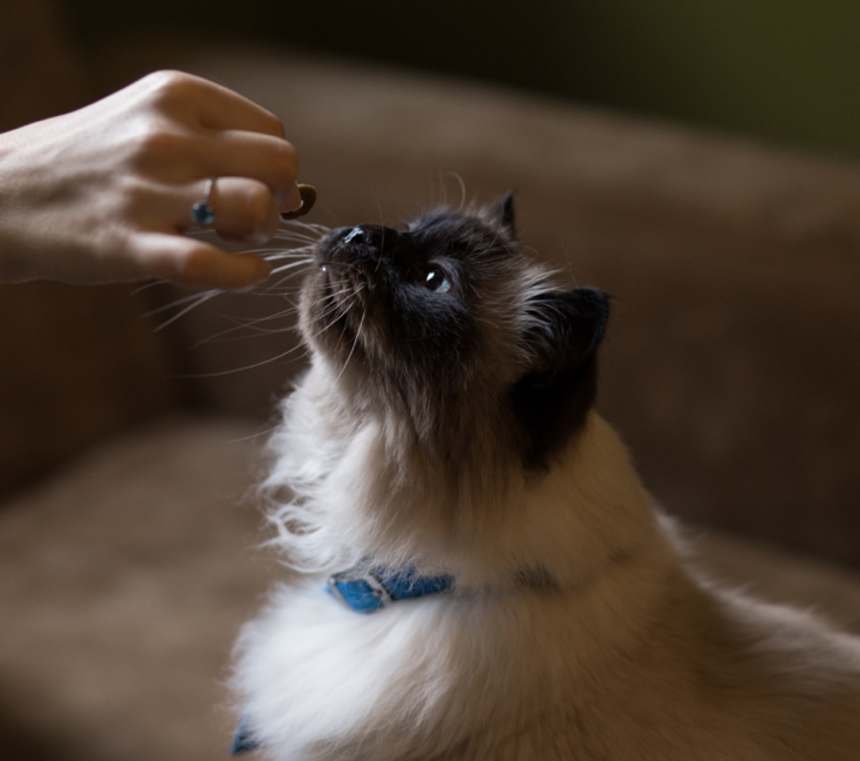
Grooming your Himalayan cat might seem tricky at first, but it doesn’t have to be. You want your furry friend to look beautiful and feel comfortable, right?
Knowing the right steps will help you keep your Himalayan’s thick, luxurious coat free of mats and tangles. Plus, regular grooming can strengthen the bond between you and your cat, making them happier and healthier. Ready to discover simple tips that make grooming easy and even enjoyable?
Keep reading to learn how you can take the best care of your Himalayan cat’s unique coat.

Credit: www.youtube.com
Himalayan Cat Coat Features
The coat of a Himalayan cat is one of its most defining features. Understanding the unique qualities of their fur helps you provide the best grooming care. Your approach should be tailored to their specific coat characteristics to keep it healthy and beautiful.
Fur Texture And Length
Himalian cats have long, silky fur that feels soft to the touch. The texture is dense but fine, which means it can easily tangle if not brushed regularly. You’ll notice how the length adds elegance but also requires more attention than shorter-haired breeds.
Regular brushing prevents mats and keeps the coat smooth. How often do you think you need to comb a cat with such delicate fur? Twice a day can make a big difference in maintaining their luxurious look.
Color Patterns
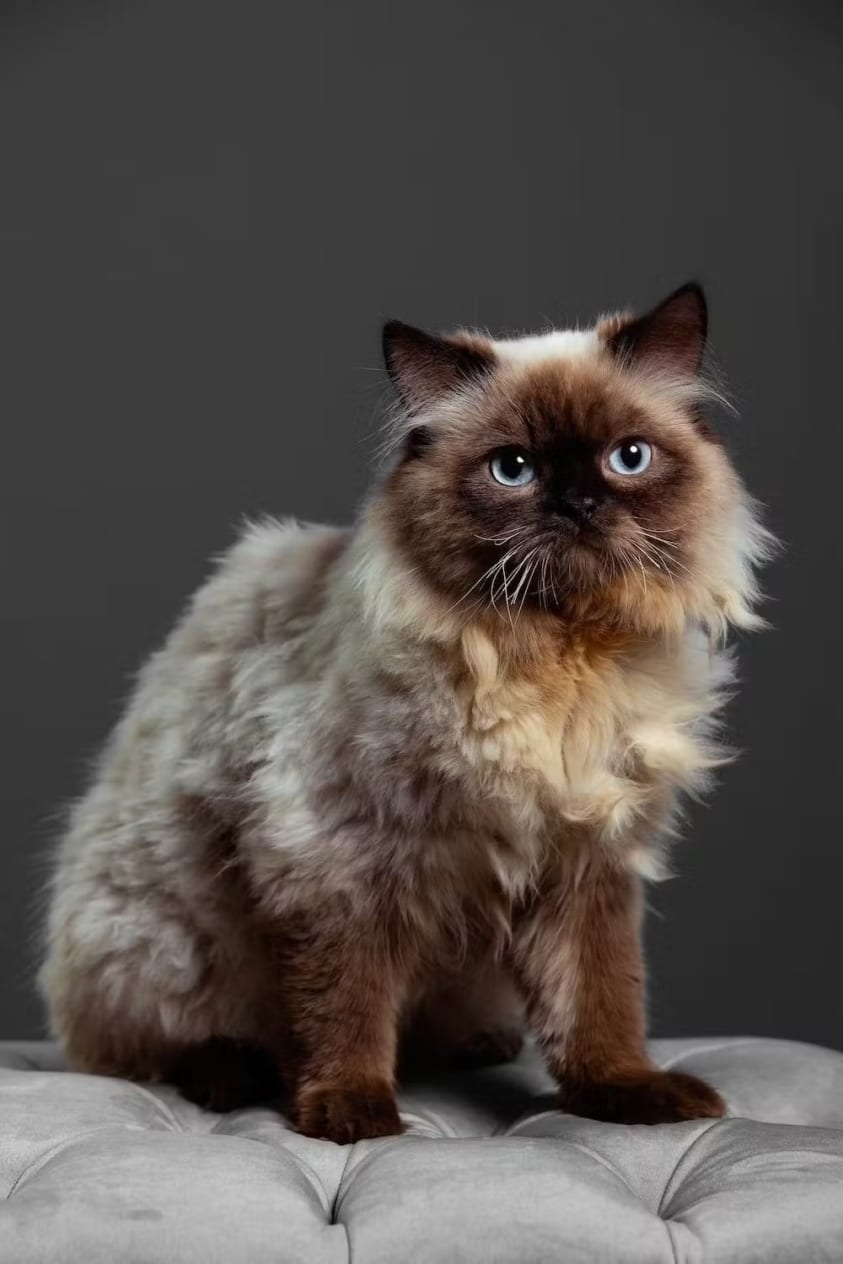
Their coat displays striking color points on the ears, face, paws, and tail, contrasting beautifully with their lighter body fur. Common colors include seal, blue, chocolate, and lilac points. These patterns aren’t just for show—they can also affect how you approach grooming, especially around the face where dirt tends to gather.
Spot cleaning with a damp cloth around the eyes and mouth can help maintain their distinctive look. Have you noticed how their color points can highlight even the smallest smudges?
Common Shedding Issues
Himalayans shed more than you might expect because of their dense coat. This shedding can lead to hairballs and require more frequent cleaning around your home. Paying attention to seasonal changes is important, as shedding often increases during spring and fall.
Using a de-shedding tool can reduce loose fur and keep your cat more comfortable. How do you manage shedding in your home without creating a mess? Regular grooming sessions can reduce the amount of fur floating around and help your cat feel fresh.
Daily Grooming Routine
Keeping a Himalayan cat’s coat beautiful and healthy demands a daily grooming routine tailored to their long, dense fur. Skipping this can lead to mats, discomfort, and even skin issues. Your commitment each day ensures your cat not only looks great but feels good too.
Brushing Techniques
Use a wide-toothed comb or a slicker brush to gently work through your cat’s fur. Start at the head and move towards the tail in smooth, slow strokes to avoid pulling on their sensitive skin. Pay close attention to areas like behind the ears and under the legs, where tangles form easily.
Try brushing while your cat is calm or relaxed, maybe during a quiet moment on your lap. This helps them associate grooming with comfort instead of stress. Have you noticed how a calm pet responds better during grooming sessions?
Detangling Tips
When you find a knot, don’t yank or pull hard. Instead, hold the base of the fur near the skin to minimize discomfort, then gently tease the tangle apart with your fingers or a detangling comb. If a mat is stubborn, apply a small amount of cat-safe detangling spray to soften it.
Be patient and work slowly—hurried grooming can cause your cat to resist future sessions. Sometimes, a little break and some treats can turn a tough detangling into a positive experience. Have you tried rewarding your cat during grooming to keep them cooperative?
Bathing Frequency
Bathing your Himalayan cat isn’t needed too often—about once every 4 to 6 weeks is usually enough. Overbathing can strip natural oils, leading to dry skin and a dull coat. Use a mild, cat-specific shampoo to protect their sensitive skin and fur.
Make baths as stress-free as possible by preparing everything beforehand and keeping water lukewarm. If your cat hates baths, consider using waterless shampoos or wipes to freshen their coat in between full baths. How does your cat react to water, and what’s your best trick to keep bath time calm?
Nail And Paw Care
Grooming a Himalayan cat requires special attention, especially for their nails and paws. Regular nail and paw care ensures your cat stays comfortable and healthy. It also prevents potential injuries or infections. Let’s dive into the essentials of nail and paw care for your Himalayan feline friend.
Trimming Nails Safely
Trim your Himalayan cat’s nails every two to three weeks. Use a cat-specific nail clipper for safety. Hold the paw gently and press to extend the nail. Trim just the tip, avoiding the quick. The quick is the pink part of the nail containing nerves and blood vessels. Cutting into the quick causes pain and bleeding. If you’re unsure, consult your vet or a professional groomer.
Checking For Injuries
Regularly check your cat’s paws for cuts, swelling, or foreign objects. Look between the toes for debris or redness. Use a damp cloth to clean any dirt or residue. Seek veterinary assistance if you notice persistent swelling or bleeding. Early detection of paw injuries prevents more serious health issues.
Paw Pad Maintenance
Himalayan cats can have dry or cracked paw pads. Moisturize the pads with a cat-safe balm or lotion. Avoid human lotions, as they can be harmful to cats. Keep your cat’s environment free from sharp objects and hot surfaces. This prevents paw pad injuries and discomfort. Regular paw inspections help maintain healthy pads.
Eye And Ear Hygiene
Keeping your Himalayan cat’s eyes and ears clean is key to their health. Their unique facial features can cause tear stains and ear buildup. Regular care helps avoid discomfort and infections. It also keeps your pet looking fresh and happy.
Cleaning Tear Stains
Tear stains are common in Himalayan cats due to their flat faces. Use a soft, damp cloth or pet-safe wipes to gently clean around their eyes. Wipe from the inner corner outward. Do this daily to prevent stains from building up. Avoid harsh chemicals that can irritate the skin.
Ear Cleaning Tips
Check your cat’s ears weekly for dirt or wax. Use a cotton ball or pad moistened with a vet-approved ear cleaner. Gently wipe the visible parts inside the ear. Never use cotton swabs deep inside the ear canal. This can cause damage. Keep the ears dry to reduce the risk of infection.
Preventing Infections
Watch for signs of infection like redness, swelling, or foul odor. Regular cleaning reduces bacteria and yeast growth. Keep your cat’s sleeping area clean and dry. Avoid water getting into the ears during baths. Consult a vet if you notice any unusual symptoms promptly.
Diet And Hydration Effects
Diet and hydration play a huge role in the health and appearance of your Himalayan cat’s coat. What you feed your cat and how much water it drinks can directly affect the softness, shine, and overall condition of its fur. You might not realize it, but a well-balanced diet combined with proper hydration can reduce shedding and matting, making grooming easier for both you and your furry friend.
Foods For Healthy Fur
High-quality protein is essential for strong, healthy fur. Look for cat foods that list real meat, like chicken or fish, as the first ingredient. These provide the amino acids your Himalayan needs to build and maintain its thick coat.
Omega-3 and Omega-6 fatty acids also support skin and fur health. Foods rich in these fats, such as salmon or flaxseed oil, can help reduce dryness and flakiness.
- Choose wet or dry food with balanced nutrients
- Avoid fillers like corn or soy that offer little benefit
- Consider rotating protein sources to prevent allergies
Hydration Importance
Hydration affects your cat’s skin elasticity and fur quality more than many pet owners realize. Cats often don’t drink enough water naturally, especially indoor cats.
Try adding wet food to your cat’s diet to increase water intake. You can also provide fresh water in multiple bowls or use a cat water fountain to encourage drinking.
Have you noticed your cat’s fur becoming dull or dry? It might be a sign that it needs more hydration.
Supplements For Coat Shine
Sometimes diet alone isn’t enough. Supplements can fill nutritional gaps and boost coat shine effectively.
Fish oil capsules or liquid supplements are popular for their high Omega-3 content. These help reduce inflammation and improve fur softness.
Other supplements like biotin and vitamin E can support skin health and fur growth. Always consult your vet before adding supplements to your cat’s routine to ensure safety.

Credit: zigly.com
Seasonal Grooming Adjustments
Seasonal grooming adjustments keep a Himalayan cat comfortable and healthy year-round. Their thick fur changes with the seasons, needing different care. Proper grooming reduces matting and skin issues. It also helps control shedding and maintains their beautiful coat.
Winter Care Tips
Himalayan cats grow a thicker coat in winter. This extra fur keeps them warm but needs gentle care.
- Brush their coat twice a week to prevent tangles and mats.
- Check for dry skin and use a pet-safe moisturizer if needed.
- Keep their bedding clean and dry to avoid moisture buildup.
- Trim nails carefully to prevent scratching during indoor play.
- Watch their ears and paws for cold-related irritation.
Summer Grooming Needs
In summer, Himalayan cats shed more to stay cool. Grooming helps remove loose hair and avoid heat stress.
- Brush daily to manage shedding and reduce hairballs.
- Wipe their face often to clean tear stains and prevent dirt build-up.
- Ensure they have fresh water to stay hydrated.
- Keep their coat trimmed slightly if mats form easily.
- Use a damp cloth to cool them down during hot days.
Handling Grooming Challenges
Grooming a Himalayan cat can sometimes test your patience. Their thick, long fur tends to tangle and shed more than other breeds. Knowing how to handle these challenges will make grooming easier and more enjoyable for both you and your cat.
Dealing With Matting
Mats form quickly in a Himalayan’s dense coat if not brushed regularly. They can be uncomfortable and even painful for your cat. Use a wide-toothed comb to gently tease apart tangles before they become mats.
If a mat is stubborn, try applying a bit of detangling spray made for pets. Avoid pulling hard, as it can hurt your cat and make grooming a battle. Have a pair of grooming scissors handy for severe mats, but be very careful to cut only the fur, not the skin.
Managing Shedding
Shedding in Himalayans can be heavy during seasonal changes. Regular brushing reduces loose fur and keeps your home cleaner. Use a slicker brush to reach the undercoat where most shedding starts.
Bathing your Himalayan once a month can also help control shedding. It removes dead hair and keeps their skin healthy. Make sure to dry your cat thoroughly to prevent chill or skin irritation.
Calming Anxious Cats
Your cat might resist grooming if they feel stressed or scared. Speak softly and use slow, gentle movements to keep them calm. Give treats during and after grooming sessions to create a positive association.
Try shorter grooming sessions if your cat gets anxious quickly. Gradually increase the time as they get more comfortable. Have you noticed your cat’s favorite spot to relax? Try grooming there to make them feel safer.
Credit: vogdog.com
Professional Grooming Services
Professional grooming services can make a big difference in maintaining your Himalayan cat’s beautiful coat and overall health. These experts know how to handle the breed’s thick, long fur and delicate skin with care. If you’ve ever struggled with tangled mats or shedding, trusting a professional might be exactly what your cat needs.
When To Seek Experts
If your Himalayan cat’s fur is heavily matted or tangled, professional grooming becomes essential. You might also want to call in the pros if your cat resists brushing or becomes stressed during home grooming sessions.
Health concerns like skin irritations or excessive shedding can be signs to visit a groomer. When you notice your cat scratching more than usual or developing bald patches, a groomer can identify and address these issues early.
Choosing A Groomer
Look for groomers who have experience with long-haired breeds like the Himalayan. Ask about their handling techniques to ensure they treat your cat gently and patiently.
Visiting the grooming salon beforehand can help you check the cleanliness and atmosphere. Friendly staff who communicate clearly about your cat’s needs will make your experience smoother.
- Check reviews or ask fellow Himalayan owners for recommendations.
- Make sure the groomer uses cat-safe products.
- Confirm they can manage specific services like de-matting or nail trimming.
Costs And Benefits
Professional grooming costs vary depending on location and services but expect to pay between $50 to $100 per session. While this might seem high, consider the time saved and the professional results you get.
Regular grooming appointments can prevent painful mats and skin problems, potentially saving on veterinary bills. Plus, your cat will feel more comfortable and look their best.
Ask yourself: Is investing in a groomer helping your Himalayan cat live a happier, healthier life? Often, the benefits far outweigh the costs.
Frequently Asked Questions
How Often Should I Groom A Himalayan Cat?
Himalayan cats need grooming at least 3-4 times weekly. Regular brushing prevents matting and reduces shedding. Frequent grooming keeps their coat healthy and shiny.
What Tools Are Best For Grooming Himalayan Cats?
Use a wide-toothed comb, slicker brush, and grooming scissors. These tools help remove tangles, loose hair, and maintain coat cleanliness. Always be gentle to avoid skin irritation.
How Do I Prevent Matting In Himalayan Cat Fur?
Brush your Himalayan cat regularly, focusing on dense areas. Keep their fur clean and dry to avoid tangles. Regular grooming sessions reduce painful mats and skin problems.
Can Grooming Improve Himalayan Cat’s Health?
Yes, grooming enhances coat health and detects skin issues early. It also reduces hairballs and strengthens the bond between you and your cat. Regular grooming promotes overall well-being.
Conclusion
Grooming a Himalayan cat keeps its coat soft and healthy. Regular brushing stops mats and tangles. Bathing helps reduce dirt and oil buildup. Pay attention to their eyes and ears too. Gentle care makes your cat happy and calm. Start grooming early to build trust and habit.
A clean, well-groomed cat looks beautiful every day. Simple steps can make grooming easy and stress-free. Enjoy the time spent with your furry friend.

Leave a Reply