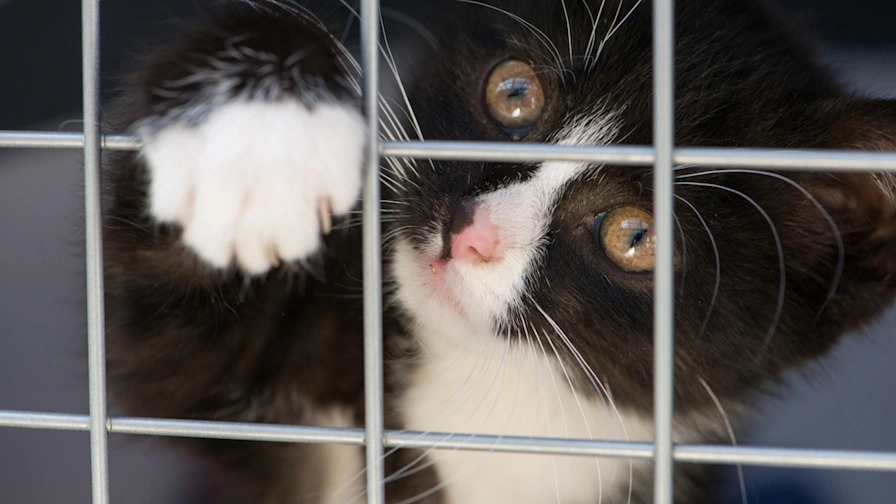
Have you ever noticed your cat hissing at a toy and wondered why? It can be confusing when your furry friend seems scared or angry at something meant for fun.
Understanding why your cat reacts this way can help you create a happier, safer playtime for both of you. Keep reading to discover the surprising reasons behind this behavior and how you can turn those hissy moments into purr-filled joy.
Cat Hissing Basics
Understanding why your cat hisses at toys starts with knowing the basics of cat hissing. Hissing is a natural form of communication for cats. It helps them express feelings like fear, discomfort, or warning. This behavior is not about being mean but about setting boundaries. Recognizing the reasons behind hissing can help improve your cat’s playtime experience and reduce stress.
What Hissing Means
Hissing is a vocal warning. Cats make this sound to tell others to stay away. It shows they feel threatened or uneasy. Sometimes, hissing is a sign of pain or illness. It can also mean your cat is overstimulated. Understanding this helps you respond calmly and carefully.
Common Hissing Triggers
- Sudden movements near the toy
- Toys that look or move like prey
- Loud noises during play
- Unfamiliar or new toys
- Feeling cornered or trapped
- Past negative experiences with similar toys

Credit: www.catit.com
Toys That Trigger Hissing
Not all toys bring out the playful side of your cat. Some can actually make them hiss. Understanding which toys trigger this reaction helps you choose better playthings and keeps your feline friend comfortable and happy.
Unfamiliar Toys
Your cat may hiss at toys they don’t recognize. New shapes or colors can seem strange and threatening. If your cat is cautious, introducing toys slowly and letting them sniff first can ease their anxiety.
Noisy Or Moving Toys
Toys that buzz, squeak, or suddenly move might startle your cat. Sudden sounds or unpredictable movements can feel like a threat. Try quieter or more predictable toys to see if your cat reacts better.
Toys With Strong Scents
Cats have sensitive noses, and strong smells can be off-putting. Toys scented with unfamiliar chemicals, perfumes, or even certain catnip blends might cause hissing. Pay attention to your cat’s scent preferences to pick toys they’ll enjoy.
Emotional Reasons Behind Hissing
Cats hiss at toys due to fear or confusion. Toys may seem like a threat, triggering their natural defense. Sometimes, hissing shows frustration or overstimulation during play.
Cats are fascinating creatures, often surprising us with their quirky behaviors. One such behavior that might leave you puzzled is when your cat hisses at toys. Understanding the emotional reasons behind this reaction can help you address your cat’s needs more effectively. Let’s explore the underlying emotions that could cause your feline friend to hiss at inanimate objects.Fear And Anxiety
Cats can be easily startled by unfamiliar objects, and toys are no exception. If your cat is hissing at a new toy, it may be a reaction to fear or anxiety. The toy’s movement, sound, or even its smell could be intimidating. Consider the first time you introduced a new gadget to your home. It might have taken a while for you to get comfortable with it. Similarly, your cat needs time to adjust to new toys. Gradually introducing the toy and allowing your cat to explore it at their own pace can help reduce their anxiety.Territorial Behavior
Cats are territorial animals by nature. Introducing a new toy can sometimes make them feel like their space is being invaded. Your cat might hiss to assert dominance or to mark their territory. Think about how you feel when someone rearranges your personal space without asking. It’s unsettling, right? Your cat is simply trying to maintain control over their environment. Offering toys that mimic prey can help channel this territorial instinct positively.Overstimulation
Sometimes, a toy can be too stimulating for your cat, leading to a hissing response. Bright colors, loud noises, or erratic movements can overwhelm your cat’s senses. Have you ever felt overwhelmed in a crowded, noisy place? That’s how your cat might feel when faced with an overly stimulating toy. Opt for toys that provide gentle interaction and observe how your cat responds. Adjusting the playtime intensity can help prevent overstimulation. Does your cat hiss at toys? Understanding these emotional triggers can make all the difference in creating a peaceful play environment for your furry friend.Physical Factors Influencing Hissing
Physical factors play a significant role in why your cat might hiss at toys. Sometimes, it’s not just about the toy itself but how your cat feels physically when interacting with it. Understanding these factors can help you create a safer and more enjoyable playtime for your feline friend.
Pain Or Discomfort
If your cat experiences pain or discomfort, even a harmless toy can become a trigger for hissing. Cats are experts at hiding pain, but a toy that requires biting, scratching, or jumping might aggravate an injury or sore spot.
Think about your cat’s recent health or any changes in behavior. Have you noticed limping, avoiding certain movements, or sensitivity when touched? These signs can mean your cat is protecting itself from further pain by warning you with a hiss.
Try observing how your cat reacts to different types of toys. Soft, plush toys might be more comfortable than hard or noisy ones. If you suspect pain, a vet visit can help identify issues like dental problems or arthritis that make play uncomfortable.
Sensory Sensitivities
Cats have highly tuned senses, and certain toys might overwhelm them. Loud squeaks, bright colors, or unusual textures can cause sensory overload, leading to hissing as a form of communication.
Imagine how you would react if something suddenly startled your senses—your cat feels the same, but without words to explain their discomfort. Some cats are more sensitive than others and might prefer quieter, less flashy toys.
Try introducing new toys slowly and watch your cat’s body language closely. Look for signs like flattened ears, dilated pupils, or tense muscles, which indicate discomfort. Choosing toys that match your cat’s sensory preferences can turn playtime from stressful to enjoyable.
How To Help Your Cat Feel Comfortable
Helping your cat feel comfortable around toys takes patience and care. Cats react differently to new objects. Some may hiss out of fear or confusion. Creating a calm and positive experience can change their feelings. Understanding your cat’s behavior helps you choose the right approach. Small steps build trust and encourage playful interactions.
Choosing The Right Toys
Select toys that match your cat’s personality and play style. Soft, lightweight toys work well for timid cats. Toys that mimic prey, like small balls or feather wands, often attract interest. Avoid loud or fast-moving toys that may scare your cat. Safe materials without strong smells keep your cat curious and relaxed.
Introducing Toys Gradually
Introduce new toys slowly to avoid overwhelming your cat. Start by placing the toy near their favorite resting spot. Let your cat sniff and explore the toy at their own pace. Play gently using the toy to show it is safe. Repeat short play sessions daily to build positive feelings.
Creating A Safe Play Environment
Set up a quiet, comfortable area for playtime. Minimize noise and distractions to keep your cat calm. Use soft lighting and a cozy space to reduce stress. Offer hiding spots nearby so your cat can retreat if needed. Consistent playtime in this safe zone helps your cat relax and enjoy toys.

Credit: www.reddit.com
When To Consult A Veterinarian
Knowing when to consult a veterinarian is important if your cat hisses at toys often. This behavior might show more than just dislike. It could signal stress, fear, or health problems. Paying attention helps keep your cat happy and safe.
Persistent Aggression
Persistent hissing at toys or other objects can be a sign of deeper issues. If your cat shows aggression daily, it needs attention. This behavior might make playtime stressful instead of fun. A vet can help find the cause and suggest ways to reduce aggression.
Possible Health Issues
Sometimes, hissing is a sign of pain or illness. Cats may hiss if toys cause discomfort or trigger sensitive areas. Problems like dental pain, arthritis, or injuries might make your cat react this way. A vet check-up can rule out or treat these issues quickly.

Credit: www.catit.com
Frequently Asked Questions
Why Does My Cat Hiss At Certain Toys?
Cats may hiss at toys due to fear, confusion, or overstimulation. They might perceive some toys as threatening or unfamiliar. This reaction helps them protect themselves from perceived danger. Understanding your cat’s preferences can reduce hissing and improve playtime experiences.
Can A Cat’s Hissing Mean Dislike For A Toy?
Yes, hissing can indicate your cat dislikes a toy. It may be too noisy, have an odd texture, or trigger negative memories. Observing your cat’s behavior helps identify which toys cause discomfort and which ones they enjoy.
How To Stop My Cat From Hissing At Toys?
Introduce toys slowly and use positive reinforcement. Choose soft, quiet toys that mimic prey. Avoid forcing interaction. Gradual exposure helps your cat feel safe and reduces hissing during playtime.
Is Hissing A Sign Of Stress During Play?
Hissing can signal stress or anxiety in cats. Stress may arise from unfamiliar toys or overstimulation. Monitor your cat’s body language and give breaks to prevent negative reactions during play.
Conclusion
Cats hiss at toys for many reasons. They might feel scared or unsure. Sometimes, toys move too fast or look strange. This can confuse your cat. Watching your cat’s reaction helps you understand better. Choose toys that feel safe and fun for them.
Patience is key to help your cat enjoy playtime. Remember, every cat is different and needs time to trust. With care, your cat will learn to like toys more. Play can be a great way to bond and keep your cat happy.

Leave a Reply