
Have you ever wondered what it takes to become an official cat breeder? If you love cats and want to turn that passion into a rewarding and recognized role, this guide is for you.
Becoming an official breeder isn’t just about having cats; it’s about understanding the process, meeting legal requirements, and caring for your cats in the best way possible. Keep reading, and you’ll discover the essential steps to make your dream a reality—and how to do it right from the start.
Your journey to becoming a trusted cat breeder begins here.
Choosing The Right Cat Breed
Choosing the right cat breed is a crucial step in becoming an official cat breeder. The breed you select will shape your daily routines, the kind of care you provide, and even your connection with the cats. It’s important to look beyond appearance and think about temperament, health needs, and how the breed fits your lifestyle.
Popular Breeds To Consider
Some breeds stand out for their popularity and demand, making them great options to start with. Breeds like the Siamese, Maine Coon, Persian, and Ragdoll are well-loved for distinct features and personalities.
- Siamese:Vocal and social, they need a lot of interaction.
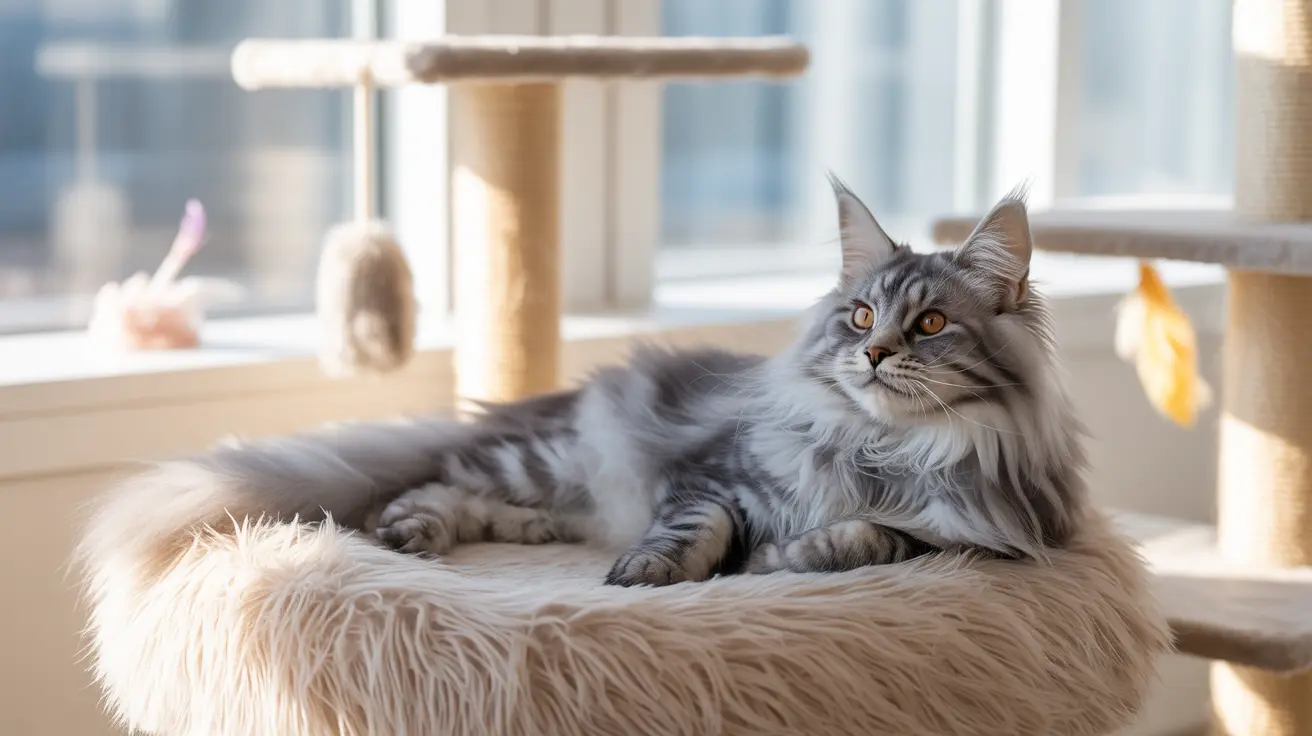
- Maine Coon:Large and friendly, known for being gentle giants.
- Persian:Calm and affectionate but require regular grooming.
- Ragdoll:Easygoing and relaxed, great for families.
Each breed has its own fan base, which can affect how easy it is to find buyers or partners. Would you prefer a breed that thrives in active homes or one that enjoys quiet environments?
Breed Characteristics And Care Needs
Understanding the specific traits and care needs is essential before committing. Some breeds need daily brushing, while others require specialized diets or more frequent vet visits.
For example, Persians have long fur that mats easily, demanding time and effort for grooming. On the other hand, the Bengal’s energetic nature means they need lots of playtime and stimulation.
Ask yourself: Can you meet the breed’s physical and emotional needs consistently? This question helps avoid future challenges and ensures your cats stay healthy and happy.
Matching Breed With Your Lifestyle
Your lifestyle should guide your breed choice. If you work long hours, breeds that are independent like the British Shorthair might suit you better than a needy Siamese.
Consider space as well—larger breeds like the Maine Coon need room to roam and play. If you have children, some breeds are more tolerant and patient, such as the Ragdoll or Burmese.
Think about your daily routine and energy levels. Choosing a breed that fits your life increases your chances of success and satisfaction as a breeder.

Credit: www.catbreedingforbeginners.com
Legal Requirements And Registration
Becoming an official cat breeder involves more than just a love for cats. You must navigate legal requirements and complete important registrations to operate legitimately. These steps protect you, your cats, and your future clients by ensuring ethical and responsible breeding.
Licensing And Permits
Before you start breeding, check with your local government about necessary licenses and permits. Requirements vary widely depending on your location, so contacting your city or county office is a good first step.
You might need a general business license or a specific permit for animal breeding. Some areas require inspections of your facilities to ensure proper care standards. Missing these can lead to fines or forced closure, so don’t overlook this crucial step.
Registering With Cat Associations
Official registration with recognized cat associations adds credibility to your breeding program. Associations like The International Cat Association (TICA) or the Cat Fanciers’ Association (CFA) offer breeder registration and pedigree tracking.
Registration often requires submitting detailed information about your cats’ lineage and breeding practices. It also gives you access to resources, networking opportunities, and can boost buyer confidence. Have you considered how association membership could impact your reputation?
Understanding Breeding Regulations
Breeding regulations cover animal welfare, advertising, sales, and record-keeping. These rules protect the health of cats and ensure transparency with buyers.
Regulations might include limits on the number of litters per year or mandatory health checks for breeding cats. Staying informed about these laws helps you avoid legal trouble and builds trust with your customers.
Ask yourself: Are you prepared to keep detailed records and follow strict care guidelines? This responsibility is key to running a reputable breeding business.
Setting Up Your Breeding Space
Create a clean, quiet area with enough space for cats to live comfortably. Provide proper bedding, food, and water spots to keep them healthy and happy. Ensure the space is safe and easy to clean.
Setting up your breeding space is a crucial step in becoming an official cat breeder. Your environment needs to be comfortable and secure for both the cats and yourself. This section will guide you through creating an ideal space that caters to the needs of your feline companions and meets the standards of ethical breeding.Creating A Safe Environment
Safety should be your top priority. Make sure that the breeding area is free from hazards like loose wires or sharp objects. Secure windows and doors to prevent escapes, and ensure that all surfaces are non-toxic. Think about the temperature and humidity of the space. Cats are sensitive to extreme conditions. A climate-controlled room can make a significant difference to their health and comfort.Essential Equipment And Supplies
Having the right equipment can make your breeding process smoother. Invest in sturdy and spacious cages or enclosures, ensuring they are easy to clean. Comfortable bedding is essential, as it provides warmth and security for the cats. You’ll also need food and water bowls, which should be made of materials that are easy to sanitize. Consider automatic feeders and water dispensers to maintain consistency.Maintaining Cleanliness And Hygiene
A clean environment is crucial for the health of your cats. Regular cleaning schedules help prevent the spread of diseases and parasites. Use pet-safe cleaning products to sanitize cages, litter boxes, and feeding areas. Don’t underestimate the power of fresh air. Ensure proper ventilation to reduce odors and maintain air quality. Regularly washing bedding and toys also plays a key role in maintaining a hygienic space. Creating a breeding space that meets these criteria requires effort and attention to detail. But with the right setup, you can ensure a healthy and happy environment for your cats. Are you ready to create a space that supports both the well-being of your cats and your breeding goals?Health And Nutrition Management
Proper health and nutrition are key to successful cat breeding. Healthy cats have better chances to reproduce and raise strong kittens. Managing their well-being means focusing on diet, regular check-ups, and early illness detection. This care supports the breeding cats’ energy, immunity, and overall fitness.
Veterinary Care And Vaccinations
Regular visits to the vet keep breeding cats in top shape. Vaccinations protect them from common diseases. Schedule check-ups every six months. This helps catch health issues early. Maintain a vaccination record for each cat. Discuss parasite control and spaying/neutering plans with your vet.
Feeding Plans For Breeding Cats
Breeding cats need balanced nutrition for energy and fertility. Provide high-quality cat food rich in protein and fat. Adjust feeding amounts based on the cat’s weight and activity. Pregnant and nursing cats require more calories. Include supplements like omega-3 fatty acids for coat and skin health. Fresh water should always be available.
Monitoring Cat Health Regularly
Observe cats daily for any changes in behavior or appetite. Look for signs like lethargy, coughing, or unusual discharge. Keep a health journal to track symptoms and treatments. Monitor weight and body condition monthly. Early detection of illness prevents complications. Isolate sick cats to avoid spreading disease.
Breeding Process And Care
Breeding cats requires more than just pairing two animals together. It demands careful attention to the health, temperament, and genetics of your cats. Understanding the breeding process and providing the right care will increase the chances of a successful and healthy litter.
Selecting Breeding Pairs
Choosing the right cats to breed is crucial. Look beyond appearance and focus on health clearances and genetic history to avoid passing on hereditary diseases.
Pay attention to temperament as well—calm and social cats tend to produce kittens with better dispositions.
Have you tested your cats for common breed-specific conditions? This step protects future generations and improves your reputation as a responsible breeder.
Mating And Gestation Period
Cat mating usually occurs when the female, or queen, is in heat, which happens several times a year. You need to monitor her closely to identify these periods for successful breeding.
After mating, the gestation period lasts about 63 to 65 days. During this time, tracking her weight and behavior helps detect any issues early.
Have you prepared a quiet and comfortable space where the queen can feel safe during this critical phase?
Caring For Pregnant Queens And Kittens
The queen’s nutrition must improve to support her growing kittens. Provide high-quality kitten food, rich in protein and essential nutrients.
Regular veterinary check-ups are essential to monitor the queen’s health and the development of the kittens. Vaccinations and parasite control should not be overlooked.
Once kittens arrive, socializing them gently and ensuring they stay warm and clean will help them thrive. How will you balance hands-on care with allowing natural maternal behavior?

Credit: www.savvy-paws.com
Marketing And Selling Kittens
Marketing and selling kittens is a key part of being an official cat breeder. It involves more than just finding homes for kittens. You must build trust with buyers and show the quality of your cats. Effective marketing helps attract serious buyers who care about the kittens’ health and future.
Clear communication and honesty are essential. Buyers want to feel confident they get a healthy and well-cared-for kitten. Good marketing also highlights your breeding standards and your love for cats. This builds a strong reputation and helps sell kittens faster.
Building A Reputation
A good reputation comes from trust and consistency. Always be honest about your kittens’ health and background. Share photos and stories about each kitten’s personality. This makes buyers feel connected before they even meet the kitten.
Keep in touch with past buyers. Ask for feedback and offer support. Happy buyers often recommend you to friends and family. Word of mouth is a powerful tool in the cat breeding community.
Creating Effective Listings
Write clear and simple descriptions for each kitten. Include:
- Breed and color
- Age and personality traits
- Health status and vaccinations
- Parents’ information and pedigree
Use high-quality photos showing the kitten in good light. Multiple pictures from different angles help buyers see details. Avoid cluttered backgrounds to keep focus on the kitten.
Price your kittens fairly based on breed standards and costs. Transparent pricing builds trust and avoids confusion.
Screening Potential Buyers
Not every interested person is the right buyer. Ask questions about the buyer’s home, lifestyle, and experience with cats. This helps ensure kittens go to safe and loving homes.
Look for buyers who understand the commitment of owning a cat. Check if they plan to keep the kitten indoors or provide a safe environment. Responsible buyers protect the kitten’s health and happiness.
Use a simple application form to collect buyer information. This keeps the process organized and professional. Take time to explain your terms and answer questions clearly.
Ethical Breeding Practices
Ethical breeding practices are the foundation of responsible cat breeding. They protect the health and happiness of the cats and maintain the integrity of the breed. As you start your journey as an official cat breeder, understanding and applying these practices will help you earn respect and trust from the community and potential cat owners.
Avoiding Overbreeding
Overbreeding can harm both the mother cat and her kittens. It’s important to give your female cats enough recovery time between litters to preserve their health. Think about the quality of each litter rather than the quantity.
Have you set limits on how many litters each cat can have annually? Responsible breeders often restrict breeding to one or two litters per year. This approach reduces stress and lowers the risk of complications during pregnancy and birth.
Promoting Cat Welfare
Cat welfare should be at the heart of every breeding decision you make. This means providing clean, safe, and comfortable living spaces for your cats. Regular veterinary check-ups and a nutritious diet are essential.
Observe your cats’ behavior daily. Are they active and playful? Do they show signs of stress or illness? Addressing their needs promptly supports their well-being and builds a positive environment for raising healthy kittens.
Handling Genetic Health Issues
Genetic diseases can be a major challenge in cat breeding. You must screen your breeding cats for common inherited conditions specific to their breed. This reduces the chance of passing on health problems to kittens.
Work closely with a veterinarian or genetic counselor to understand test results and plan your breeding pairs carefully. Would you consider removing a cat from your breeding program if it carries a serious genetic issue? Prioritizing health over appearance protects the breed’s future.
Credit: www.petscare.com
Managing Finances And Growth
Managing finances and growth is essential for a successful cat breeding business. Careful money management ensures you cover all costs and earn a steady profit. Growth planning helps expand your business sustainably without risking quality or health of your cats.
Tracking your expenses and income creates a clear financial picture. This allows better decisions and keeps your breeding business on track. Growth should happen step-by-step, based on solid financial data.
Budgeting For Expenses
Start with listing all costs involved in breeding cats. Include food, vet visits, vaccinations, and grooming supplies. Don’t forget registration fees and marketing costs. Set aside money for unexpected expenses like emergencies or illness.
Create a monthly budget to control spending. Update it regularly based on actual costs. This helps avoid overspending and keeps your business healthy.
Tracking Income And Profit
Record every sale of kittens and related income. Keep track of payments and due dates. Compare income against expenses to find your profit margin. Use simple spreadsheets or accounting software for accuracy.
Review your financial records each month. Look for trends in sales or costs. Adjust prices or reduce costs if profits drop. Clear records support tax filing and legal compliance.
Scaling Your Breeding Business
Plan growth based on your current financial stability. Expand by adding more cats or breeds gradually. Make sure you have enough space and resources for new cats.
Hire help only when needed to maintain care quality. Invest in training and better facilities as your business grows. Avoid growing too fast to prevent stress on cats and finances.
Frequently Asked Questions
What Qualifications Are Needed To Become A Cat Breeder?
To be a cat breeder, you need knowledge of cat genetics and breeding ethics. Certification or joining breeder associations helps. Experience with cat care and health is essential. Legal permits may be required depending on your location.
How Do I Register As An Official Cat Breeder?
Register with recognized cat breeding clubs or associations. Complete necessary paperwork and pay registration fees. Follow their breeding standards and guidelines. Registration validates your status and helps build trust with buyers.
What Are The Ethical Responsibilities Of A Cat Breeder?
Ethical breeders ensure cats’ health, temperament, and welfare. They avoid overbreeding and provide proper veterinary care. Socializing kittens and maintaining clean, safe environments is vital. Transparency with buyers about genetics and health is a must.
How Can I Market My Cat Breeding Business Effectively?
Use social media and a professional website to showcase cats. Participate in cat shows and local events for visibility. Build relationships with veterinarians and pet stores. Positive reviews and ethical practices enhance your reputation.
Conclusion
Becoming an official cat breeder takes time and effort. Follow the steps carefully and stay patient. Learn about cat care, health, and breeding rules. Keep records and join breeder communities for support. Always put your cats’ well-being first. This path can bring joy and pride.
Remember, responsible breeding helps cats and people alike. Start small and grow your knowledge each day. Your dedication makes a difference in the cat world.



Leave a Reply