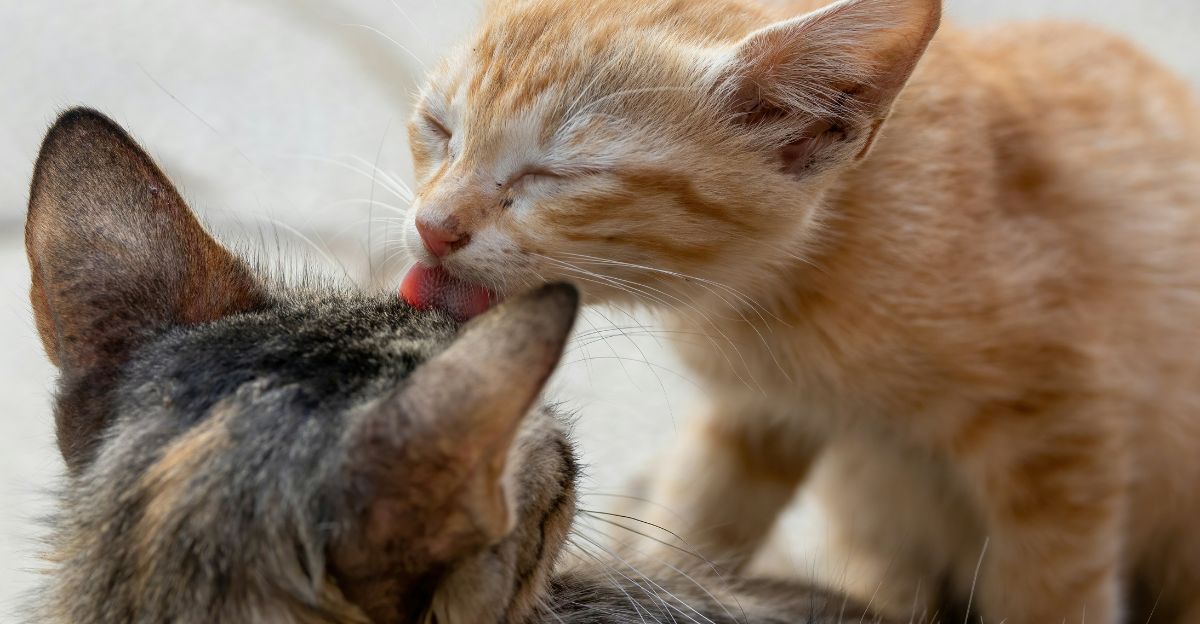
Have you ever watched your cat carefully licking another cat and wondered why they do it? It might seem strange at first, but there’s a lot more going on than just cleaning fur.
When your cat grooms another cat, it’s a powerful way they show trust, bond, and communicate. Understanding this behavior can help you get closer to your furry friends and keep their relationship happy and healthy. Keep reading to discover the surprising reasons behind this sweet act and what it means for your cats’ connection.

Credit: www.youtube.com
Social Bonding
Cats grooming each other is a clear sign of social bonding. This behavior goes beyond cleanliness. It shows trust, comfort, and connection between cats. Grooming helps cats build and maintain strong relationships in their social groups.
Strengthening Relationships
Grooming strengthens the bond between cats. It is a way to show care and affection. Cats often groom those they feel close to. This mutual grooming creates a sense of security and friendship. It also helps reduce stress and tension in the group. When your cat grooms another, it means they trust and like each other.
Family And Pack Behavior
Grooming is part of natural family and pack behavior. In the wild, cats groom relatives to keep the group united. This behavior helps maintain peace and cooperation. It also signals respect and loyalty within the group. Domestic cats keep this instinct alive. Grooming shows they see each other as part of their family or pack.

Credit: tryfurgo.com
Stress Relief
Cats groom each other not just to clean but to ease tension. Grooming helps lower stress by releasing calming hormones. It acts as a natural way for cats to feel safe and relaxed.
Calming Effects
Grooming triggers the release of endorphins in cats. These natural chemicals reduce anxiety and create a sense of calm. When one cat grooms another, it spreads these calming effects between them. This shared activity builds trust and reduces nervous energy.
Comfort In Uncertain Situations
Cats often groom each other during times of change or stress. New environments, loud noises, or unfamiliar animals can make cats uneasy. Grooming helps them cope by providing comfort and reassurance. It reminds them they are not alone and strengthens their bond.
Territory Marking
Cats groom each other to share their scent and mark their territory together. This behavior builds trust and shows a strong bond between them. Grooming helps keep peace and signals they belong to the same group.
Cats are fascinating creatures with complex social structures, and one of their intriguing behaviors is grooming each other. This seemingly simple act holds deeper meanings, especially in terms of territory marking. When your cat grooms another, it’s not just a gesture of affection. It’s a strategic move to mark territory and foster a sense of community among feline friends.Scent Sharing
Cats have a unique way of identifying each other and their surroundings through scent. By grooming, they transfer their individual scents onto each other. This scent sharing creates a familiar environment that reassures them of their shared space. Imagine coming home to find your cats grooming each other. It’s their way of saying, “We’re part of the same team.” This shared scent helps reduce stress and establishes a sense of security.Establishing Group Identity
When cats groom each other, they are forming a group identity. This behavior is common in multi-cat households where a social hierarchy exists. Each grooming session reinforces their role within the group. Have you noticed how a new cat in the house might not be groomed immediately? It’s because grooming is a privilege and a sign of acceptance. Over time, as the new cat becomes part of the group, grooming sessions become more frequent, signifying their integration into the family. Isn’t it intriguing how such a simple act can carry so much significance? Your cats are not just cleaning each other; they’re creating bonds and marking their shared territory. These grooming rituals are vital for maintaining harmony and cooperation in their mini-society.Health Benefits
Watching one cat groom another isn’t just a cute moment—it actually plays a key role in keeping both cats healthy. Grooming helps maintain cleanliness and supports their overall skin condition. Understanding these health benefits can help you appreciate why your cats spend so much time on this behavior.
Removing Dirt And Parasites
When your cat licks another, it’s more than just affection. The grooming action physically removes dirt, dust, and loose fur that can accumulate on their coat. This reduces the chance of irritations and infections caused by debris left on the skin.
More importantly, this behavior helps control parasites like fleas and ticks. Cats use their tongues, which have tiny hook-like structures, to pick out these pests. Have you noticed your cat focusing on the neck or behind the ears? These spots are common hiding places for parasites.
Promoting Skin Health
Grooming stimulates blood circulation in the skin. This increased flow promotes healthier skin and fur growth. It also helps spread natural oils produced by the skin, which keep the coat shiny and waterproof.
Think about how your cat’s fur looks after a grooming session—it often appears smoother and less tangled. Regular grooming between cats prevents dry, flaky skin and can even reduce allergic reactions caused by dust or pollen trapped in fur.
Hierarchy And Dominance
Cats live in a social structure where hierarchy plays a crucial role. Grooming another cat often goes beyond cleanliness—it’s a way to express dominance or submission within their group. Understanding these grooming behaviors can help you read your cats’ social dynamics and prevent misunderstandings.
Displaying Social Rank
Dominant cats often groom others to reinforce their higher status. This behavior sends a clear message: “I’m in charge.”
You might notice the dominant cat approaching first and choosing where to groom, often targeting the head and neck—areas hard for a cat to reach alone. This subtle control shows who leads the social order.
Have you seen one cat patiently grooming another while the other stays still? That calm acceptance usually means the groomed cat acknowledges the groomer’s higher rank.
Submissive Grooming
On the flip side, some cats groom others to show submission and build trust. This act can ease tensions and promote peace within the group.
Submissive grooming might look like gentle licking or nuzzling, often directed at the dominant cat’s face or ears. It’s a way for your cat to say, “I accept your place in our family.”
Recognizing this can help you spot when your cats are resolving conflicts or strengthening bonds naturally. Have you noticed grooming sessions that seem one-sided but calm? That’s often a sign of respect, not just affection.
Mimicking Maternal Care
When your cat grooms another cat, it often mirrors behaviors rooted in maternal instincts. This act is more than just keeping clean—it’s a way cats show care and build social bonds. Understanding this helps you see your cats’ relationship in a new light.
Mother Cat Behavior
Mother cats spend a lot of time grooming their kittens. This grooming keeps the kittens clean and helps regulate their body temperature. But it also teaches kittens about social interaction and trust.
Your cat might be copying this behavior with another cat, especially if they have a close bond. Grooming can be a sign that your cat sees the other as part of their family group. Have you noticed if your cat grooms the other more after stressful events? This can be their way of offering reassurance.
Comfort And Security
Grooming another cat often creates a sense of comfort. It’s like a calming ritual that helps reduce anxiety for both cats involved. This mutual grooming can even help establish peace in multi-cat households.
Think about how you feel when someone helps you relax after a tough day. Your cats might be doing the same for each other. Watching this can give you clues about their emotional state and how secure they feel in their environment.
When Grooming Becomes Excessive
When grooming between cats turns from occasional to constant, it can signal something deeper than just affection. Excessive grooming might mean your cat is dealing with stress, anxiety, or even health issues. Recognizing this shift early helps you support both cats before problems escalate.
Signs Of Stress Or Anxiety
Watch for these signs in your cats if grooming becomes too frequent:
- Repeated licking or bitingthat leaves bald spots or sores.
- Restlessnessor pacing around the house.
- Avoidanceof their usual spaces or hiding more often.
- Changes in appetiteor litter box habits.
One of my cats started obsessively grooming her friend after a loud thunderstorm. She was clearly unsettled, and her constant licking was both a comfort and a stress release. That behavior was a clear sign she needed extra attention and calm surroundings.
When To Seek Help
If you notice wounds, persistent bald patches, or your cats seem distressed, it’s time to act. Consulting a vet can rule out skin problems or allergies. They might also recommend calming supplements or behavioral strategies.
Don’t wait until the grooming causes injury or fights break out. Have you observed your cats’ grooming habits lately? Could their behavior be telling you they need help?

Credit: www.companionanimalpsychology.com
Frequently Asked Questions
Why Does My Cat Groom Another Cat?
Cats groom other cats to strengthen social bonds and show affection. This behavior, called allogrooming, helps reduce stress and builds trust within their group.
Is Grooming Between Cats A Sign Of Friendship?
Yes, grooming between cats usually indicates a strong friendship. It shows they feel safe and comfortable with each other, reinforcing their social connection.
Can Grooming Prevent Fights Between Cats?
Yes, grooming helps reduce tension and prevent conflicts. It promotes harmony by calming cats and establishing peaceful relationships in multi-cat households.
Does Grooming Help Cats Stay Healthy?
Grooming helps cats remove dirt, loose fur, and parasites. When cats groom each other, they assist in maintaining cleanliness and overall health.
Conclusion
Cats grooming each other shows trust and friendship. It helps them feel calm and safe together. This behavior builds strong bonds between cats. Watching them groom can be very comforting for owners. Each cat has its own way of showing care.
Understanding this helps you know your pets better. Keep observing to see how your cats interact. Their grooming tells a story of love and connection. It’s a natural, healthy habit that keeps them close. Trust your cats to communicate in their own way.

Leave a Reply