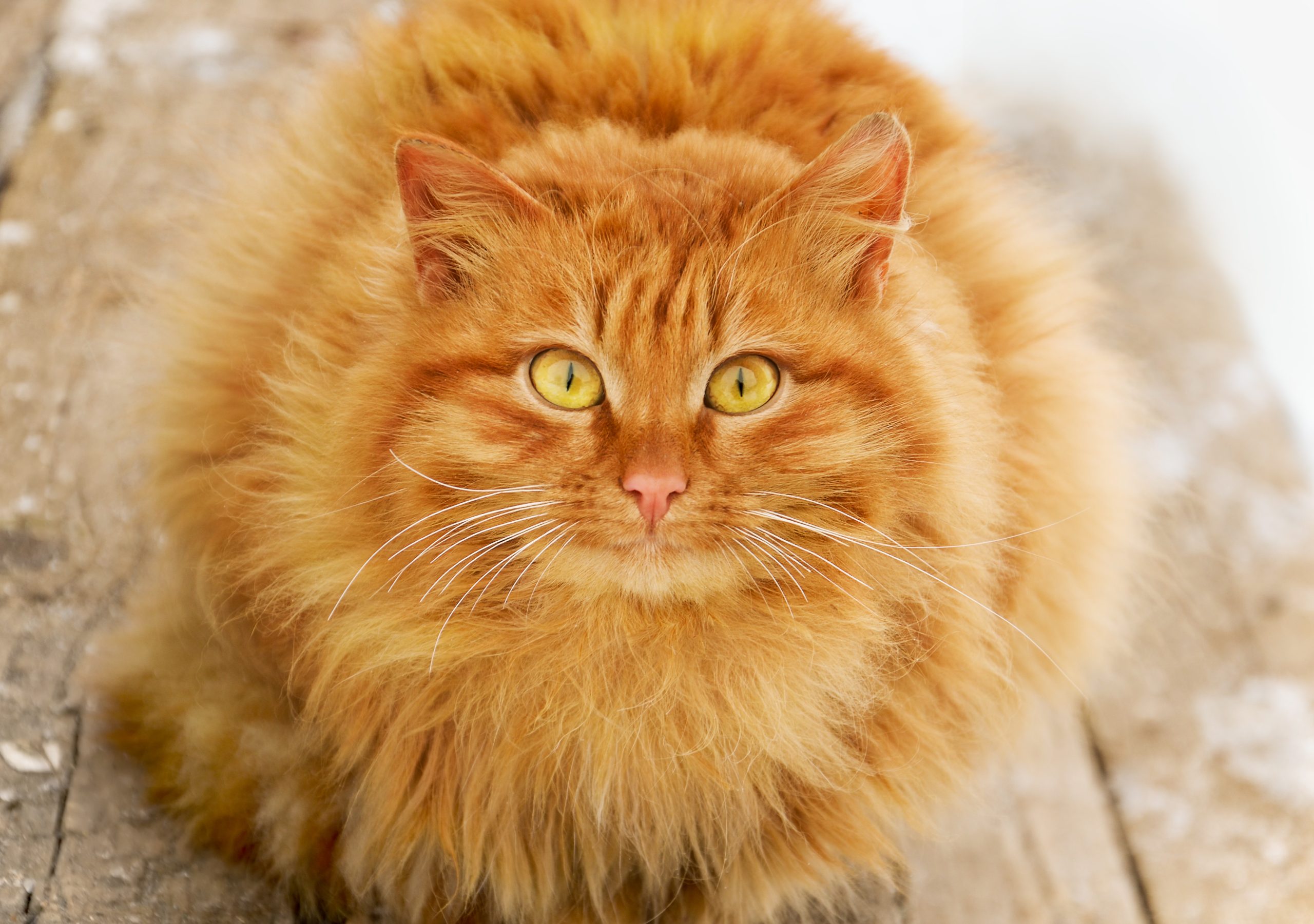
Is your cat spending too much time licking and biting its fur? Over grooming can lead to painful skin issues and leave your furry friend uncomfortable.
You might wonder why your cat is doing this and how you can help. You’ll discover simple, effective ways to stop your cat from over grooming and keep them happy and healthy. Keep reading to find out what causes this behavior and what you can do right now to protect your pet.
Credit: www.purina.com
Causes Of Over Grooming
Over grooming in cats happens for many reasons. It can cause hair loss, skin damage, and pain. Understanding the causes helps to stop this behavior early. Cats may groom too much because of physical problems or emotional stress. Below are the main causes that lead to over grooming.
Stress And Anxiety
Stress is a common cause of over grooming. Cats feel anxious from changes in their environment. Moving to a new home, loud noises, or new pets can trigger stress. Grooming becomes a way to calm themselves. This behavior can grow into a habit that is hard to break.
Allergies And Skin Issues
Allergies cause itching and irritation. Cats with allergies lick and scratch to ease discomfort. Food ingredients, pollen, or dust can cause allergies. Skin problems like dryness or rashes also lead to over grooming. Identifying allergies helps reduce the urge to groom excessively.
Parasites And Infections
Fleas, mites, and ticks cause itching and irritation. These parasites make cats groom more to relieve the itch. Skin infections from bacteria or fungi also cause discomfort. Treating parasites and infections stops the over grooming cycle. Regular check-ups keep cats healthy and itch-free.
Behavioral Problems
Some cats develop grooming habits from boredom or loneliness. Lack of stimulation leads to repetitive grooming. This can be a sign of deeper behavioral issues. Providing toys, playtime, and attention reduces over grooming. Behavioral therapy may be needed in severe cases.
:strip_icc()/the-kitty-1011094438-5c3d1af5c9e77c00015e66a6.jpg)
Credit: www.thesprucepets.com
Identifying Over Grooming Signs
Spotting the signs of over grooming in your cat early can save them from discomfort and health issues. It’s not always easy to tell when your cat’s grooming habits have crossed the line from normal to excessive. Paying close attention to changes in their behavior and appearance helps you act before the problem worsens.
Excessive Licking
You might notice your cat licking one spot more than usual. This repetitive licking can seem harmless at first, but it often indicates stress, allergies, or skin problems. If your cat spends long periods focused on a specific area, it’s time to take a closer look.
Ask yourself: Has your cat’s grooming routine changed suddenly? Cats typically groom themselves regularly, but if it becomes intense and persistent, this is a warning sign you shouldn’t ignore.
Bald Patches
One clear sign of over grooming is the appearance of bald patches. These areas show where your cat has removed fur through constant licking or biting. Bald spots often appear on the belly, legs, or near the tail.
Seeing your cat’s fur thinning or falling out in patches can be alarming. Don’t wait for these signs to spread; bald patches tell you that your cat’s skin is under stress and needs attention.
Skin Irritation
Check your cat’s skin for redness, swelling, or sores. Over grooming can cause raw or inflamed patches that hurt your cat and can lead to infections. Skin irritation is often a direct result of constant licking or biting.
Touch your cat gently in suspected areas to see if they react with discomfort or sensitivity. This simple step can reveal hidden pain and help you decide if a vet visit is necessary.
Environmental Adjustments
Environmental adjustments play a key role in stopping cats from over grooming. Cats react strongly to their surroundings. Small changes can reduce anxiety and promote healthy behavior. Focus on creating a calm and engaging space for your cat. This supports their mental and physical health.
Reduce Stress Triggers
Stress often causes cats to groom too much. Remove loud noises and sudden changes in the home. Keep a regular routine for feeding and playtime. Avoid overcrowding the space with too many pets or people. Use calming products like pheromone diffusers to ease anxiety.
Create A Comfortable Space
Provide a quiet, cozy area for your cat to relax. Soft bedding and hiding spots make cats feel safe. Place their food and water bowls nearby but not too close to the litter box. Keep this space clean and free from distractions. A secure environment helps reduce over grooming caused by fear or discomfort.
Provide Enrichment Activities
Boredom leads to over grooming. Offer toys that stimulate hunting instincts, like feather wands or laser pointers. Rotate toys regularly to keep your cat interested. Puzzle feeders encourage mental activity while slowing down eating. Scheduled play sessions strengthen your bond and keep your cat busy.
Diet And Nutrition Changes
Over grooming in cats can stem from dietary issues. Adjusting their diet can help. Proper nutrition supports skin health and reduces stress. This can lead to less grooming behavior. Explore different food options and supplements.
Hypoallergenic Food Options
Some cats have food allergies that cause skin irritation. Switching to hypoallergenic food can help. These foods contain limited ingredients. They avoid common allergens like chicken, beef, and grains. Look for foods with novel proteins. Options like duck or venison are good.
Supplements For Skin Health
Supplements can improve your cat’s skin condition. Omega-3 fatty acids are beneficial. They reduce inflammation and soothe skin. Fish oil or flaxseed oil are good sources. Vitamin E is another helpful supplement. It promotes healthy skin and fur.
Medical Treatments
Medical treatments play a key role in stopping cats from over grooming. This behavior can signal health issues that need professional care. Proper diagnosis and treatment help ease discomfort and restore your cat’s well-being.
Veterinary Checkups
Regular vet visits are essential for cats that over groom. A vet can find hidden problems like allergies or infections. Early diagnosis prevents serious health issues. The vet also checks your cat’s skin and fur condition carefully.
Medications And Topical Treatments
Vets may prescribe medications to reduce itching and inflammation. These include antihistamines, steroids, or antibiotics. Topical creams or sprays help soothe irritated skin. Follow the vet’s instructions exactly for best results.
Parasite Control
Parasites like fleas cause intense itching and lead to over grooming. Use vet-approved flea treatments and preventatives regularly. Keeping your cat free from parasites stops the cycle of itching and licking. Check your cat’s coat often for signs of pests.
Behavioral Interventions
Behavioral interventions help manage a cat’s over grooming by changing their focus and reducing stress. These methods encourage positive habits and keep cats mentally active. They reduce boredom and anxiety, which often cause excessive grooming. Using simple techniques can make a big difference in your cat’s comfort and health.
Redirecting Attention
Redirecting attention helps distract your cat from over grooming spots. Offer toys or treats when you notice grooming starting. Introduce new toys regularly to keep interest high. Use puzzle feeders to stimulate their mind and slow eating. Change play areas or add climbing spaces for variety. These actions shift focus from grooming to fun activities.
Interactive Playtime
Interactive playtime strengthens your bond and reduces anxiety. Spend at least 10 to 15 minutes daily playing with your cat. Use wand toys or laser pointers to mimic hunting. This exercise tires them out and lowers stress. Consistent play improves mood and lessens the urge to over groom. Try different toys to find what excites your cat most.
Using Calming Aids
Calming aids help create a peaceful environment for your cat. Use pheromone diffusers to reduce stress signals. Herbal supplements like chamomile or valerian may soothe anxiety. Soft music or white noise can mask disturbing sounds. Provide cozy hiding spots for your cat to feel safe. These aids support behavioral changes and improve well-being.
When To Seek Professional Help
Knowing when to seek professional help is key to stopping your cat’s over grooming. Some signs show the problem is more serious than normal behavior. Early action helps prevent lasting harm and discomfort for your cat.
Signs Of Severe Problems
- Hair loss in large patches or open wounds on skin
- Redness, swelling, or bleeding from constant licking
- Changes in your cat’s mood or activity level
- Excessive grooming that lasts for days without improvement
- Repeated vomiting or signs of pain while grooming
These signs suggest your cat may have allergies, infections, or stress issues. A vet can diagnose and treat these conditions properly.
Choosing A Specialist
- Look for a veterinarian with experience in feline dermatology
- Seek a vet who understands behavioral causes of over grooming
- Ask for recommendations from trusted pet owners or shelters
- Check online reviews and credentials before booking
- Consider a vet who offers allergy testing or stress management
A qualified specialist can create a treatment plan tailored to your cat’s needs. This ensures faster recovery and better comfort.
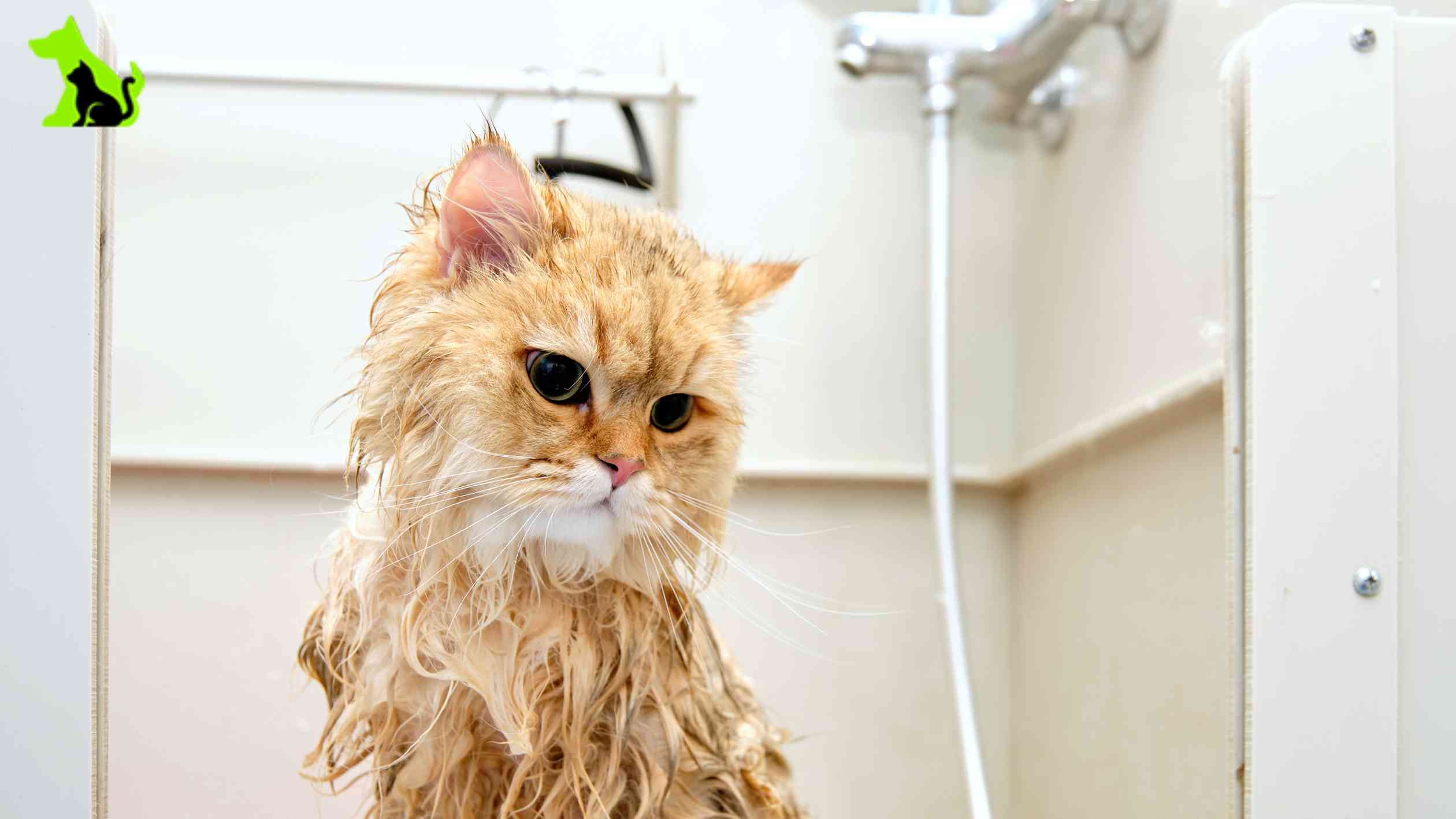
Credit: hellopetsinc.com
Frequently Asked Questions
What Causes Cats To Over Groom Themselves?
Cats over groom due to stress, allergies, parasites, or skin infections. It can also be caused by boredom or anxiety. Identifying the root cause helps in providing the right treatment and preventing further over grooming.
How Can I Reduce My Cat’s Grooming Anxiety?
Reduce grooming anxiety by providing a calm environment and regular playtime. Use pheromone diffusers or calming sprays. Consult a vet for behavioral advice and possible medication if anxiety persists.
Are There Specific Treatments For Cat Over Grooming?
Yes, treatments include medicated shampoos, allergy management, and parasite control. Behavioral therapy and environmental enrichment also help. A vet can prescribe medications if necessary.
Can Diet Affect A Cat’s Grooming Behavior?
Yes, poor diet can cause skin issues leading to over grooming. Ensure your cat has a balanced diet rich in essential fatty acids. Consult your vet for dietary recommendations.
Conclusion
Cats over grooming can signal stress or health issues. Watch your cat’s behavior closely. Provide a calm and safe space for your pet. Try gentle play and regular vet visits. Use soft brushes to help soothe your cat’s skin. Keep your cat’s diet balanced and rich in nutrients.
Small changes can make a big difference. Your care helps your cat feel happy and relaxed. Stay patient and consistent with your approach. Healthy habits prevent over grooming and keep cats comfortable.



Leave a Reply