Have you ever noticed your cat start grooming right after you pet him? It might seem puzzling or even a little funny.
But there’s more to this behavior than meets the eye. Understanding why your cat does this can help you connect with him better and keep him happy. Keep reading to discover the surprising reasons behind this common cat habit—and what it means for your bond with your furry friend.
Cat Grooming Behavior
Cats have unique grooming habits that often puzzle their owners. After petting, many cats start licking or cleaning themselves. This behavior is a natural part of how cats care for their bodies. Understanding why cats groom after being petted helps build a stronger bond with them. It also reveals important details about their instincts and health.
Natural Grooming Instincts
Cats groom themselves instinctively. This behavior comes from their wild ancestors. Grooming helps cats stay clean and safe. It removes dirt, loose fur, and parasites. Petting can leave scents or oils on their fur. Cats lick themselves to restore their natural smell. This is part of their survival instinct. It keeps them from standing out to predators or prey. Grooming also calms cats and reduces stress after close contact with humans or other animals.
Self-cleaning Process
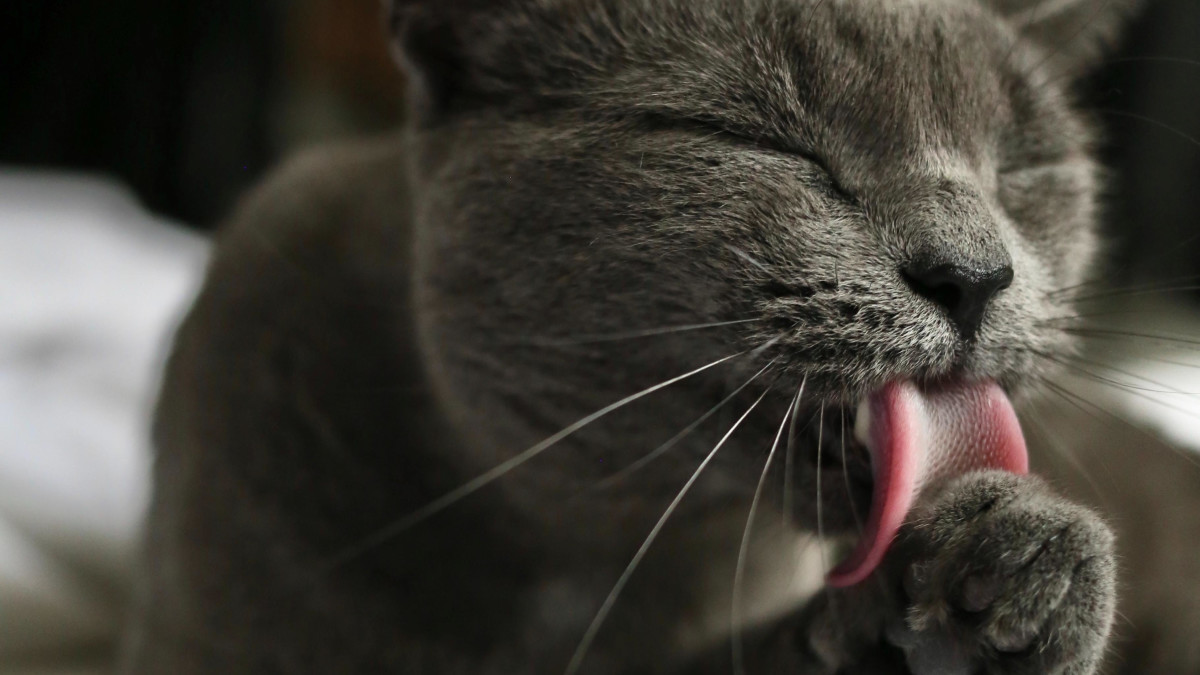
Grooming is a key self-cleaning process for cats. Their tongues have tiny, hook-like structures. These hooks catch loose fur and dirt. Licking spreads natural oils that keep fur soft and shiny. The process helps regulate body temperature too. After petting, cats often groom to remove any residue left by hands. This keeps their coat healthy and free from irritants. Grooming also stimulates blood flow and helps heal minor wounds or scratches. It is a vital part of their daily routine for hygiene and comfort.
Petting And Sensory Reaction
Have you noticed your cat grooming right after you pet him? This behavior is more than just cleanliness—it’s a direct response to the sensory experience your touch provides. Understanding this reaction can deepen your connection with your furry friend and help you recognize how they process affection.
How Touch Affects Cats
Touch is a powerful sense for cats. When you pet your cat, you activate sensitive nerve endings in their skin. These nerves send signals to their brain, creating a mix of comfort and alertness.
Your cat’s response to your touch depends on where and how you pet them. Some areas, like the base of the tail or behind the ears, are packed with nerve endings that can trigger strong reactions. Have you ever noticed your cat suddenly turning to lick a spot you just touched? That’s their sensory system reacting.
Stimulating Grooming Reflex
Petting can trigger a grooming reflex in cats. This reflex is an automatic response where your cat feels the need to clean the area you just stroked. It’s their way of reinforcing their scent and maintaining their coat.
Grooming after petting also helps your cat calm down. The repetitive licking releases endorphins, making them feel relaxed and happy. Next time your cat grooms after you pet him, watch closely—it’s their way of managing the sensory overload and showing contentment.
Marking Territory Through Grooming
When your cat grooms right after you pet them, they’re doing more than just cleaning. They’re marking their territory in a unique way. This behavior helps your cat feel secure by mixing their scent with yours, creating a shared space that feels familiar and safe.
Scent Transfer Mechanism
Cats have scent glands located on their cheeks, paws, and forehead. When you pet your cat, you activate these glands, causing your cat to transfer their unique scent onto you.
After being petted, your cat licks themselves to spread their scent further across their fur. This grooming helps blend your scent with theirs, reinforcing the idea that you belong in their territory.
Have you noticed your cat rubbing their face on furniture after you pet them? That’s another way they spread their scent to mark the area as “safe” and “theirs.”
Social Bonding Signals
Grooming after petting is also a social signal. It tells other cats and animals around that you and your cat have a close bond. Your cat is essentially saying, “This human is part of my group.”
This behavior strengthens the trust between you and your cat. When your cat grooms after petting, it’s their way of showing comfort and acceptance of your presence.
Think about how your cat behaves with strangers versus you. Grooming after petting usually happens only with those they trust, highlighting the special connection you share.
Stress And Comfort Responses
Cats often groom themselves after being petted to feel safe and calm. This behavior helps them manage stress and stay comfortable. Grooming acts like a soothing habit that reassures your cat after close contact.
Cats are fascinating creatures with unique behaviors, and one intriguing habit is their grooming ritual after being petted. While it might seem puzzling, this behavior is often linked to their stress and comfort responses. Understanding why your cat grooms post-petting can enhance your bond and ensure their well-being.Grooming As A Calming Tool
Grooming is a natural way for cats to soothe themselves. After you’ve showered your cat with love and affection, they might feel the need to relax and return to their baseline comfort level. Grooming helps them do just that, providing a sense of control and calmness. Have you ever noticed your cat grooming more during a thunderstorm or when visitors are over? This is because grooming acts as a self-soothing mechanism, helping them manage anxiety and maintain emotional balance.Dealing With Overstimulation
Cats can easily become overstimulated by excessive petting or handling. Your affectionate strokes might be too much for them at times, and grooming helps them cope with the sensory overload. If your cat starts grooming immediately after a petting session, it might be their way of saying, “I need a moment to myself.” It’s their polite signal to give them space and let them decompress. Have you considered the types of petting your cat prefers? Being attentive to their reactions can prevent overstimulation and create a more enjoyable experience for both of you.Health And Hygiene Factors
Cats are very clean animals. Grooming helps them stay healthy. After petting, your cat may groom to keep its fur clean and fresh. This behavior has important health and hygiene reasons behind it.
Removing Residues From Petting
Human hands can leave oils, dirt, or lotions on a cat’s fur. Grooming helps your cat remove these substances. Cats use their tongues to clean their fur deeply. This keeps their coat soft and free from unwanted residues. It also prevents skin problems caused by foreign substances.
Detecting Skin Irritations
Grooming allows cats to feel their skin closely. They can find any redness, bumps, or irritation early. This helps them focus grooming on problem areas. Sometimes, petting may accidentally cause small scratches or discomfort. Grooming helps cats soothe these spots and check for any issues.
When Grooming Becomes Excessive
Sometimes, a cat’s grooming after being petted can go beyond normal behavior. Excessive grooming may signal stress or health issues. It is important to recognize when grooming turns into a problem. This helps keep your cat happy and healthy.
Signs Of Anxiety Or Discomfort
- Your cat licks the same spot repeatedly.
- There are bald patches or red skin areas.
- Grooming occurs more after petting sessions.
- Your cat avoids you or hides often.
- Tail flicking or ears pinned back during grooming.
These signs show your cat might feel anxious or uneasy. Stress can lead to over-grooming as a coping method. Watch your cat’s body language closely.
When To Consult A Vet
If grooming causes hair loss or skin wounds, seek veterinary advice. A vet can check for allergies, parasites, or infections. They may also evaluate your cat’s mental health. Early treatment prevents worsening symptoms. Do not wait until the problem gets worse. Your vet can guide the best care plan for your cat.
Frequently Asked Questions
Why Does My Cat Groom After Petting?
Cats groom after petting to calm themselves. Grooming helps reduce stress and resets their scent. It’s a natural way to feel secure and comfortable after human touch.
Is Grooming After Petting A Sign Of Anxiety?
Sometimes, yes. Grooming can indicate mild stress or nervousness. It’s a cat’s way to soothe itself if petting feels overwhelming or unfamiliar.
Does Grooming Mean My Cat Is Happy After Petting?
Grooming often signals contentment and relaxation. Cats clean themselves when they feel safe and comfortable, which can follow gentle petting.
Can Grooming After Petting Be A Health Issue?
Usually not. Grooming after petting is normal behavior. Excessive grooming may suggest skin irritation or anxiety, so monitor your cat if it increases.
Conclusion
Cats groom after you pet them to feel calm and clean. This behavior shows trust and comfort with you. Grooming helps them relax and stay healthy. It also helps them remove loose fur or dirt. Watching your cat groom after petting is a sign of a strong bond.
It means your cat feels safe and happy near you. Pay attention to this gentle habit. It tells a lot about your cat’s mood and feelings. Keep enjoying these quiet moments together. They make your connection even better.

Leave a Reply