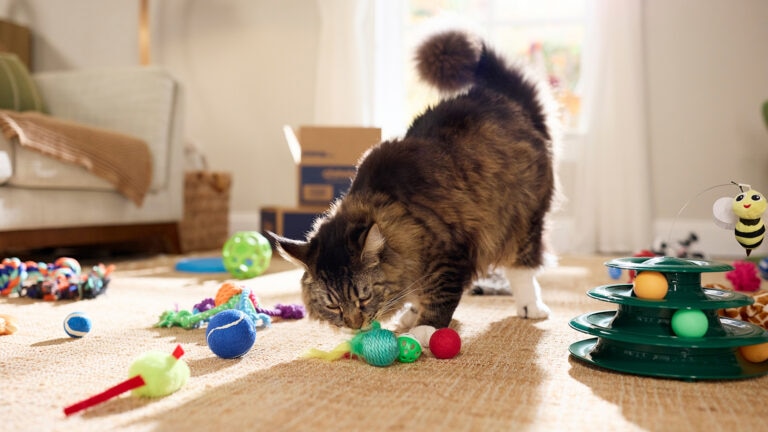
Have you ever wondered why your cat brings toys to you, almost like they’re offering a special gift? It’s more than just playtime—this behavior has a deeper meaning that connects you and your furry friend.
Understanding why your cat does this can change the way you see their actions and strengthen your bond. Keep reading, and you’ll discover surprising reasons behind this charming habit that will make you appreciate your cat even more.
Cat Play Behavior
Watching your cat bring you toys can be both amusing and puzzling. This behavior ties deeply into how cats play and interact with their environment. Understanding their play behavior helps you connect better with your furry friend and meet their needs effectively.
Natural Hunting Instincts
Cats are hunters by nature, even if your home is far from the wild. Bringing toys mimics the way they catch and carry prey in the wild.
Your cat’s toy is often treated like a captured mouse or bird. This shows their instinct to stalk, catch, and bring “prey” back to a safe place.
Have you noticed how your cat carefully carries a toy in their mouth? This simple act reveals a complex, instinct-driven behavior that keeps their skills sharp.
Importance Of Play For Cats
Play isn’t just fun for cats—it’s crucial for their mental and physical health. It helps them release energy, reduce stress, and stay agile.
When your cat brings toys to you, they may be inviting you to join in their playtime. Engaging with your cat using toys strengthens your bond and keeps them happy.
Ignoring this invitation can lead to boredom and unwanted behaviors. So, next time your cat drops a toy at your feet, consider it a call for interaction and care.

Credit: www.kittyhelpdesk.com
Reasons Cats Bring Toys
Cats have many reasons for bringing toys to their owners. This behavior is natural and shows their instincts and feelings. Understanding these reasons helps improve the bond between you and your cat. Toys are more than just playthings to cats. They can be gifts, calls for play, or ways to practice skills.
Sharing Their ‘catch’
Cats see toys as their prey or catch. Bringing toys to you means sharing their success. It is a way to show trust and love. They treat you like family or part of their group. This sharing is a natural behavior from their wild ancestors.
Seeking Attention
Sometimes cats bring toys to get your attention. They want to play or interact with you. This is their way of saying, “Look at me!” or “Play with me!” If you respond, they feel happy and connected. Ignoring them may make them try harder.
Practice Hunting Skills
Bringing toys helps cats practice hunting skills. They stalk, catch, and carry toys just like real prey. This keeps their mind sharp and body active. Even indoor cats need this practice to stay healthy. Toys become their way to keep natural instincts alive.
Types Of Toys Cats Prefer
Cats have clear preferences when it comes to the toys they bring around. Understanding the types of toys your cat prefers can help you keep them entertained and mentally stimulated. Their choices often reveal a lot about their natural instincts and personality.
Small And Movable Objects
Cats love toys that are easy to carry and move around. Small balls, bottle caps, or even crumpled paper catch their interest because they can bat them across the floor and chase after them. These objects are perfect for satisfying their hunting drive and give them a sense of accomplishment when they “capture” the toy.
Have you noticed your cat dragging a tiny item from one room to another? That’s their way of showing pride in their catch and sharing it with you or their favorite spot.
Toys Mimicking Prey
Feather wands, toy mice, and other items that imitate the movements and textures of prey are top picks for many cats. These toys stimulate their natural hunting instincts and encourage active play. The unpredictable movement of these toys keeps your cat alert and engaged.
Try experimenting with different textures or sounds to see which prey-like toys spark the most excitement in your cat. Do they prefer soft and fluffy, or something with a little crinkle?
Homemade Vs Store-bought Toys
Both homemade and store-bought toys have their place in your cat’s toy collection. Homemade toys can be simple and inexpensive, like a string tied to a stick or a paper bag. They often provide novelty and variety that your cat finds irresistible.
Store-bought toys, on the other hand, are designed specifically to appeal to cats and can include special features like catnip or interactive elements. Mixing both types keeps playtime fresh and exciting for your cat. Which type gets your cat’s attention more often?
How To Encourage Play
Encouraging your cat to play is more than just fun—it’s essential for their health and happiness. Play helps them stay active, reduces stress, and strengthens your bond. But how do you make playtime truly engaging for your feline friend?
Choosing The Right Toys
Not all toys catch a cat’s interest the same way. Some cats love toys that mimic prey, like feather wands or small, soft mice. Others prefer something to chase, such as balls or laser pointers.
Think about your cat’s personality and energy level. If your cat is shy, start with gentle toys they can bat around. If they’re adventurous, try toys that move unpredictably to keep them curious.
Interactive Playtime Tips
Playing with your cat directly strengthens your connection and keeps them mentally sharp. Use toys like wand teasers or ribbons to invite your cat to chase and pounce. Move the toy in short bursts to mimic real hunting behavior.
Keep play sessions short but frequent—around 10 to 15 minutes multiple times a day works well. Notice when your cat starts to lose interest and switch up the toy or activity to keep things exciting.
Creating A Stimulating Environment
Your cat’s environment can inspire play even when you’re not around. Add climbing shelves or a cozy window perch to give them new vantage points. A scratching post nearby encourages healthy stretching and play.
Rotate toys regularly so they don’t get bored with the same ones. Place toys in unexpected spots to spark their curiosity. Have you tried hiding treats inside puzzle toys to add a challenge?
When To Be Concerned
Cats bringing toys is usually normal, but watch for signs of stress or aggression. Sudden changes in behavior may need attention from a vet.
When your feline friend frequently brings you toys, it can be endearing and intriguing. However, there are times when this behavior might signal underlying issues that need your attention. Understanding when to be concerned can help ensure your cat’s well-being and strengthen your bond.Excessive Toy Hoarding
Does your cat stash toys in secret spots around the house? A few hidden treasures may be normal, but excessive hoarding could indicate stress or anxiety. Cats often hoard when they feel insecure or are trying to claim territory. Pay attention to how many toys your cat is hiding and whether this behavior is accompanied by other signs of stress, like changes in appetite or grooming habits.Changes In Play Behavior
Have you noticed a shift in how your cat plays with their toys? A once playful kitty suddenly ignoring their toys might be a red flag. Conversely, if a typically calm cat becomes hyperactive, it could suggest boredom or environmental stress. Monitor your cat’s energy levels and play preferences. Are they engaging with toys differently or not at all? Changes in play behavior can reveal much about their emotional state.Health-related Issues
Sometimes, bringing toys could be a sign of a health issue. If your cat starts bringing you toys more frequently and exhibits unusual behavior, it might be time for a vet visit. Watch out for symptoms like lethargy, weight loss, or changes in litter box habits. These could indicate medical conditions that need professional attention. In your journey as a pet parent, being attentive to these signals can make all the difference. Have you experienced these changes with your cat? Observing and understanding their behavior is key to ensuring they live a happy and healthy life.:strip_icc()/29739537_211406316282141_1631301267047317504_n-5ac103d1119fa800371a634a.jpg)
Credit: www.thesprucepets.com

Credit: www.feliway.co.uk
Frequently Asked Questions
Why Do Cats Bring Toys To Their Owners?
Cats bring toys to their owners as a way to share their hunting success. It’s a natural instinct to gift prey. This behavior strengthens the bond and shows affection. Toys mimic prey, so cats treat them as valuable catches.
Do Cats Bring Toys To Show Affection?
Yes, cats bring toys to express affection and trust. Sharing toys is a sign they view you as family. It also invites playtime, which is a social activity. This behavior helps deepen the emotional connection.
Is Bringing Toys A Sign Of Hunting Instinct?
Absolutely, bringing toys reflects a cat’s hunting instincts. Cats often “hunt” toys and bring them home. This mimics their natural behavior in the wild. It helps them practice skills and feel secure.
Why Do Cats Bring Dead Or Injured Toys?
Cats bring injured toys to simulate real prey they caught. It’s part of their natural hunting and survival behavior. This action shows their care and pride in their “catch. ” It also encourages interactive play with owners.
Conclusion
Cats bring toys to share their joy and show trust. This behavior reflects their natural hunting instincts. They also want to play and bond with their owners. Understanding why cats bring toys helps build a stronger connection. It shows they feel safe and happy around you.
Next time your cat brings a toy, remember it’s a gift. Enjoy these small moments and respond with love. This simple act deepens your friendship with your feline friend. Keep encouraging their playful side for a happy cat.




Leave a Reply