Have you ever watched your cat spend hours licking and cleaning itself and wondered, “Why does my cat groom a lot?” It’s natural to be curious about this behavior because grooming is more than just keeping clean.
Your cat’s grooming habits can tell you a lot about its health, mood, and well-being. If you want to understand what’s behind all that licking and how it affects your furry friend, keep reading. By the end of this article, you’ll know why your cat grooms so much and what it means for you both.

Credit: www.latimes.com
Normal Grooming Habits
Cats spend a lot of time grooming themselves. This behavior is natural and important. Grooming keeps their fur clean and healthy. It also helps cats stay comfortable and calm. Understanding normal grooming habits can ease your worries about your cat’s behavior.
Daily Grooming Routine
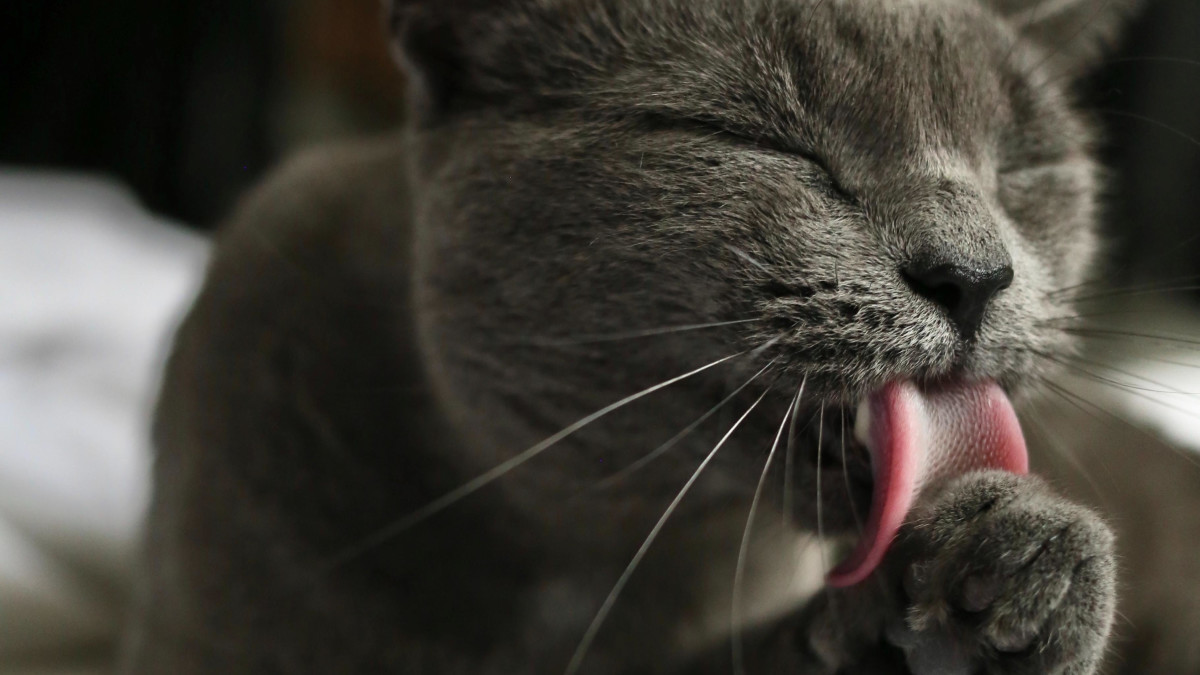
Cats usually groom several times a day. They lick their fur to remove dirt and loose hair. Their tongues have tiny, rough bumps that help clean and untangle fur. Grooming also spreads natural oils across their coat. This keeps fur soft and shiny.
Cats pay special attention to certain areas:
- Face and head
- Legs and paws
- Chest and belly
- Tail
This routine takes about 30 to 50 minutes daily, depending on the cat.
Benefits Of Grooming
Grooming has many benefits for cats. It helps prevent skin problems and removes loose fur. Grooming reduces the chance of parasites like fleas. It also cools the cat during hot weather. The act of grooming calms cats and lowers stress.
Through grooming, cats bond with themselves and sometimes with other cats. It is a sign of good health and well-being.
Breed Differences
Different cat breeds groom in different ways. Short-haired cats spend less time grooming than long-haired cats. Long-haired breeds need more grooming to prevent mats and tangles. Some breeds, like the Sphynx, groom to keep their skin clean since they have little fur.
Personality also plays a role. Some cats groom more due to anxiety or nervousness. Recognizing breed traits helps understand your cat’s grooming habits better.
Stress And Anxiety
Cats often groom themselves to stay clean and healthy. But when stress or anxiety strikes, grooming can become a coping tool. Excessive grooming may signal that a cat feels uneasy or overwhelmed. Recognizing the signs helps protect your cat’s well-being.
Signs Of Stress Grooming
- Hair loss or bald patches
- Red or irritated skin
- Frequent licking or biting in one area
- Restlessness or pacing
- Hiding or avoiding interaction
Common Triggers
- Changes in environment or routine
- Introduction of new pets or people
- Loud noises or sudden movements
- Separation from owners
- Health problems causing discomfort
Managing Stress In Cats
- Create a calm, safe space for your cat
- Maintain a regular feeding and play schedule
- Use calming products like pheromone diffusers
- Provide toys and scratching posts
- Consult a vet for persistent issues
Health Issues
Cats groom themselves to stay clean and comfortable. Excessive grooming can signal health problems. It is important to notice changes in your cat’s grooming habits. Health issues often cause cats to lick or scratch more than usual.
Skin Conditions
Skin problems cause itching and discomfort. Cats with dry, irritated, or inflamed skin groom a lot to soothe the area. Common skin issues include dermatitis and fungal infections. These conditions can lead to hair loss and sores. Watch for redness or flaky patches on your cat’s skin.
Allergies
Cats can develop allergies to food, pollen, or dust. Allergies trigger itching and skin inflammation. Your cat may lick or bite the irritated spots frequently. Allergic reactions can cause swelling and redness. Identifying the allergen helps reduce your cat’s discomfort.
Parasite Infestations
Parasites like fleas or mites cause intense itching. Cats try to remove these pests by grooming excessively. Flea bites lead to red bumps and hair loss. Mites cause scabs and crusty skin. Regular parasite checks prevent these infestations and keep your cat healthy.
Behavioral Causes
Cats often groom themselves more when they feel stressed or anxious. Excessive grooming can also be a way to seek comfort or cope with boredom. This behavior helps them calm down and feel safe.
Cats are known for their fastidious grooming habits, but sometimes, excessive grooming can hint at underlying behavioral causes. Understanding why your cat engages in this behavior can help you address it effectively. Let’s explore some common behavioral reasons for your cat’s grooming rituals.Compulsive Grooming
Compulsive grooming might be your cat’s way of dealing with stress or anxiety. Just like humans, cats can develop habits to cope with emotional discomfort. If you notice your cat grooming to the point of creating bald patches, it could be a sign of compulsive behavior. Think about recent changes in your home. New pets, moving, or even a shift in your schedule can stress your cat. Observing when and how often your cat grooms can give clues to its emotional state.Boredom And Attention Seeking
Is your cat often left alone? Boredom might be prompting the excessive grooming. Cats are curious creatures needing mental and physical stimulation. When they’re bored, they might groom excessively as a way to pass the time. Try introducing new toys or interactive play sessions to keep your feline friend entertained and engaged. Your cat might also be grooming excessively to gain your attention. Spend quality time with your cat to strengthen your bond and reduce this behavior.Environmental Factors
Sometimes, the environment itself can trigger excessive grooming. Changes in temperature or humidity might irritate your cat’s skin, prompting more frequent grooming sessions. Consider the products you use around the house. Certain cleaning chemicals or air fresheners can irritate your cat’s sensitive skin or cause allergies. Opt for cat-friendly options to create a comfortable environment. Does your cat have access to a comfortable space? A cozy bed or a perch by the window can provide a sense of security and reduce stress-induced grooming. Understanding these behavioral causes can empower you to make small changes that significantly improve your cat’s well-being. After all, a happy cat is a well-groomed cat!When To See A Vet
Excessive grooming in cats can signal health issues. Knowing when to see a vet protects your cat’s well-being. Early vet visits help catch problems before they worsen. Watch your cat’s behavior closely and act fast.
Warning Signs
- Hair loss or bald patches
- Red, swollen, or irritated skin
- Open sores or scabs
- Excessive licking or biting
- Sudden changes in grooming habits
- Signs of pain or discomfort
- Restlessness or anxiety
Diagnostic Tests
The vet will perform a physical exam first. Skin scrapings identify parasites or infections. Blood tests check for allergies or systemic illness. Allergy testing might be needed. Sometimes, a biopsy of skin is taken. These tests reveal the root cause of grooming issues.
Treatment Options
Treatment depends on the diagnosis. Parasites require medicated shampoos or medication. Allergies may need special diets or antihistamines. Skin infections often need antibiotics or antifungals. Stress-related grooming may require behavior therapy. Your vet will create a plan to stop excessive grooming and heal the skin.
Credit: pethelpful.com
Preventing Excessive Grooming
Excessive grooming in cats can be a sign that something in their environment or health isn’t quite right. It’s important to observe your cat’s behavior and take steps to prevent this habit from becoming harmful. Addressing the root causes early can help your feline friend feel more comfortable and reduce the need for over-grooming.
Environmental Enrichment
Is your cat bored or restless? Cats often groom excessively when they lack mental and physical stimulation. Adding toys, scratching posts, and interactive playtime can keep your cat engaged and distract them from over-grooming.
Try rotating different types of toys to keep things fresh. Puzzle feeders are a great way to challenge your cat’s mind and slow down eating, which can also reduce stress. Have you noticed how your cat’s behavior changes after play sessions?
Regular Vet Check-ups
Sometimes, excessive grooming is a response to pain or skin irritation. Regular vet visits can help catch allergies, parasites, or infections early before your cat starts licking or biting too much. Don’t wait for visible wounds; subtle signs like hair thinning or redness can be clues.
Keeping up with vaccinations and flea control also protects your cat from underlying issues that trigger grooming. Your vet can offer tailored advice based on your cat’s health history and behavior patterns.
Stress Reduction Techniques
Stress is a common trigger for over-grooming in cats. Have you thought about what might be stressing your cat out? Changes in the household, loud noises, or even a new pet can cause anxiety.
Creating a calm environment with safe hiding spots and consistent routines can make a big difference. Consider using calming pheromone diffusers or playing soft music to soothe your cat. Sometimes, simply spending quiet time together can help your cat feel more secure and less likely to groom excessively.
Credit: pethelpful.com
Frequently Asked Questions
Why Does My Cat Groom Excessively?
Excessive grooming in cats may signal stress, allergies, or skin issues. It’s their way of coping or relieving irritation. Observe behavior and consult a vet if grooming seems obsessive or causes bald patches.
Can Grooming Indicate A Cat’s Health Status?
Yes, grooming reflects a cat’s health. A healthy cat grooms regularly to stay clean. Sudden changes in grooming habits can indicate illness or discomfort requiring veterinary attention.
How Often Should A Cat Groom Itself Daily?
Cats typically groom themselves 30-50% of their waking hours. This routine keeps fur clean, controls parasites, and regulates body temperature. Significant deviations may suggest health or behavioral problems.
Is Grooming A Cat’s Way To Reduce Stress?
Yes, grooming helps cats reduce stress and anxiety. It releases endorphins, promoting calmness. Over-grooming might indicate high stress levels or environmental changes needing attention.
Conclusion
Cats groom a lot to stay clean and healthy. Grooming helps them cool down and feel calm. Sometimes, too much grooming means stress or health problems. Watch your cat’s habits closely. If grooming seems too much, ask a vet for help.
Understanding why your cat grooms helps keep them happy. Simple care and attention go a long way. Your cat’s grooming tells a story. Listen to it.

Leave a Reply