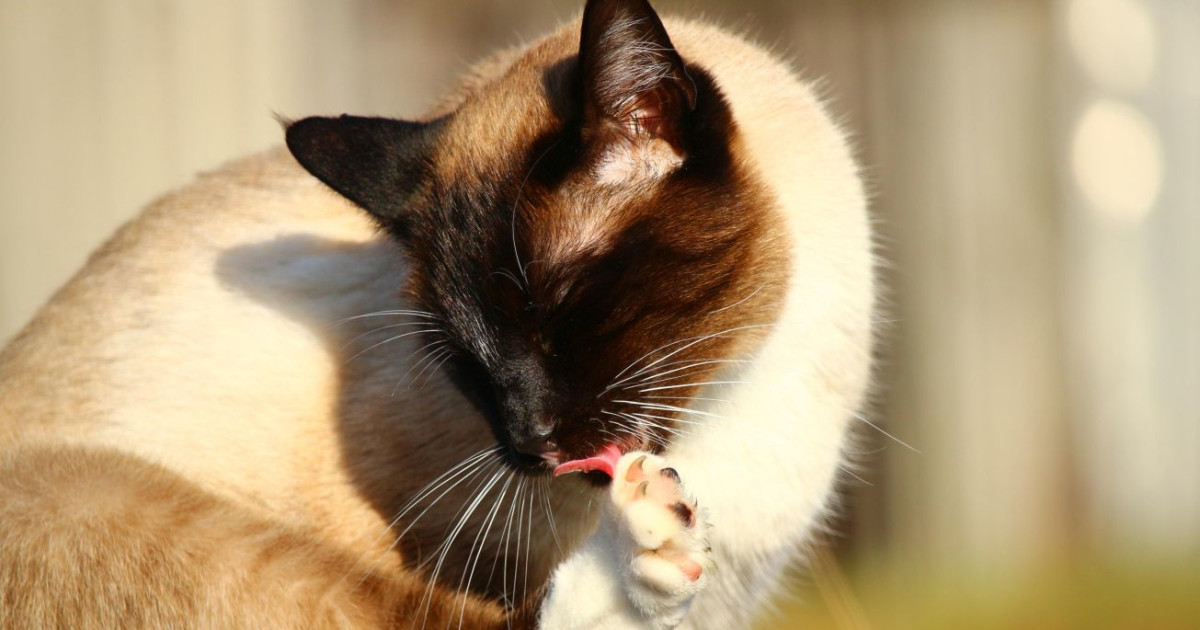
Have you ever noticed that some cats spend hours grooming themselves, while others barely lick a paw? If you’ve wondered why your feline friend seems obsessed with cleaning, you’re not alone.
Understanding why some cats groom more than others can reveal a lot about their health, mood, and personality. You’ll discover surprising reasons behind this behavior and learn how to tell if your cat’s grooming habits are normal or a sign of something more serious.
Keep reading to unlock the secrets behind your cat’s grooming routine—you might be amazed at what you find out!
Grooming Basics In Cats
Cats spend a surprising amount of time grooming themselves. This daily habit is more than just keeping clean—it plays a vital role in their health and behavior. Understanding the basics of cat grooming can help you recognize why some cats groom more than others and what it means for their well-being.
Purpose Of Grooming
Grooming in cats serves several important purposes. It helps remove dirt, loose fur, and parasites from their coat, keeping their skin healthy. Grooming also regulates body temperature by spreading natural oils across their fur.
But grooming isn’t just about hygiene. It acts as a stress reliever and a way for cats to comfort themselves. Have you noticed your cat grooming more when they seem anxious? That’s their way of calming down.
Typical Grooming Patterns
Most cats follow a consistent grooming routine throughout the day. They often start with their face and head, moving down to their body and legs. This order helps them clean hard-to-reach areas first, then cover larger surfaces.
- Short-haired cats tend to groom less frequently since their fur is easier to maintain.
- Long-haired cats spend more time grooming to prevent mats and tangles.
- Kittens learn grooming by watching their mother, so patterns can vary based on early experiences.
Have you seen your cat’s grooming habits change suddenly? That might signal health issues or stress. Paying attention to these patterns lets you spot problems early and help your furry friend stay happy and healthy.
Health Factors Influencing Grooming
Health plays a big role in why some cats groom more than others. Grooming helps cats keep clean and comfortable. But health issues can make cats lick or scratch more than usual. These problems often cause discomfort or irritation. Understanding these health factors can explain changes in grooming habits.
Skin Conditions And Irritations
Skin problems often cause cats to groom excessively. Conditions like dry skin or infections make cats scratch or lick a lot. These actions try to soothe pain or itchiness. Grooming can sometimes damage the skin further if the cat overdoes it. Watching for red or flaky skin can help spot these problems early.
Parasites And Allergies
Parasites like fleas are a common reason cats groom more. Flea bites cause intense itching and discomfort. Cats scratch and groom to remove fleas and ease the itch. Allergies to food or environment can also cause skin irritation. Allergy symptoms include redness, swelling, and frequent grooming. Both parasites and allergies need veterinary care to stop the cycle.
Pain And Discomfort
Pain from injuries or arthritis can lead cats to groom more. They may lick sore spots to relieve discomfort. Grooming can become a way to cope with stress or pain. Sometimes, cats focus on one area, causing hair loss or sores. Noticing these signs early helps get proper treatment and relief.
Behavioral Causes For Excessive Grooming
Stress and boredom often make cats groom themselves more than usual. Some cats use grooming to feel calm or pass time when they are anxious or lonely.
Behavioral causes often explain why some cats groom more than others. Grooming behavior can be influenced by several factors affecting a cat’s emotional and mental state. Understanding these factors can help identify the root of excessive grooming.Stress And Anxiety
Stress can lead to more grooming in cats. Changes in the environment, like moving or new pets, trigger anxiety. Cats may groom themselves to cope with stress. It’s a calming action for them. Observing changes in grooming can signal stress levels.Boredom And Lack Of Stimulation
Cats need mental and physical stimulation. Without it, they may groom excessively. Lack of toys or interaction causes boredom. Bored cats often fill their time by grooming. Introducing new toys can reduce this behavior.Compulsive Grooming
Sometimes, grooming becomes compulsive. This is more than just keeping clean. It becomes a habit difficult to break. Compulsive grooming can lead to skin issues. Identifying this behavior is essential for a cat’s health.Environmental Triggers
Environmental triggers can greatly influence how much your cat grooms. These triggers often stem from changes around them or interactions with other pets. Understanding these factors helps you recognize why some cats groom more and how you can support their well-being.
Changes In Surroundings
Cats are sensitive to shifts in their environment. Moving to a new home, rearranging furniture, or even loud noises can stress them out. This stress sometimes leads to excessive grooming as a coping mechanism.
Think about your own pet’s behavior after a big change. Did you notice more licking or scratching? Providing a calm, stable space with familiar scents can reduce stress and help balance their grooming habits.
Social Dynamics With Other Pets
The presence of other pets can also affect your cat’s grooming routines. If your cat feels threatened or anxious around a new dog or another cat, it might groom more to self-soothe.
On the other hand, grooming can be a social activity. Cats often groom each other to build bonds. If your cat is isolated or lacks social interaction, it might over-groom itself instead.
Have you observed changes in your cat’s grooming after introducing a new pet? Watching these interactions closely can offer clues and help you create a peaceful environment for all your furry friends.
Breed And Personality Differences
Cats show different grooming habits due to their breed and personality. Some breeds groom more because of their fur type or natural behavior. Personal traits also play a big role in how often a cat cleans itself. Understanding these differences helps explain why some cats are more fastidious groomers than others.
Genetic Influences
Breed traits affect grooming habits. Long-haired cats need more grooming to keep fur clean. Short-haired breeds groom less often. Genetics also influence skin type and oil production. These factors change how much grooming a cat requires.
- Sphynx cats groom more to remove oils from skin.
- Persians spend more time grooming because of thick fur.
- Bengal cats may groom less due to short, sleek coats.
Individual Temperaments
Personality shapes grooming behavior. Some cats are naturally neat and clean. Others groom less due to a calm or lazy nature. Stress or anxiety can increase grooming in some cats. Playful cats may groom less, focusing on activity instead.
- Curious cats often groom to relax after exploration.
- Timid cats may groom to soothe themselves.
- Confident cats might groom less frequently.
)
Credit: www.northroadvet.com.au
When To Seek Veterinary Help
Noticing your cat grooming more than usual can be worrying. While grooming is a natural behavior, excessive licking or scratching may signal health problems. Knowing when to seek veterinary help can protect your cat’s well-being and prevent further complications.
Signs Of Over-grooming Damage
Look closely at your cat’s skin and fur. Patches of missing fur, redness, or sores indicate over-grooming has caused damage. You might also see scabs, inflammation, or even bleeding in severe cases.
Behavior changes like constant scratching or restlessness often accompany physical signs. If your cat starts avoiding playtime or seems stressed, these are red flags. Have you noticed your cat grooming until they have bald spots? That’s a clear sign to act.
Diagnostic Approaches
When you bring your cat to the vet, expect a thorough physical exam. The vet will check the skin, coat, and overall health to find underlying causes.
Tests might include:
- Skin scrapings to detect parasites like mites or fleas
- Allergy tests to identify food or environmental triggers
- Blood work to rule out hormonal imbalances or infections
These diagnostics help pinpoint why your cat grooms excessively. Have you considered if your cat’s environment has changed recently? Sometimes stress plays a big role.
Treatment Options
Treatment depends on the cause found. If parasites are the issue, your vet will prescribe topical or oral medications.
Allergies may require changes in diet or allergy medications. In cases of stress or anxiety, behavior modification and calming products can help your cat relax.
Sometimes, a combination of treatments is necessary. Your vet might also recommend special shampoos or creams to heal damaged skin. How quickly you act can make a big difference in your cat’s recovery.
Tips To Manage Excessive Grooming
Excessive grooming can lead to skin problems and discomfort for cats. Managing this behavior helps keep your cat healthy and happy. Simple changes in their environment and routine often reduce over-grooming. Pay attention to signs of stress or illness that may cause this behavior.
Environmental Enrichment
Provide toys and scratching posts to keep your cat busy. Rotate toys regularly to maintain interest. Create safe spaces where your cat can relax alone. Window perches offer visual stimulation from outside. Play interactive games daily to release energy and reduce boredom.
Stress Reduction Techniques
Maintain a calm and quiet home atmosphere. Use pheromone diffusers to create a soothing environment. Keep a consistent daily routine for feeding and playtime. Avoid loud noises and sudden changes in the household. Gentle petting and soft talking can comfort nervous cats.
Regular Health Checks
Schedule veterinary visits to rule out skin infections or allergies. Check for parasites like fleas that cause itching. Monitor your cat’s skin for redness or hair loss. Keep vaccinations and treatments up to date. Early detection of health issues prevents worsening grooming habits.
:strip_icc()/the-kitty-1011094438-5c3d1af5c9e77c00015e66a6.jpg)
Credit: www.thesprucepets.com

Credit: pennypaws.com
Frequently Asked Questions
Why Do Some Cats Groom Excessively?
Some cats groom excessively due to stress, anxiety, or medical issues. Over-grooming may signal allergies, parasites, or skin infections. Behavioral factors like boredom or obsessive tendencies also cause frequent grooming. Identifying the cause helps manage the behavior effectively.
How Does Grooming Affect A Cat’s Health?
Grooming keeps a cat’s coat clean and free of dirt. It also distributes natural oils for healthy fur. Regular grooming helps prevent skin infections and removes loose hair, reducing hairballs. It promotes overall hygiene and comfort for cats.
Can Stress Increase A Cat’s Grooming Habits?
Yes, stress often triggers increased grooming in cats. It acts as a self-soothing behavior during anxiety or environmental changes. Stress-induced grooming may lead to hair loss or skin irritation. Reducing stress can help normalize grooming habits.
Do Breed Differences Impact Grooming Frequency?
Breed differences affect grooming frequency and style. Long-haired breeds require more grooming to prevent matting. Some cats naturally groom less due to coat type or temperament. Understanding breed traits helps anticipate grooming needs.
Conclusion
Cats groom for many reasons. Some clean themselves more to stay healthy and calm. Stress or skin problems can make a cat lick often. Age and breed also play a role in grooming habits. Watching your cat’s grooming helps spot health issues early.
Understanding these differences improves your care for them. Every cat is unique, with its own habits. Pay attention to changes, and keep your cat happy. Simple care makes a big difference in their life.

Leave a Reply