Is your cat suddenly ignoring the litter box? It’s frustrating, and you might feel like giving up.
But don’t worry—you can fix this. Re potty training your cat is possible, and it’s easier than you think. You’ll discover simple, step-by-step tips to help your furry friend get back on track. Imagine a clean home and a happy cat again.
Keep reading to find out how to make it happen quickly and stress-free.
Signs Your Cat Needs Retraining
Noticing that your cat suddenly stops using the litter box can be frustrating and confusing. It’s a clear signal that your cat might need potty retraining. Recognizing the signs early helps you address the problem quickly before it becomes a habit.
Behavioral Changes To Watch
Pay attention if your cat starts spending more time near the litter box but doesn’t actually use it. This hesitation or frequent sniffing around the box can mean discomfort or confusion.
Another sign is if your cat begins scratching or digging in unusual places, like carpets or corners. Sometimes, a change in their usual routine or stress can cause this behavior.
You might also notice your cat acting restless or meowing more than usual, especially near the bathroom area. These subtle signals often indicate your cat is trying to tell you something is wrong.
Common Litter Box Issues
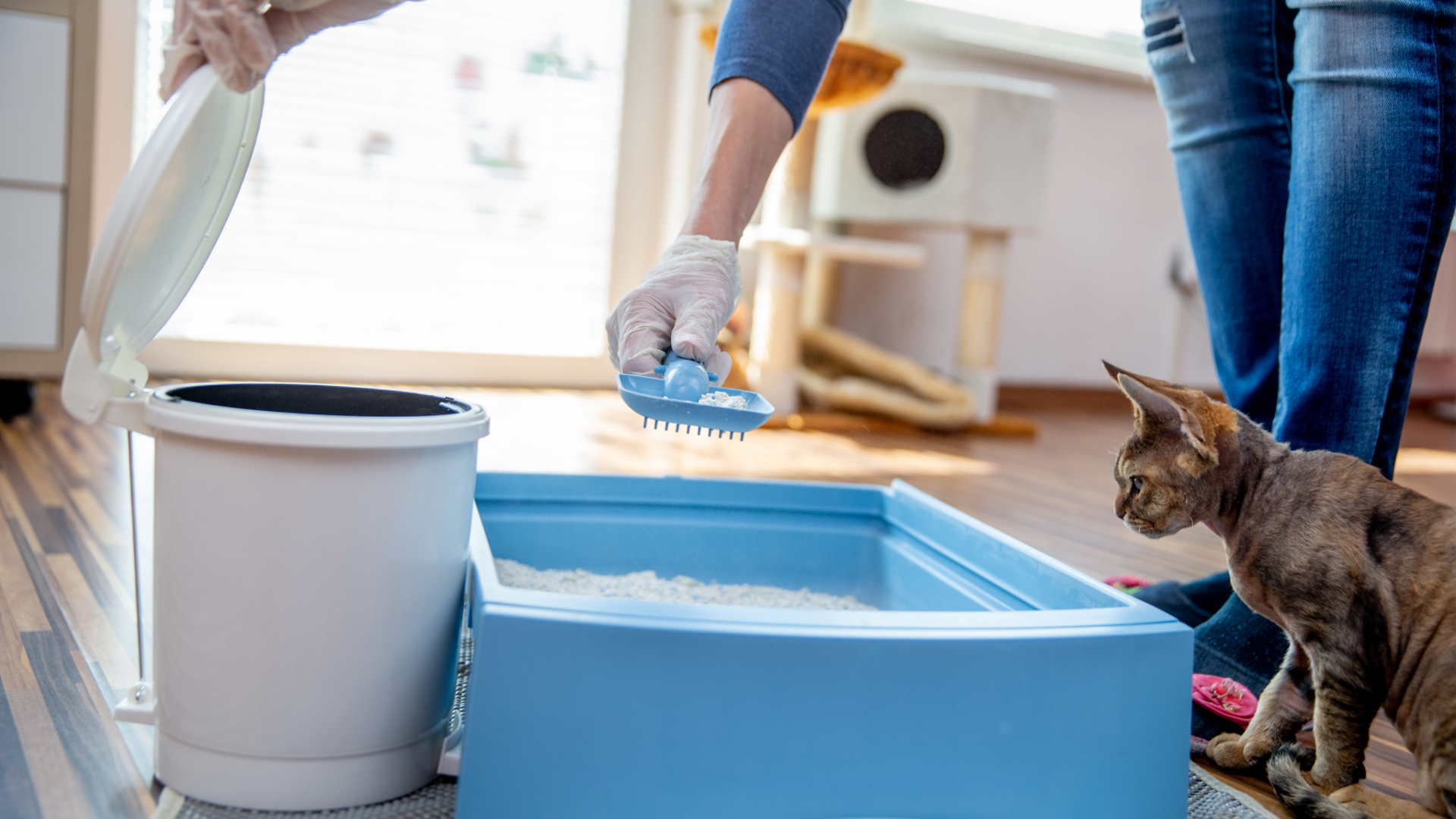
One of the most common issues is a dirty or smelly litter box. Cats are clean creatures; they avoid dirty spaces. Make sure you clean the box regularly to keep your cat comfortable.
Location matters too. If you’ve moved the litter box recently or if it’s in a noisy or hard-to-reach spot, your cat might avoid it. Consider placing the box in a quiet, accessible area.
Also, the type of litter can affect your cat’s willingness to use the box. Some cats dislike scented litters or certain textures. Experiment with different types to find the one your cat prefers.

Credit: www.purina.com
Choosing The Right Litter Box
Choosing the right litter box is a crucial step in re-potty training your cat. The box you pick can either encourage your cat to use it consistently or push them away. Paying attention to size, type, and placement will make the transition smoother for both you and your feline friend.
Size And Type Options
Your cat’s comfort depends heavily on the litter box size. A box that’s too small can frustrate your cat, while one too large might be intimidating. Ideally, the litter box should be at least 1.5 times the length of your cat from nose to tail.
Consider the type of litter box as well. Covered boxes provide privacy but can trap odors, which might deter your cat. Open boxes offer better ventilation but may feel exposed. Some cats prefer low-entry boxes that are easy to get in and out of, especially if they are older or have mobility issues.
Think about your cat’s personality and preferences. Have you noticed your cat avoiding the litter box before? It might be time to try a different style. Offering multiple types can help you identify what your cat likes best.
Placement Tips
Where you place the litter box can make or break your re-potty training efforts. Cats need a quiet, low-traffic area where they feel safe. Avoid placing the box near loud appliances or busy hallways.
Keep the litter box away from your cat’s food and water bowls. Cats naturally separate eating and elimination areas, so placing the box near their meals can discourage use. A calm corner, like a spare bathroom or laundry room, often works well.
Have you noticed your cat avoids certain spots? Try experimenting with different locations. Sometimes a small change in placement can lead to big improvements in litter box habits.
Selecting The Best Litter
Choosing litter your cat prefers helps ease the re-potty training process. Soft, unscented litter often feels more comfortable for cats. Experiment with different types to find what your cat likes best.
Selecting the best litter for your cat is a crucial step in re potty training. The right choice can ease the transition and encourage your feline friend to adopt new habits. But with countless options available, how do you know which one to choose?Types Of Cat Litter
Cat litter comes in various forms, each with its own benefits and drawbacks. Clumping clay is popular for its ease of cleaning, as it forms solid clumps when wet. Meanwhile, crystal litter absorbs moisture effectively and controls odor. On the other hand, biodegradable options like corn, wheat, and paper litters are eco-friendly and gentle on the environment. Consider what aligns best with your priorities—convenience, cost, or sustainability.Scented Vs Unscented
The debate between scented and unscented litter is a common one among cat owners. Scented litter can help mask odors, which might be appealing to you, but it can be off-putting for your cat. Cats have a much stronger sense of smell than humans and may find the added fragrance overwhelming. If your cat seems hesitant to use the box, an unscented option might be the solution. When I switched my cat to unscented litter, I noticed an immediate improvement in her willingness to use the box. Could your cat be telling you something similar? It’s essential to pay attention to your pet’s preferences to ensure a successful potty training experience.Cleaning And Maintenance
Cleaning and maintenance play a key role in re-potty training a cat. A clean litter box encourages your cat to use it consistently. Dirt, odors, or leftover waste can cause your cat to avoid the box. Keeping the area tidy helps your cat feel safe and comfortable. This section explains how often to clean and what products to use for best results.
Frequency Of Cleaning
Clean the litter box daily to remove clumps and waste. Scoop out solid waste and urine clumps each day. Change the litter completely at least once a week. Regular cleaning prevents bad smells and keeps the box inviting. A clean box reduces the chance of accidents outside the box.
Using Safe Cleaning Products
Choose cleaning products that are safe for cats. Avoid harsh chemicals like bleach or ammonia. These can irritate your cat’s nose and skin. Use mild soap and warm water to clean the box. Rinse thoroughly to remove any soap residue. Baking soda can help neutralize odors without harm. Always let the box dry before adding new litter.
Step-by-step Retraining Process
Retraining your cat to use the litter box again can feel challenging, but breaking it down into clear steps makes it manageable. The key is to create a consistent environment and reward good behavior. Let’s look at practical ways to set up a routine and use positive reinforcement to guide your cat back to proper potty habits.
Setting Up A Routine
Consistency is your best friend here. Start by placing the litter box in a quiet, accessible spot your cat already likes or frequents. Cats dislike sudden changes, so keep the box location steady during retraining.
Clean the litter box daily and scoop waste regularly. Cats prefer a clean area and will avoid a dirty box. Also, use the same type of litter your cat is used to; sudden changes in texture or scent can cause refusal.
Feed your cat at the same times each day. Predictable meal times often lead to predictable bathroom times. Monitor your cat’s behavior after meals and gently place them in the litter box to encourage use.
Ask yourself: Does your cat have easy access to the box at all times? If you have multiple floors or rooms, consider adding extra boxes. The goal is to make the litter box the obvious choice.
Positive Reinforcement Techniques
Reward your cat immediately after they use the litter box correctly. This could be with treats, gentle petting, or calm praise. The connection between the behavior and reward helps your cat learn faster.
Never punish accidents. Cats don’t understand punishment and may become fearful or confused, which worsens the problem. Instead, clean accidents thoroughly to remove odor and reduce repeat incidents in the same spot.
Use a clicker or a specific word like “good” to mark positive behavior. Consistent signals help your cat recognize when they’ve done something right. You might be surprised how quickly they respond to simple cues.
Try varying the treats to keep your cat interested. Some cats prefer small pieces of cooked chicken, others like commercial cat treats. Find what motivates your cat best and keep it ready.

Credit: www.youtube.com
Addressing Common Challenges
Re-potty training your cat can bring unexpected hurdles. Addressing these challenges early helps keep your cat calm and your home clean. Understanding common issues makes the process smoother for both of you.
Dealing With Accidents
Accidents are almost inevitable when re-potty training a cat. Instead of getting frustrated, see them as signals your cat needs more guidance or comfort.
Clean the area thoroughly with an enzyme cleaner to remove odors. This prevents your cat from returning to the same spot.
Try to observe patterns: Are accidents happening at certain times or places? Moving the litter box closer to these spots can help.
- Keep multiple litter boxes available, especially if you have more than one cat.
- Use litter types your cat prefers; some cats dislike scented or clumping litters.
- Make sure litter boxes are cleaned daily to encourage use.
Handling Stress And Anxiety
Cats are sensitive to changes and stress can cause potty setbacks. Your calm presence reassures your cat and encourages positive behavior.
Watch for signs of anxiety such as hiding, excessive grooming, or vocalizing. Addressing these early reduces stress-related accidents.
Consider adding calming aids like pheromone diffusers or soft background music. Creating a quiet, safe space near the litter box also helps your cat feel secure.
Have you noticed how your mood affects your cat’s behavior? Staying patient and consistent can make a significant difference in their comfort and progress.
When To Seek Professional Help
Knowing when to seek professional help is key in re-potty training a cat. Some signs show that expert advice is needed. These signs include persistent accidents, sudden changes in behavior, or health concerns. Acting quickly can prevent bigger problems.
Veterinary Advice
Visit a veterinarian if your cat suddenly stops using the litter box. Health issues like infections, bladder stones, or arthritis can cause this behavior. A vet can diagnose and treat these problems. They also check for pain or discomfort affecting your cat.
Regular health checks help rule out medical causes before changing training methods. Your vet may suggest tests or medications to support recovery. Early treatment often improves your cat’s comfort and litter habits.
Behavioral Specialists
Behavioral specialists help when medical issues are ruled out. They study your cat’s actions and environment. Stress, anxiety, or changes at home can cause potty problems.
Specialists create tailored plans to address these issues. They teach you how to reduce stress and encourage good litter habits. Behavioral help can save your relationship with your cat and improve training success.
Credit: www.petsradar.com
Frequently Asked Questions
How Long Does Re-potty Training A Cat Take?
Re-potty training duration varies from days to weeks. It depends on your cat’s age, habits, and consistency. Patience and routine are key to success.
What Supplies Are Needed For Re-potty Training?
You need a clean litter box, appropriate litter, and a quiet location. Consider using attractant litter and cleaning products that remove odors well.
How To Encourage A Cat To Use A New Litter Box?
Place the box in a quiet, accessible area. Show your cat the box and praise them when they use it. Keep the box clean to maintain interest.
Can Stress Affect A Cat’s Potty Behavior?
Yes, stress can cause accidents or avoidance. Changes in environment or routine can confuse your cat. Reduce stress with calm, consistent training and safe spaces.
Conclusion
Re-potty training a cat takes time and patience. Stay calm and consistent with your steps. Praise your cat for good behavior every day. Keep the litter box clean and in a quiet spot. Watch your cat’s habits closely and adjust if needed.
Small progress is still progress. Soon, your cat will use the litter box again. Remember, every cat learns in its own way. Keep trying, and success will come.

Leave a Reply