Have you ever watched your cat dig furiously in the litter box and wondered why they do it? It’s a behavior that can seem strange or even frustrating, especially if your cat’s digging feels excessive or messy.
But understanding why your cat digs can help you keep them comfortable and your home cleaner. You’ll discover the simple reasons behind this natural habit and learn how to make your cat’s litter box experience better for both of you.
Keep reading—you might be surprised by what your cat is trying to tell you.
Natural Instincts Behind Digging
Digging in the litter box is more than just a quirky habit your cat has picked up. It’s deeply rooted in their natural instincts, shaped by thousands of years of evolution. Understanding these instincts helps you see why your feline friend behaves this way and how you can better support their needs.
Territorial Behavior
Cats dig in the litter box to mark their territory. When they scratch the surface, they release scent glands located in their paws. This subtle scent lets other cats know that the area is claimed.
You might notice your cat digging more vigorously if there are other pets around. This behavior reassures them and keeps their territory defined. Have you ever wondered why your cat’s digging changes when you bring home a new pet?
Hiding Waste
One of the most obvious reasons cats dig is to cover their waste. In the wild, hiding waste helps avoid attracting predators. This instinct remains strong, even in your safe home.
If your cat digs but doesn’t seem to cover their waste completely, it might mean they feel threatened or stressed. Watching this behavior can give you clues about their comfort level with their environment. How well does your cat cover their waste, and what might that say about their feelings?
Burrowing Instincts
Cats have a natural urge to burrow and create a soft, comfortable spot. Digging in the litter box mimics this behavior, helping them prepare a cozy place for themselves. It’s similar to how they would dig in soil or leaves in nature.
This instinct also relates to their need to feel secure and in control. A well-maintained litter box with enough depth can satisfy this urge. Have you tried changing the type or amount of litter to see how your cat responds?
Credit: vetic.in
Litter Box Preferences
Cats dig in their litter box for many reasons. One key reason is their litter box preferences. Cats are picky about where they do their business. If their litter box doesn’t meet their needs, they may dig more or avoid it. Understanding these preferences helps keep your cat happy and clean.
Type Of Litter
Cats prefer certain types of litter over others. Some like clumping litter because it is soft and easy to dig in. Others prefer natural materials like wood or paper. Avoid scented litters as they can irritate your cat’s nose. Changing litter types suddenly may cause digging or refusal to use the box.
Box Size And Shape
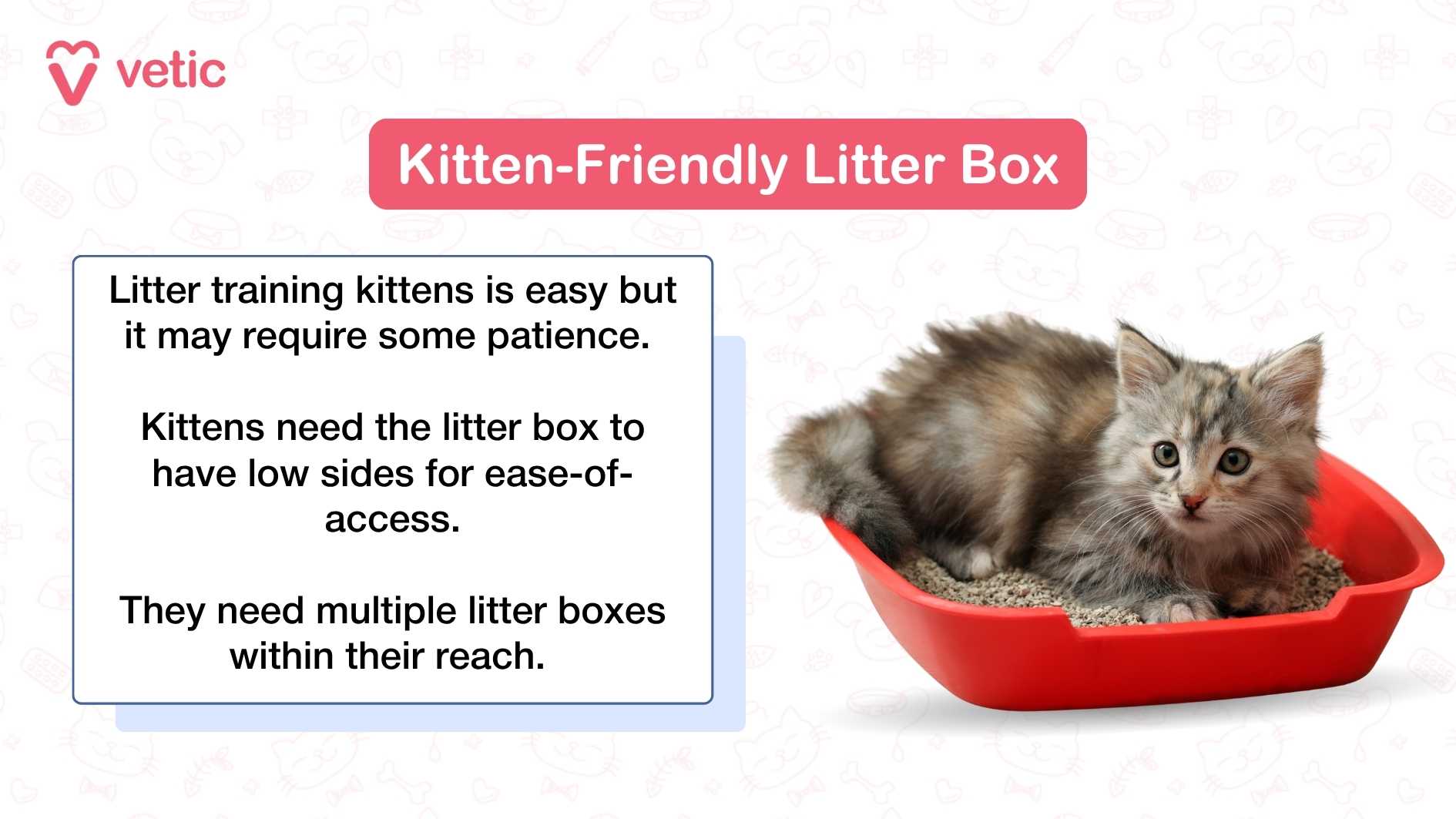
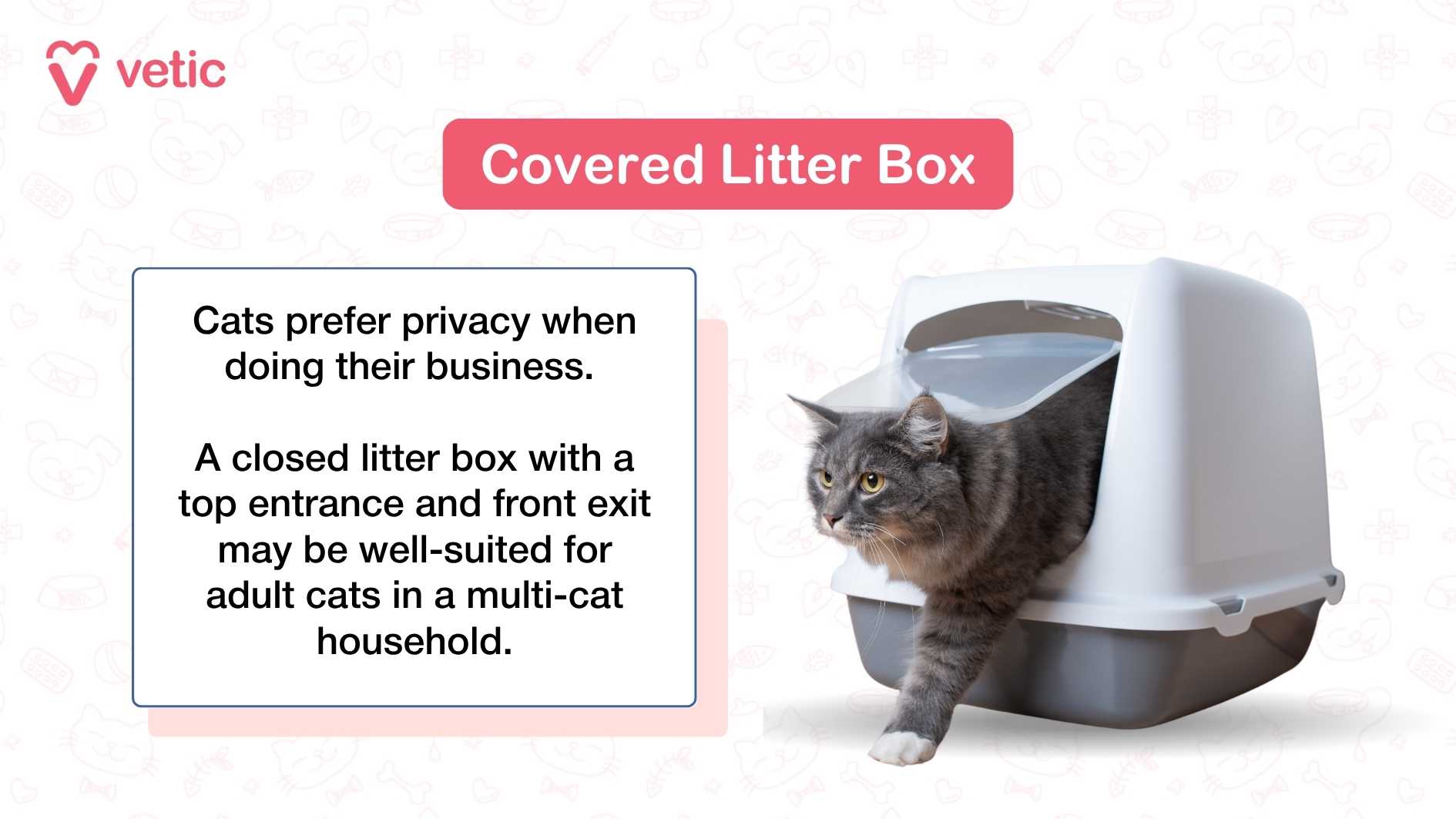
The size of the litter box matters a lot. Cats need enough space to turn around comfortably. Small boxes can make them dig more to find a good spot. The shape also plays a role; some cats like covered boxes, others prefer open ones. Match the box to your cat’s body size and preferences.
Cleanliness Factors
Cleanliness is very important to cats. Dirty litter boxes make cats dig more or avoid the box. Scoop waste daily and change litter regularly. Clean the box with mild soap and water to avoid strong smells. A clean box encourages healthy litter box habits and less digging.
Health-related Causes
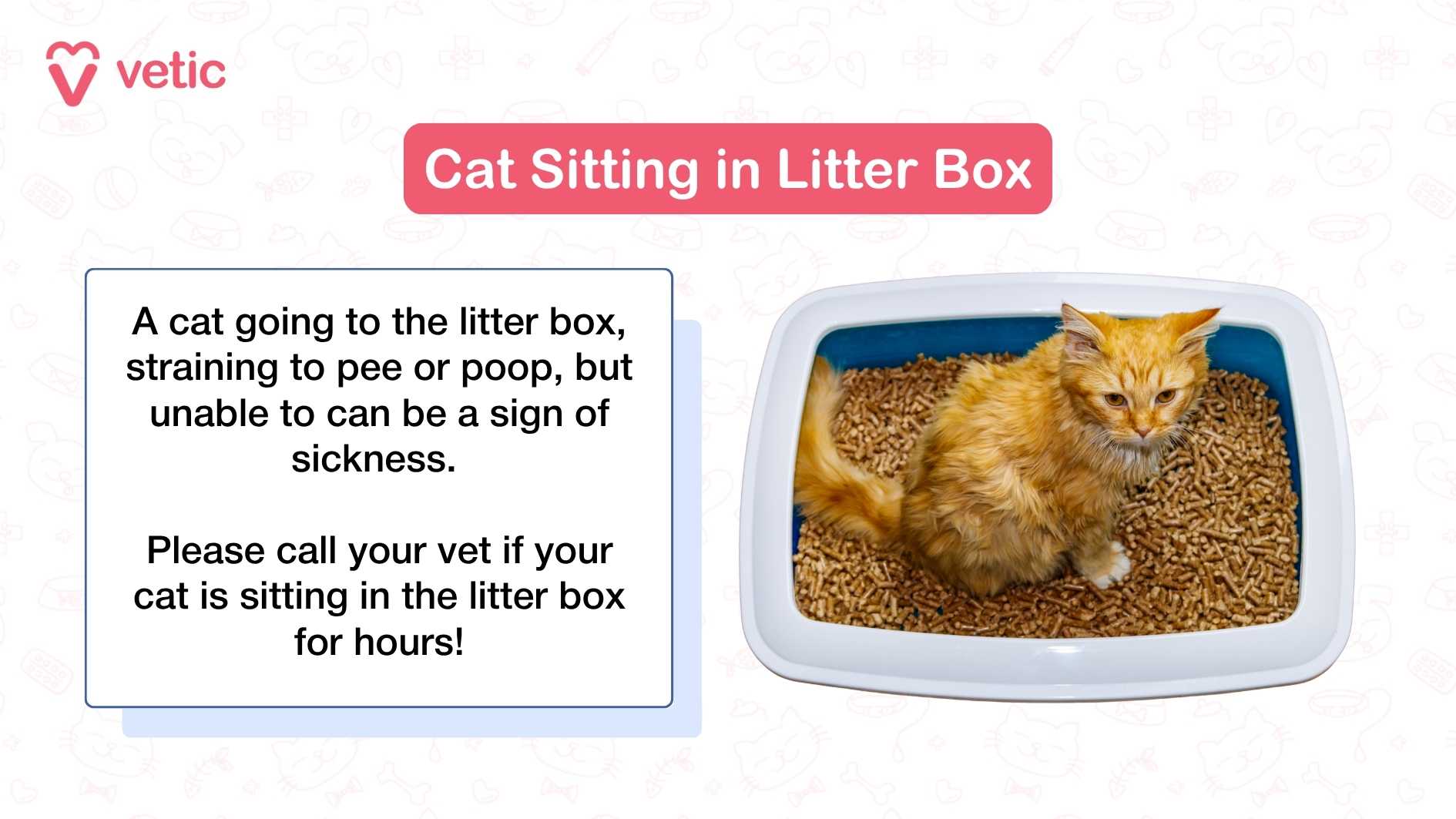
Cats may dig in the litter box due to health problems like urinary tract infections or digestive issues. Pain or discomfort often causes them to dig more than usual. Watching for other signs helps identify if a vet visit is needed.
Cats digging in their litter boxes can seem puzzling. Health-related causes often explain this behavior. Understanding the reasons can help address the issue effectively.Urinary Issues
Cats might dig due to urinary problems. Urinary tract infections are common in cats. They cause discomfort and frequent urination. Cats try to relieve this by digging in their litter. Bladder stones also lead to similar behavior. A vet check is important if you notice this pattern.Digestive Problems
Digestive issues can cause litter box digging. Constipation or diarrhea are frequent culprits. Cats might dig to find a comfortable position. They may also dig to cover up evidence of digestive distress. Observing changes in their litter habits helps identify these issues early.Stress And Anxiety
Stress impacts a cat’s behavior significantly. Digging in the litter box might result from anxiety. Changes at home or new pets increase stress levels. Cats use digging as a coping mechanism. Providing a calm environment can reduce this behavior. Recognizing stress triggers is crucial in helping your cat.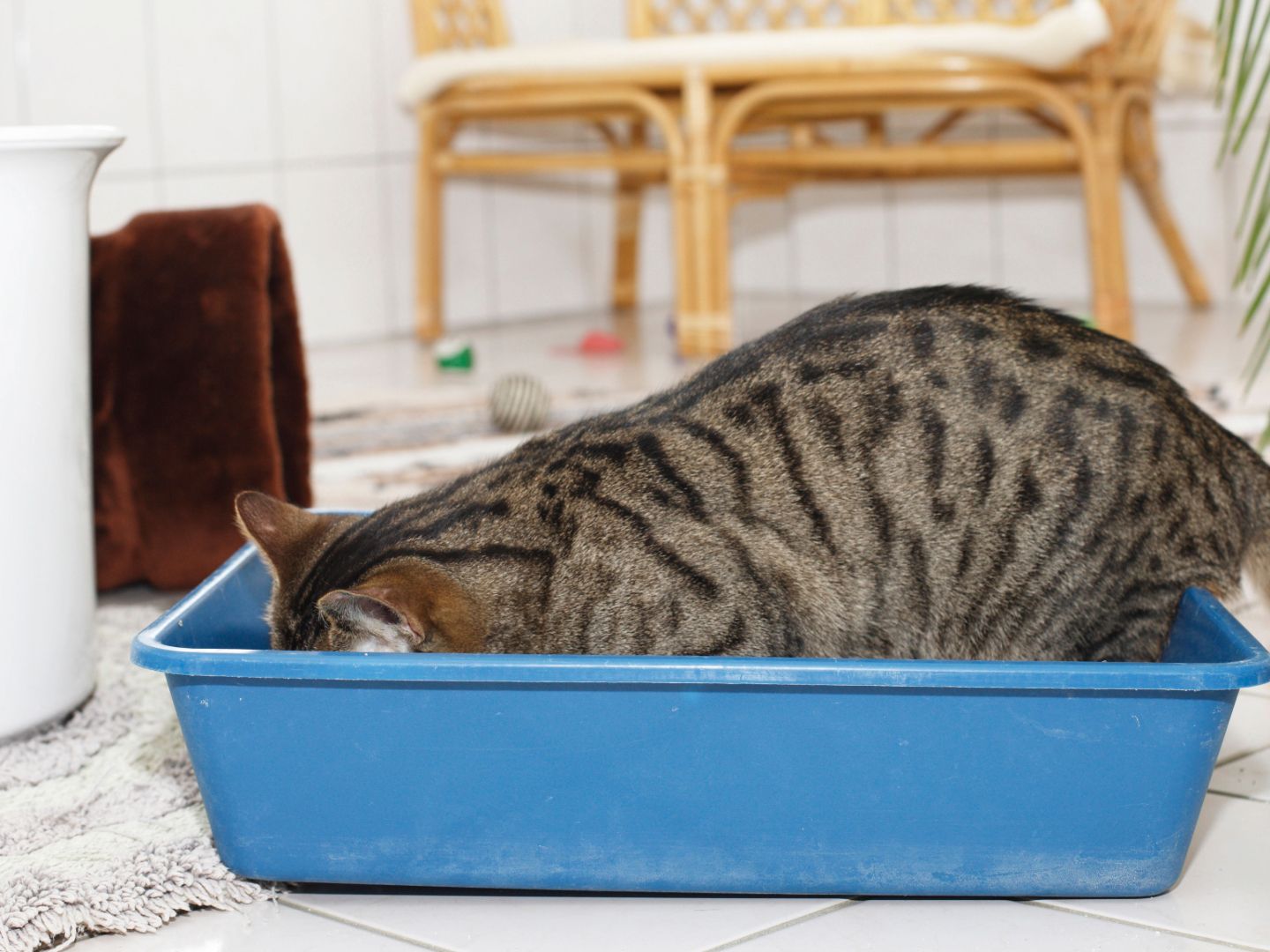
Credit: www.petsradar.com
Environmental Influences
Cats are sensitive to their environment. Changes around them can affect their litter box behavior. Digging in the litter box might be their way to cope with these shifts. Understanding environmental influences helps keep your cat comfortable and happy.
Changes In Surroundings
Moving furniture or adding new items can confuse cats. They prefer familiar spaces for their litter box. A new location or different type of litter may cause digging. Cats try to adjust by digging more to make the area feel safe. Keep the litter box spot consistent to reduce stress.
Other Pets’ Impact
Introducing new pets can make your cat uneasy. They may dig more to mark their territory. Competition for the litter box can also cause digging. Cats want to hide their scent from others. Providing multiple litter boxes can help avoid conflicts.
Noise And Distractions
Loud sounds or sudden movements can startle cats. This makes them dig quickly or anxiously. A noisy room near the litter box can cause stress. Cats seek quiet places to feel secure. Place the litter box in a calm, low-traffic area.
Behavioral Reasons
Cats dig in the litter box for many behavioral reasons. These actions often reflect their instincts and emotions. Understanding these behaviors helps owners respond better to their cats’ needs. Below are some key behavioral reasons why your cat digs in the litter box.
Attention-seeking
Sometimes cats dig in the litter box to get your attention. They may feel lonely or bored. Digging becomes a way to make you notice them. If your cat digs and then looks at you, it might want interaction.
Respond with gentle petting or play to satisfy their social needs. Ignoring this behavior can lead to more digging or other attention-seeking acts.
Play And Exploration
Cats are curious creatures. Digging in the litter box can be a form of play or exploration. The texture and movement of litter attract their interest. This activity keeps them mentally stimulated.
Providing toys and interactive play outside the litter box can reduce excessive digging. It helps redirect their energy to more appropriate outlets.
Marking Territory
Digging also serves as a way to mark territory. Cats have scent glands in their paws. When they dig, they leave their scent behind. This behavior signals ownership to other cats.
Territorial digging is natural, especially in multi-cat households. Keeping the litter box clean and in a quiet spot can help your cat feel secure.
Tips To Manage Excessive Digging
Excessive digging in the litter box can be frustrating. It may signal discomfort or stress in your cat. Managing this behavior helps keep your cat happy and your home clean. Small changes can make a big difference in how your cat uses the litter box.
Choosing The Right Litter
Select litter that feels soft and natural to your cat’s paws. Avoid scented litters if your cat shows sensitivity. Clumping litters make cleaning easier and reduce odors. Experiment with different types to find one your cat prefers. Some cats like fine-grain litter; others prefer coarser textures.
Maintaining Box Cleanliness
Clean the litter box daily to keep it fresh. Remove waste promptly to prevent odors and discomfort. Wash the box with mild soap once a week. Avoid strong-smelling cleaners that may scare your cat. A clean box encourages proper litter digging without overdoing it.
Providing Enrichment
Boredom can cause excessive digging in the litter box. Provide toys and playtime to keep your cat active. Offer scratching posts and climbing areas for exercise. Create a stimulating environment to reduce stress and anxiety. A happy cat digs less and feels more secure.
Credit: vetic.in
Frequently Asked Questions
Why Does My Cat Dig Before Using The Litter Box?
Cats dig instinctively to bury their waste. This behavior hides their scent from predators. Digging also helps them find a comfortable spot in the litter.
Can Digging In The Litter Box Indicate Stress?
Yes, excessive digging can signal stress or anxiety. Changes in environment or routine may cause this behavior. Monitor your cat’s habits for other stress signs.
Does Litter Type Affect My Cat’s Digging Behavior?
Absolutely. Cats prefer soft, fine-grained litter for digging and covering waste. Using the wrong litter type can discourage proper use or cause excessive digging.
How Often Should I Clean My Cat’s Litter Box?
Clean the litter box daily to reduce odors and maintain hygiene. Regular cleaning prevents over-digging caused by dirty or smelly litter.
Conclusion
Cats dig in the litter box for many simple reasons. They want to cover their waste or find a clean spot. Sometimes, they dig out of habit or to explore. Watching their behavior helps you understand their needs. Keep the box clean and in a quiet place.
This makes your cat feel safe and happy. Remember, a happy cat means a happy home. Small changes can make a big difference in their comfort. Trust your cat’s signals and respond with care.



Leave a Reply