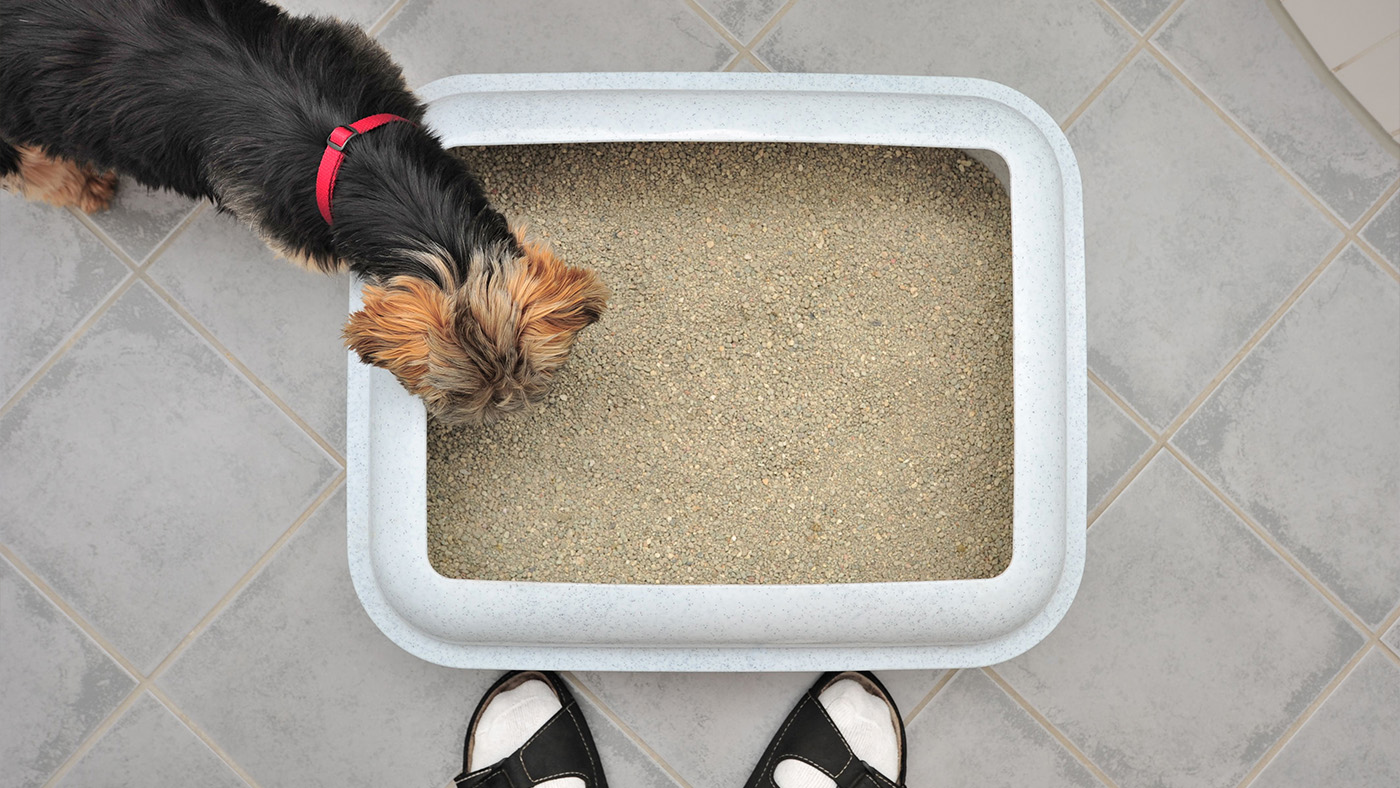
Training an older cat to use the litter box might seem challenging, but it’s completely possible—and worth the effort. If your furry friend has developed some bad habits or never learned to use the box properly, you’re not alone.
You want your home to stay clean, and your cat to feel comfortable and happy. In this guide, you’ll discover simple, effective steps that anyone can follow to help your older cat get back on track. Keep reading, and you’ll find out how small changes can make a big difference—for both you and your cat.
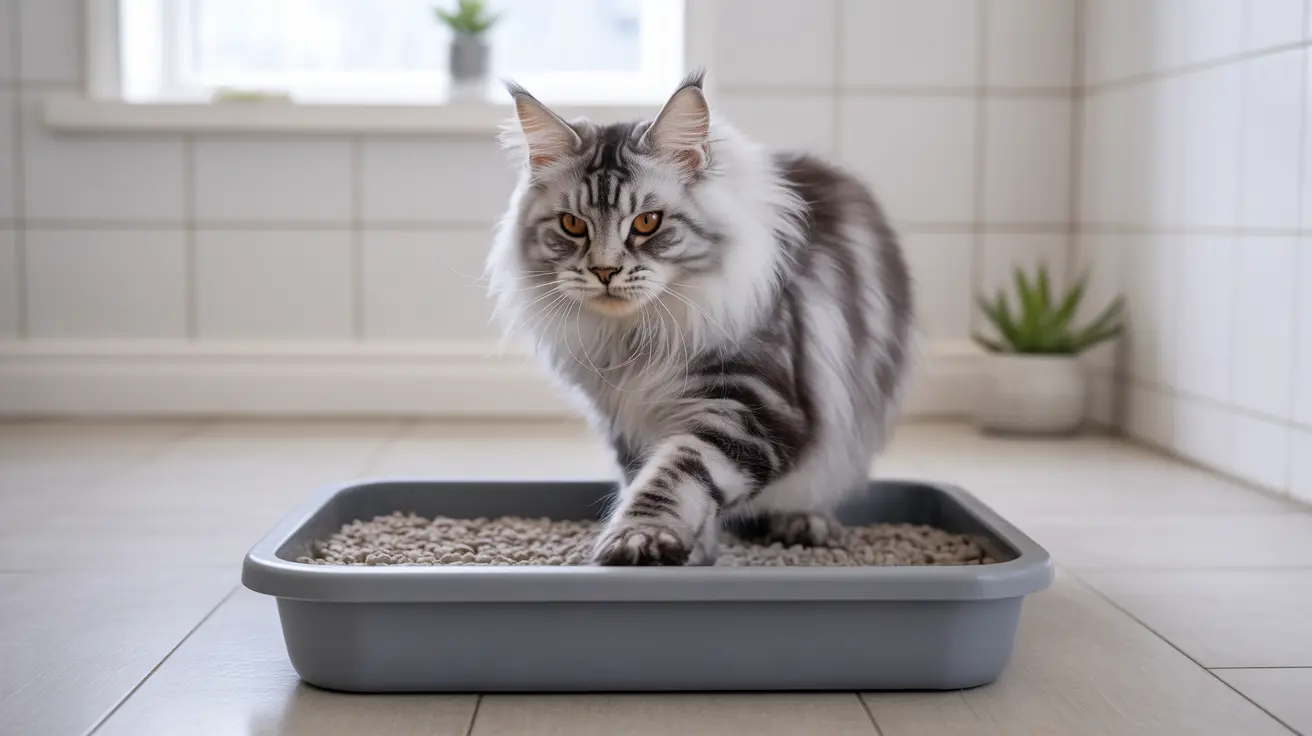
Credit: www.petscare.com
Reasons Older Cats Avoid Litter Boxes
Older cats may suddenly stop using their litter boxes, leaving you puzzled and frustrated. Understanding why this happens is the first step to solving the problem. Several factors, from health to environment, can cause your senior cat to avoid the litter box.
Medical Issues
Health problems are often the main reason older cats avoid the litter box. Conditions like arthritis can make it painful for your cat to climb in and out of the box. Urinary tract infections or kidney issues can cause discomfort or urgency, leading to accidents outside the box.
If your cat shows sudden changes in bathroom habits, a vet visit is crucial. Ignoring medical causes can make the situation worse and cause your cat stress.
Litter Box Preferences
Your cat might simply not like the litter box setup. Older cats may prefer a box with lower sides for easier access. The type or smell of the litter can also be off-putting. Cats can be very picky, especially as they age.
Try different types of litter and boxes to see what your cat prefers. Clean the box more often, since older cats tend to avoid dirty spaces. Have you checked if the box location is quiet and private enough for your cat’s comfort?
Stress And Environment
Stress can cause older cats to change their litter habits. Changes in the home, like new pets, visitors, or moving furniture, can unsettle your cat. Older cats may also feel vulnerable if the litter box is in a noisy or busy area.
Creating a calm and secure environment around the litter box can help. Sometimes, simply moving the box to a more peaceful spot makes a big difference. What small changes can you make in your home to reduce your cat’s stress?
Credit: www.petsradar.com
Choosing The Right Litter Box
Choosing the right litter box plays a huge role in training your older cat to use it consistently. Older cats often face mobility challenges or health issues that can make using a standard litter box difficult. Paying attention to details like size, litter type, and the number of boxes can make the difference between success and frustration.
Size And Accessibility
Older cats need a litter box that’s easy to get into and roomy enough for comfort. A box with low sides helps cats with arthritis or stiffness climb in without pain. Think about your cat’s size and agility—if your cat is larger or less flexible, a bigger, open box is better.
My own older cat stopped using the litter box until I switched to one with a low entrance. Suddenly, he was back on track. Could your cat be avoiding the box because it’s just too hard to access?
Litter Type Options
Not all litters are created equal, especially for older cats who may have sensitive paws or respiratory issues. Avoid rough, clumping litters that can irritate tender paws or dusty ones that cause sneezing.
- Try soft, unscented litters that feel gentle underfoot.
- Consider natural options like paper pellets or wood-based litters.
- Stay away from strong fragrances that might repel your cat.
Pay attention to what your cat prefers. Sometimes, simply changing the litter type can encourage your cat to use the box again.
Number Of Boxes
Do you have multiple cats or a large living space? Offering more than one litter box can reduce stress and accidents. Older cats especially appreciate having options close by.
A good rule to follow is one litter box per cat, plus one extra. This setup prevents territorial disputes and gives your cat easy access no matter where they are.
Have you noticed your cat avoiding the box because it’s too far away or already “claimed” by another pet? Adding another box could solve this issue quickly.
Preparing The Area
Training an older cat to use a litter box requires thoughtful preparation. Setting up the right environment can make a significant difference. Cats appreciate a clean, quiet, and private space for their litter box activities. Let’s explore how to prepare the area effectively.
Quiet And Private Location
Cats prefer privacy when using the litter box. Choose a quiet spot away from household noise. Avoid placing the litter box near noisy appliances. Keep it away from foot traffic. This encourages your cat to feel safe and relaxed.
Avoiding Common Deterrents
Identify and eliminate potential deterrents. Strong smells or loud noises may discourage your cat. Avoid placing the litter box near washing machines or dryers. Ensure the box is easily accessible for your older cat. Avoid obstacles that could hinder access. Regularly clean the area to keep it inviting.
Step-by-step Training Process
Training an older cat to use a litter box takes patience and care. The process breaks down into simple steps that help your cat feel safe and comfortable. Consistency and kindness guide your cat to develop good habits. Follow these steps to make the transition smooth.
Clean And Introduce The Box
Start with a clean litter box. Wash it with mild soap and warm water. Avoid strong smells that can scare your cat. Place the box in a quiet, accessible spot. Let your cat explore the box at their own pace. Show them where it is by gently placing them inside. Repeat this several times a day.
Encouraging Use With Positive Reinforcement
Reward your cat each time they use the box. Use gentle praise or soft petting. Offer a small treat after success. Keep a calm and happy tone. Avoid punishment or scolding. Positive feelings help your cat connect the box with good experiences. Maintain a regular feeding and litter box schedule.
Handling Accidents Calmly
Accidents happen. Stay calm and patient. Clean the area with an enzyme cleaner to remove smells. Avoid harsh chemicals or ammonia. Do not punish or shout at your cat. Instead, gently guide them back to the box. Observe for any signs of stress or health issues. Consistency and calmness help rebuild trust.
Maintaining Good Litter Box Habits
Maintaining good litter box habits is key to keeping your older cat comfortable and your home clean. Even if your cat already knows how to use the litter box, staying consistent with care helps prevent accidents and health issues. Your attention to small details can make a big difference in your cat’s daily routine and overall well-being.
Regular Cleaning Routine
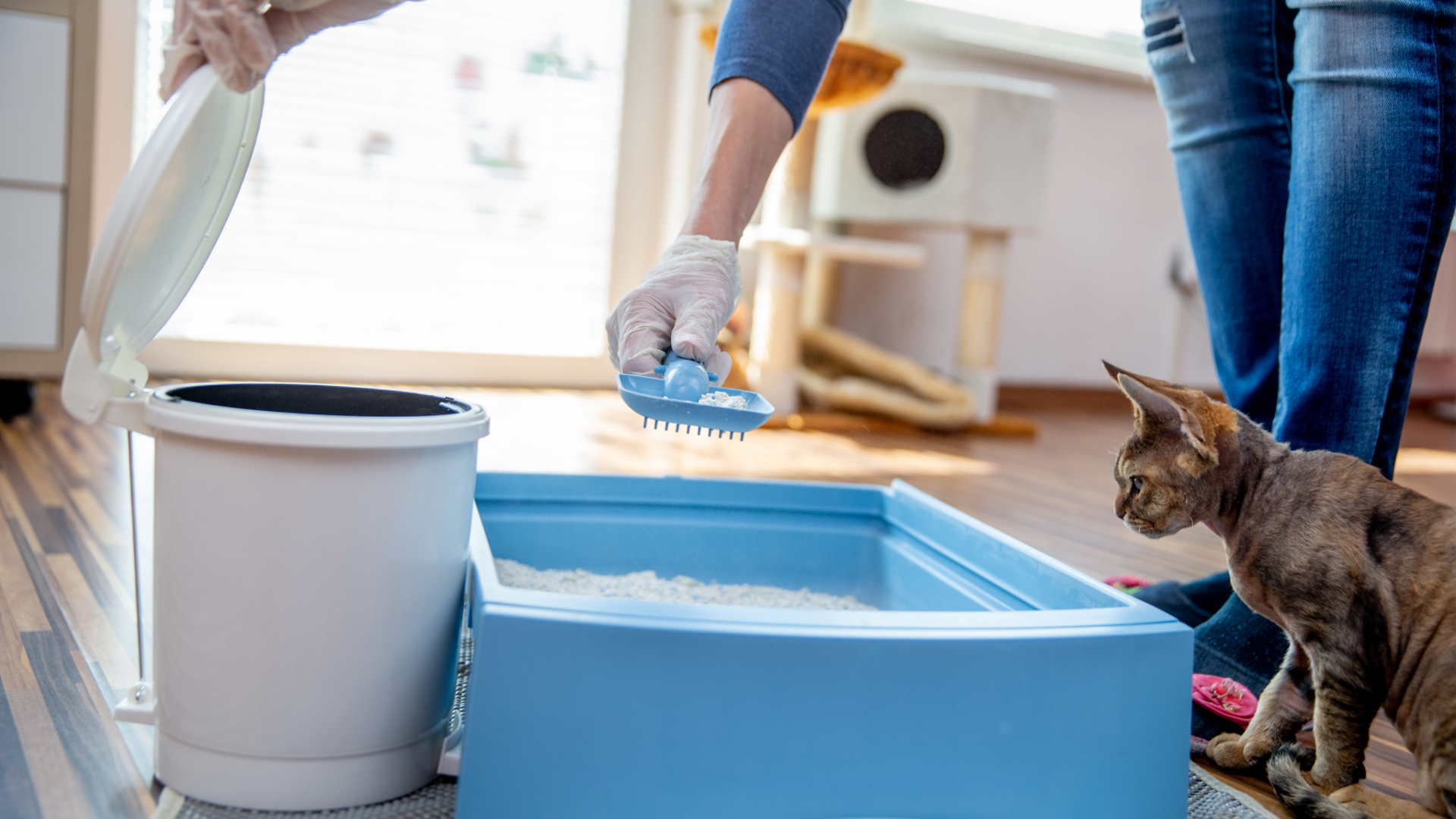
Keeping the litter box clean encourages your cat to use it consistently. Scoop waste at least once a day and change the litter entirely every week. Cats are sensitive to odors and dirt, so a fresh box makes them feel safe and comfortable.
I noticed my older cat avoided the box until I cleaned it more often. Once I did, he returned immediately. Could your cat be signaling discomfort through avoidance?
Monitoring Health Changes
Changes in litter box habits might indicate health problems. Watch for signs like frequent urination, straining, or accidents outside the box. These could point to urinary tract infections, arthritis, or other age-related issues.
Regular vet visits help catch problems early. If your cat suddenly stops using the litter box, don’t ignore it—investigate the cause promptly to ease their discomfort.
Adjusting Setup As Needed
Older cats might need a litter box that’s easier to access. Consider boxes with lower sides or ramps if your cat has mobility challenges. The type of litter also matters—unscented and soft textures can be more inviting.
Placing the box in a quiet, low-traffic area can reduce stress for your cat. Have you checked whether your cat’s setup suits their changing needs?

Credit: www.purina.com
Frequently Asked Questions
How Long Does It Take To Train An Older Cat?
Training time varies but usually takes 1 to 3 weeks. Consistency and patience are key. Regularly encourage litter box use. Monitor your cat’s behavior closely during this period for best results.
What Type Of Litter Box Suits Older Cats?
Older cats prefer low-entry, easy-to-access litter boxes. This reduces strain and encourages use. Large, open boxes with soft litter are ideal. Avoid covered boxes that may trap odors or cause anxiety.
How To Handle Litter Box Accidents In Older Cats?
Clean accidents promptly with enzyme cleaners to remove odors. Avoid punishing your cat as it causes stress. Check for medical issues if accidents persist. Reinforce positive litter box behavior through gentle encouragement.
Can Diet Affect Older Cat’s Litter Box Habits?
Yes, diet impacts urinary health and litter box use. Provide balanced, high-quality food and ensure hydration. Consult a vet for diet adjustments if litter box issues arise. Healthy digestion promotes consistent bathroom habits.
Conclusion
Training an older cat to use the litter box takes time and patience. Keep the box clean and in a quiet place. Reward your cat with gentle praise when it uses the box. Watch for signs if your cat needs help or feels stressed.
Small steps and kindness make a big difference. Your cat will learn and feel comfortable again. Consistency and care build trust and success. Stay calm and keep trying. You can help your older cat adjust with love.



Leave a Reply