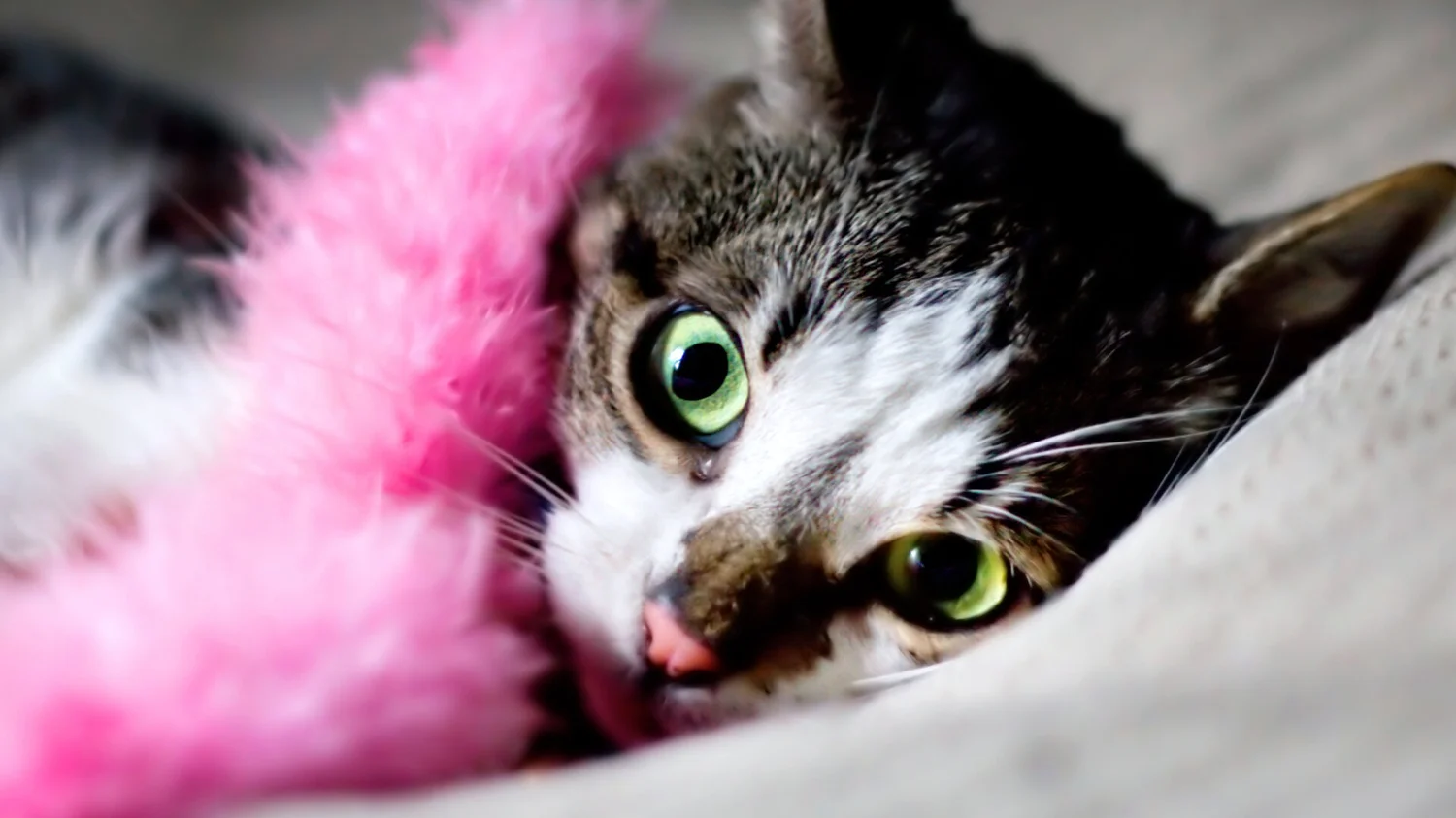
Have you ever noticed your cat crying while carrying a toy and wondered why? It can be confusing and even a little worrying.
You might ask yourself, “Is my cat in pain? Or is this normal behavior? ” Understanding why your furry friend makes those sounds can help you connect better with them and ensure they’re happy and healthy. Keep reading to discover the surprising reasons behind this behavior and what it means for your cat.
You won’t want to miss these eye-opening insights!

Credit: www.youtube.com
Cat Vocalizations And Emotions
Cats use their voices to share feelings and needs. Their cries tell us more than just distress. Understanding these sounds helps decode their emotions. Cats often vocalize differently depending on the situation. Carrying a toy and crying can express complex feelings.
Different Types Of Cat Cries
Cats have many types of cries. Each one has a meaning. Some common cries include:
- Meowing: Often for attention or greeting.
- Yowling: Usually signals discomfort or demand.
- Chirping: A sign of excitement or hunting instinct.
- Purring: Shows contentment but can also occur when stressed.
When a cat cries while holding a toy, it might mix hunting and care signals. The cry can sound like a soft yowl or chirp, showing mixed emotions.
How Cats Express Feelings
Cats express feelings through sounds and body language. Crying while carrying a toy can mean:
- Possessiveness: The toy is their “prey” or treasure.
- Frustration: They want to share or play but feel unsure.
- Seeking attention: They want you to join their game.
- Comfort: Holding the toy soothes them like a kitten’s behavior.
Watching a cat’s posture helps. Tail and ears position add clues to their mood. Vocalizations combined with actions reveal true feelings.

Credit: www.reddit.com
The Role Of Hunting Instincts
Cats are natural hunters, and their instincts often show through behaviors that puzzle their owners. When your cat cries while carrying a toy, it’s not just random noise—it’s deeply connected to their hunting instincts. Understanding this connection can help you better interpret your cat’s actions and respond to their emotional needs.
Toy As Prey Substitute
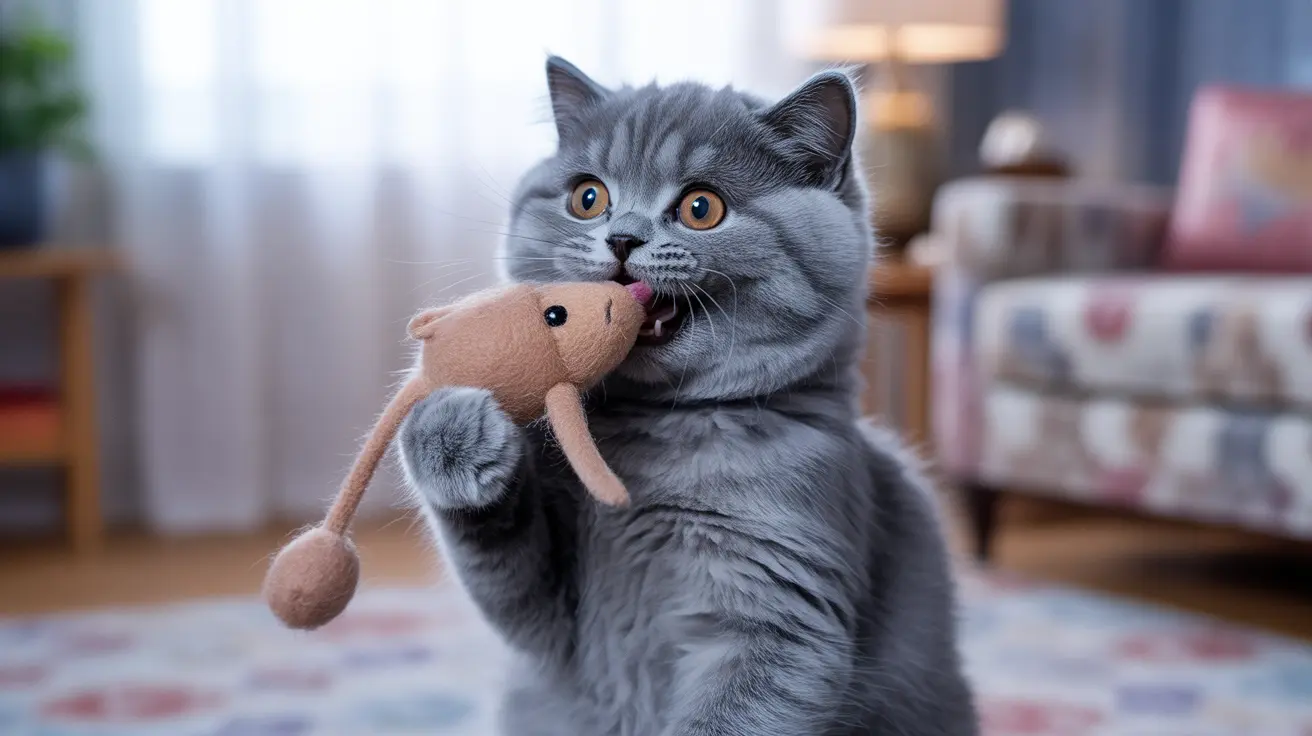
Your cat treats their toy like real prey. The toy becomes a stand-in for the small animals they would hunt in the wild. Carrying it around mimics the act of catching and transporting prey to a safe spot.
Think about the last time you saw your cat gripping a toy mouse or bird. That focused, almost proud expression is their way of showing off a successful hunt. This behavior is instinctive and helps them satisfy their natural urge to chase and capture, even indoors.
Excitement And Frustration Signals
When your cat cries while holding a toy, it can be a mix of excitement and frustration. The cry might express the thrill of the hunt combined with the challenge of not being able to fully “finish” the catch.
Have you noticed your cat vocalizes more when they can’t seem to shake or break their toy? This sound signals a complex mix of emotions tied to their predatory drive. Listening closely to these cries can reveal how engaged or frustrated your cat feels during play.
Communication With Owners
When your cat cries while carrying a toy, it’s often a way to communicate directly with you. Cats use vocal sounds combined with their body language to express feelings and intentions. Understanding this communication can deepen your bond and help you respond better to their needs.
Seeking Attention
Your cat might cry while holding a toy because they want your attention. This behavior can be a call for playtime or simply a way to engage you in their world. If you notice your cat bringing a toy and vocalizing, try interacting with them by playing or talking—it shows you value their effort to connect.
Sometimes, these cries are louder or more persistent when your cat feels ignored. Have you ever felt this urge to be noticed? Your cat experiences similar emotions and uses their voice as a signal.
Sharing The ‘catch’
Another reason cats cry while carrying toys is to share their ‘catch’ with you. This is an instinctive behavior rooted in their wild ancestors who brought prey back to the group. Your cat may be offering you their toy as a gift, showing trust and affection.
When your cat holds a toy and meows, it’s like they’re saying, “Look what I caught for you.” Respond by praising them or joining in the play. This simple exchange can reinforce your relationship and make your cat feel valued.
Stress And Anxiety Factors
Cats may cry while carrying toys due to stress or anxiety. They might feel unsure or protective, causing vocal sounds. This behavior shows their mixed emotions during play or hunting instincts.
Cats can exhibit unique behaviors, sometimes puzzling to their owners. One such behavior is crying while carrying a toy. Stress and anxiety can play significant roles in this. Understanding these factors can help address your cat’s needs.Changes In Environment
Cats are sensitive to their surroundings. A new environment can cause stress. Moving to a new home or rearranging furniture can unsettle them. Even minor changes in daily routines can affect their mood. This stress may lead them to seek comfort in toys. Crying while carrying a toy could be a way to cope.Separation Anxiety
Cats form strong bonds with their owners. When left alone, they might experience separation anxiety. This anxiety can manifest in various ways. Some cats may cry while carrying a toy as a comfort tool. It mimics the presence of their absent owner. Addressing separation anxiety can reduce this behavior.Physical Discomfort Or Pain
When your cat cries while carrying a toy, it might be more than just playful behavior. Physical discomfort or pain can cause this unexpected reaction. Understanding the possible sources of pain can help you act quickly and keep your furry friend comfortable.
Injury During Play
Playing can sometimes lead to small injuries that your cat might not show immediately. A sharp toy edge or an accidental scratch can cause pain when your cat carries the toy around. Have you noticed if your cat favors one paw or avoids certain movements after playtime?
Check for signs like limping, swelling, or sensitivity when you touch their paws or mouth. Even minor injuries can make your cat vocalize more than usual. If you spot anything unusual, a vet visit is the safest step to prevent worsening the injury.
Dental Or Mouth Issues
Cats use their mouths to carry toys, so dental pain can cause crying during this activity. Problems like tooth decay, gum disease, or a sore mouth might make holding a toy uncomfortable. Does your cat show signs of drooling, bad breath, or reluctance to eat hard food?
Dental issues are often overlooked but can cause significant discomfort. If your cat’s crying coincides with carrying toys, consider a dental checkup. Early treatment can avoid more serious pain and help your cat enjoy playtime again.
Breed And Personality Influences
Cats show different behaviors based on their breed and personality. These traits affect how they express themselves, especially when carrying toys. Some cats cry while holding toys because of their natural instincts or emotional needs. Understanding these influences helps explain this unique behavior.
Vocal Breeds Tendencies
Certain cat breeds are known for being more vocal than others. Siamese cats, for example, often use their voices to communicate. They might cry while carrying a toy as a way to share their excitement or to get attention. Burmese and Oriental cats also show similar vocal habits. Their loud meows can sound like crying, but it is normal for their breed.
Individual Cat Temperaments
Every cat has its own personality. Some cats are shy and quiet, while others are bold and noisy. A cat with a sensitive temperament may cry when carrying a toy because it feels protective. Others might vocalize due to excitement or stress. These personal traits shape how a cat uses its voice during playtime.
How To Respond To Your Cat’s Crying
Understanding how to respond when your cat cries while carrying a toy can deepen your bond and improve your cat’s well-being. This behavior might be your cat’s way of communicating, so paying close attention is key. Let’s look at practical ways to interpret and react to these cries effectively.
Observing Behavior Patterns
Start by watching when and how often your cat cries while carrying a toy. Is it only during playtime, or does it happen when your cat seems stressed or lonely? Noticing if the crying coincides with other behaviors like pacing or rubbing against you can reveal what your cat needs.
Ask yourself: does the crying come with a particular type of toy or specific environment? Sometimes, cats vocalize more when they feel insecure or want attention. Keeping a simple log of these moments can help you identify triggers and respond better.
Providing Comfort And Play Options
Once you understand your cat’s patterns, you can offer comfort that suits their needs. If your cat cries to seek attention, try engaging in short, frequent play sessions with interactive toys like feather wands or laser pointers. This helps satisfy their hunting instincts and reduces anxiety.
Also, create cozy resting spots near where you spend time. Soft blankets or a quiet corner can make your cat feel safe, especially when they carry a toy as a form of self-soothing. Remember, sometimes just sitting quietly with your cat while they hold their toy can be the reassurance they want.
Credit: www.petscare.com
Frequently Asked Questions
Why Does My Cat Cry While Carrying A Toy?
Cats cry while carrying toys to mimic hunting behavior. This vocalization expresses excitement, frustration, or a call for attention. It’s a natural way for cats to communicate their instincts and emotions during play.
Is Crying Normal When Cats Carry Toys?
Yes, crying is normal when cats carry toys. It reflects their natural hunting instincts and emotional state. Cats may vocalize to show pride, seek attention, or express frustration if they can’t catch or keep the toy.
What Does My Cat’s Crying Mean During Play?
Your cat’s crying during play signals communication. It may indicate excitement, a desire to share the “prey,” or frustration. This behavior mimics real hunting scenarios where cats vocalize to express feelings or alert others.
Can Crying While Carrying Toys Indicate Stress?
Crying while carrying toys is usually not stress-related. It mostly shows natural hunting instincts or social communication. However, if crying is excessive or combined with other signs, it may indicate discomfort or anxiety needing attention.
Conclusion
Cats cry while carrying toys to show feelings or needs. Sometimes, they want attention or feel proud. Other times, they act like hunting or feel unsure. Watching your cat helps understand these signs better. Caring for your cat’s emotions builds a strong bond.
Keep toys safe and fun for your pet. Remember, each cat is unique and may cry for different reasons. Patience and love go a long way. Your cat’s cries tell a story worth hearing.

Leave a Reply