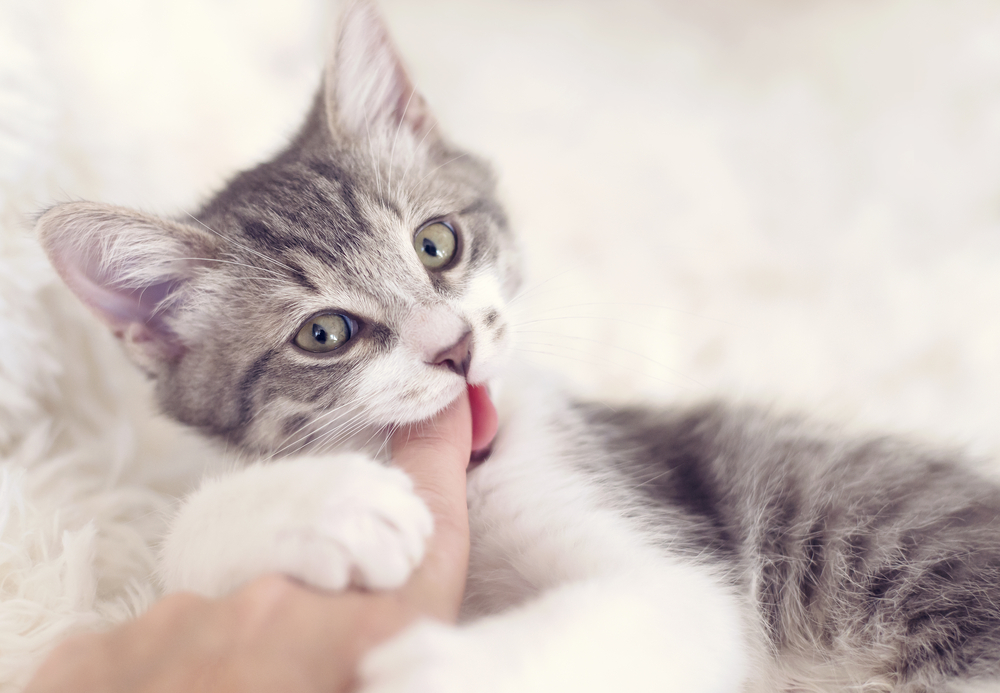
Have you ever wondered what your cat is really doing when it grooms itself? You might have noticed your furry friend biting or even sucking on its fur and asked yourself, “Is this normal?” Understanding why cats bite or suck during grooming can reveal a lot about their health and emotions.
If you want to know what’s behind these behaviors and how to respond, keep reading. This insight will help you connect better with your cat and ensure its well-being.

Credit: www.reddit.com
How Cats Groom Themselves
Cats are meticulous groomers, spending a significant part of their day cleaning themselves. Their grooming routine is not just about looking good—it helps keep their fur clean, controls parasites, and regulates body temperature. Understanding how cats groom themselves can help you better care for your feline friend and recognize when grooming behavior signals health issues.
Role Of Tongue In Grooming
Your cat’s tongue is a powerful grooming tool. It’s covered with tiny, hook-like structures called papillae that work like a comb. These hooks help remove loose fur, dirt, and even parasites from their coat.
When your cat licks itself, the tongue acts like a brush, untangling fur and spreading natural oils. These oils keep the coat shiny and waterproof. If you’ve ever felt your cat’s tongue, you might notice it’s rough—this texture is perfect for grooming efficiently.
Common Grooming Behaviors
Cats use a mix of licking, nibbling, and scratching to groom themselves. You might see your cat gently nibble or bite at certain spots. This isn’t aggressive; it helps remove stubborn dirt or untangle mats.
Scratching with their back legs is another key behavior. It reaches places the tongue can’t, especially around the neck and head. You may also notice your cat rubbing their face on furniture or people—this spreads their scent and marks territory.
- Self-licking to clean fur and skin
- Nibbling to remove tangles or irritants
- Scratching hard-to-reach spots
- Rubbing face to mark with scent glands
Have you noticed your cat biting a little during grooming? It’s often their way to handle tangles, not a sign of aggression. Paying attention to these details helps you understand your cat’s grooming needs better.
Do Cats Bite During Grooming
Cats often use their mouths as part of grooming. Biting during grooming is common. This behavior can seem strange or worrying to some cat owners. Understanding why cats bite gently or more sharply helps to read their mood and needs. It also strengthens the bond between you and your pet.
Reasons For Gentle Biting
Gentle biting is a normal part of a cat’s grooming routine. Cats use soft bites to clean hard-to-reach places. It helps remove dirt, loose fur, and parasites. This is also a way cats show affection. Sometimes, cats bite softly to invite play or attention. This behavior shows trust and comfort with their grooming partner.
When Biting Indicates Discomfort
Not all bites are gentle or playful. A harder bite can signal discomfort or stress. Cats may bite if they feel pain during grooming. This can happen if the skin is irritated or a mat is pulled. Biting may also mean the cat wants to stop the grooming session. Watch for other signs like growling or tail flicking. These clues help you understand the cat’s feelings and avoid upsetting them.
Do Cats Suck While Grooming
Have you ever noticed your cat gently pressing its mouth against your skin or a soft blanket? This behavior might look like sucking rather than the usual grooming lick. Understanding whether cats actually suck while grooming can reveal a lot about their emotional state and early life experiences.
Nursing Behavior In Kittens
Kittens naturally suckle on their mother’s nipples to get milk. This nursing behavior is instinctive and provides comfort beyond nutrition. Sometimes, kittens continue this action even after weaning, using their mouths to suck on soft objects like blankets or their owner’s clothing.
This leftover nursing habit is a way for kittens to self-soothe. It helps them feel safe and calm, especially if they were weaned too early or experienced stress. Have you noticed your kitten kneading or sucking on a fabric? It’s often linked to this early nursing instinct.
Adult Cats And Sucking Habits
Adult cats occasionally retain this sucking behavior, though it’s less common. Some cats suck on soft items or even their own fur when they’re feeling anxious or seeking comfort. This can become a repetitive habit, similar to thumb-sucking in children.
While it might seem odd, sucking during grooming doesn’t harm your cat unless it leads to skin irritation or fur loss. If your cat sucks on you or objects, try offering a soft toy or blanket to redirect the behavior. Does your cat show this habit only in certain situations, like when you’re away or during loud noises?
Understanding why your cat sucks while grooming can help you support their emotional needs better. It’s a subtle sign of their inner world, reminding you that cats, like people, have comfort rituals too.
Health Benefits Of Grooming
Cats groom by licking, which may feel like gentle sucking or biting. This grooming helps keep their fur clean and skin healthy. Regular grooming also reduces stress and prevents skin problems in cats.
Grooming is not just a daily ritual for cats; it’s a vital part of their health and well-being. Understanding the health benefits of grooming can help you appreciate why your feline friend spends so much time licking themselves.Cleaning And Fur Maintenance
Cats are known for their fastidious grooming habits. When your cat licks its fur, it removes dirt and loose hair, keeping its coat clean and tidy. This self-cleaning process helps prevent matting, which can lead to skin issues if neglected. Regular grooming also spreads natural oils produced by the skin throughout the fur, giving it a glossy appearance. This natural shine is not just for aesthetics; it indicates a healthy, well-maintained coat. Have you noticed how your cat’s fur seems to glow after a grooming session?Stress Relief And Bonding
Grooming is more than just a cleaning activity; it’s a stress reliever for cats. When your cat engages in grooming, it releases endorphins, which can help calm them down. This is why you might notice increased grooming when your cat is anxious. Moreover, grooming can strengthen the bond between you and your cat. When your cat allows you to groom them or grooms you in return, it’s a sign of trust and affection. Have you ever felt your stress melt away as you gently brush your cat’s fur? Understanding these aspects of grooming can deepen your connection with your feline companion and ensure they remain happy and healthy. Next time your cat starts a grooming session, take a moment to appreciate the benefits they’re reaping.How To Recognize Grooming Vs Aggression
Understanding whether a cat is grooming or showing aggression can be tricky. Both actions involve the mouth and paws, but their intent is very different. Recognizing the difference helps maintain a happy bond with your cat and avoids unnecessary stress or injury.
Body Language Cues
Cats use clear signals to show their mood. Grooming looks calm and gentle. Cats lick softly and use their teeth lightly to clean fur. Their eyes may be half-closed, and their body relaxed.
Aggressive biting feels sharp and sudden. The cat’s ears often flatten against the head. Eyes widen with a fixed stare. The tail may twitch or lash, and the body becomes tense or stiff.
- Grooming: slow, rhythmic licking and gentle nibbling
- Aggression: quick, forceful bites and scratching
- Grooming: relaxed posture and soft eyes
- Aggression: stiff body, wide eyes, flattened ears
When To Intervene
Intervene if your cat’s behavior changes suddenly. Growling, hissing, or swatting means discomfort. Stop petting or playing to give space.
If the cat bites hard or often, it needs a break. Watch for signs of stress like heavy breathing or hiding. Respect these signs to keep your cat calm and safe.

Credit: www.reddit.com
Tips To Encourage Healthy Grooming
Encouraging healthy grooming habits in your cat can make a big difference in their comfort and cleanliness. Cats naturally groom themselves, but your involvement can help prevent issues like matting, skin problems, or excessive biting and sucking during grooming. Here are some practical tips to support your cat’s grooming routine and keep them happy and healthy.
Regular Brushing
Brushing your cat regularly helps remove loose fur and reduces hairballs. It also gives you a chance to check for any skin irritations or lumps early on. You might notice your cat biting or sucking more when their coat feels uncomfortable—brushing can ease this.
Try to brush your cat daily or several times a week, depending on their fur type. Use a brush that suits their coat—soft bristles for short hair, and a slicker brush for long-haired cats. If your cat resists at first, start with short sessions and reward them with treats to build positive associations.
Creating A Calm Environment
Your cat’s grooming behavior can be affected by stress or anxiety. A calm, quiet space helps your cat feel safe enough to groom naturally without overdoing it. Think about where your cat usually grooms and make sure it’s free from loud noises or sudden interruptions.
Consider adding soft bedding and familiar scents to the area. You can also use pheromone diffusers to create a soothing atmosphere. Have you noticed your cat biting or sucking more during stressful times? Creating calm moments can reduce this behavior and improve their grooming habits.

Credit: www.reddit.com
Frequently Asked Questions
Do Cats Bite When They Groom Themselves?
Cats may gently bite or nibble during grooming to remove dirt and loose fur. This behavior is normal and helps maintain their cleanliness and skin health.
Why Do Cats Suckle While Grooming?
Cats suckle during grooming as a comforting behavior from kittenhood. It helps them feel relaxed and secure, often linked to their bonding experience with their mother.
Is Biting During Grooming A Sign Of Aggression?
No, grooming bites are usually gentle and not aggressive. If a cat bites hard, it might indicate irritation or discomfort, not typical grooming behavior.
Can Cats Groom Each Other By Biting Or Sucking?
Yes, cats groom each other by licking, gentle biting, or sucking to strengthen social bonds and help clean hard-to-reach areas.
Conclusion
Cats use gentle bites and soft sucking when grooming themselves or others. This behavior helps clean their fur and shows affection. It is normal and part of their natural care routine. Watching your cat groom can reveal how they feel and bond with you.
Understanding this helps build a better connection with your pet. Keep an eye on their grooming habits for signs of health. Happy cats often groom calmly and carefully. Their gentle nibbles are just a way to stay clean and close.



Leave a Reply