Have you ever tried to groom your cat, only to be met with a sudden bite? It can be confusing and even a little painful.
You might wonder, “Why does my cat bite when grooming? ” Understanding the reasons behind this behavior can help you connect better with your furry friend and make grooming a more pleasant experience for both of you. Keep reading, because uncovering the secrets behind your cat’s biting will change the way you care for them forever.
Credit: animals.howstuffworks.com
Common Grooming Behaviors
Understanding your cat’s grooming behaviors helps you identify when their actions are natural or when they might signal discomfort. Cats use grooming not just to stay clean but also to communicate and bond. Observing these behaviors closely can reveal why your cat might suddenly bite during grooming sessions.
Normal Cat Grooming Actions
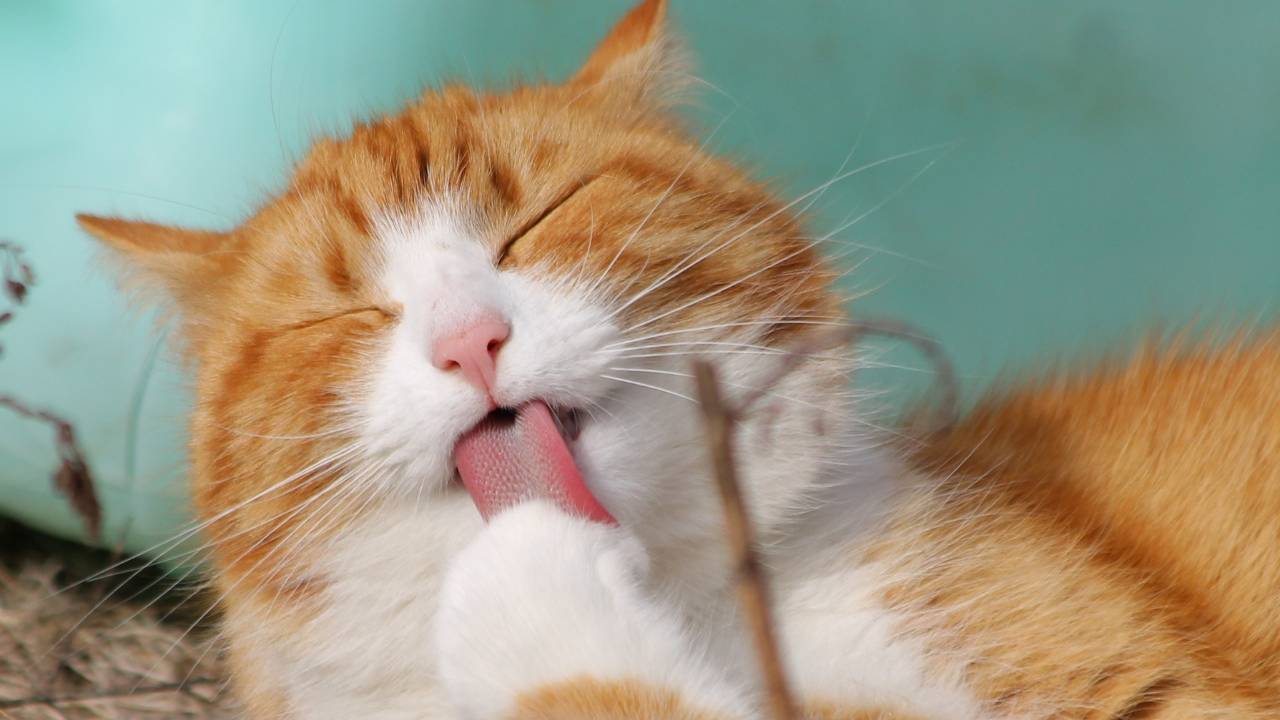
Cats spend a good part of their day grooming themselves. They use their tongues to clean their fur, remove dirt, and keep their coat shiny. This routine also helps regulate their body temperature and reduce stress.
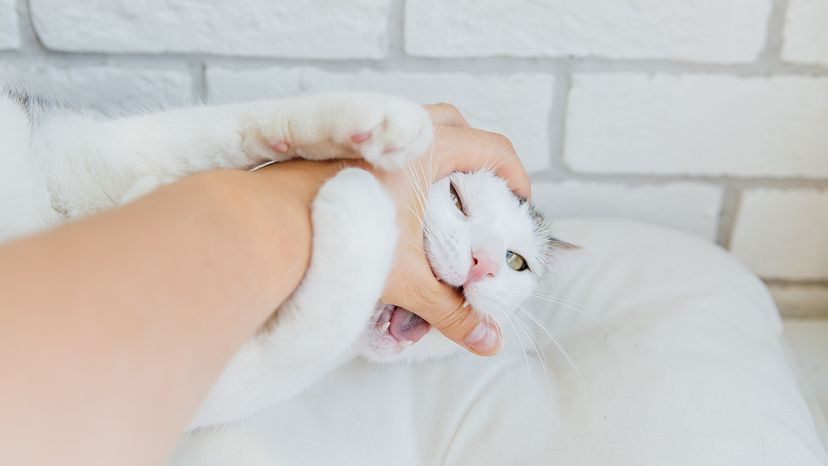
When cats groom each other, called allogrooming, it’s a sign of trust and affection. You might notice your cat licking your hand or face gently—this is their way of bonding. You may also see gentle nibbling, which is usually playful or affectionate and not painful.
When Grooming Turns Aggressive
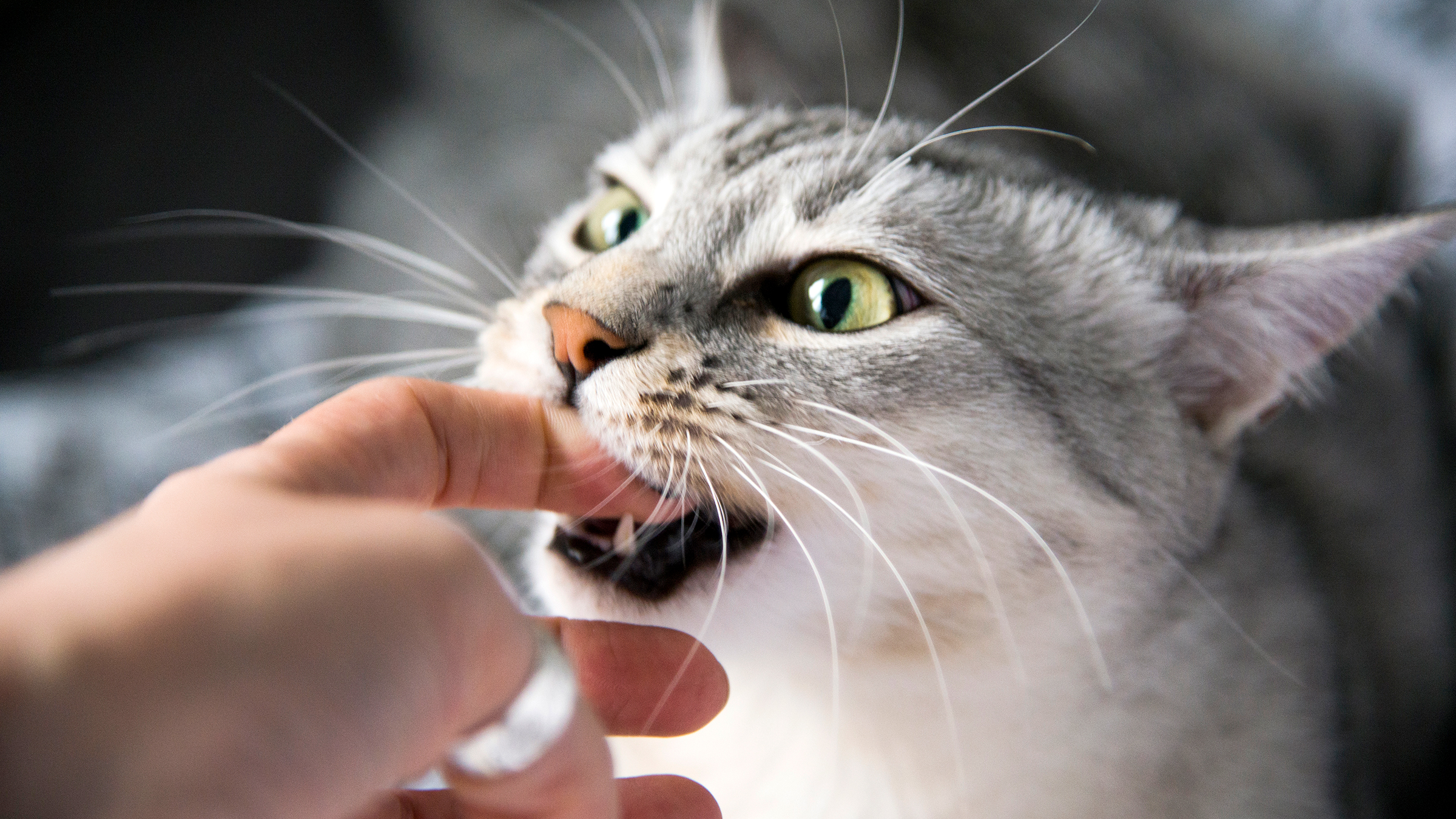
Sometimes, grooming can shift from gentle to aggressive, and biting becomes a concern. Your cat might bite if they feel overwhelmed or if the spot you’re grooming is sore or sensitive. Have you ever felt ticklish or uncomfortable when someone touched a certain area unexpectedly? Cats react similarly.
Pay attention to your cat’s body language before the bite—tail twitching, flattened ears, or dilated pupils are warning signs. If you notice these, pause the grooming session and give your cat space. Adjusting your grooming approach based on their reactions can prevent bites and build trust.

Credit: www.reddit.com
Triggers For Grooming Bites
Cats use grooming to bond and stay clean. Sometimes, grooming can lead to biting. Understanding the triggers helps reduce this behavior. Cats have sensitive nerves and different moods that affect their reactions.
Overstimulation Sensitivity
Many cats enjoy petting only for a short time. Too much touching causes overstimulation. Overstimulation feels uncomfortable or irritating. The cat may bite to say “stop.” Watch for tail flicks or skin twitching. These signs warn that your cat is reaching its limit.
Pain Or Discomfort
Grooming can touch sore spots. If your cat has an injury or skin problem, grooming may hurt. Biting protects these painful areas. Cats do not always show pain clearly. A bite during grooming might mean your cat feels pain. Gentle handling and vet checks can help.
Fear And Anxiety
Fear makes cats defensive. Loud noises or sudden movements increase anxiety. Grooming in a stressful place or time can cause fear. A scared cat might bite to protect itself. Calm, quiet settings create trust. Let your cat relax before grooming sessions.
Communication Through Biting
Cats use biting to share their feelings during grooming. It is a way to talk without words. Understanding this helps you read your cat better. Biting is not always about anger or pain. Sometimes, it is a message about comfort or limits. Recognizing what your cat means can improve your bond.
Setting Boundaries
Cats bite to tell you when they want space. Grooming can become too much for them. A gentle bite means, “Stop now.” It is their way to protect themselves. Respecting these signals keeps your cat calm. Watch for other signs like tail flicking or ears back. These clues help you avoid bites.
Seeking Attention
Sometimes cats bite to get your focus. They want you to pet or play with them. These bites are often soft and quick. It is a way to say, “Look at me.” Responding with gentle pets or play time helps. This keeps your cat happy and less likely to bite hard.
Health Issues Behind Biting
Understanding why your cat bites during grooming can be puzzling. Health issues often play a significant role in this behavior. Identifying these issues helps in managing and reducing biting incidents.
Skin Conditions
Cats with skin conditions may react to grooming with biting. Skin infections or irritations cause discomfort. This discomfort might be heightened during grooming. You might notice redness or flaky skin. These are signs your cat’s skin needs attention. Consult a vet for proper diagnosis and treatment.
Dental Problems
Dental issues can also lead to biting during grooming. Cats with oral pain might bite to express discomfort. Check for signs like drooling or bad breath. These symptoms indicate dental problems. Regular dental check-ups are essential for maintaining oral health. Proper care ensures a pain-free grooming experience.
Allergies
Allergies in cats can cause itching and irritation. This leads to biting when being groomed. Common allergens include certain foods or environmental factors. Observe any changes in your cat’s behavior or skin. Identifying allergens is crucial for your cat’s comfort. Your vet can help identify and manage these allergies effectively.
Environmental Factors
Environmental factors can play a big role in why your cat might bite during grooming. Cats are sensitive creatures, and their surroundings impact how comfortable they feel. Understanding these factors helps you create a calmer grooming experience for your furry friend.
Stressful Surroundings
Your cat might bite if the environment feels overwhelming or scary. Loud noises, unfamiliar people, or other pets nearby can make your cat anxious during grooming. I once noticed my cat growling and biting when the vacuum was running; removing the noise immediately calmed her down.
Try to groom your cat in a quiet, peaceful room where they feel safe. Use soft lighting and minimal distractions. Have you observed what noises or sights seem to upset your cat before grooming? Identifying these triggers can help you avoid them.
Changes In Routine
Cats thrive on routine, so sudden changes can cause stress. Moving to a new home, changing the time of grooming, or switching the groomer can make your cat uneasy. When my cat’s grooming schedule shifted unexpectedly, she started biting more during sessions.
Keeping a consistent grooming time and place can reduce biting. If changes are unavoidable, introduce them gradually and offer extra comfort. Have you tried maintaining a steady routine to see if it affects your cat’s behavior?
How To Respond To Biting
Dealing with a cat that bites during grooming can be frustrating and even painful. How you respond to this behavior can either calm your cat or make the situation worse. Understanding the right approach helps maintain a positive grooming routine and strengthens your bond.
Reading Cat’s Body Language
Before your cat bites, it often gives clear signals. Watch for signs like flattened ears, twitching tail, or sudden stiffening of the body. These are warning signs that your cat is getting uncomfortable.
Pay attention to the eyes too—dilated pupils or slow blinking can mean stress or irritation. Recognizing these early helps you stop grooming before things escalate. Have you ever missed these signs and gotten a surprise nip? It’s a common mistake that you can avoid with practice.
Safe Handling Techniques
When grooming, keep your hands calm and steady. Sudden moves can startle your cat and provoke biting. Use gentle strokes and avoid sensitive areas your cat dislikes, like the belly or tail base.
Try holding your cat in a way that feels secure but not restrictive. Wrapping your cat gently in a towel can protect your hands and keep your cat calm. If your cat does bite, stay calm and don’t pull away quickly, which can encourage more biting.
Instead, pause grooming and give your cat a break. Offering a treat or a favorite toy can help distract and reward good behavior. Have you noticed how a calm, patient approach often changes your cat’s mood?
Preventing Grooming Bites
Preventing grooming bites helps keep both you and your cat safe. Understanding your cat’s needs and signals reduces stress during grooming. Consistent care and patience build trust and make grooming easier.
Regular Vet Checkups
Health issues can cause sensitivity during grooming. Regular vet visits catch problems like skin infections or pain early. A healthy cat feels more comfortable and less likely to bite. Ask your vet about any behavior changes or discomfort signs.
Positive Reinforcement
Reward your cat for calm behavior during grooming sessions. Use treats or gentle praise to encourage good responses. Keep sessions short and end on a positive note. This creates a pleasant experience and reduces biting risk.
Gentle Grooming Tips
- Use soft brushes designed for cats.
- Start slow and watch your cat’s reactions.
- Avoid sensitive areas like belly or tail initially.
- Stop immediately if your cat shows signs of stress.
- Keep grooming sessions brief and consistent.
Gentle handling helps your cat feel safe and relaxed. Over time, your cat will enjoy grooming more.
Credit: www.goodrx.com
Frequently Asked Questions
Why Does My Cat Bite During Grooming Sessions?
Cats may bite during grooming due to overstimulation or discomfort. It’s their way of saying they’ve had enough. They might also react to sensitive areas or feel threatened. Understanding their body language helps prevent bites and makes grooming a positive experience.
How Can I Stop My Cat From Biting When Grooming?
To stop biting, groom your cat gently and watch for signs of irritation. Use short sessions and reward calm behavior. Gradually increase grooming time while ensuring comfort. Patience and positive reinforcement help your cat associate grooming with relaxation.
Is Biting A Sign Of Stress During Cat Grooming?
Yes, biting can indicate stress or anxiety in cats during grooming. They may feel trapped or overwhelmed. Recognizing this helps you adjust your approach. Creating a calm environment and using gentle techniques reduces stress and prevents biting.
Can Grooming Cause Pain Leading To Cat Biting?
Grooming can cause pain if mats, tangles, or skin issues exist. Biting is a natural response to discomfort. Regular grooming prevents mats and checks for skin problems. Always be gentle and stop if your cat shows pain signs.
Conclusion
Cats may bite during grooming to show trust or set limits. This behavior helps them feel safe and comfortable. Watching your cat’s body language can prevent bites. Use gentle touch and take breaks if needed. Understanding why cats bite helps build a better bond.
Patience and care make grooming easier for both. Every cat is different; learn what yours likes best. Respect their signals and enjoy the grooming time together.




Leave a Reply