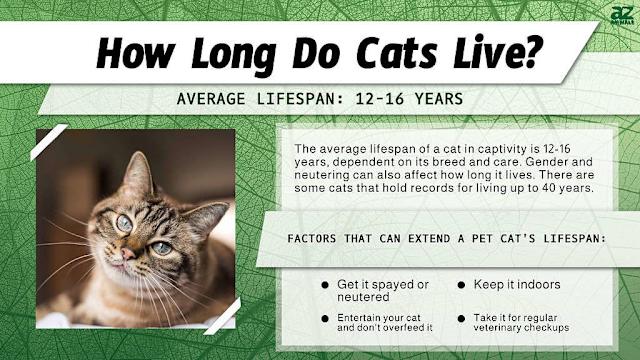
Have you ever wondered when your cat might start facing health problems? Knowing the age when cats commonly develop health issues can help you protect your furry friend better.
If you want to keep your cat happy and healthy for as long as possible, understanding these warning signs early is key. Keep reading to discover what to watch for and how to support your cat as they grow older.
Your pet’s well-being depends on it!
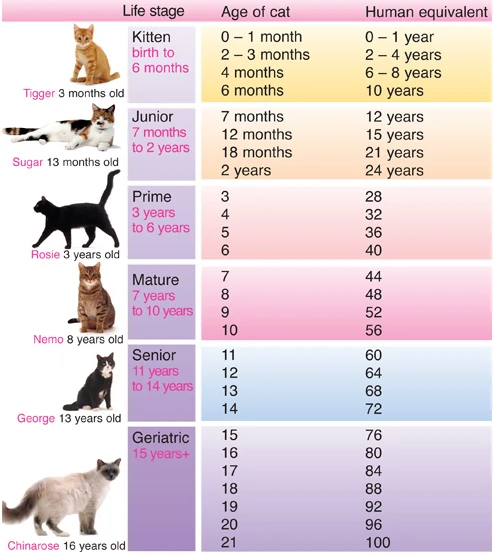
Cat Aging Stages
Understanding your cat’s aging stages helps you spot health issues early and provide the right care at each phase of life. Cats don’t just suddenly get sick as they age; changes happen gradually, and knowing these stages can improve your cat’s quality of life.
Kitten To Adult Transition
This stage covers from birth up to about 1 year old. During this time, kittens grow rapidly and start developing their adult behaviors and immune systems. You’ll notice changes like losing baby teeth and becoming more independent.
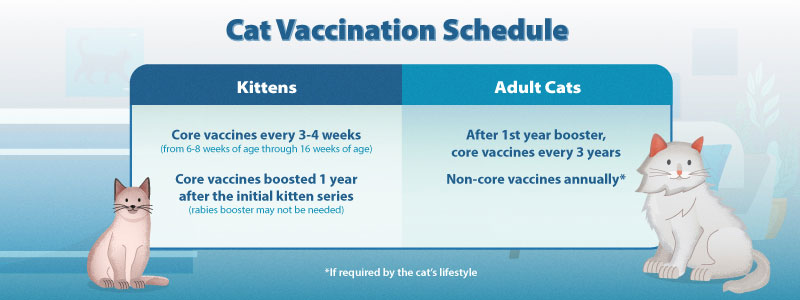
Health-wise, vaccinations and parasite control are crucial now. It’s a good idea to schedule regular vet visits to catch issues like congenital defects or infections early. How often are you checking your kitten’s weight and activity levels?
Middle Age Milestones
Between 1 and 7 years, cats enter middle age. Their activity may slow down a bit, but they are generally healthy and strong. This is when you should start monitoring for early signs of chronic problems like dental disease or obesity.
Diet and exercise become more important here. I noticed my own cat gained weight during this stage because I didn’t adjust her food intake. Have you measured your cat’s food portions or played with them daily to keep their weight in check?
Senior Cat Years
From around 7 years onward, cats are considered seniors and face higher risks of health issues. Common problems include kidney disease, arthritis, and diabetes. Your cat may hide discomfort, so watch for subtle signs like decreased grooming or changes in litter box habits.
Regular vet check-ups every six months can catch problems early. Adjusting their diet to support aging organs and providing comfortable resting spots can make a big difference. Are you prepared to make these changes as your cat grows older?

Credit: wamiz.co.uk
Common Health Issues By Age
Understanding the common health issues cats face at different ages helps you spot problems early and provide the best care. Cats go through distinct life stages, each with its own set of potential health challenges. Knowing what to watch for can make a big difference in your cat’s well-being and longevity.
Young Adult Concerns
Young adult cats, typically between 1 to 6 years old, are usually full of energy and appear healthy. However, they can develop issues like dental disease and parasites that often go unnoticed. Regular dental check-ups and parasite control can keep your cat comfortable and prevent bigger problems later.
Behavioral changes or sudden weight loss in this stage may also signal underlying health problems. Have you noticed your young cat grooming less or showing signs of stress? Early veterinary advice can help manage these issues before they worsen.
Middle-aged Cat Problems
Middle-aged cats, around 7 to 10 years old, start to show signs of aging internally even if they look fine outside. Common problems include obesity, kidney disease, and arthritis. Monitoring your cat’s weight and mobility closely can help catch these conditions early.
This is a critical time to adjust your cat’s diet and activity level to maintain a healthy weight. You might find your cat less playful or more tired than usual—these subtle changes often indicate emerging health concerns. How often do you check your cat’s behavior for these small shifts?
Senior Cat Ailments
Senior cats, 11 years and older, face increased risks of chronic illnesses like hyperthyroidism, diabetes, and cancer. Regular vet visits and blood tests become essential to detect these conditions early. You may notice increased thirst, changes in appetite, or difficulty jumping.
Providing a comfortable, stress-free environment and tailored nutrition can improve your senior cat’s quality of life. Have you created a cozy space that supports your older cat’s needs? Small adjustments can make a big difference as your cat ages.
Behavioral Changes To Notice
Behavioral changes in cats can signal health problems as they age. Watching your cat closely helps catch issues early. Changes might seem small but often point to discomfort or illness. Understanding these signs allows timely care and a better quality of life for your pet.
Activity Level Shifts
Older cats often move less and rest more. A sudden drop in play or climbing could mean pain or weakness. Watch for reluctance to jump or explore. Some cats become more withdrawn or hide more than usual. These shifts can indicate arthritis or other age-related conditions.
Eating And Drinking Habits
Changes in appetite or water intake are important to note. Eating less or more than usual may signal dental issues or kidney problems. Drinking more water can also point to diabetes or urinary tract issues. Loss of interest in food might mean nausea or digestive troubles.
Litter Box Changes
Notice any changes in how your cat uses the litter box. Increased urination or accidents outside the box can show urinary tract infections or kidney disease. Straining or frequent attempts might indicate bladder issues. Changes in stool consistency or frequency can also be a sign of health concerns.
Physical Signs Of Trouble
Cats often hide signs of illness well. Watching for physical changes helps catch problems early. Some signs show health issues before serious damage occurs. Knowing these signals can protect your cat’s well-being. Pay close attention to their coat, weight, and movement. These areas reveal a lot about a cat’s health.
Coat And Skin Changes
A healthy cat has a shiny, smooth coat. Dull fur or bald patches may signal illness. Dry, flaky skin can mean allergies or infections. Excessive scratching or licking often points to discomfort. Look for unusual lumps or sores on the skin. These can be signs of tumors or wounds that need care.
Weight Fluctuations
Sudden weight loss or gain is a red flag. Losing weight may suggest dental problems or kidney disease. Gaining weight quickly can mean thyroid issues or poor diet. Check for changes in appetite or water intake too. These often accompany weight shifts and hint at health troubles.
Mobility Difficulties
Older cats may show stiffness or limping. Difficulty jumping or climbing can indicate arthritis. Slow movement or reluctance to move signals pain. Watch for balance problems or frequent falls. These symptoms suggest joint or neurological problems needing attention.
Veterinary Care Tips
Cats usually begin to show health issues around seven years of age. Regular check-ups help catch problems early. Older cats may experience arthritis, dental issues, or kidney disease. Keeping an eye on their behavior and health is crucial.
Ensuring your feline friend enjoys a long, healthy life is a priority for any cat owner. As cats age, they become more susceptible to health issues, making regular veterinary care crucial. Understanding the right veterinary care tips can help prevent or manage these issues effectively. Let’s delve into some critical aspects of veterinary care that can significantly impact your cat’s health.Regular Checkups Schedule
Regular checkups are vital for early detection of potential health issues. Ideally, your cat should visit the vet at least once a year. However, as they age, increasing the frequency to twice a year can be beneficial. During these visits, your vet will perform a thorough physical examination, checking for any signs of illness or discomfort. Discuss any behavioral changes you’ve noticed; even subtle shifts can be significant.Preventive Screenings
Preventive screenings can catch health issues before they become severe. Screenings might include blood tests, urinalysis, and dental exams. These tests provide a comprehensive overview of your cat’s health status. For senior cats, these screenings are particularly important. They help monitor chronic conditions like kidney disease or diabetes. Early intervention can make a huge difference in management and quality of life.Vaccination Updates
Vaccinations play a crucial role in protecting your cat from various diseases. Even indoor cats need vaccines to safeguard against potential risks. Ensure your cat’s vaccinations are up to date to maintain their immunity. Discuss with your vet which vaccines are necessary based on your cat’s lifestyle and age. This is especially important if your cat frequently interacts with other animals. Vaccination updates are a simple yet effective way to keep your cat healthy. Incorporating these veterinary care tips into your routine can make a significant difference in your cat’s overall well-being. Regular checkups, preventive screenings, and timely vaccinations are key to managing and preventing health issues as your cat ages. Are you ready to take the next step in ensuring your cat’s health?Home Care Strategies
Providing good home care helps aging cats stay healthier longer. Adjusting daily routines can ease health problems. Small changes in diet, exercise, and environment make big differences.
Comfort and safety improvements help older cats feel secure and calm. These strategies support their well-being and improve quality of life.
Diet Adjustments
Older cats need food that supports their changing bodies. Choose diets lower in calories but rich in protein. Include supplements like omega-3 fatty acids to reduce inflammation. Avoid foods that are hard to digest or cause allergies. Fresh water must be available at all times.
Exercise And Enrichment
Gentle play keeps joints flexible and muscles strong. Provide toys that encourage light movement and mental stimulation. Short, frequent play sessions work better than long ones. Puzzle feeders slow down eating and challenge the mind. Safe outdoor time in a secured area boosts mood.
Comfort And Safety Enhancements
- Place soft bedding in quiet, warm spots.
- Use ramps or steps to reach favorite resting places.
- Keep litter boxes clean and easy to access.
- Remove slippery rugs and sharp objects from paths.
- Maintain a calm environment to reduce stress.
When To Seek Immediate Help
Cats can develop health problems as they age. Knowing when to seek immediate help can save your cat’s life. Some signs mean urgent care is needed. Acting fast can prevent serious damage and pain.
Emergency Symptoms
- Sudden difficulty breathing or gasping for air
- Unconsciousness or collapse
- Severe bleeding that won’t stop
- Continuous vomiting or diarrhea
- Severe swelling or sudden lumps
- Seizures or uncontrollable shaking
- Extreme weakness or inability to stand
- Blue or pale gums
- Severe eye injury or sudden blindness
Critical Behavioral Signs
- Sudden aggression or hiding more than usual
- Loss of appetite lasting over 24 hours
- Repeated loud vocalizing without clear cause
- Sudden confusion or disorientation
- Constant pacing or restlessness
- Refusal to move or use litter box
- Excessive drooling or difficulty swallowing
Credit: www.carecredit.com
Credit: cats.fandom.com
Frequently Asked Questions
At What Age Do Cats Commonly Develop Health Issues?
Cats often start showing health issues around 7 to 10 years old. This is when they enter their senior years. Common problems include kidney disease, arthritis, and dental issues. Early detection helps manage these conditions effectively.
What Are Early Signs Of Aging In Cats?
Early signs include reduced activity, weight changes, and changes in appetite. Cats may also groom less or develop dental problems. Noticing these signs early can lead to timely veterinary care.
How Can I Prevent Health Problems In Aging Cats?
Regular veterinary check-ups and a balanced diet help prevent health issues. Exercise and dental care are also important. Early intervention improves quality of life for senior cats.
Which Health Issues Are Common In Older Cats?
Kidney disease, arthritis, diabetes, and dental problems are common. Vision and hearing loss may also occur. Awareness of these helps in early diagnosis and treatment.
Conclusion
Cats often start showing health issues after seven years old. Aging makes them more likely to have problems like arthritis or kidney disease. Regular vet visits help catch issues early. Good food and exercise keep cats healthier longer. Watch for changes in behavior or appetite.
Early care can improve your cat’s quality of life. Every cat is different, so stay attentive and patient. Healthy habits now mean a happier, longer life for your pet.




Leave a Reply