
Have you ever noticed your cat biting himself while grooming and wondered why he does it? It can be surprising and a bit worrying to see your furry friend acting this way.
You might ask yourself if it’s normal or if something is wrong. Understanding why your cat bites himself during grooming can help you keep him happy and healthy. You’ll discover the common reasons behind this behavior and what you can do to help your cat feel better.
Keep reading—you’ll want to know what’s really going on beneath that fur!
Credit: www.kinship.com
Cat Grooming Habits
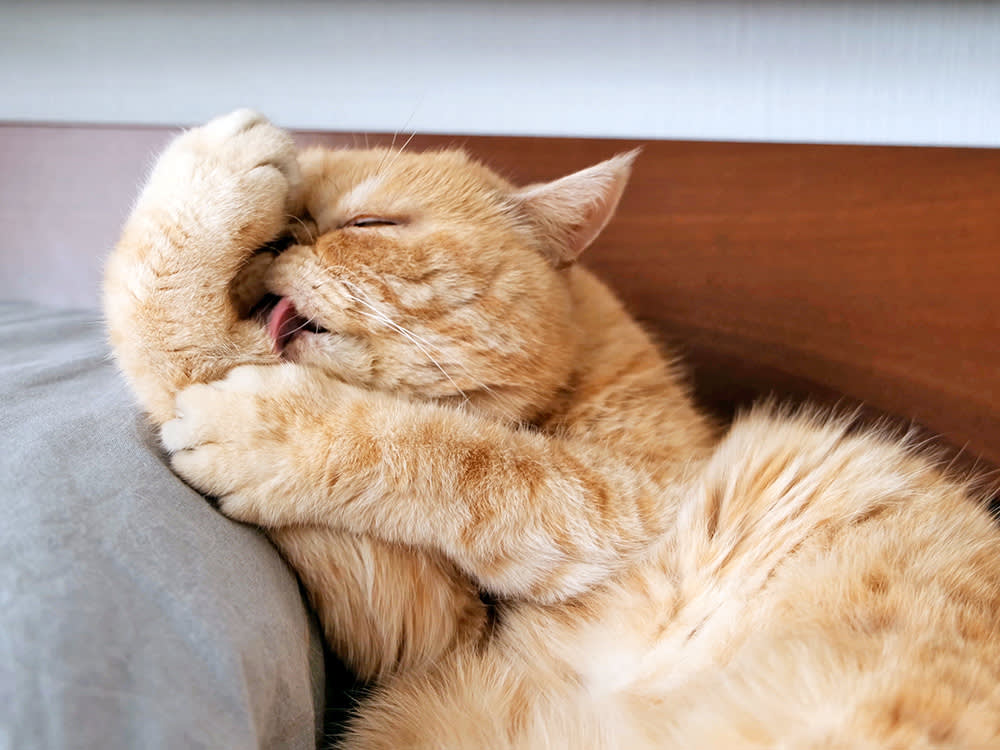
Cats spend a good amount of time grooming themselves every day. Grooming helps cats keep clean, remove loose fur, and stay comfortable. It also strengthens the bond between cats and their owners when they groom each other. Understanding normal grooming habits can help identify when a cat’s behavior changes or becomes a concern.
Normal Grooming Behavior
Cats lick their fur to clean dirt and debris. They use their rough tongues to remove loose hair. Grooming also helps cats cool down and relax. Most cats groom several times a day in short sessions. It is normal for cats to bite gently at their fur to untangle knots. This behavior is usually calm and controlled.
When Grooming Becomes Excessive
Excessive grooming means a cat grooms too much or too hard. This can cause skin irritation or bald spots. Cats may bite themselves strongly or repeatedly. Excessive grooming can be a sign of stress, allergies, or pain. It might also indicate fleas or skin infections. Watch for changes in grooming patterns or wounds. Seek advice from a vet if grooming seems harmful.
Common Causes Of Self-biting
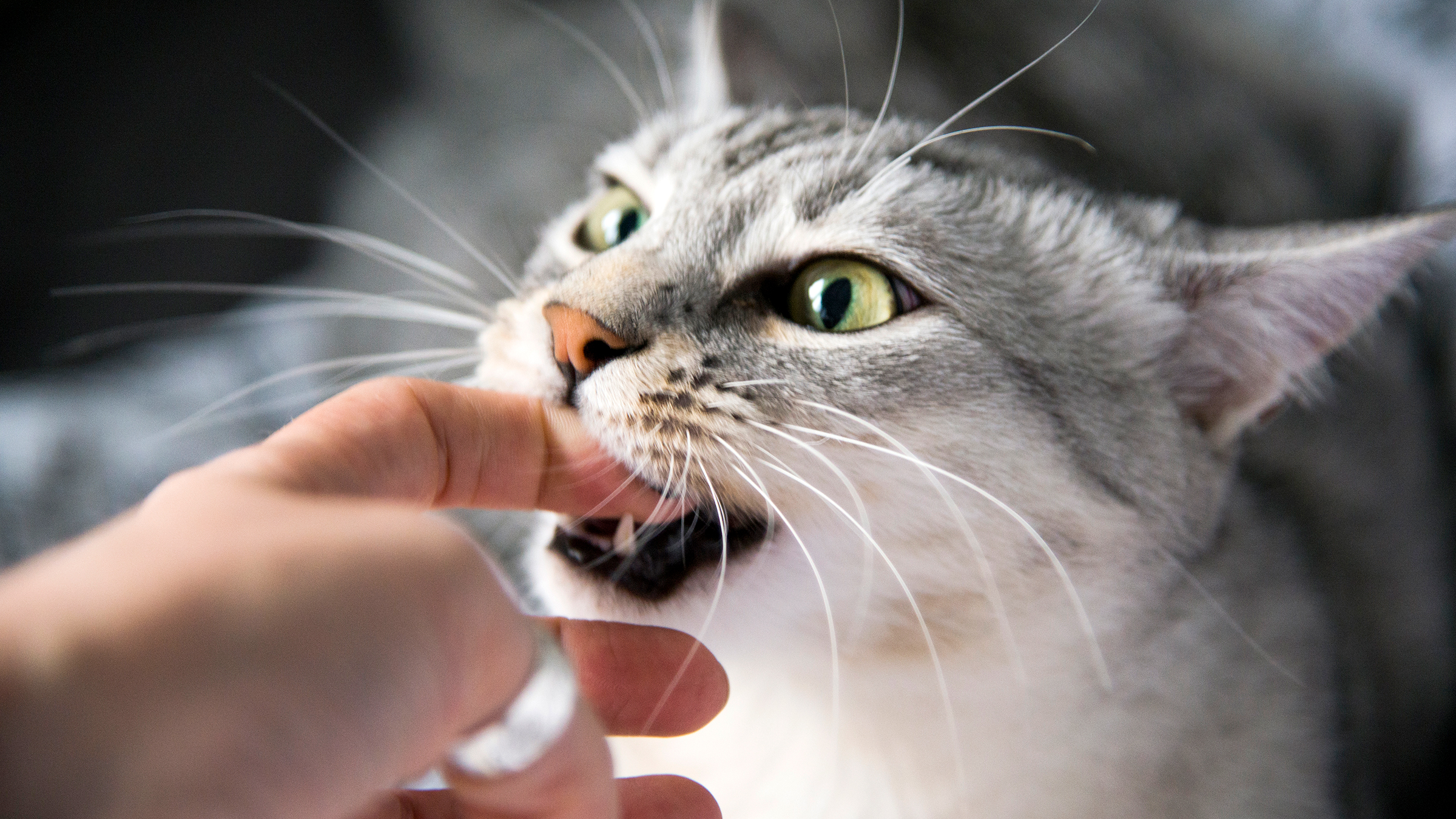
Self-biting during grooming is a common behavior in cats. It often signals discomfort or irritation. Understanding the common causes helps you address the problem quickly. Below are some frequent reasons why cats bite themselves.
Allergies And Skin Irritations
Cats can develop allergies to food, pollen, or chemicals. Allergies cause itchy skin, redness, and swelling. Cats bite or lick the irritated spots to find relief. This constant biting can worsen the skin condition.
Parasites And Fleas
Parasites like fleas and mites cause intense itching. Flea bites irritate the skin and make cats bite or scratch. These tiny pests hide in the fur, making the cat feel uncomfortable. Biting helps the cat try to remove them.
Infections And Wounds
Infections or wounds on the skin cause pain and itching. Cats bite these areas to soothe the discomfort. Open wounds can become worse if the cat bites too much. It is important to check for infections to prevent complications.
Stress And Anxiety Effects
Cats often bite themselves during grooming due to stress and anxiety. This behavior shows their discomfort and helps release tension. Stress can cause cats to lick or bite their skin excessively, sometimes leading to sores or hair loss.
Understanding stress-related grooming helps identify why your cat acts this way. Stress affects cats just like it affects humans. It can come from many sources and lead to unusual behaviors.
Behavioral Causes
Cats may bite themselves because of nervous habits. Stress makes them feel uneasy, so they try to calm down by biting or licking.
- Fear of loud noises or strangers
- Changes in routine or environment
- Separation from owners or other pets
- Boredom or lack of mental stimulation
These behaviors can become repetitive and hard to stop. The cat uses biting to soothe anxiety or frustration.
Environmental Triggers
Stress can arise from factors around your cat’s living space. Certain triggers push cats to groom aggressively.
- New furniture or changes in home layout
- Other pets causing tension
- Unfamiliar visitors or loud noises
- Dirty litter boxes or lack of safe hiding spots
Removing or reducing these triggers helps lower your cat’s stress. A calm environment supports healthier grooming habits.
Credit: www.goodrx.com
Medical Conditions Linked To Biting
Understanding why your cat bites himself during grooming is important, especially when medical issues are involved. Biting can be more than just a quirky habit; it might signal an underlying health problem that needs your attention. Recognizing these conditions early can help you provide better care and comfort for your furry friend.
Pain And Discomfort
Cats often bite themselves to relieve pain or irritation in a specific area. If your cat suddenly starts biting a particular spot, it could be due to an injury, insect bites, or skin infections. You might notice redness, swelling, or hair loss where they bite, which are clear signs your cat is uncomfortable.
Think about the last time you had an itch or pain that you couldn’t ignore. Your cat feels the same way and uses biting as a way to soothe the discomfort. Paying close attention to these signs can help you decide when a vet visit is necessary.
Neurological Issues
Sometimes, biting is linked to neurological problems that affect your cat’s sensation or behavior. Conditions like neuropathy or nerve damage can cause unusual sensations, prompting your cat to bite or chew on themselves. These issues might come with other symptoms like twitching or loss of coordination.
Have you noticed your cat acting strangely or seeming off balance before biting? These clues could point to a neurological cause. Prompt diagnosis and treatment are crucial, so don’t hesitate to consult your veterinarian if you suspect this might be the case.
Identifying Symptoms To Watch
Watch for signs like redness, hair loss, or swelling on your cat’s skin. Notice if biting happens often or causes bleeding. These symptoms may show discomfort or an underlying health issue.
Identifying the symptoms of why your cat bites himself is crucial. Cats often groom themselves excessively. But biting might indicate a problem. Understanding the signs helps address issues early. This section outlines symptoms to watch.Physical Signs
Look for red or inflamed skin. This could indicate irritation. Check for bald patches or thinning fur. These may result from constant biting. Notice any scabs or sores on your cat’s body. These can be signs of over-grooming. Inspect your cat’s coat for signs of fleas or ticks. External parasites can cause discomfort and excessive grooming.Behavioral Changes
Observe if your cat seems restless or agitated. Increased biting might signal discomfort. Notice if your cat isolates himself. Cats often hide when stressed or in pain. Check for changes in appetite or litter box habits. Stress can affect eating and bathroom routines. Watch if your cat becomes aggressive when touched. This might indicate pain or skin irritation. Awareness of these symptoms helps you act promptly. Consult a vet for a thorough diagnosis. Understanding your cat’s behavior ensures their health and well-being.Treatment Options For Self-biting
If your cat is biting himself while grooming, it’s important to find the right treatment to stop this behavior and keep him comfortable. Self-biting can indicate underlying problems like allergies, stress, or even infections. Addressing these issues early can prevent further harm and improve your cat’s quality of life.
Veterinary Care
Start with a visit to your vet to get a clear diagnosis. Your vet can check for skin infections, parasites, or allergies that might cause your cat to bite himself. Sometimes, a simple allergy test or skin scraping can reveal the root cause.
Medications like antibiotics, antifungals, or anti-inflammatory drugs may be prescribed to treat infections or allergic reactions. Your vet might also recommend special shampoos or topical treatments to soothe irritated skin.
Home Remedies
While medical treatment is crucial, you can support your cat’s healing at home. Keep your cat’s environment clean and free from irritants like dust or harsh chemicals. Regularly brushing your cat can help remove loose fur and reduce skin irritation.
Consider using natural remedies like oatmeal baths or aloe vera gel, but only after confirming they are safe with your vet. Also, offering a balanced diet rich in omega-3 fatty acids can improve skin health and reduce itching.
Behavioral Therapy
Sometimes, self-biting is linked to stress or anxiety. Does your cat bite himself more when you’re away or when there’s loud noise? Identifying triggers is key to managing this behavior.
Provide plenty of mental stimulation and playtime to distract your cat from biting. Using pheromone diffusers or calming collars can also create a more relaxing environment.
In some cases, consulting an animal behaviorist can help develop a personalized plan to reduce stress and change harmful habits. Behavioral therapy combined with medical treatment often brings the best results.
Preventing Future Biting Episodes
Preventing your cat from biting himself during grooming is crucial for his comfort and health. Biting can lead to wounds, infections, and stress. Taking simple, consistent steps can reduce or stop this behavior before it worsens.
Environmental Enrichment
Is your cat bored or anxious? Cats often bite themselves out of stress or boredom. Adding toys, scratching posts, and interactive playtime can keep your cat mentally and physically active.
Try rotating toys regularly to keep things fresh. You can also create cozy spots for your cat to relax and feel safe. A happy, engaged cat is less likely to bite himself out of frustration or restlessness.
Regular Health Checks
Have you checked your cat’s skin and coat lately? Sometimes biting is a sign of allergies, parasites, or pain. Regular visits to the vet help catch these issues early before your cat starts biting himself more aggressively.
Look for redness, swelling, or hair loss, and share these observations with your vet. Early treatment can prevent discomfort and reduce the urge to bite. Remember, your cat can’t tell you what hurts, but his behavior speaks volumes.

Credit: www.reddit.com
Frequently Asked Questions
Why Does My Cat Bite Himself During Grooming?
Cats may bite themselves while grooming to remove dirt, loose fur, or parasites. Sometimes, biting helps relieve skin irritation or itchiness caused by allergies or infections.
Is Self-biting A Sign Of Cat Anxiety?
Yes, excessive biting during grooming can indicate stress or anxiety. Cats may over-groom and bite to comfort themselves or release nervous energy.
Can Fleas Cause My Cat To Bite Itself?
Absolutely. Fleas cause intense itching, leading cats to bite and scratch themselves. Flea infestations require prompt treatment to stop discomfort and skin damage.
When Should I Worry About My Cat’s Self-biting?
If your cat bites to the point of injury, hair loss, or bleeding, consult a vet. Persistent biting may signal skin problems or behavioral issues.
Conclusion
Cats bite themselves while grooming for many reasons. Sometimes, they feel itchy or have skin problems. Other times, stress or allergies cause this behavior. Watching your cat closely helps you notice any changes. Keeping your cat clean and calm can reduce biting.
If biting seems painful or lasts long, visit the vet soon. Understanding your cat’s habits keeps them happy and healthy. Small actions make a big difference in their care. Caring well shows your love and keeps your cat safe.

Leave a Reply