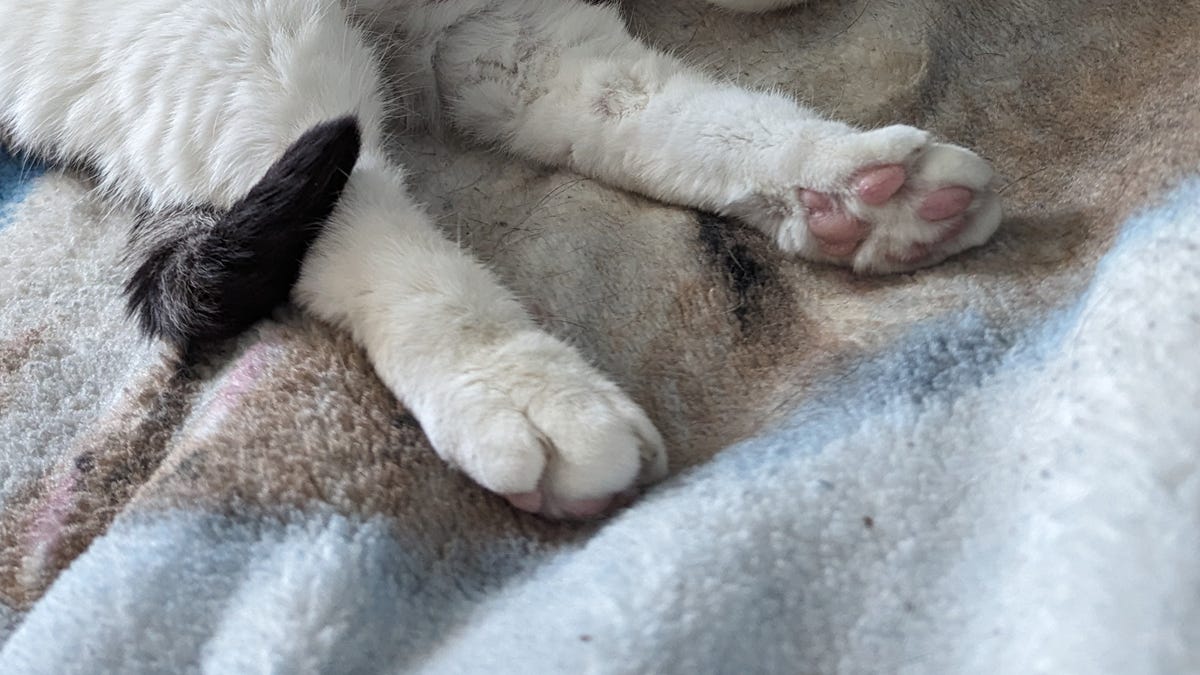
Have you ever watched your cat suddenly stomp on their toy with surprising intensity? It’s a quirky behavior that might leave you curious or even a bit puzzled.
Why do cats do this? What’s going on in their minds when they suddenly switch from gentle play to a full-on stomp attack? Understanding this simple yet fascinating action can help you connect with your furry friend on a deeper level.
Keep reading, and you’ll discover the surprising reasons behind your cat’s toy-stomping habit—and why it’s actually a good sign of their natural instincts at work.
Cat Stomping Behavior
Cat stomping behavior on their toys is a fascinating display of their natural instincts and emotions. Watching your feline friend stomp on a toy can be both amusing and puzzling. Understanding why they do it helps you connect better with your cat and enrich their playtime.
What Does Stomping Mean
Stomping usually signals a cat’s playful hunting instincts. When your cat stomps on a toy, they mimic capturing and subduing prey. This behavior is rooted in their wild ancestry where they needed to immobilize their catch before eating.
Your cat might also stomp out of excitement or frustration. If a toy moves unpredictably, the stomping helps your cat regain control of the situation. Have you noticed your cat’s eyes fixated and tail twitching just before they stomp? That’s a sign they’re fully engaged in their “hunt.”
Common Stomping Patterns
- Fast, repetitive stomps:This usually means your cat is excited and focused on the toy.
- Slow, deliberate stomps:These often indicate a more calculated approach, mimicking how cats would carefully hold prey.
- Stomping combined with biting:This shows your cat is trying to “kill” the toy, completing the hunting sequence.
- Occasional paw pressing:Sometimes, cats press their paws rhythmically, which is a comforting action linked to kitten behavior.
Recognizing these patterns can help you choose toys that better satisfy your cat’s natural urges. If your cat stomps a lot, try toys that move unpredictably or mimic small animals. This keeps their instincts sharp and your cat happy.
Hunting Instincts
Cats have strong hunting instincts that guide their behavior. Stomping on toys is part of these natural drives. This action mimics how wild cats handle prey. It helps them stay sharp and ready for real hunting.
Simulating Prey Capture
When cats stomp on toys, they imitate catching prey. The toy becomes a small animal to them. Stomping shows control and dominance over the “prey.” It feels satisfying and natural to them. This behavior keeps their instincts alive even indoors.
Practice For Real Hunts
Stomping also acts as practice for actual hunting. Cats sharpen their skills through play. They learn timing, strength, and precision by using toys. This practice improves their chances of success outside. It’s a safe way to train their bodies and minds.
Play And Exercise
Play and exercise are essential parts of a cat’s daily routine. They keep your feline friend healthy and happy, while also preventing boredom and destructive behavior. When you watch your cat stomp on their toys, you are seeing a natural way they engage with their environment.
Energy Release
Cats have bursts of high energy that need an outlet. Stomping on toys allows them to burn off that excess energy quickly and safely.
Think about your own need to move after sitting for a long time. Your cat feels the same, but with playful intensity. When your cat pounces and stomps on a toy, they mimic hunting behavior and get a satisfying physical release.
Have you noticed how your cat’s energy changes after a good play session? They often become calmer and more relaxed. That’s because they’ve used up some of their natural drive to chase and capture.
Mental Stimulation
Stomping on toys isn’t just physical—it’s a brain workout too. Your cat’s mind stays sharp as they focus on catching, grabbing, and controlling their toy.
This kind of play keeps them alert and curious. It also helps prevent boredom, which can lead to unwanted behaviors like scratching furniture or overeating.
Try offering different types of toys to challenge your cat’s mind. You might see them stomp more as they figure out how to “defeat” new objects. What new toy could spark your cat’s interest today?
Territorial Signals
Cats use their paws to send messages about territory. Stomping on toys is one way they do this. It shows other animals that the toy belongs to them. This behavior helps cats feel secure in their space.
Marking Toys
Cats have scent glands in their paws. When they stomp on toys, they release their scent. This marks the toy as part of their territory. Other cats can smell this and know the toy is claimed.
By marking toys, cats create a safe zone. They feel more comfortable playing and resting nearby. This scent marking is a quiet way to say, “This is mine.”
Claiming Ownership
Stomping on toys shows ownership beyond scent. It also signals to other pets in the home. The cat is telling others to keep away from their toy. This helps reduce conflicts over favorite items.
Ownership claims help cats build confidence. It reinforces their place in the household. The stamping is a clear sign of possession and pride.
Emotional Expression
Cats use body language to show their feelings. Stomping on toys is one way they express emotions. This behavior helps them share what they feel inside. It is a natural way for cats to communicate and react to their world.
Excitement And Joy
When cats stomp on toys, they often feel happy or excited. It shows they enjoy playing. The quick, strong movements release energy and express joy. This action can be seen after a cat catches a toy or during playtime. Stomping helps them stay active and entertained.
Stress Relief
Stomping also helps cats handle stress. It acts as a way to calm down and feel safer. The repetitive motion can soothe their nerves. This behavior might appear when a cat feels anxious or unsure. Stomping on toys gives cats a simple way to manage their emotions.

Credit: medium.com
Kitten Development
Cats stomp on their toys to mimic hunting behavior and practice their skills. This action helps kittens learn how to catch and control prey naturally. Stomping also shows excitement and helps release energy during playtime.
Cats have a fascinating way of interacting with their toys, especially when they’re kittens. This behavior is not just random; it’s an important part of their development. Watching a kitten stomp on its toys might seem amusing, but there’s much more happening beneath those tiny paws.Learning Motor Skills
Kittens are like little explorers, constantly testing their limits. Stomping on toys helps them develop their motor skills. By pouncing, biting, and kicking, they’re honing their coordination. Consider how a toddler learns to walk by stumbling and falling. Kittens are doing something similar. They’re learning how their bodies work and gaining confidence in their movements.Social Play Behavior
Cats are naturally playful creatures, and social play is crucial for their development. When kittens stomp on their toys, they’re often mimicking behaviors they’d use with siblings. This kind of play helps kittens learn important social cues. They discover how to interact with others, understand boundaries, and even practice gentle hunting skills. Have you ever noticed how a kitten adjusts its play style when interacting with different toys or other animals? This adaptability is a sign of their growing social intelligence. Engaging with your kitten during play can enhance their learning experience. Try using a variety of toys to see how they respond and learn. What new skills will your kitten develop next?How To Encourage Healthy Stomping
Encouraging healthy stomping helps cats express natural hunting instincts safely. It keeps your cat active and mentally sharp. Healthy play reduces stress and prevents destructive behavior. Supporting proper stomping means choosing toys and spaces wisely.
Choosing The Right Toys
Select toys that mimic prey to spark interest. Soft, lightweight toys work well for stomping. Toys with feathers or small bells engage the cat’s senses. Avoid hard or sharp toys that may hurt paws. Rotate toys often to maintain excitement and prevent boredom.
Safe Play Environment
Provide a quiet, open space for your cat to play freely. Remove breakable items or sharp objects nearby. Use rugs or mats to cushion the floor and protect claws. Encourage regular play sessions to channel energy positively. Ensure the area is well-lit to keep your cat alert and safe.
Credit: medium.com

Credit: medium.com
Frequently Asked Questions
Why Do Cats Stomp On Toys Repeatedly?
Cats stomp on toys to mimic hunting behavior. This action helps them practice capturing and immobilizing prey. It also expresses excitement and engagement during play. Stomping stimulates their natural instincts and provides mental and physical exercise.
Is Toy Stomping A Sign Of Aggression In Cats?
Toy stomping is usually not aggressive. It reflects a cat’s playful and hunting instincts. Sometimes, it helps release energy or stress. However, if combined with growling or hissing, it may indicate frustration or overstimulation.
How Does Stomping Benefit My Cat’s Health?
Stomping on toys promotes physical activity and sharpens hunting skills. It keeps cats mentally stimulated and reduces boredom. This behavior supports healthy exercise and helps maintain a cat’s weight and agility.
Can Toy Stomping Indicate A Cat’s Mood?
Yes, stomping often shows excitement or focus. It means your cat is engaged and enjoying playtime. In some cases, stomping signals frustration or a need for more stimulation.
Conclusion
Cats stomp on their toys to show their natural hunting skills. This behavior helps them practice and stay active. Stomping also keeps playtime fun and interesting for cats. Understanding this can deepen your bond with your pet. Watch closely—each stomp tells a story about your cat’s instincts.
Keep providing toys to encourage this healthy activity. It’s a simple way to keep your cat happy and engaged every day.

Leave a Reply