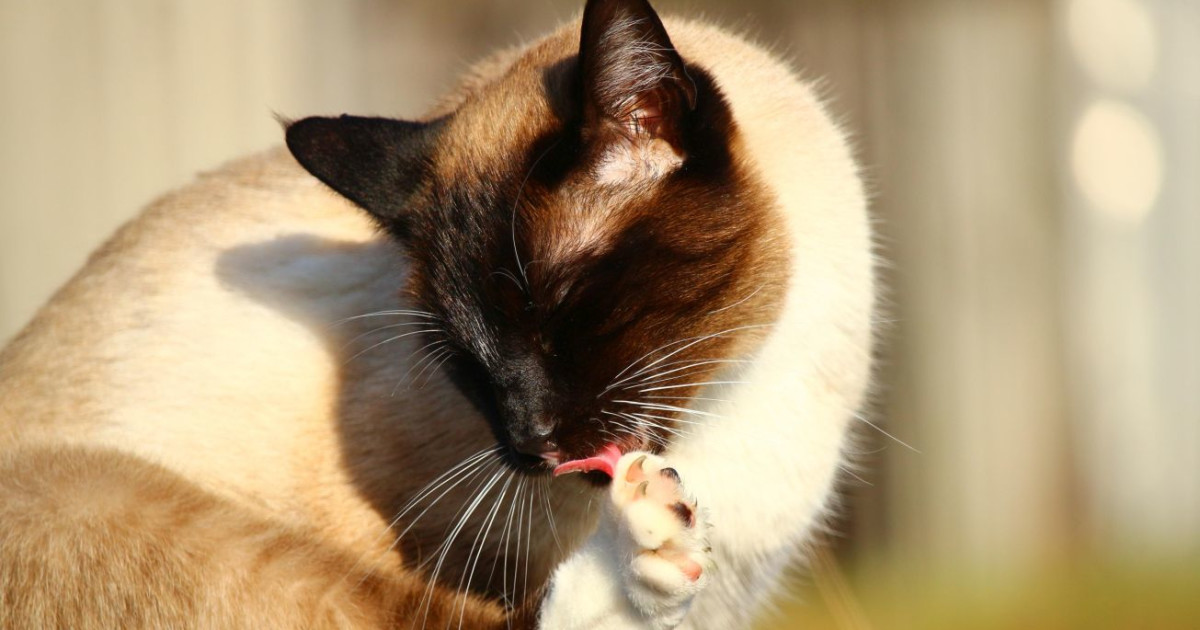
Have you ever watched your cat spend hours licking and cleaning himself and wondered, “Why does my cat always groom himself?” It’s a behavior that might seem simple, but it holds a lot of meaning.
Understanding why your furry friend grooms so often can help you spot if something is wrong or just appreciate his natural habits. Keep reading to discover the surprising reasons behind your cat’s constant grooming and what it means for his health and happiness.
Credit: pethelpful.com
Cat Grooming Basics
Understanding the basics of cat grooming helps you recognize why your feline friend spends so much time cleaning themselves. Grooming is more than just about looking neat; it plays a vital role in their health and comfort. Observing your cat’s grooming habits gives you insight into their well-being and mood.
How Cats Groom Themselves
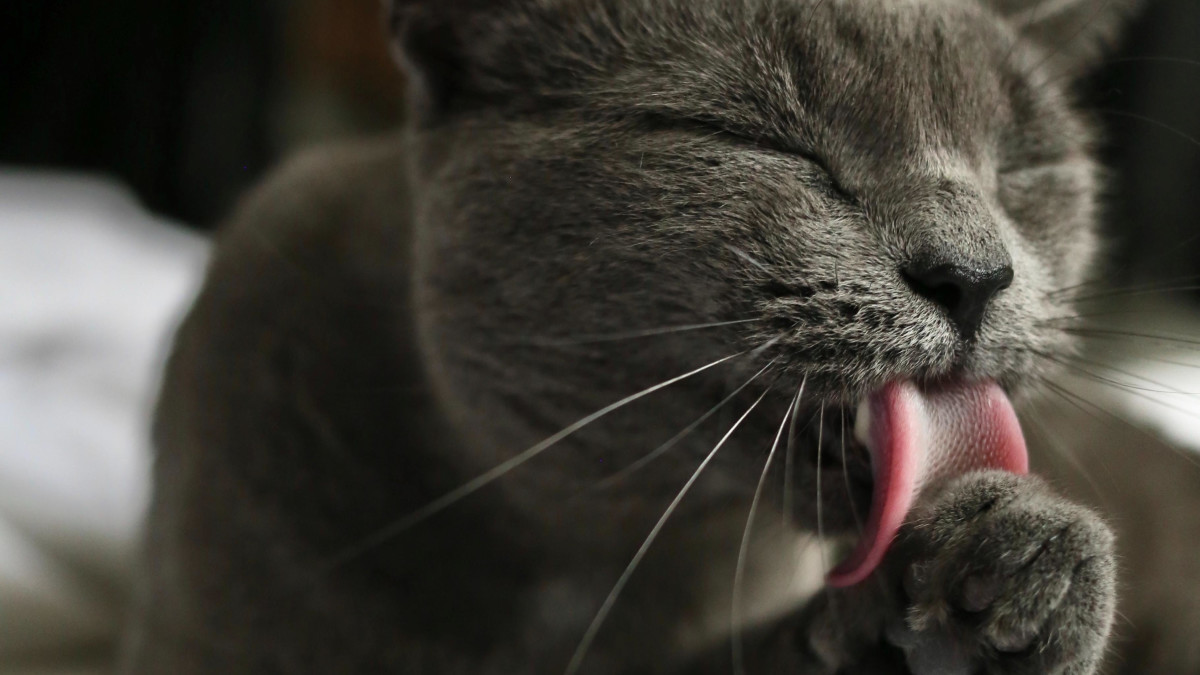
Cats use their tongues, teeth, and paws to keep clean. Their tongues have tiny, hook-like structures that catch loose fur and dirt effectively. You might notice your cat licking their fur in long, thorough strokes—this action removes debris and spreads natural oils for a shiny coat.
They also nibble on tangled fur or spots that need extra attention. Sometimes, cats use their paws to wipe their faces, dipping them in saliva first to help clean hard-to-reach areas. Have you ever watched your cat pause mid-groom to scratch an itch? This shows how attentive they are to their comfort.
Frequency Of Grooming
Most cats groom themselves several times a day, often spending up to 50% of their waking hours on this activity. Younger cats and those with longer fur tend to groom more frequently to keep their coats manageable. If your cat suddenly grooms more or less than usual, it could signal stress or a health problem.
Senior cats might groom less due to arthritis or dental issues, so watching changes in grooming can help you catch problems early. Have you noticed your cat’s grooming routine shift after a stressful event or change in environment? These subtle clues are worth paying attention to for their overall health.
Health Benefits Of Grooming
Cats spend a lot of time grooming themselves, and it serves many health purposes. Grooming is not just about looking clean. It helps keep cats healthy in different ways. This natural habit plays a key role in their well-being.
Skin And Coat Care
Grooming removes dirt and loose fur from a cat’s body. This keeps their skin clean and reduces the chance of infections. It also spreads natural oils from the skin to the fur. These oils keep the coat soft and shiny. A clean coat protects cats from harsh weather and bugs.
Temperature Regulation
Cats use grooming to help control their body temperature. Licking spreads saliva on their fur, which cools them down as it evaporates. Grooming also removes extra fur during hot seasons. This helps cats stay comfortable and avoid overheating. In cold weather, grooming fluffs up the fur for better warmth.
Emotional And Behavioral Reasons
Cats often groom themselves to calm down or reduce stress. Excessive grooming may signal anxiety or boredom. This behavior helps them feel safe and in control.
Cats are mysterious creatures, often leaving us puzzled by their behaviors. One such behavior is their constant grooming. While it might seem like a vanity ritual, grooming holds deeper emotional and behavioral meanings. Understanding these can offer insights into your cat’s emotional world, helping you foster a more harmonious relationship.Stress Relief And Comfort
Grooming acts as a soothing mechanism for cats, much like how a warm bath might comfort you after a long day. When a cat grooms, it releases endorphins, which are natural mood enhancers. If you’ve ever noticed your cat grooming more than usual after a stressful event, like a visit to the vet, it’s their way of coping with anxiety. Cats also groom themselves to create a sense of routine and predictability in their lives. This is especially true in multi-pet households where dynamics can change rapidly. A stable grooming routine provides a sense of control and familiarity amidst the chaos.Marking Territory
Cats have scent glands around their face and body, and grooming helps spread their unique scent. This scent-marking is a subtle way for your feline friend to claim ownership of their space and reinforce their presence. If you have multiple cats, you might notice them grooming each other. This is a social behavior that strengthens bonds and establishes group identity. It’s their way of saying, “You’re part of my family.” Have you ever wondered if your cat grooms you? It’s a profound gesture of trust and inclusion, marking you as an honorary member of their territory. Understanding these grooming behaviors can deepen your connection with your furry companion, reminding you that even the smallest actions carry significant meaning.)
Credit: www.northroadvet.com.au
Social Grooming And Bonding
Cats don’t just groom themselves for cleanliness—they also use grooming as a way to connect with others. Social grooming is a key part of how cats build and maintain relationships. It shows trust and creates bonds, whether with other cats or with you.
Grooming Other Cats
When cats groom each other, it’s called allogrooming. This behavior helps reduce tension and strengthens friendships. You might notice cats licking behind each other’s ears or around the neck—areas they can’t easily reach themselves.
If you have more than one cat, watch how they take turns grooming. It’s their way of saying, “I trust you” and “You belong with me.” This mutual grooming often means they feel safe and comfortable together.
Grooming And Human Interaction
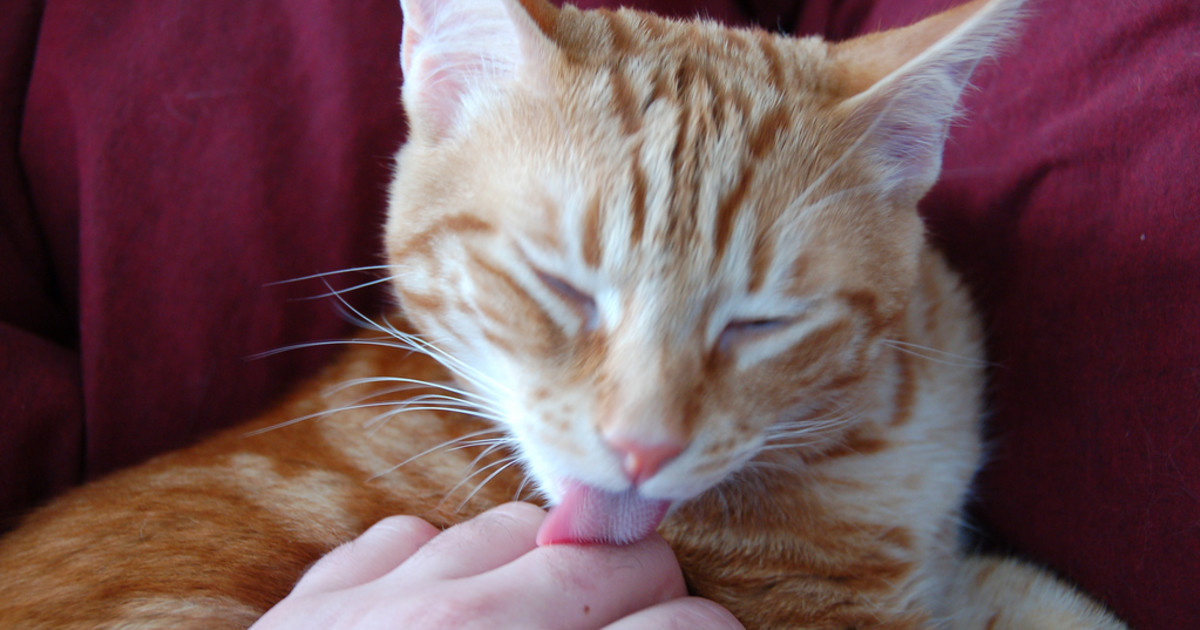
Your cat might try to groom you by licking your hands or face. This is their way of including you in their social group. It’s a sign of affection and acceptance, much like how they groom other cats.
Have you ever noticed your cat licking you after a stressful event? It’s their way of calming both themselves and you. You can encourage this bonding by gently petting your cat during these moments, making grooming a shared experience.
Excessive Grooming Causes
Excessive grooming in cats can signal underlying issues. It often means something is bothering your cat’s skin or mind. Understanding these causes helps you care for your cat better.
Allergies And Skin Irritations
Allergies make a cat’s skin itchy and uncomfortable. Common allergies include food, pollen, and dust mites. Cats scratch and lick to ease the itch. This can lead to hair loss and red, inflamed skin.
Skin irritations from chemicals or new products also cause grooming. Detergents, shampoos, or flea sprays might trigger reactions. Watch for consistent licking or biting at one spot.
Parasites And Infections
Parasites like fleas, mites, or ticks cause intense itching. Cats groom to remove these pests. Flea bites can cause allergic reactions and skin wounds.
Infections from bacteria or fungi worsen skin problems. Grooming tries to clean wounds or sores. Left untreated, infections can spread and cause pain.
Behavioral Disorders
Stress or anxiety can make cats groom excessively. Cats use grooming to calm themselves during tension. Boredom or lack of stimulation may also cause this behavior.
Some cats develop compulsive grooming habits. This leads to bald patches and skin damage. Behavioral issues often need help from a vet or animal behaviorist.
When To See A Vet
Cats groom themselves to stay clean and healthy. Grooming is normal, but too much can signal a problem. Knowing when to see a vet helps protect your cat’s health. Early care can prevent bigger issues.
Signs Of Overgrooming
- Hair loss or bald patches
- Red, irritated, or raw skin
- Frequent licking or biting at the same spot
- Scabs or sores on the skin
- Changes in behavior, like restlessness or hiding
These signs may show discomfort or pain. Overgrooming can result from allergies, parasites, stress, or skin infections. A vet can find the exact cause.
Treatment Options
Treatment depends on the cause of overgrooming. Your vet may suggest:
- Medications for allergies or infections
- Parasite control treatments
- Special shampoos to soothe skin
- Behavioral advice to reduce stress
- Diet changes to improve skin health
Follow the vet’s advice carefully. Early treatment helps your cat feel better fast.
Tips To Support Healthy Grooming
Supporting your cat’s grooming habits helps keep their coat clean and skin healthy. Healthy grooming prevents hairballs and skin problems. Simple actions from you can improve their grooming routine and comfort.
Regular Brushing
Brushing your cat often removes loose fur and dirt. It stops hair from matting and reduces shedding around your home. Use a brush that fits your cat’s fur type. Brushing also helps spread natural oils, making the coat shiny and smooth. Gentle strokes calm your cat and build trust between you.
Creating A Calm Environment
A calm space encourages your cat to groom without stress. Loud noises and sudden movements can make grooming hard for them. Provide a quiet, warm area with soft bedding. Let your cat rest undisturbed after meals or play. Stress relief supports better grooming habits and overall wellbeing.
Credit: pethelpful.com
Frequently Asked Questions
Why Does My Cat Groom So Frequently?
Cats groom frequently to clean their fur and regulate body temperature. Grooming also reduces stress and strengthens bonds with their environment.
Is Excessive Grooming A Sign Of Health Issues?
Yes, excessive grooming can indicate allergies, skin infections, or parasites. If grooming seems obsessive, consult a vet for proper diagnosis.
How Does Grooming Benefit A Cat’s Health?
Grooming removes dirt and loose fur, preventing matting. It also stimulates blood flow and distributes natural oils for a healthy coat.
Can Grooming Be A Stress-relief For Cats?
Absolutely. Grooming releases endorphins, helping cats relax. It’s their natural way to calm down during stressful situations.
Conclusion
Cats groom themselves to stay clean and healthy. It helps them remove dirt and loose fur. Grooming also calms cats and reduces stress. Sometimes, it shows their mood or health changes. Watching your cat groom can teach you about their needs.
Keep an eye on grooming habits for any sudden changes. Healthy grooming means a happy cat. Understanding this behavior makes your bond stronger. Caring for your cat starts with knowing why they groom. Simple but important.

Leave a Reply