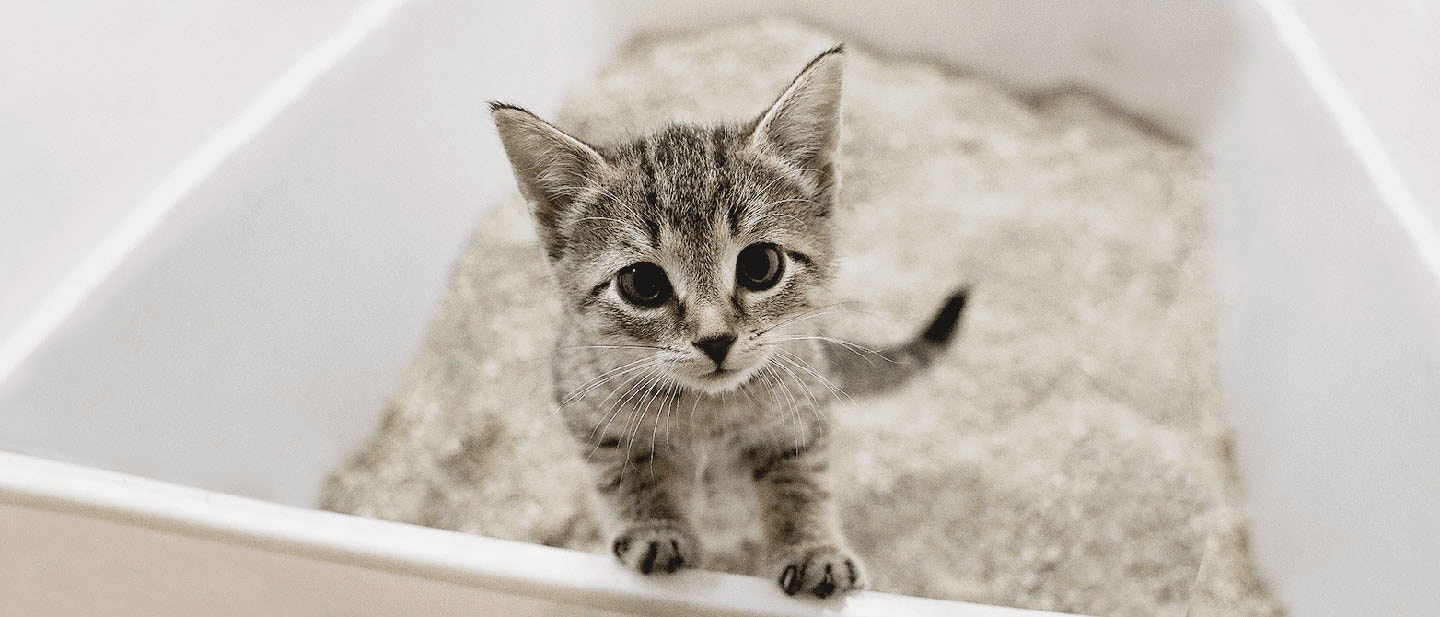
Bringing a stray cat into your home is a big step, and teaching it to use the litter box can feel overwhelming. You might wonder if it’s even possible to potty train a cat that’s used to living outside.
The good news is, with the right approach, patience, and a few simple tricks, you can help your stray cat learn where to go. In this guide, you’ll discover easy, practical steps to make potty training smooth for both you and your new furry friend.
Keep reading—you’re closer than you think to a cleaner, happier home for you and your cat.

Credit: www.purina.com
Preparing Your Home
Preparing your home is a crucial first step before you start potty training a stray cat. The environment you create will directly influence your cat’s comfort and willingness to use the litter box. Taking time to set up the right tools and space can make the transition smoother for both of you.
Choosing The Right Litter Box
Picking the right litter box is more important than many realize. Stray cats might be wary of unfamiliar shapes or sizes, so a simple, open box often works best. Avoid covered boxes initially, as they can feel confining and scary.
Consider the size of your cat—if it’s small or timid, a shallow box with low sides makes access easier. You might want to try multiple boxes to see which your cat prefers. Cleanliness matters too; a box that’s easy to scoop will encourage you to keep it fresh, and your cat will appreciate it.
Selecting Appropriate Litter
Not all cat litters are equal in the eyes of a stray cat. Many prefer unscented, clumping litter because it feels more natural and less overpowering. Strong scents or unusual textures can scare a cat away from using the box.
If you’re unsure, start with a plain, clay-based clumping litter and observe your cat’s reaction. Some cats prefer finer grains that mimic sand or soil. Watch for signs like pawing or avoiding the box and adjust accordingly.
Creating A Safe Space
Your stray cat needs a quiet, secure spot for its litter box. Choose a location away from loud noises, busy areas, and places where other pets might disturb it. Cats value privacy, especially when they’re learning new habits.
Think about your own home’s layout. Is there a corner in a seldom-used room or a quiet hallway that can serve as a bathroom area? Adding a soft mat nearby can also help keep the area tidy and comfortable.
Have you considered how your cat’s past experiences might affect its comfort? A stray might be especially cautious, so patience and a calm environment are your best allies here.
Building Trust With The Cat
Building trust with a stray cat is the first key to successful potty training. Stray cats often feel scared or unsure around humans. Gaining their trust takes patience and gentle actions. A cat that trusts you will feel safe using the litter box in your home.
Approaching Calmly
Approach the cat slowly and quietly. Sudden movements can scare it away. Speak softly to calm the cat. Avoid direct eye contact at first. Let the cat see your hands before touching. Sit or crouch to appear less threatening. Give the cat space to come closer on its own.
Offering Food And Comfort
Food is a great way to gain trust. Offer small, tasty treats or wet cat food. Place food near the cat but not too close at first. Gradually bring the food bowl nearer each day. Provide a soft, warm spot for resting. A cozy blanket or bed helps the cat feel safe. This comfort builds positive feelings around you.
Establishing A Routine
Cats like predictability and routine. Feed the cat at the same times daily. Keep the litter box clean and in a quiet place. Show the cat where the litter box is. Gently place the cat in the box after meals or naps. Routine helps the cat learn where to go. Consistency makes the cat more confident and calm.
Introducing The Litter Box
Introducing the litter box helps a stray cat learn where to go potty. Place it in a quiet, safe spot and show the cat gently. Patience and gentle guidance make the process easier for both of you.
Introducing the Litter Box Potty training a stray cat can be a rewarding challenge. The first step in this journey is introducing the litter box. This essential tool will become the centerpiece of your cat’s bathroom routine. Understanding your cat’s needs and instincts is key. Cats prefer a clean, private space for their business. Let’s explore how you can make this transition smooth and successful.Placing The Box Strategically
Location is crucial when setting up a litter box. Choose a quiet, low-traffic area where your cat feels safe and undisturbed. Avoid placing it near their food or water, as cats naturally prefer separation between their eating and elimination areas. Consider accessibility. Make sure the box is easy for your cat to get to, especially if they’re still adjusting to indoor life. If your home has multiple levels, think about having a box on each floor.Encouraging Exploration
Start by gently guiding your cat to the litter box. Let them sniff and explore without pressure. You might find them curious, pawing at the litter or circling the box. Use a little encouragement. Try placing a small amount of their waste in the box to signal its purpose. Positive reinforcement, like a treat or gentle praise, can make all the difference when they use it correctly.Handling Initial Accidents
Accidents are part of the learning curve. Don’t scold or punish your cat; this can create anxiety and setbacks. Instead, clean the area thoroughly to remove any scent markers, which might encourage repeat offenses. Observe patterns. If accidents happen often, reassess the location or type of litter you’re using. Sometimes, a simple change can solve the problem. Every cat is unique, and patience is your ally. What challenges have you faced while potty training your cat, and how did you overcome them?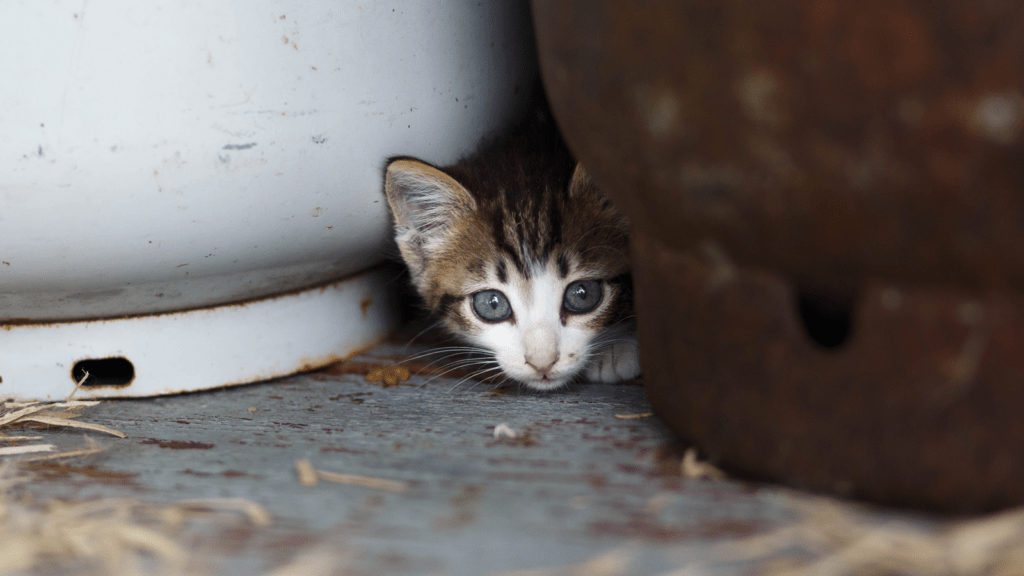
Credit: trapandreturn.com
Reinforcing Good Behavior
Reinforcing good behavior is key to potty training a stray cat. Positive actions encourage the cat to repeat the right habits. Patience and consistency make the process smoother. Rewarding success helps build trust and confidence. Watch the cat’s behavior closely to guide training effectively.
Using Positive Reinforcement
Give treats or praise when the cat uses the litter box correctly. This shows the cat what behavior you want. Use gentle words and soft petting as rewards. Avoid punishment, as it can cause fear and confusion. Consistent positive feedback motivates the cat to keep trying.
Monitoring Progress
Keep track of the cat’s litter box use daily. Note any accidents or signs of hesitation. This helps identify patterns and areas needing improvement. Use a simple chart or diary for easy tracking. Regular observation guides your next training steps.
Adjusting Techniques As Needed
Change your approach if progress stalls. Try different rewards or litter box locations. Make sure the box is clean and accessible at all times. Be flexible and patient; each cat learns differently. Small changes can lead to big improvements in behavior.
Dealing With Common Challenges
Potty training a stray cat can bring some challenges. Stray cats often carry fear and confusion about their new environment. Patience and gentle care make the process smoother. Understanding common hurdles helps keep frustration low and progress steady.
Addressing Fear Or Anxiety
Stray cats may hide or avoid the litter box due to fear. Create a calm space with minimal noise and light. Let the cat explore at its own pace. Soft talking and gentle petting build trust. Use a covered litter box to offer security. Avoid sudden movements or loud sounds near the cat.
Managing Litter Box Avoidance
Some cats refuse the litter box at first. Check the box’s cleanliness and location. Place it in a quiet, accessible spot. Use unscented, clumping litter to attract the cat. Try different litter textures if needed. Reward the cat with treats or praise after each use. Keep multiple boxes if the space is large.
Handling Regression
Regression is common during stress or changes. A cat may stop using the box temporarily. Stay calm and avoid punishment. Return the litter box to a known safe place. Reintroduce litter training steps gently. Observe for health issues that may cause accidents. Consistency and patience help rebuild habits.
Maintaining Long-term Success
Maintaining long-term success in potty training a stray cat requires ongoing attention and care. It’s easy to think the job is done once the cat uses the litter box correctly, but habits can slip without consistent effort. Staying vigilant helps your cat feel comfortable and prevents accidents that can undo your hard work.
Keeping The Litter Box Clean
A clean litter box is the foundation of good bathroom habits. Cats are very particular about hygiene, so scooping waste daily and changing the litter regularly keeps your cat coming back. You might notice your cat avoiding the box if it smells or feels dirty—have you seen this happen?
Try using unscented, clumping litter for easier cleaning and better odor control. Also, place the litter box in a quiet, low-traffic area to make your cat feel safe. This simple care routine can prevent many common potty training setbacks.
Providing Consistent Care
Consistency is key for stray cats adapting to indoor life. Feeding your cat at the same times daily and keeping a regular schedule helps reduce stress, which affects litter box use. Have you considered how stress might influence your cat’s behavior?
Stick to the same type of litter and box style to avoid confusion. Sudden changes can cause your cat to seek other places to relieve itself. Your patience and steady routine build trust and reinforce good habits over time.
Recognizing When To Seek Help
Sometimes, accidents happen despite your best efforts. If your cat suddenly stops using the litter box or starts going outside the box, it could indicate a health problem. Have you noticed any signs like frequent urination, straining, or lethargy?
Don’t hesitate to consult a vet if you see unusual behavior. Early diagnosis of infections or other issues can save your cat discomfort and help you maintain potty training success. Remember, your cat’s wellbeing is as important as the training itself.

Credit: www.happypawsus.com
Frequently Asked Questions
How Long Does Potty Training A Stray Cat Take?
Potty training a stray cat usually takes 1 to 3 weeks. Consistency and patience are key. Each cat learns at its own pace.
What Supplies Are Needed To Potty Train A Stray Cat?
You need a litter box, cat litter, cleaning supplies, and treats. Choose a quiet, accessible spot for the litter box to encourage use.
Can Stray Cats Learn To Use A Litter Box Indoors?
Yes, stray cats can learn with proper training and patience. Introduce the litter box gradually and reward positive behavior to reinforce learning.
How To Handle Accidents During Stray Cat Potty Training?
Clean accidents immediately with enzyme cleaner to remove odors. Avoid punishment; instead, gently guide the cat to the litter box to encourage use.
Conclusion
Potty training a stray cat takes time and patience. Start with a clean, quiet litter box in a safe spot. Praise your cat when it uses the box correctly. Watch for signs of confusion or fear and adjust your approach.
Keep routines simple and consistent every day. Your stray cat will learn and feel more comfortable soon. Enjoy the process and the bond you build together. Success comes with gentle care and steady effort.


Leave a Reply