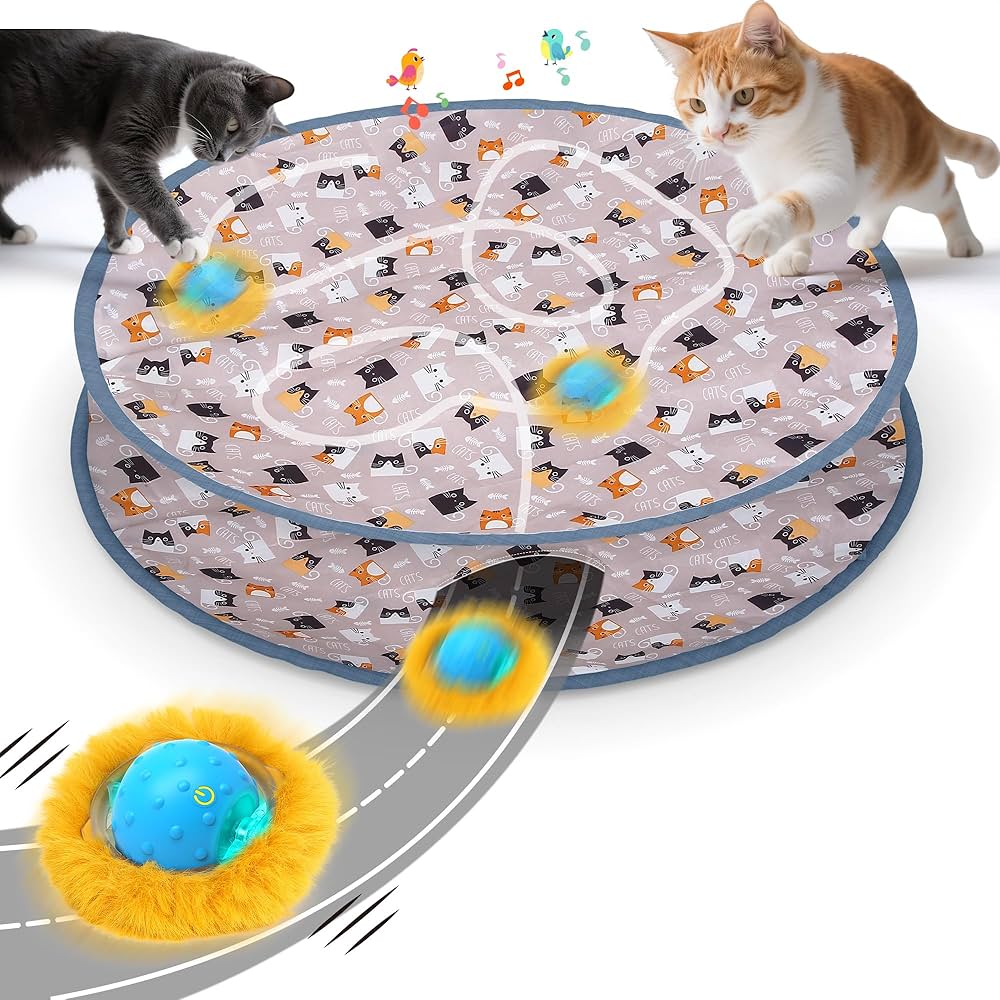
Have you ever noticed your cat quietly stashing its toys in strange places around your home? You might wonder, why does your cat hide toys instead of just playing with them?
Understanding this curious behavior can reveal a lot about your furry friend’s instincts and feelings. By uncovering the reasons behind this habit, you’ll get closer to your cat’s mind and strengthen your bond. Keep reading to discover why your cat hides toys and what it means for their happiness and well-being.

Credit: www.amazon.ca
Cats And Their Toy Hiding Habits
Cats have unique ways of playing and storing their favorite toys. They often hide toys in secret spots around the house. This behavior might seem strange, but it is natural and meaningful for cats.
Understanding why cats hide toys helps owners connect better with their pets. It also reveals important insights into a cat’s instincts and emotions. Let’s explore the reasons behind this curious habit.
Cats’ Hunting Instinct And Toy Hiding
Cats are natural hunters. They catch prey and hide leftovers to eat later. Toys become their pretend prey. Hiding toys mimics this hunting behavior. It is a way for cats to feel safe and satisfied.
Marking Territory With Hidden Toys
Hiding toys marks a cat’s territory. Cats use scent glands on their paws and body. Toys carry the cat’s scent. Storing toys in special places shows ownership. It helps cats feel secure in their environment.
Emotional Comfort And Stress Relief
Toys give emotional comfort to cats. Hiding toys can reduce stress and anxiety. It creates a safe space for them. This habit can help cats feel calm and relaxed at home.
Playfulness And Mental Stimulation
Hiding toys keeps cats mentally active. It challenges their minds to find and retrieve toys later. This game-like activity prevents boredom. It supports healthy play and engagement.
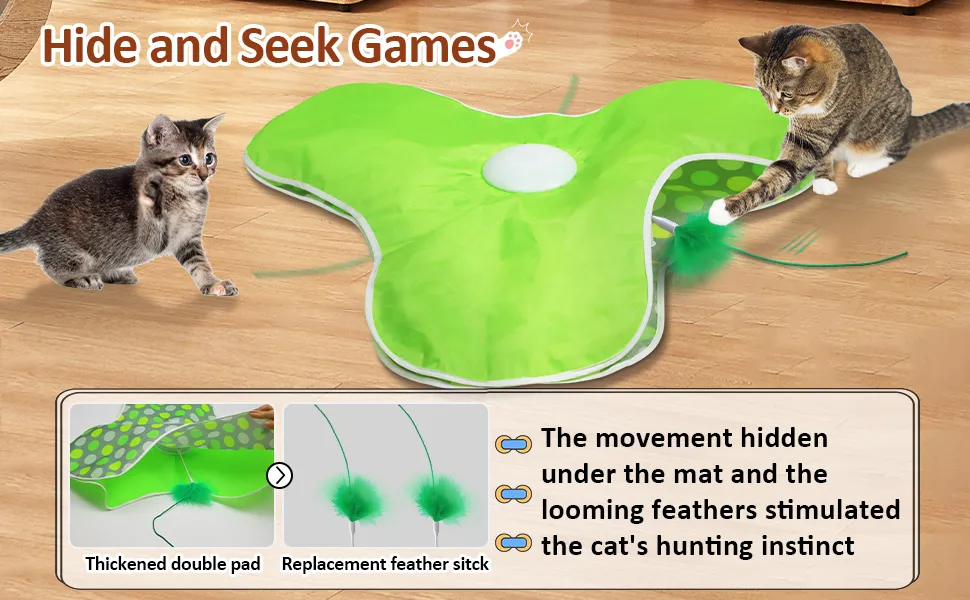
Credit: ie.dhgate.com
Instinctive Behavior Behind Toy Hiding
Cats have an ancient connection to hunting and survival. Their habit of hiding toys reflects deep instincts. These behaviors help them feel safe and in control. Understanding these instincts reveals why cats stash their playthings away. It is more than just play; it is a natural act rooted in their wild ancestry.
Hunting And Storing Prey
Cats treat toys like prey animals. They carry them to a safe spot. This mimics hunting and storing food in the wild. Stashing toys is like saving a meal for later. It keeps their hunting skills sharp and ready.
Territory Marking
Hiding toys helps cats mark their territory. Toys carry their scent, which tells others this space is claimed. This behavior is a quiet way to say, “This is mine.” It reassures cats in their environment.
Safety And Security
Storing toys offers cats a sense of security. In hiding spots, they feel protected from threats. This safe feeling lowers their stress. It gives cats peace and comfort in their home.
Emotional Factors Influencing Toy Hiding
Understanding why your cat hides its toys can reveal much about its emotional world. Cats don’t just stash toys randomly; their behavior often reflects underlying feelings or needs. Recognizing these emotional factors can help you respond better to your furry friend’s actions and strengthen your bond.
Stress And Anxiety
When cats feel stressed or anxious, they may hide their toys as a way to regain control over their environment. This behavior can serve as a coping mechanism, giving them a small sense of security. Have you noticed your cat hiding toys during loud noises or changes at home? That’s a clue they might be trying to soothe themselves.
To help your cat, create quiet spaces and maintain a consistent routine. You could also try calming products like pheromone diffusers. Paying attention to when toy hiding happens can guide you in reducing your cat’s stress.
Playfulness And Attention Seeking
Cats sometimes hide toys simply because they want to play or get your attention. Your cat might be inviting you to join in a game or trying to show off its hunting skills. Have you ever found a toy under the couch and wondered if your cat was waiting for you to find it?
Engage with your cat by initiating interactive play sessions. Use the hidden toys as a starting point to encourage movement and fun. This not only satisfies their playful nature but also builds a positive connection between you.
Possessiveness
Possessiveness can drive cats to hide toys, treating them like prized possessions. This behavior is often seen in multi-cat households where your cat may want to keep its treasures away from others. Does your cat guard certain toys or stash them in places only it knows?
To ease possessiveness, provide multiple toys and rotate them regularly. Make sure each cat has its own space and resources. Understanding this need can prevent conflicts and make your home more peaceful.
Environmental Triggers For Toy Hiding
Understanding why your cat hides toys can reveal a lot about their comfort and environment. Cats are sensitive to changes around them and often respond by stashing their favorite items. These behaviors can be linked directly to environmental triggers that affect their sense of security and stimulation.
Changes In Home Environment
Have you recently moved furniture or added new decor? Cats notice these changes instantly. A rearranged room or new smells can make your cat feel uncertain, prompting them to hide toys as a way to create a safe space.
Even small shifts, like new curtains or a different scent from cleaning products, can unsettle your cat. When your cat hides toys, it might be their way of controlling their environment amid these changes.
Presence Of Other Pets
Introducing a new pet can disrupt your cat’s routine and sense of territory. Your cat may hide toys to keep them away from curious paws or to establish ownership.
If you have multiple pets, notice if your cat hides toys more when the other animals are active or near. This behavior often signals competition or a desire for privacy.
Lack Of Stimulation
Does your cat seem bored or restless? A lack of mental and physical stimulation can lead them to hide toys as a way to engage themselves.
Hiding toys becomes a form of play and problem-solving. You can help by rotating toys regularly or introducing new ones to keep their interest alive.
How To Respond To Toy Hiding
Cats hide toys to save them for later or to keep them safe. This behavior comes from their natural hunting instincts. Recognizing this helps you respond calmly and respect their playful habits.
Cats often hide toys due to their natural instincts. They mimic hunting and storing food. This behavior is both playful and instinctual. Understanding these habits helps in nurturing your cat’s well-being. Here’s how to respond to this toy-hiding behavior effectively.Providing Adequate Playtime
Engage your cat with daily play sessions. Use toys that mimic prey movements. This satisfies their hunting instincts. Rotate toys to keep their interest alive. A tired cat is less likely to hide toys excessively.Creating Safe Spaces
Offer secure spots for your cat to store toys. Use boxes or small baskets around the house. Cats feel safe hiding toys in familiar areas. This reduces the desire to hide them elsewhere. Respect these safe zones to build trust.Using Interactive Toys
Introduce interactive toys for mental stimulation. Puzzle feeders or treat-dispensing toys work well. These keep your cat engaged for longer. Interactive toys also lessen the need to hide toys. They provide both fun and challenge.When Toy Hiding Signals A Problem
Hiding toys is normal cat behavior, but sometimes it signals a problem. If your cat suddenly hides toys more often or in unusual places, it could mean stress or discomfort. Watching for changes helps identify issues early.
Behavioral Issues To Watch For
Some signs show toy hiding is more than play. Look for:
- Excessive hiding of toys beyond normal play
- Aggression or fear around people or other pets
- Loss of appetite or changes in eating habits
- Withdrawal or less interaction with family
- Destructive behavior or urinating outside the litter box
These behaviors may point to anxiety, boredom, or health problems.
Consulting A Veterinarian Or Behaviorist
Persistent toy hiding with other signs needs expert help. A veterinarian can rule out medical issues like pain or illness. A cat behaviorist can suggest ways to reduce stress and improve your cat’s mood.
Early advice helps prevent worsening problems. Professionals guide you on safe and effective solutions.

Credit: www.amazon.com
Frequently Asked Questions
Why Do Cats Hide Their Toys Indoors?
Cats hide toys to mimic hunting behavior and feel secure. It also helps them preserve their “prey” for later play sessions, satisfying their natural instincts and reducing boredom.
Is Toy Hiding A Sign Of Cat Anxiety?
Sometimes, yes. Cats may hide toys when stressed or anxious. It gives them a safe, controlled environment and helps reduce nervous energy.
Do All Cats Hide Their Toys?
Not all cats hide toys, but many do. This behavior depends on the cat’s personality, environment, and hunting instincts. Some prefer to play openly or carry toys instead.
How Can I Stop My Cat From Hiding Toys?
Provide plenty of playtime and interactive toys. Rotate toys regularly and create safe, engaging play areas to reduce hiding. Positive reinforcement helps encourage sharing toys instead.
Conclusion
Cats hide toys to feel safe and keep them close. This behavior shows their natural hunting instincts. They like to protect their favorite items from others. Understanding this helps you bond better with your pet. Let your cat have a quiet spot for its toys.
Watch and enjoy their playful, secretive side. This small habit tells a lot about your cat’s personality. Caring for their needs makes your pet happy and calm. Keep observing, and you will learn more every day.




Leave a Reply