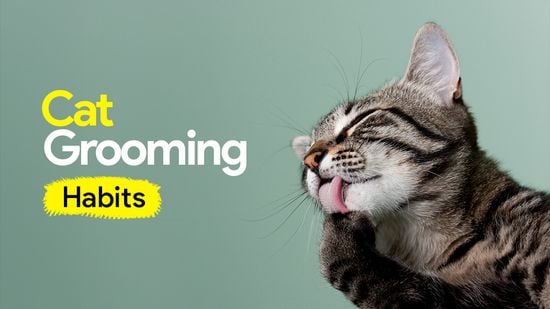
Have you ever wondered how often your cat cleans itself each day? Understanding your furry friend’s grooming habits can tell you a lot about their health and happiness.
If you notice changes in how often your cat grooms, it might be more important than you think. Keep reading to discover the ideal grooming routine for cats and how paying attention to this simple behavior can help you care for your pet better than ever.
Credit: www.preventivevet.com
Cat Grooming Basics
Cats are naturally clean animals, and grooming is a key part of their daily routine. Understanding the basics of cat grooming helps you recognize normal behavior and spot potential health issues early. Let’s look at why cats groom themselves and what typical grooming looks like.
Purpose Of Grooming
Grooming serves several important functions for your cat. It keeps their fur clean by removing dirt, loose hair, and parasites like fleas. Grooming also helps regulate body temperature and prevents mats and tangles in their coat.
Besides physical benefits, grooming has a calming effect. Cats often groom to relieve stress or anxiety. Have you ever noticed your cat licking itself more after a loud noise or a visit to the vet? That’s their way of self-soothing.
Common Grooming Behaviors
Most cats groom themselves multiple times a day. You’ll see them licking their fur, nibbling at knots, and scratching hard-to-reach spots. These behaviors keep their coat healthy and shiny.
- Licking: The primary grooming action, using their rough tongue to clean fur.
- Biting or nibbling: To remove stubborn dirt or untangle fur.
- Scratching: Helps reach areas the tongue can’t, like behind the ears.
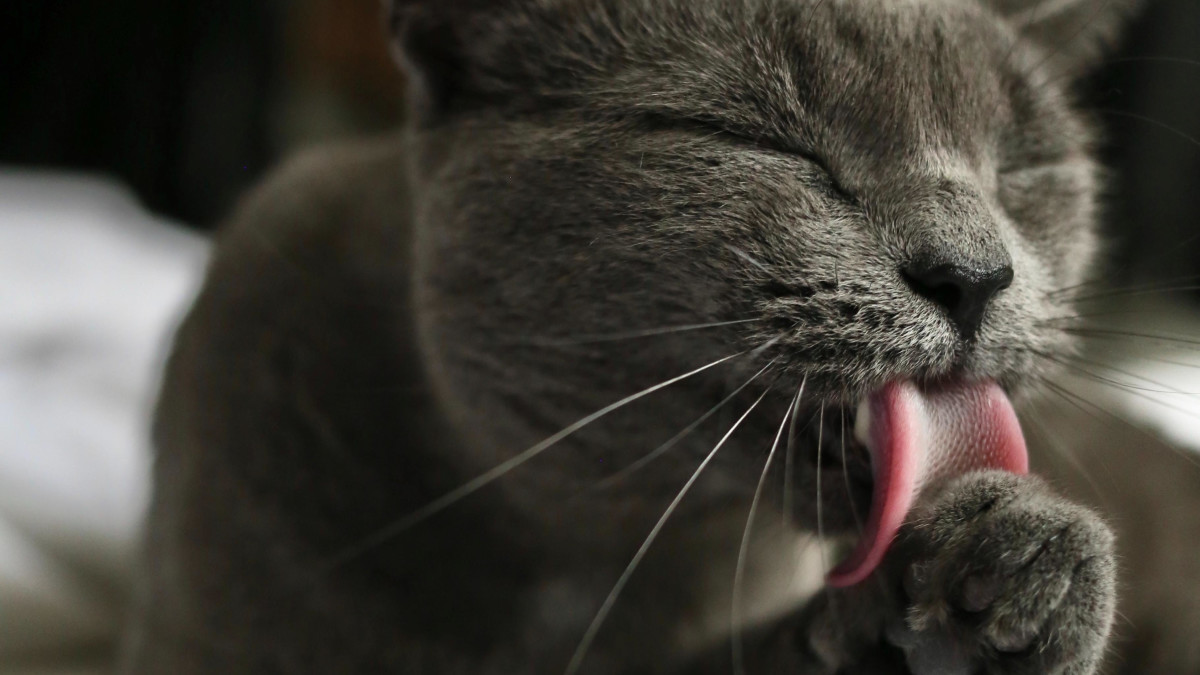
- Paw licking and wiping: Cats clean their paws to use them like a washcloth on their face.
Have you ever watched your cat meticulously lick its paw and then rub its face? This simple act is a crucial part of their grooming routine. Observing these behaviors can tell you a lot about your cat’s health and mood.

Credit: www.purina.com
Typical Grooming Frequency
Cats are known for their fastidious grooming habits, but how often should they actually be grooming themselves each day? Understanding your cat’s typical grooming frequency can help you spot potential health issues early. It also gives you insight into their daily behavior and needs.
Average Grooming Sessions Per Day
Most cats groom themselves between 5 to 10 times a day. Each session usually lasts a few minutes, but some cats can spend up to an hour total grooming daily. If you notice your cat grooming much less or much more, it could be a sign to pay closer attention.
For example, I once had a cat who groomed nearly nonstop after a stressful move. It was his way of coping with anxiety. Have you ever seen your cat suddenly change how often they clean themselves?
Factors Influencing Grooming Time
Several factors affect how often your cat grooms, including their age, breed, and health status. Long-haired cats naturally spend more time grooming to keep their coats clean and tangle-free.
Environmental factors matter too. Cats living outdoors or in dusty environments may groom more to remove dirt. Conversely, a sick or elderly cat might groom less due to discomfort or reduced mobility.
Think about your cat’s lifestyle and environment—does it explain their grooming habits, or should you consider consulting a vet?
Breed And Age Impact
Understanding how often your cat grooms itself depends a lot on its breed and age. These factors shape not just the frequency but also the style and thoroughness of grooming. Paying attention to these details helps you better support your cat’s health and comfort.
Grooming Differences Among Breeds
Cats with long fur, like Persians or Maine Coons, usually spend more time grooming than short-haired breeds. Their thick coats require extra attention to prevent matting and tangles. If you have a long-haired cat, you might notice they groom multiple times a day to keep their fur clean and smooth.
Short-haired cats, such as Siamese or American Shorthairs, tend to groom less frequently but still maintain a consistent routine. Their coats are easier to manage, so they don’t need as many grooming sessions. However, some breeds with unique coat types, like the Sphynx, which has little to no hair, may groom differently, focusing more on skin care.
Have you observed your cat’s grooming style? Noticing these breed-based differences can help you decide when to step in with brushing or bathing.
How Age Changes Grooming Habits
Kittens are often enthusiastic groomers, learning from their mothers and practicing regularly. They tend to groom more frequently as they explore their environment and build hygiene habits. However, their technique may be less effective compared to adult cats.
Adult cats usually have well-established grooming routines, balancing cleanliness without overdoing it. They know which spots need attention and how often to groom. Their grooming habits help them stay healthy and comfortable daily.
Senior cats might groom less often due to arthritis, dental problems, or reduced flexibility. You may notice patches of unkempt fur or matting if they struggle to reach certain areas. This is a sign you might need to assist with grooming or consult your vet for health checks.
Think about your cat’s current age and mobility. Are there changes in their grooming that could indicate a need for extra care or a vet visit?
Health And Grooming
Health and grooming are closely linked in cats. Grooming is not just about staying clean. It helps cats control body temperature and reduce stress. A healthy cat usually grooms itself several times a day. This keeps its fur smooth and skin healthy. Watching a cat’s grooming habits can tell a lot about its health.
Grooming As A Health Indicator
Grooming shows how a cat feels physically and emotionally. Regular grooming means the cat is likely healthy and comfortable. Cats use their tongues to clean dirt and loose fur. This also spreads natural oils, keeping their coat shiny and soft.
Changes in grooming can signal health problems. Over-grooming might mean skin irritation or allergies. Under-grooming could point to pain, illness, or depression. A sudden drop in grooming is a red flag for pet owners to notice.
When Grooming Decreases
When a cat stops grooming enough, it can develop matted fur or skin issues. Cats might reduce grooming if they feel sick or hurt. Old age can also slow down grooming routines. Stress and anxiety reduce grooming frequency too.
Look for signs like greasy fur, bald spots, or bad odor. These signs mean the cat needs a vet check. Helping a cat with grooming can improve its health and happiness. Brushing your cat can also catch problems early.
Tips To Support Cat Grooming
Cats usually groom themselves several times a day to stay clean and healthy. Regular brushing helps remove loose fur and prevents hairballs. Watching your cat’s grooming habits can show if they are feeling well or need extra care.
Cats groom themselves several times a day. Grooming keeps them clean and comfortable. But some cats may need help to maintain their coat. Supporting your cat’s grooming routine is essential. Here are some tips.Helping Cats With Grooming Issues
Some cats struggle with grooming due to age or health. If your cat seems unkempt, check for underlying problems. Consult a vet if needed. Provide assistance if your cat has mobility issues. Gently brush their fur to prevent matting. Ensure your cat’s diet supports a healthy coat. Nutritional deficiencies can affect grooming habits. Provide plenty of water to keep their skin hydrated.Maintaining A Clean Coat
Regular brushing helps remove loose hair and dirt. Use a brush suitable for your cat’s fur type. Short-haired cats need brushing once a week. Long-haired cats benefit from daily brushing. Check your cat’s fur for ticks or fleas. Use a flea comb to keep pests away. Bathe your cat occasionally, but not too often. Over-bathing can strip natural oils. Use cat-friendly shampoo for best results. Keep your cat’s environment clean. A tidy space encourages self-grooming. Provide a scratching post to help with nail care. Regular grooming helps your cat stay happy and healthy.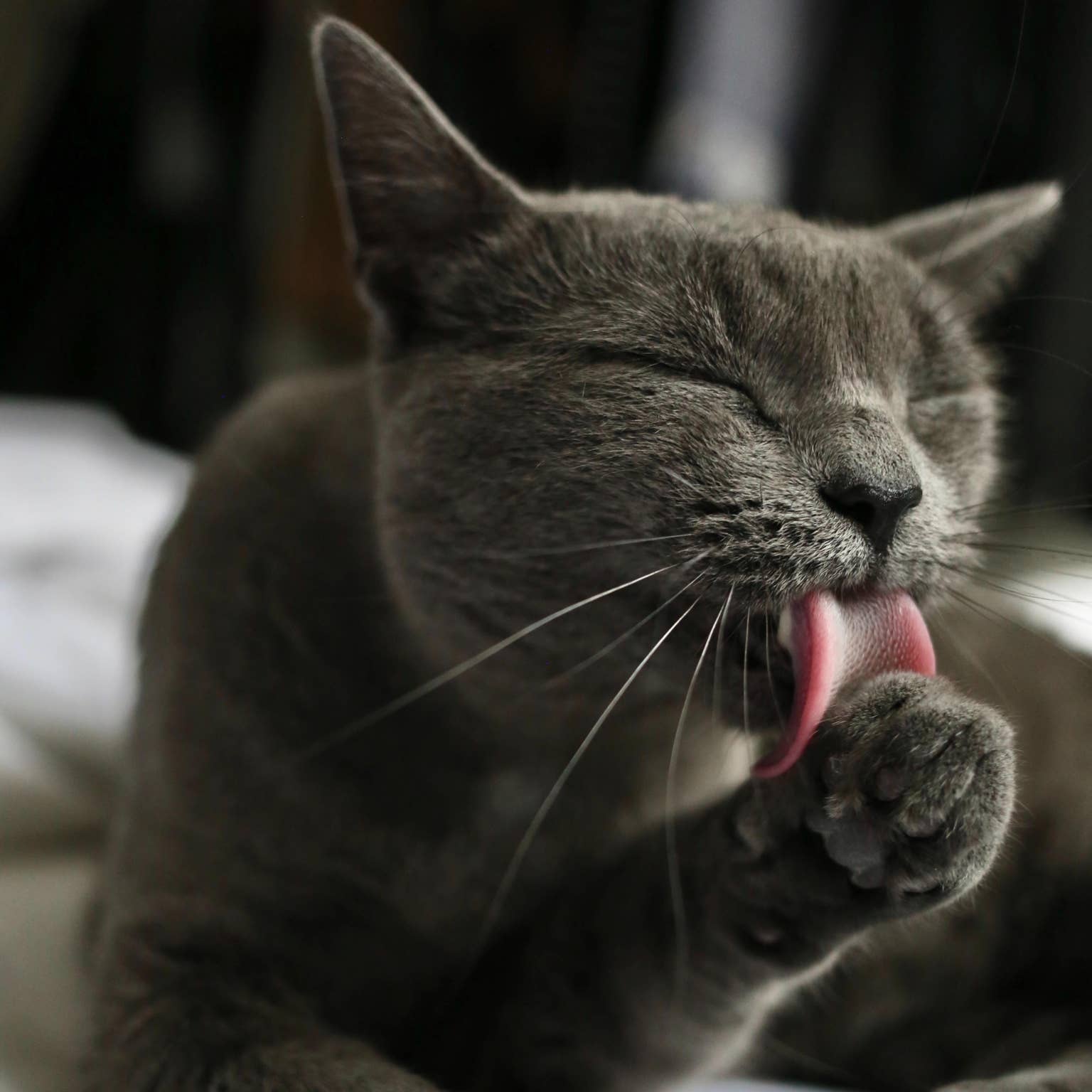
Credit: pethelpful.com
Frequently Asked Questions
How Often Do Cats Groom Themselves Daily?
Cats groom themselves around 4 to 6 times a day. Grooming helps them stay clean, regulate body temperature, and reduce stress.
Why Is Grooming Important For Cats?
Grooming removes dirt, loose fur, and parasites. It also stimulates blood flow and keeps a cat’s coat healthy and shiny.
Can Excessive Grooming Harm My Cat?
Yes, excessive grooming may cause skin irritation or hair loss. It often indicates stress, allergies, or health problems needing vet attention.
Do All Cats Groom At The Same Frequency?
No, grooming frequency varies by age, breed, health, and environment. Older or stressed cats may groom less, while long-haired cats groom more.
Conclusion
Cats groom themselves several times a day to stay clean and healthy. This natural habit helps remove dirt and loose fur. Watching your cat groom can show you if it feels well. If grooming changes a lot, it might need a vet visit.
Remember, grooming keeps cats comfortable and happy every day. Pay attention to your cat’s habits for a happy pet.


Leave a Reply