
Have you ever noticed your cat suddenly crying or making unusual noises while playing with a toy? It can be puzzling and even a little concerning.
You might wonder, why does your cat cry with a toy? Understanding this behavior can help you connect better with your furry friend and ensure they’re happy and healthy. Keep reading to discover the surprising reasons behind this curious behavior—and what it means for your cat’s well-being.
Credit: www.newsweek.com
Cats And Their Toys
Cats love toys. Toys keep them active and happy. They also help cats use their hunting skills. Toys make cats feel less lonely. Many cats cry or meow while playing. This can be a way to express excitement or frustration. Understanding how cats play helps us care for them better.
Types Of Cat Toys
- Wand toys with feathers or strings
- Small balls and mice replicas
- Interactive laser pointers
- Catnip-filled plush toys
- Puzzle feeders and treat dispensers
Each toy type offers different fun and challenges. Cats choose toys based on their mood and personality.
How Cats Interact With Toys
Cats use toys to mimic hunting. They stalk, chase, and pounce on toys. Some cats carry toys in their mouths. Others bat or toss them in the air.
Crying during play may mean the cat is very excited. It can also show frustration if the toy is hard to catch. Vocalizing helps cats share their feelings with owners.

Credit: observers.france24.com
Reasons Cats Cry With Toys
Cats often cry while playing with toys. This behavior can surprise owners. Understanding why cats cry with toys helps improve bonding. It also guides better playtime choices. Cats use crying to communicate many feelings during play.
Seeking Attention
Sometimes cats cry to get your focus. They want you to join their play. Crying signals, “Look at me!” They may feel lonely or bored. Your attention makes play more fun.
Expressing Frustration
Cats may feel frustrated if a toy is hard to catch. Crying shows their impatience or irritation. They try harder but feel stuck. This noise tells you they need help or a break.
Hunting Instincts Triggered
Playing triggers a cat’s natural hunting skills. Crying can mimic real hunting sounds. It expresses excitement or alertness. Cats feel alive and engaged during play. The toy becomes their prey.
Play Overload Or Stress
Too much play can cause stress or tiredness. Crying may mean your cat feels overwhelmed. It asks for rest or calm. Watch their signals to avoid stress. Gentle play keeps cats happy and healthy.
Emotional Signals Behind Crying
Cats use crying as a way to show their feelings. It is more than just a sound. Crying can reveal what your cat is experiencing inside. Understanding these emotional signals helps you respond better to your cat’s needs.
Loneliness And Boredom
Cats often cry when they feel lonely. A toy may not replace the comfort of company. Bored cats seek attention through vocal sounds. Crying near their toy can be a sign they want more interaction. It is their way to express that they need stimulation or playtime.
Desire For Social Interaction
Crying can mean your cat wants to connect. Toys sometimes become a focus for this need. Cats may call out to invite play or companionship. They use their voice to ask for shared moments. This shows their social nature and need for bonding.
Communication With Owners
Cats use cries to talk to their owners. The sound near a toy can be a message. They might want you to notice the toy or join their play. Crying helps cats express their desires clearly. It is their way to communicate without words.
Behavioral Patterns Linked To Toy Crying
Cats show unique behaviors when they cry while playing with toys. These behaviors reveal their feelings and needs. Understanding these patterns helps owners respond better. Cats use sounds and actions to communicate during play. Observing closely can explain why a cat cries with a toy.
Pacing And Vocalizing
Cats often pace while holding or chasing a toy. Pacing shows excitement or frustration. Vocalizing adds another layer to their message. These cries can be short meows or long yowls. The sounds express different moods, like eagerness or stress. Watching pacing and sounds together gives clues about the cat’s state.
Toy Guarding Or Possessiveness
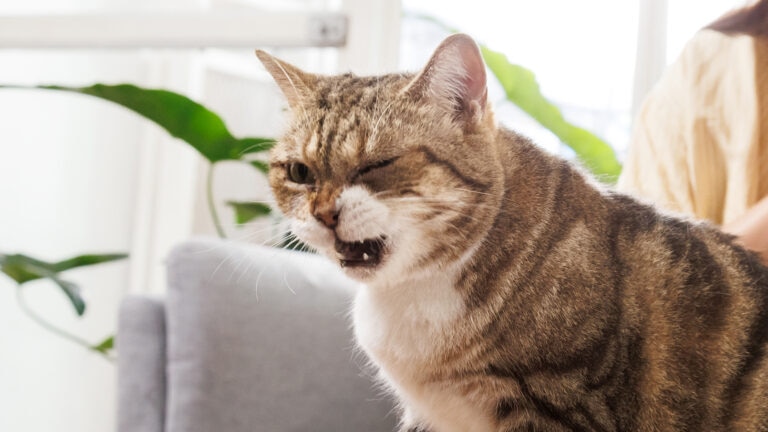
Some cats cry to protect their toy from others. This behavior is called toy guarding. They may hiss, growl, or make sharp meows. Guarding shows the toy’s value to the cat. It feels like a prize or a treasure. Understanding possessiveness helps prevent conflicts with other pets or people.
How To Respond To A Crying Cat
Knowing how to respond to a crying cat helps build trust and comfort. Cats cry to express needs or feelings. Your response can calm or encourage your cat’s behavior. Observing your cat closely improves your understanding of its cries. Gentle actions create a positive environment for your pet.
Providing Adequate Playtime
Playtime meets your cat’s energy and curiosity. Regular play keeps cats happy and less anxious. Use toys that mimic prey to engage them fully. Short, frequent sessions work better than one long playtime. Watching their reactions helps you choose the best toys.
Encouraging Positive Interaction
Respond to your cat’s cries with gentle voices and touch. Praise your cat when it plays calmly with toys. Avoid yelling or sudden movements; they increase stress. Create routines that your cat can expect and trust. Offer treats or affection to reward good behavior.
Monitoring Stress Levels
Stress can cause cats to cry during play. Look for signs like hiding, excessive grooming, or loss of appetite. Keep the environment quiet and free from sudden noises. Provide safe spaces where your cat can relax. Consult a vet if stress signs continue or worsen.
Credit: www.chewy.com
Preventing Excessive Crying
Cats may cry with toys due to excitement or frustration during play. Understanding their feelings helps reduce excessive crying and keeps them happy.
Cats crying with their toys can be endearing at times, but excessive crying might signal that your feline friend needs more stimulation or variety in their playtime. By understanding your cat’s needs and preferences, you can help them feel more satisfied and reduce the crying. Let’s explore some effective ways to prevent your cat from crying excessively.Choosing The Right Toys
Selecting toys that cater to your cat’s instincts is crucial. Cats are natural hunters, so toys that mimic prey like mice or birds can be very appealing. Opt for toys with feathers, bells, or those that move unpredictably to keep your cat engaged. Durability is also important. A toy that falls apart easily may frustrate your cat rather than entertain them. Experiment with different textures and sounds to discover what your cat loves the most.Establishing Play Routines
Cats thrive on routine. Setting aside specific times each day for play can help prevent excessive crying. This not only gives your cat something to look forward to but also helps them expend pent-up energy. Make play sessions interactive. Use wand toys or laser pointers to create a fun and engaging experience. Consistent interaction will strengthen your bond and reduce your cat’s need to seek attention through crying.Creating A Stimulating Environment
A stimulating environment can make a world of difference. Consider adding vertical spaces like cat trees or shelves to give your cat new vantage points to explore. Rotate their toys regularly. This keeps things fresh and exciting, preventing boredom. You might even create a DIY puzzle feeder to challenge their mind and provide a rewarding experience. Remember, understanding your cat’s unique preferences and behaviors is key. By investing time in play and environment, you can ensure a happier, quieter household. Does your cat have a favorite toy or routine that keeps them content? Share your experiences in the comments!Frequently Asked Questions
Why Does My Cat Cry When Playing With Toys?
Cats may cry during play to express excitement or frustration. It helps them communicate their emotions and engage more with the toy.
Can A Crying Cat Indicate Toy-related Stress?
Yes, some cats cry if a toy causes anxiety or overstimulation. Watch for signs of stress and adjust playtime accordingly.
Do Cats Cry To Get Attention With Toys?
Cats often vocalize to seek interaction or attention from their owners while playing with toys. It’s a way to connect.
Is Crying Normal When Cats Hunt Toy Prey?
Yes, crying mimics natural hunting behavior. Cats vocalize to simulate catching or struggling prey during play sessions.
Conclusion
Cats cry with toys to express feelings or needs. Sometimes, they want attention or feel lonely. Other times, they feel excited or frustrated. Toys can remind cats of hunting or play. Watching your cat’s behavior helps understand their mood. Respond with care and patience to keep them happy.
Each cat is unique, so observe closely. Playtime can strengthen your bond and reduce crying. Understanding why cats cry helps create a calm home. Keep toys safe and fun for your furry friend.

Leave a Reply