
Are you looking for a fun and simple way to keep your cat happy and entertained? Making a toy for your cat is easier than you think, and it can bring you closer to your furry friend.
Imagine the joy of watching your cat pounce, chase, and play with something you created just for them. In this guide, you’ll discover easy steps to craft a toy that will capture your cat’s attention and keep them active. Ready to surprise your cat with a homemade toy they’ll love?
Let’s get started!
Choosing Safe Materials
Choosing safe materials is the foundation of creating a fun and secure toy for your cat. The right materials keep your pet healthy and happy, while poorly chosen ones can cause choking, allergies, or other hazards. Let’s look at how to pick the best options for your furry friend’s playtime.
Non-toxic Fabrics And Fillings
Always select fabrics labeled as non-toxic and pet-safe. Natural fabrics like cotton or felt are great choices because they are soft and less likely to cause skin irritation. Avoid synthetic materials that might contain harmful chemicals or dyes, which your cat could ingest during play.
For fillings, use materials like cotton batting or wool. These are safer than polyester fiberfill, which can be harmful if swallowed. I once made a toy with polyester stuffing, and my cat quickly tore it open, swallowing some bits and needing a vet visit. That taught me to always check filling safety first.
Avoiding Small Parts
Small parts like buttons, beads, or bells might seem fun but pose a serious choking risk. Cats can easily pull these off and swallow them. Instead, sew pieces securely or use embroidery to add details without loose parts.
Think about what your cat might chew on or swallow. Could any part come off easily? If yes, it’s better to leave it out. Your cat’s safety comes before decorative features.
Durability Considerations
Choose materials that can withstand scratching and biting. Cats have sharp claws and teeth, so flimsy fabrics or weak seams won’t last long. Look for tightly woven fabrics and double-stitch your seams for extra strength.
Have you noticed how quickly some toys get shredded? A durable toy saves you time and money by lasting longer. Plus, it keeps your cat entertained without frequent replacements.

Credit: smart.dhgate.com
Simple Diy Cat Toys
Creating simple DIY cat toys is a fun and affordable way to keep your cat entertained. These toys use items commonly found at home. They provide mental and physical stimulation for your pet. Cats love toys that move, crinkle, or have interesting smells. Making your own toys lets you customize them for your cat’s preferences. It also ensures safety from harmful materials. Try these easy ideas to bring joy to your furry friend.
Sock And Catnip Toys
Use an old sock to create a soft, fun toy. Fill it with dried catnip or a small amount of silvervine. Tie the open end securely with a string or rubber band. Cats enjoy the scent and love to bat or chew these toys. The sock’s texture adds to the fun. You can also add a little stuffing for extra softness.
Paper Ball Games
Crumple a piece of plain paper into a small ball. These lightweight balls are perfect for chasing and pouncing. They are easy to make and safe for cats. Toss the paper ball across the room and watch your cat jump and run. You can make several balls and hide them around the house. This turns playtime into a fun treasure hunt.
Feather Wand Creations
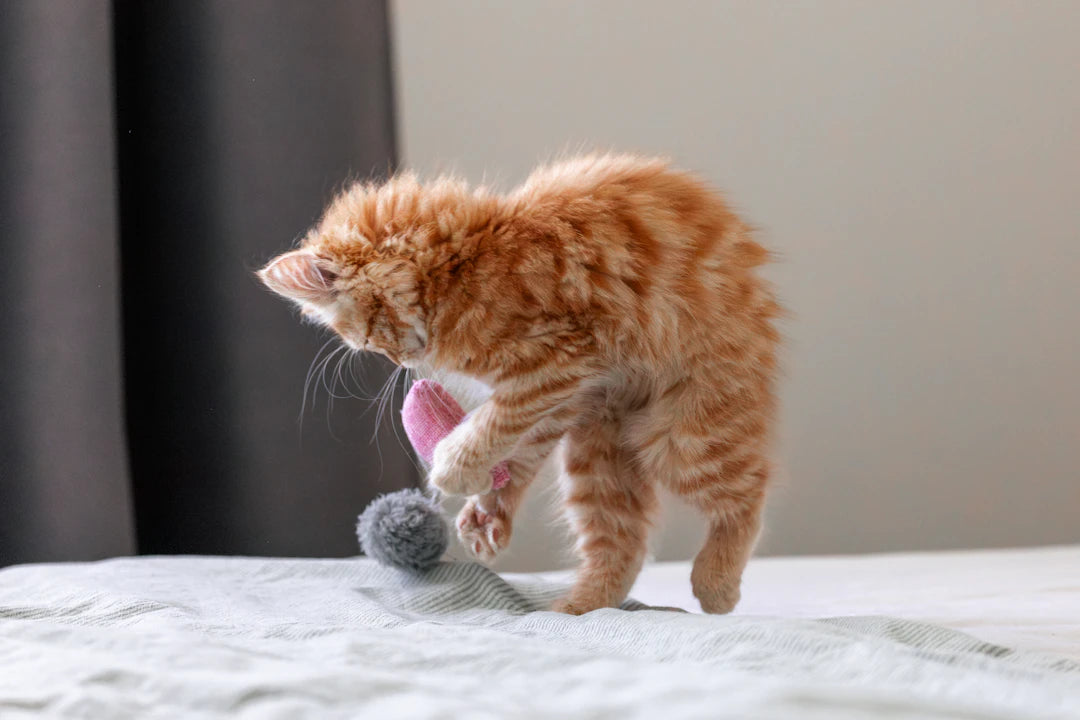
Attach feathers to a stick or a sturdy string to make a wand toy. Use tape or glue to secure the feathers. The fluttering feathers mimic bird movements. Cats are drawn to this natural motion and will leap and swipe. You can wave the wand slowly or quickly to excite your cat. This toy encourages exercise and strengthens the bond between you and your pet.
Interactive Toy Ideas
Interactive toys keep your cat mentally sharp and physically active. They challenge your cat’s natural instincts to hunt and explore. Creating toys that engage your cat’s brain and body can turn playtime into a rewarding experience for both of you.
Puzzle Feeders
Puzzle feeders make your cat work for their treats or kibble. You can buy them or easily make your own using simple household items like muffin tins or cardboard boxes. Hide small treats inside compartments or under flaps to encourage your cat to problem-solve.
Watching your cat figure out how to get to the food can be fascinating—and it slows down eating, which is healthier for them. Have you noticed your cat’s excitement when they finally unlock a tricky treat? That moment proves these toys are more than just fun; they’re rewarding.
Laser Pointer Games
Laser pointers are classic interactive toys that stimulate your cat’s hunting instincts. Move the red dot around walls, floors, and furniture to mimic the unpredictable movements of prey. Your cat will enjoy the chase and get great exercise.
Try varying the speed and direction to keep your cat guessing. Just be sure to end the game by pointing the laser at a tangible toy or treat so your cat feels a sense of accomplishment. Have you ever seen your cat’s focus sharpen to a laser beam? It’s proof that simple tools can create intense engagement.
Homemade Tunnel Mazes
Creating a tunnel maze from cardboard boxes or fabric tubes can turn any space into a playground. Cats love hiding and darting through tunnels, which satisfies their curiosity and need for safe spaces. Connect multiple tunnels for more complex routes and surprises.
Add dangling toys or treats inside the tunnels to entice exploration. Your cat’s enthusiasm for these mazes will remind you how creative play can enrich their day. What new twists can you add to your cat’s maze to keep them coming back for more?
Credit: www.kittykickstix.com
Upcycling Household Items
Upcycling household items is a smart way to create fun toys for your cat. It saves money and helps reduce waste. Many everyday objects can turn into exciting playthings. Cats love new textures and shapes to explore and chase.
These simple projects use common items found around the house. They keep cats busy and happy. Making toys from things you already have is easy and safe. Here are some ideas that work well.
Cardboard Box Castles
Cardboard boxes are perfect for building a cat playground. Cut small holes for entrances and windows. Stack boxes to make towers and tunnels. Cats love hiding and climbing in these cozy spaces.
- Use different sizes of boxes for variety.
- Secure boxes with tape for stability.
- Add soft fabric inside for comfort.
Bottle Cap Chasers
Plastic bottle caps make excellent chaser toys. They are light and roll easily. Drop a cap on the floor to spark your cat’s hunting instincts. Caps can bounce and spin to keep your cat entertained.
- Make sure caps are clean and safe.
- Supervise play to avoid swallowing.
- Try caps from different bottles for color variety.
String And Yarn Playthings
String and yarn offer endless play options. Tie them into loose balls or knots. Drag a string along the floor to invite your cat to chase. Always watch your cat to prevent tangling or swallowing yarn.
- Use thick yarn for easier grabbing.
- Wrap yarn around cardboard for a simple toy.
- Store yarn safely when not in use.
Tips For Engaging Your Cat
Create a simple toy using household items like strings or paper balls to catch your cat’s attention. Small, lightweight toys encourage playful pouncing and chasing. Changing toys often keeps your cat curious and active.
Engaging your cat in play is crucial for their physical and mental well-being. A well-stimulated cat is a happy cat, and one of the best ways to ensure this is by making sure they are interested in their toys. Here are some effective strategies to keep your feline friend entertained and engaged with their toys.Introducing New Toys
When you bring a new toy home, give your cat time to explore it at their own pace. Cats are naturally curious but can be cautious with new objects. Place the toy in a familiar area and let your cat investigate. You might be surprised how a little patience can lead to more enthusiastic play.Rotating Play Items
Cats often lose interest in toys if they see them every day. Keep their curiosity alive by rotating their toys weekly. Store some toys out of sight and replace them with others. This simple trick can make old toys feel new again, reigniting your cat’s interest.Observing Cat Preferences
Every cat has their own preferences when it comes to toys. Spend time observing what types of toys your cat enjoys most. Is it the ones that make noise, or perhaps those they can chase? Tailor your choices based on what excites your cat, ensuring they remain engaged and happy. Engaging your cat with toys isn’t just about keeping them entertained—it’s about understanding their unique personality. What does your cat’s favorite toy say about them?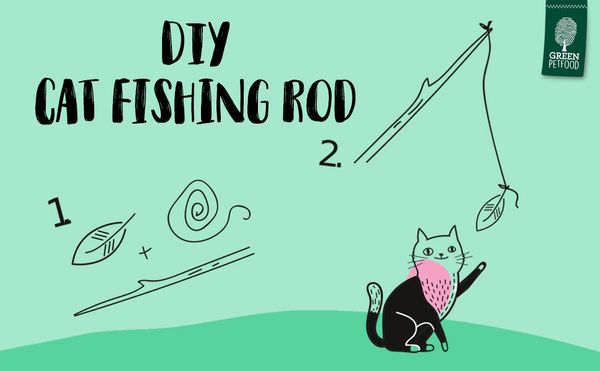
Credit: www.green-petfood.com
Frequently Asked Questions
What Materials Are Best For Homemade Cat Toys?
Soft fabrics, yarn, feathers, and small bells work best. These materials are safe and engaging for cats. Avoid toxic or sharp items. Use household items like cardboard and paper for easy, affordable toys.
How Do I Make A Simple Cat Toy At Home?
Cut fabric into strips and tie to a stick. Add feathers or bells for extra fun. This creates a wand toy that encourages active play and bonding with your cat.
Are Diy Cat Toys Safe For My Pet?
Yes, if made with non-toxic materials and no small parts. Always supervise playtime to prevent choking or ingestion. Regularly inspect toys for wear and replace when damaged.
How Can I Keep My Cat Entertained With Homemade Toys?
Rotate toys weekly to maintain interest. Use interactive toys like wand teasers for exercise. Combine treats inside toys to stimulate hunting instincts and mental activity.
Conclusion
Making a toy for your cat can be simple and fun. Use safe materials and think about what your cat likes. Homemade toys keep your cat active and happy. Try different ideas to see what excites your pet. Playing with your cat strengthens your bond and gives joy.
Small efforts can bring big smiles to your furry friend. Start creating and enjoy watching your cat play today.

Leave a Reply