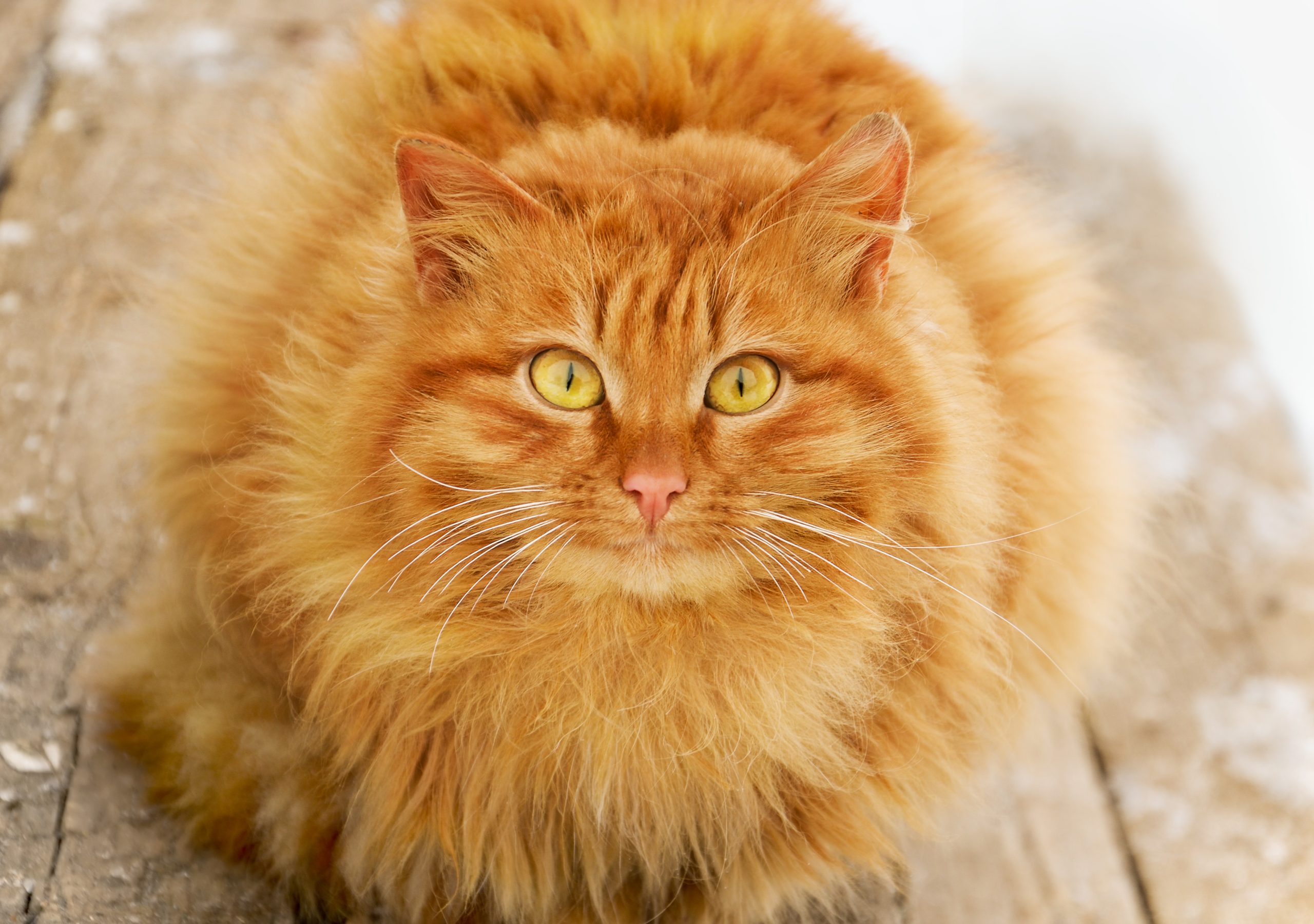
Have you ever noticed your cat licking itself nonstop, to the point where its fur looks patchy or irritated? You might wonder, “Why does my cat over groom?” This behavior can be puzzling and even concerning.
Over grooming isn’t just a quirky habit—it can signal that something’s off with your furry friend’s health or emotions. You’ll discover the surprising reasons behind over grooming and learn how to help your cat feel comfortable and happy again. Keep reading to understand what’s really going on beneath all that licking.

Credit: www.reddit.com
Reasons Behind Over Grooming
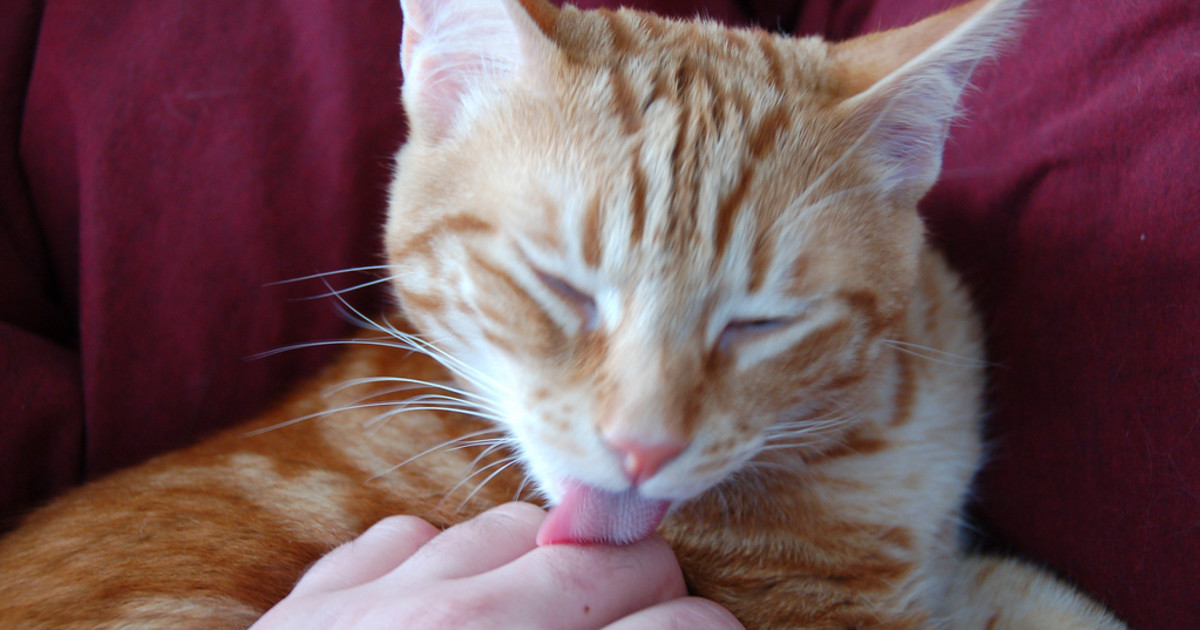
Cats groom to stay clean and calm. Sometimes, grooming becomes too much. This can cause bald spots and sore skin. Understanding why cats over groom helps owners provide better care. Several reasons can cause this behavior.
Stress And Anxiety Triggers
Stress makes cats feel uneasy. Changes at home or loud noises can upset them. Grooming helps them feel safe. Too much grooming is a way to cope with stress. It acts like a comfort habit.
Skin Allergies And Irritations
Allergies cause itchy skin. Cats lick to ease the itch. Allergens include pollen, dust, or food. Constant licking can hurt the skin. It may cause redness and hair loss.
Parasites And Infections
Fleas, ticks, or mites cause discomfort. Cats try to remove them by licking. Infections can also make skin sore. Over grooming tries to relieve pain. This behavior signals a health problem.
Pain And Discomfort Factors
Joint pain or injuries may cause over grooming. Cats lick painful areas to soothe themselves. Grooming focuses on one spot more than others. This shows where the pain is located.
Behavioral Issues
Some cats develop habits from boredom. Over grooming becomes a repetitive behavior. It may start after stress or injury. This habit is hard to break without help. Owners need to find ways to distract cats.
:strip_icc()/the-kitty-1011094438-5c3d1af5c9e77c00015e66a6.jpg)
Credit: www.thesprucepets.com
Health Risks Of Over Grooming
Over grooming in cats isn’t just a harmless quirk; it can lead to serious health problems. When your cat licks or bites its fur excessively, it risks damaging its skin and overall wellbeing. Understanding these health risks helps you spot trouble early and take action to keep your feline friend safe and comfortable.
Skin Damage And Hair Loss
Excessive grooming wears down your cat’s protective fur and skin. This can cause bald patches, redness, and raw areas that hurt your cat. You might notice your cat scratching more or showing signs of discomfort—these are clear signals that their skin is suffering.
Have you seen your cat’s fur looking patchy or thin? That’s a warning sign to check their grooming habits closely.
Infections And Wounds
When your cat over grooms, the skin can break, creating open wounds. These wounds can easily get infected by bacteria or fungi, which may require veterinary treatment. Left untreated, infections can worsen and lead to painful abscesses.
Keep an eye out for swelling, pus, or unusual odors from your cat’s skin—these often mean infection is setting in.
Nutritional Deficiencies
Sometimes, over grooming is linked to nutritional problems. Cats lacking certain nutrients may develop skin issues that trigger excessive licking. Ensuring a balanced diet rich in essential fatty acids and vitamins can reduce this behavior.
If your cat’s coat looks dull or dry, ask your vet about diet adjustments to support skin health.
Impact On Mental Health
Over grooming often signals stress, anxiety, or boredom in cats. This compulsive behavior can become a cycle that worsens their mental state. Your cat’s emotional health is just as important as their physical health.
What changes in your home or routine might be causing your cat to feel anxious? Providing enrichment and attention can help break the cycle of over grooming.
Ways To Help Your Cat
Helping a cat that overgrooms can feel overwhelming, but focusing on practical steps makes a real difference. Understanding the reasons behind your cat’s behavior allows you to tailor the right approach. Let’s look at effective ways you can support your furry friend and reduce overgrooming.
Identifying The Root Cause
Before taking action, observe your cat closely. Are there visible skin problems, allergies, or signs of stress? Pinpointing whether overgrooming comes from pain, anxiety, or boredom is essential.
Keep a journal of your cat’s behavior. Note when the grooming increases—after loud noises or changes in routine? These clues help you target the problem accurately.
Environmental Enrichment
Is your cat spending too much time alone or without stimulation? Adding toys, scratching posts, and interactive play can reduce boredom-driven grooming.
Try rotating toys to keep your cat interested. Even simple changes, like a new cozy spot by the window, can create positive distractions.
Medical Treatments
If your cat’s skin looks irritated or patchy, medical treatment might be necessary. Anti-itch creams, allergy medications, or flea control can ease discomfort.
Sometimes, a vet may prescribe antibiotics or steroids if there’s an infection. Don’t hesitate to ask about treatment options that suit your cat’s specific needs.
Behavioral Therapy
Stress or anxiety often triggers overgrooming, and calming techniques can help. Try pheromone diffusers or calming collars to create a more relaxed environment.
Training your cat with positive reinforcement for calm behavior can also reduce stress. Have you noticed what calms your cat the most? That insight guides your approach.
When To Consult A Vet
Persistent overgrooming that causes wounds or hair loss needs professional attention. If your cat’s behavior worsens or doesn’t improve with home care, it’s time to see a vet.
Early intervention can prevent complications and improve your cat’s quality of life. Don’t wait for symptoms to escalate before seeking expert help.

Credit: basepaws.com
Frequently Asked Questions
Why Do Cats Groom Themselves Excessively?
Cats over groom due to stress, allergies, or skin irritation. Over grooming can signal anxiety or underlying health issues. Identifying triggers helps prevent this behavior and keeps cats healthy.
Can Over Grooming Cause Health Problems In Cats?
Yes, over grooming can lead to bald spots, sores, and infections. It weakens the skin’s protective barrier, increasing risks of irritation and wounds.
How Can I Stop My Cat From Over Grooming?
Reduce stress, address allergies, and provide environmental enrichment. Consult a vet for diagnosis and treatment options to manage over grooming effectively.
Is Over Grooming A Sign Of Anxiety In Cats?
Yes, over grooming often indicates anxiety or stress. Cats use grooming as a coping mechanism when feeling insecure or overwhelmed.
Conclusion
Cats over groom for many reasons, including stress and health problems. Watching your cat closely helps spot changes early. Simple steps like a calm space can reduce their stress. Always check with a vet if grooming seems extreme. Understanding why cats over groom helps keep them happy.
Small actions make a big difference in their well-being. Caring for your cat means paying attention to their habits. Keep your furry friend comfortable and healthy every day.

Leave a Reply