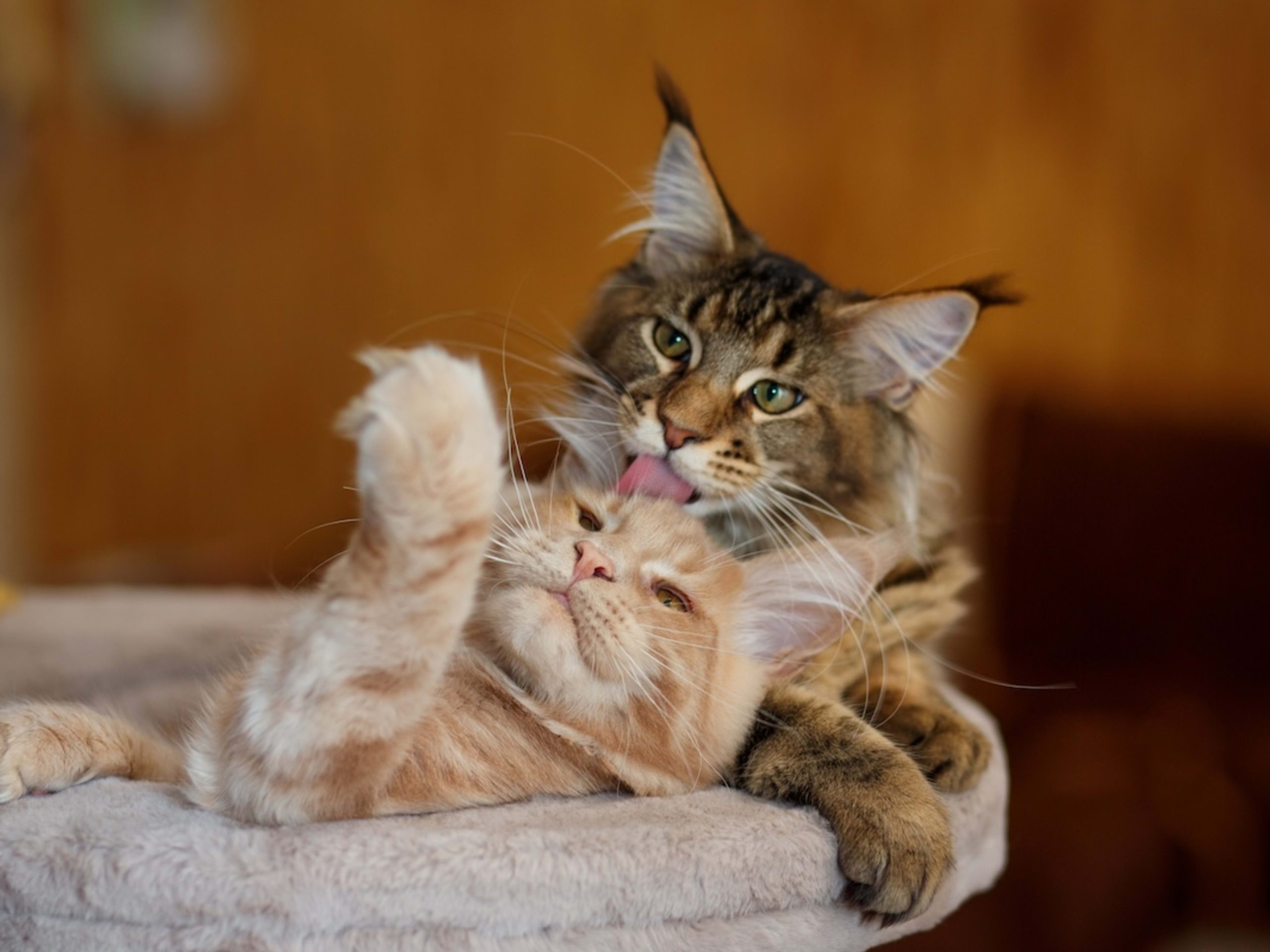
Are you thinking about adding a new feline friend to your home but worried about how your current cat will react? Finding cat breeds that get along well can make all the difference in creating a peaceful and happy household.
You want to avoid stress, fights, and endless hissing, right? You’ll discover which cat breeds are more likely to become best buddies and which ones might need a bit more time to adjust. Keep reading to learn how to bring harmony to your furry family!
Credit: www.companionanimalpsychology.com
Traits Of Friendly Cat Breeds
Understanding the traits of friendly cat breeds can help you create a harmonious multi-cat household. Friendly cats tend to have specific social behaviors, temperaments, and energy levels that make them more likely to get along with others. Knowing these traits allows you to choose cats that will fit well together and avoid conflicts.
Social Behavior Patterns
Friendly cat breeds often show a strong desire for companionship. They actively seek interaction not only with humans but also with other cats. Some breeds, like the Ragdoll and Maine Coon, are known to form close bonds with their feline housemates.
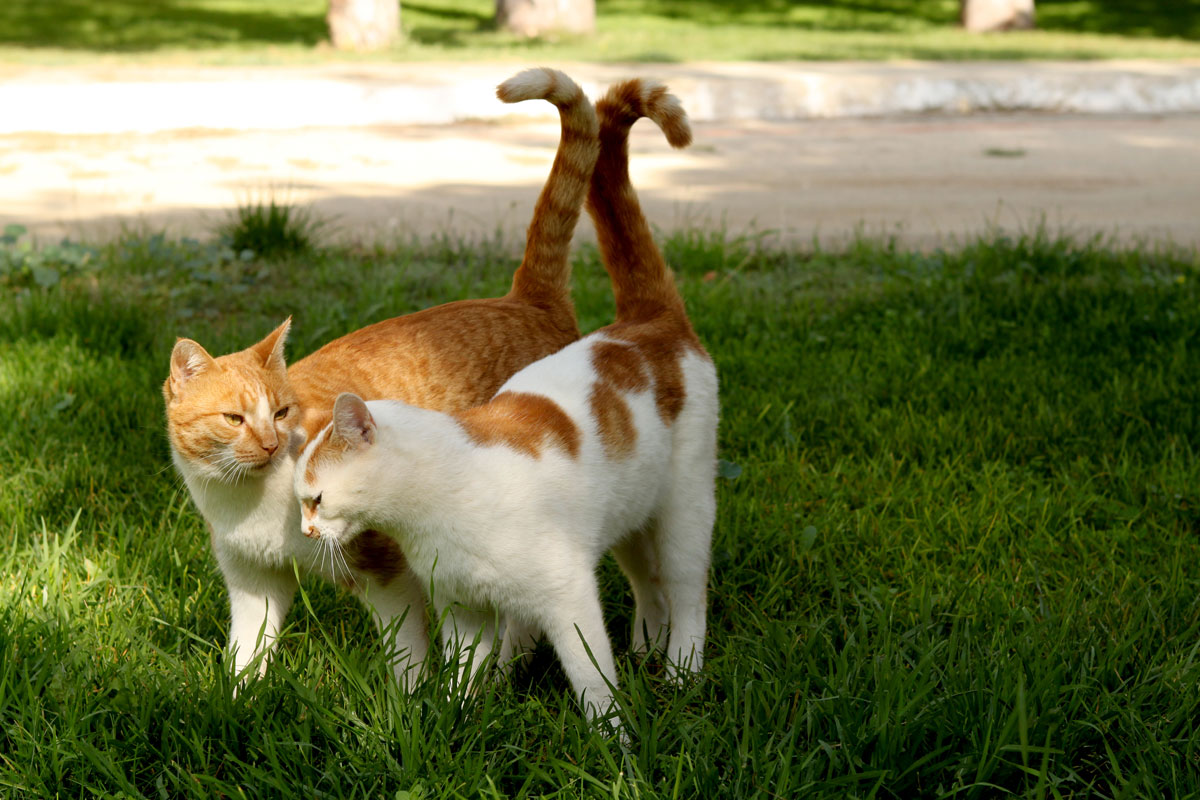
Do you notice your cat approaching others or grooming them? These are signs of good social behavior. Cats that avoid confrontation and prefer cooperative play usually adapt better when living with other cats.
Temperament And Compatibility
Their temperament plays a crucial role in compatibility. Calm and easygoing cats tend to settle disputes without aggression, making peaceful coexistence possible. Breeds like the Burmese or Scottish Fold often exhibit gentle, patient qualities that help them tolerate different personalities.
Consider how your cat reacts to new situations or other animals. A tolerant and curious nature often predicts better compatibility with other cats. What small behaviors have you seen that suggest your cat might enjoy a feline friend?
Energy Levels And Playfulness
Matching energy levels is vital for friendly interactions. Playful cats with similar activity needs will engage each other positively, reducing boredom and frustration. Abyssinians and Bengals, for example, have high energy and appreciate active playmates.
On the other hand, a very active cat living with a laid-back one can lead to tension. Think about your cat’s daily activity: do they prefer bursts of play or calm lounging? Finding a breed with a similar play style helps maintain peace in your home.
Popular Cat Breeds That Get Along Well
Choosing cat breeds that get along well helps create a peaceful home. Some breeds naturally enjoy company and share space easily. Knowing popular pairs can save stress and make your cats happy. These breed combinations have friendly natures and tend to bond quickly.
Ragdoll And Maine Coon
Ragdolls are gentle and love cuddles. Maine Coons are large but calm cats. Both breeds enjoy socializing and playtime. They adapt well to new companions. Their easygoing temperaments help them coexist peacefully. Together, they form a relaxed and affectionate pair.
Siamese And Burmese
Siamese cats are vocal and curious. Burmese cats are playful and affectionate. Both breeds enjoy attention and interaction. They have similar energy levels and social needs. This match creates lively and friendly relationships. They keep each other entertained and engaged.
Scottish Fold And British Shorthair
Scottish Folds are sweet and calm. British Shorthairs are easygoing and loyal. Both breeds prefer quiet, stable environments. They appreciate gentle play and soft petting. Their compatible personalities make them good companions. They often form strong, lasting bonds.
Pairing Cats By Personality
Pairing cats by personality helps create a peaceful home. Cats have different energy levels and social needs. Matching their traits can reduce conflicts and stress.
Matching Active Cats
Active cats enjoy play and exploration. They need partners who keep up with their energy. Pairing two lively cats can lead to fun and exercise. They chase toys, climb, and share adventures together. This match keeps both cats happy and healthy.
Calm Cats Together
Calm cats prefer quiet and rest. They enjoy slow play and gentle petting. Putting two relaxed cats together creates a serene environment. They often nap side by side and groom each other. This pairing reduces anxiety and promotes trust.
Balancing Different Energy Levels
Some cats have very different energy levels. A calm cat may feel stressed with a very active friend. But a moderate match can work well. An active cat with medium energy can balance a calm cat’s pace. This helps both cats adjust and feel comfortable.
Credit: www.rd.com
Tips For Introducing Cats
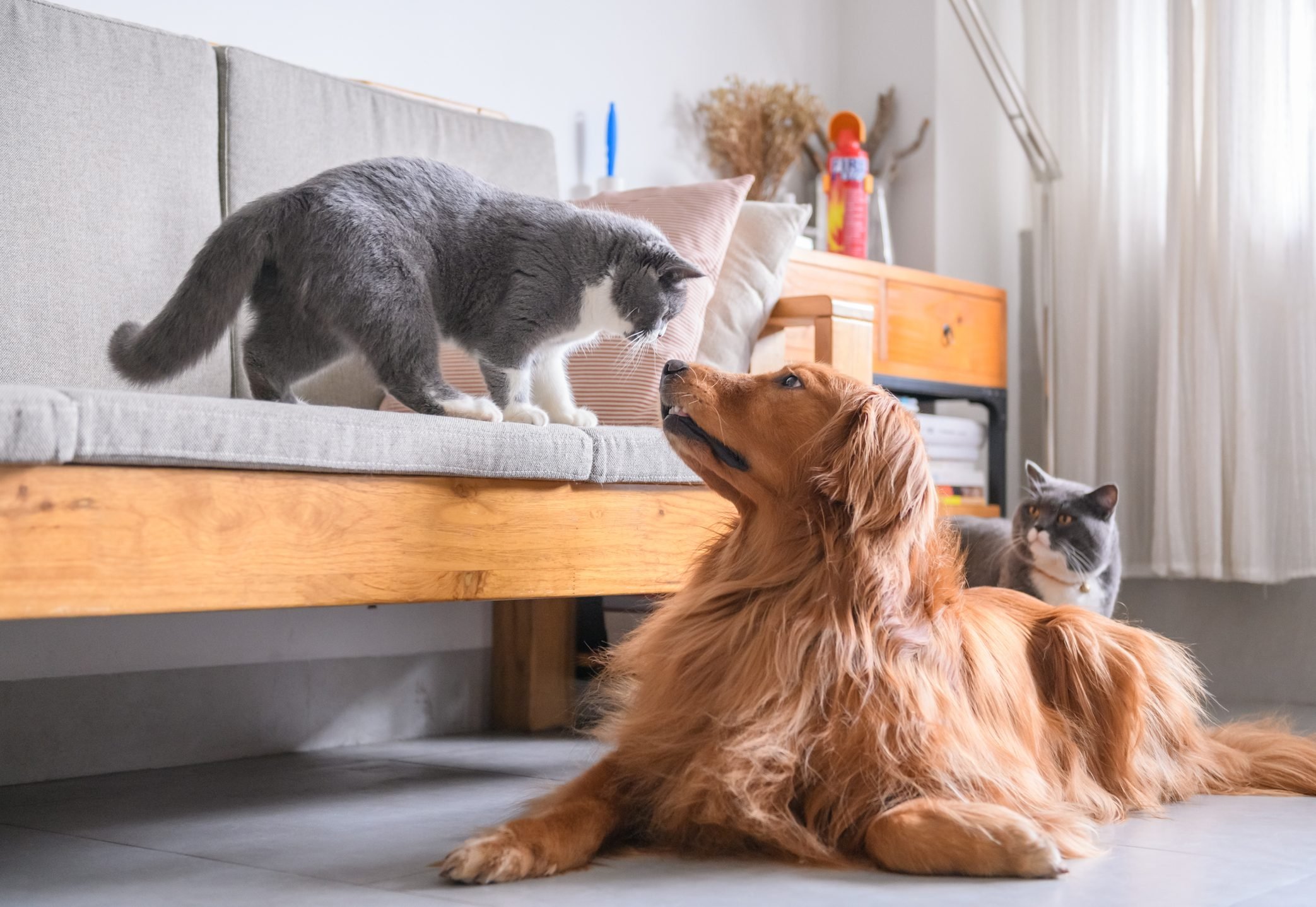
Certain cat breeds, like Siamese and Maine Coons, tend to be more social and get along well. Pairing calm breeds with playful ones helps create harmony. Watching their behavior closely makes introductions smoother and safer for both cats.
Introducing new cats to one another can be a delicate process. Each cat has its own unique personality, and ensuring a harmonious relationship requires patience and strategy. Here are some practical tips to help you successfully introduce cats and foster a peaceful cohabitation.Gradual Introduction Steps
Start by letting the cats get used to each other’s scent. Swap their bedding or gently rub a cloth on one cat and place it near the other. This way, they can familiarize themselves with each other’s smell without any direct contact. Use a baby gate or a partially closed door for their first visual introduction. This allows them to see and observe each other without feeling threatened. Gradually increase their time together as they show signs of calmness and curiosity. Feed them on opposite sides of a door. This creates a positive association with the other cat’s presence. Over time, they will begin to equate mealtime with good vibes, leading to better interactions.Creating Shared Spaces
Designate neutral zones in your home where no cat has established territory. A shared space should have toys, scratching posts, and cozy spots for both cats to enjoy. This encourages bonding over mutual interests and activities. Ensure there are enough resources, like litter boxes and feeding stations, so neither cat feels the need to compete. A good rule of thumb is to have one of each item per cat, plus one extra. Observe their interactions in these shared spaces. Positive signs include playing together, grooming each other, or simply relaxing side by side.Managing Initial Conflicts
It’s common for cats to hiss or swat during initial meetings. Stay calm and separate them if necessary, giving them time to cool off. Avoid punishing aggressive behavior, as this can increase stress and anxiety. Redirect negative energy with toys or play sessions. Engage them in activities that distract from the conflict and promote positive interactions. Consider consulting a professional if conflicts persist. A behaviorist can provide insight and tailored strategies to ease tensions.Signs Of Successful Cat Friendships
Recognizing the signs of successful cat friendships can help you understand if your feline companions truly enjoy each other’s company. Cats often show subtle behaviors that reveal their comfort and trust toward one another. Watching for these signs will guide you in nurturing a harmonious multi-cat household.
Mutual Grooming And Play
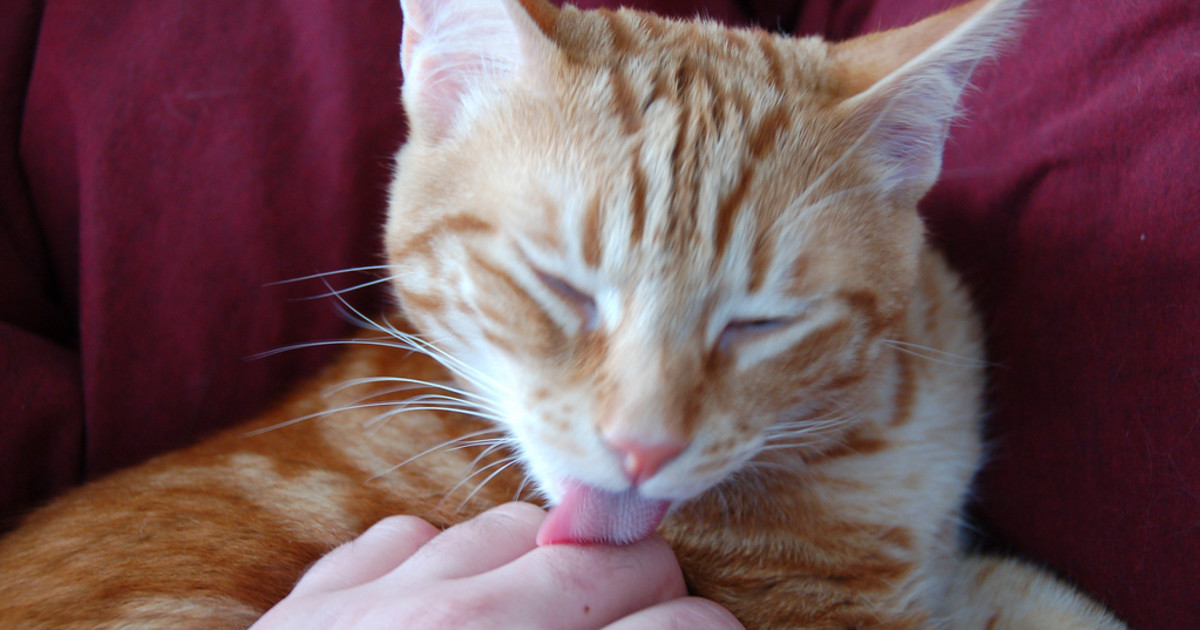
Mutual grooming is a clear indicator that cats feel safe and bonded. When your cats clean each other’s fur, it shows they trust one another deeply. Play is another strong sign; cats who chase, pounce, or wrestle without aggression are building positive relationships.
Have you noticed your cats taking turns in their play sessions? That balance shows respect and enjoyment, not competition or stress.
Shared Resting Spots
Cats are territorial by nature, so when they willingly share resting spots, it means they accept each other’s presence. Seeing your cats curl up together on the same blanket or bed signals comfort and warmth in their relationship.
Do your cats choose to nap side by side, or do they prefer separate spaces? Their choice reveals a lot about their social dynamics.
Cooperative Behavior
Cooperation between cats goes beyond play and rest. It might include sharing food bowls without tension or taking turns using favorite toys. These behaviors show that your cats respect each other’s needs and boundaries.
Pay attention if your cats avoid conflict during feeding times or allow each other first access to a new toy. These small moments demonstrate a healthy, peaceful coexistence.
Avoiding Common Compatibility Issues
Bringing different cat breeds together can be rewarding, but it’s not always smooth sailing. Understanding how to avoid common compatibility issues is key to creating a peaceful multi-cat home. You’ll want to spot potential problems early and know when to step in to keep all your furry friends happy.
Territorial Disputes
Cats are naturally territorial animals. When two cats feel their space is threatened, fights or standoffs can happen quickly.
Breeds with strong territorial instincts, like Siamese or Maine Coons, may be more prone to guarding their favorite spots. Make sure you provide multiple cozy areas, litter boxes, and feeding stations to reduce competition.
Have you noticed your cats circling each other or blocking access to certain rooms? Those are signs to rearrange their environment or give each cat a personal safe zone.
Stress And Anxiety Signs
Cats can’t tell you when they’re stressed, but their behavior often changes noticeably. Watch for hiding, excessive grooming, or sudden aggression.
Even friendly breeds like Ragdolls can suffer from anxiety if introduced too quickly or forced to share space they don’t like.
Try spending quiet time with each cat individually. This helps lower stress and builds trust. If you see persistent signs of anxiety, consider consulting a vet or cat behaviorist.
When To Separate Cats
Knowing when to separate cats can save your home from ongoing tension. If you notice continuous hissing, fighting, or one cat avoiding common areas, it might be time to create separate zones.
Sometimes a gradual reintroduction after a break helps reset their relationship. Other times, permanent separation is necessary for their well-being.
Ask yourself: Is the stress affecting their eating, grooming, or sleep? If yes, don’t hesitate to give each cat its own space. Peace is worth it.

Credit: www.rd.com
Frequently Asked Questions
Which Cat Breeds Are Most Social And Friendly?
Breeds like Ragdolls, Maine Coons, and Siamese cats are known for their social nature. They usually get along well with other cats and pets, making them ideal for multi-cat households. Their friendly temperament helps reduce conflicts and promotes harmony.
Can Two Different Cat Breeds Live Peacefully Together?
Yes, many different cat breeds can coexist peacefully if introduced properly. Proper socialization and gradual introductions are key to fostering good relationships between different breeds. Patience and understanding each cat’s personality help create a peaceful environment.
What Cat Breeds Prefer Living With Other Cats?
Breeds such as Burmese, Scottish Fold, and Abyssinians enjoy the company of other cats. These breeds are playful and affectionate, thriving in multi-cat homes. They tend to seek companionship and interact well with feline friends.
How To Introduce New Cat Breeds To Each Other?
Introduce cats slowly and in controlled environments. Use scent swapping and supervised meetings before full interaction. Gradual introductions reduce stress and increase chances of a positive relationship between different cat breeds.
Conclusion
Choosing cat breeds that get along well helps create a happy home. Cats with friendly personalities often bond better. Some breeds enjoy company, while others prefer alone time. Watching their behavior helps you understand their needs. Patience and care build strong friendships between cats.
Mixing calm and playful cats can work well. Each cat is unique, so watch how they interact. Happy cats make a peaceful house for everyone. Consider breed traits and individual temperaments for best results. A good match means less stress and more fun.

Leave a Reply