Have you noticed your cat spending more time licking than usual? Over grooming in cats can be a hidden sign that something isn’t quite right.
If you’re worried about your furry friend’s health or behavior, knowing how to spot over grooming is essential. This guide will help you understand the signs and what you can do to help your cat feel comfortable and happy again.
Keep reading to protect your pet and keep their coat shining bright.
Signs Of Over Grooming
Over grooming in cats can cause serious skin problems. It happens when cats lick or scratch themselves too much. This behavior may lead to various signs that show your cat needs help. Knowing these signs early can protect your cat’s health.
Bald Patches And Hair Loss
Bald patches appear where fur is missing. Hair loss happens in spots or large areas. It looks uneven and sometimes patchy. These patches often show on the belly, legs, or neck. They are a clear sign of over grooming.
Redness And Skin Irritation
Over groomed skin becomes red and inflamed. The skin may feel warm or tender to touch. You might see swelling or slight bumps. Irritated skin can make your cat feel itchy. This causes them to lick or scratch even more.
Scabs And Sores
Scabs form from constant licking or biting. Sores may appear as open wounds or raw spots. These can bleed or ooze if not treated. Scabs and sores show serious skin damage. They need immediate care to heal properly.
Excessive Licking Behavior
Notice if your cat licks one spot nonstop. Licking for long periods is a warning sign. It can lead to more skin damage and discomfort. This behavior often happens because of stress or allergies. Watching licking habits helps catch over grooming early.
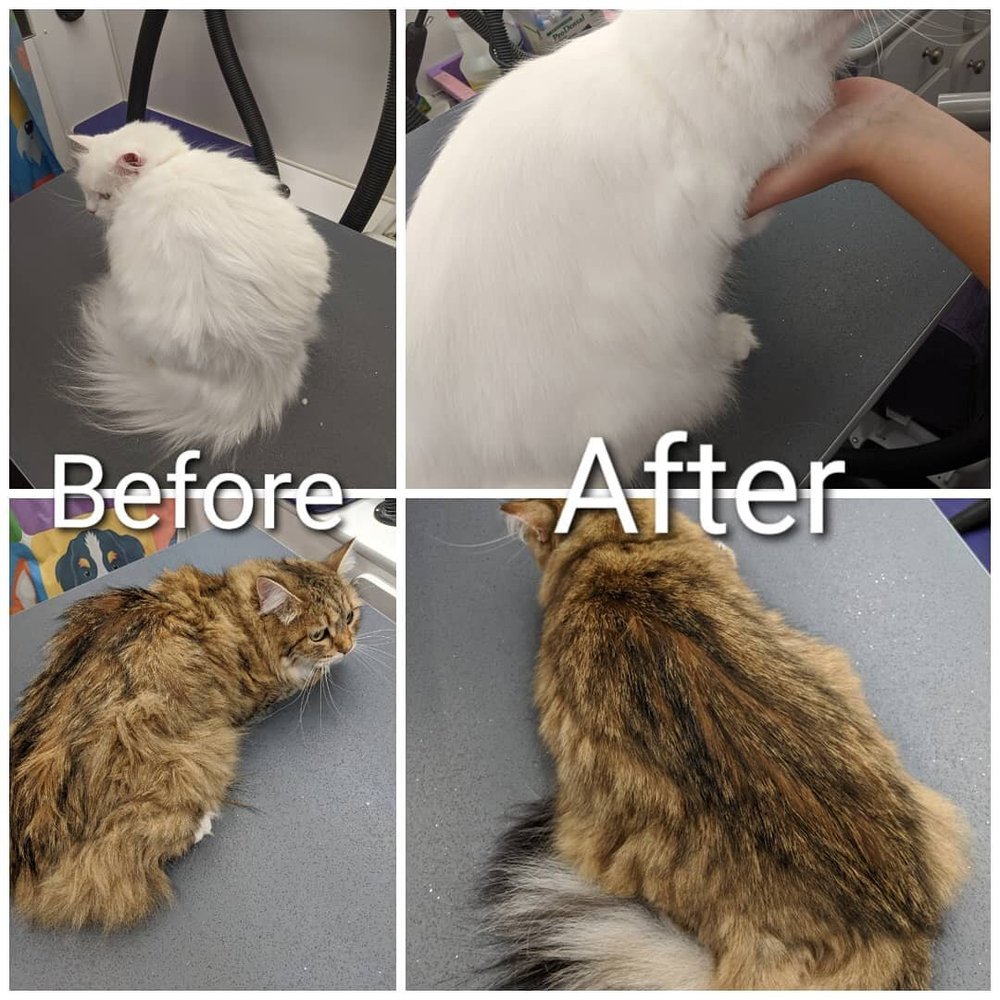
Credit: www.squeakycleangrooming.com
Common Causes Of Over Grooming
Over grooming in cats often signals an underlying issue. It is a sign that your cat may be uncomfortable or stressed. Understanding the common causes helps you address the problem early. Here are the main reasons why cats over groom themselves.
Stress And Anxiety
Stress can cause cats to groom excessively. Changes in the home, loud noises, or new pets can create anxiety. Grooming acts as a soothing behavior for cats under stress. Persistent over grooming may indicate your cat needs a calmer environment.
Allergies And Skin Conditions
Allergies can make a cat’s skin itchy and uncomfortable. Food, pollen, or chemicals often trigger allergic reactions. Skin conditions like dermatitis also cause irritation. Cats lick and scratch to relieve the itch, leading to over grooming.
Parasites And Infections
Fleas, mites, and other parasites cause intense itching. Infections can make the skin sore and inflamed. Cats try to remove these irritants by licking and biting their fur. Untreated, these issues worsen and cause more over grooming.
Boredom And Lack Of Stimulation
Cats need mental and physical activity to stay healthy. Boredom often leads to repetitive behaviors like over grooming. A lack of playtime or interaction can cause this. Providing toys and attention helps reduce over grooming caused by boredom.
Behavioral Changes To Watch
Noticing behavioral changes in your cat can be a key sign that they might be over grooming. These shifts often reveal stress, discomfort, or underlying health issues that aren’t immediately visible. Paying close attention to how your cat acts can help you catch problems early and offer the right support.
Increased Restlessness
Your calm cat suddenly pacing or unable to settle could indicate over grooming stress. Restlessness often shows that your pet feels uneasy or irritated, which might trigger excessive licking or biting. If you notice your cat pacing more than usual or frequently changing spots, it’s time to observe their grooming habits closely.
Avoidance Of Interaction
Has your cat started hiding or avoiding your touch? Cats over grooming might pull away from people to hide sensitive or sore areas. This change in social behavior can be subtle at first—maybe your cat no longer jumps on your lap or seems less interested in playtime.
Changes In Eating Habits
Watch for any drop in appetite or changes in how your cat eats. Stress and discomfort from over grooming often affect a cat’s desire to eat. If your cat suddenly skips meals or shows less enthusiasm for food, this could be a sign that something is wrong.

Credit: www.purina.com
When To See A Veterinarian
Excessive grooming can cause bald spots or skin sores on cats. Visit a veterinarian if your cat licks or scratches too much, causing redness or hair loss. Early care helps prevent infections and eases your cat’s discomfort.
When your cat’s grooming habits change, it might be time for a vet visit. Over grooming can indicate health issues. Look for signs that need professional attention.Persistent Skin Problems
Notice any open sores or bald patches? These might need a vet’s care. Persistent skin issues can signal allergies or infections. A vet can diagnose and treat these conditions. Don’t ignore skin problems that last more than a week.Signs Of Pain Or Discomfort
Excessive grooming might mean your cat is in pain. Look for limping or difficulty in movement. Cats may over groom to soothe the pain. If you see signs of discomfort, consult a vet. They can find the cause of your cat’s pain.Behavioral Concerns
Is your cat acting differently? Over grooming can be a stress response. Watch for changes in eating or sleeping patterns. Behavioral changes often accompany over grooming. A vet can help identify stressors in your cat’s environment. They can suggest ways to reduce your cat’s stress.Treatment Options
Treating a cat that overgrooms requires a careful approach. The goal is to stop the behavior and heal the skin. Treatment depends on the cause of overgrooming. Some cats need medicine. Others benefit from changes in their environment or diet. Stress often plays a role, so reducing it can help. Explore different options to find what works best for your cat.
Medications And Topical Treatments
Veterinarians may prescribe medications to reduce itching and inflammation. These can be oral drugs or injections. Topical creams and sprays soothe irritated skin. Antibiotics treat infections caused by excessive licking. Always follow the vet’s instructions for dosage and duration. Never use human medicine without vet approval.
Environmental Enrichment
Providing stimulating toys and climbing spaces keeps cats busy. New playthings can redirect their focus away from licking. Regular playtime builds a stronger bond and eases boredom. Scratching posts and puzzle feeders give mental and physical exercise. A busy cat is less likely to overgroom.
Stress Reduction Techniques
Stress can trigger overgrooming. Create a calm home environment. Use pheromone diffusers to comfort your cat. Keep a consistent routine for feeding and play. Quiet spaces help shy cats feel safe. Avoid loud noises and sudden changes. Patience and gentle interaction lower anxiety over time.
Dietary Adjustments
Food allergies may cause skin problems and licking. Switching to hypoallergenic or limited-ingredient diets can improve skin health. Omega-3 fatty acids support coat condition and reduce inflammation. Consult your vet before changing your cat’s diet. Proper nutrition supports healing and reduces overgrooming.
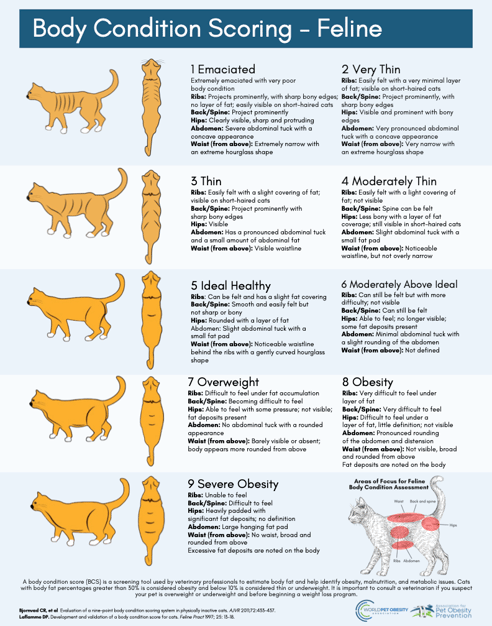
Credit: www.preventivevet.com
Preventing Over Grooming
Preventing over grooming in cats is essential to keep your furry friend healthy and happy. Over grooming can cause skin damage and lead to infections if left unchecked. The key is to spot early signs and take proactive steps that support your cat’s well-being every day.
Regular Vet Checkups
Regular visits to the vet help catch health problems before they worsen. Your vet can identify skin conditions, parasites, or hormonal imbalances that cause excessive grooming. Don’t wait for visible wounds—checkups are your best defense against hidden issues.
Providing Mental Stimulation
Boredom often drives cats to over groom. Offering toys, puzzle feeders, and interactive play keeps their minds busy and reduces stress. Have you noticed your cat grooming more when left alone for long periods? Adding mental stimulation can break this cycle.
Addressing Allergies Early
Allergies are a common cause of itching that leads to over grooming. Watch for signs like sneezing, watery eyes, or frequent scratching. Early treatment with your vet’s guidance can ease discomfort and stop your cat from damaging its skin.
Maintaining A Clean Environment
A clean living space reduces exposure to irritants that trigger grooming. Regularly wash bedding, vacuum floors, and keep litter boxes tidy. Small changes in your home can make a big difference in preventing your cat’s skin irritation.
Frequently Asked Questions
What Are Common Signs Of Cat Over Grooming?
Over grooming in cats often shows as bald patches or thinning fur. You may notice red, irritated skin. Excessive licking or biting on one spot is a key sign. Behavioral changes like restlessness can also indicate over grooming.
Why Do Cats Over Groom Themselves?
Cats may over groom due to stress, anxiety, or boredom. Skin allergies or parasites can also cause excessive licking. Sometimes, pain or discomfort leads to over grooming. Identifying the cause is important for proper treatment.
How Can I Stop My Cat From Over Grooming?
Provide environmental enrichment to reduce stress and boredom. Consult a vet to rule out medical issues. Use calming sprays or pheromone diffusers if needed. Regular grooming and interactive play help distract your cat from over grooming.
When Should I See A Vet For Over Grooming?
See a vet if bald spots or sores appear on your cat. Persistent itching or skin irritation also needs medical attention. If over grooming behavior worsens or your cat seems stressed, consult a veterinarian promptly. Early intervention prevents complications.
Conclusion
Cats grooming too much can show health or stress issues. Watch for bald spots, redness, or sores on your cat’s skin. These signs tell you your cat needs help. Keep your cat calm and comfortable to reduce over grooming. Visiting a vet can find the cause and offer treatment.
Taking quick action helps your cat feel better fast. Healthy cats enjoy grooming without harm or pain. Stay alert and care for your furry friend every day.



Leave a Reply