Have you noticed your older cat’s fur looking messy or unkempt? You might be wondering why your once fastidious feline has suddenly stopped grooming.
It’s not just about appearance—your cat’s grooming habits say a lot about their health and comfort. Understanding why old cats stop grooming can help you catch potential problems early and improve your pet’s quality of life. Keep reading to discover the key reasons behind this change and what you can do to support your beloved cat as they age.
Changes In Grooming Habits
As cats grow older, their grooming habits often change noticeably. These shifts can be subtle at first but tend to become more apparent over time. Understanding why these changes happen helps you care better for your aging feline friend.
Signs Of Reduced Grooming
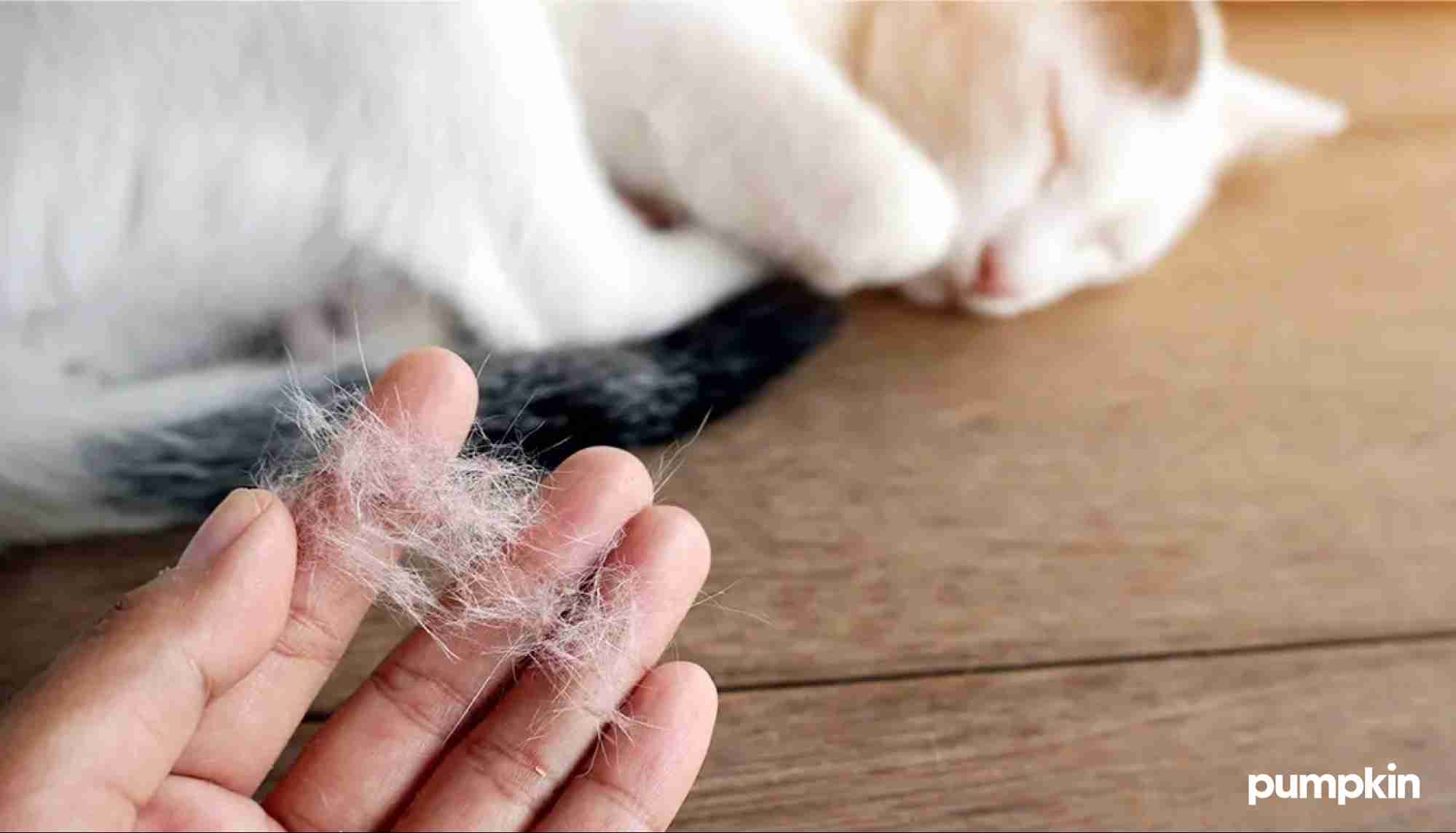
You might notice your cat’s fur looking dull or matted, which is a clear sign they aren’t grooming as much. They may also develop greasy patches or have an unusual odor. Older cats sometimes stop cleaning certain hard-to-reach spots, like their hind legs or around their neck.
If you see an increase in dandruff or skin flakes, this could also indicate less frequent grooming. Watch for changes in your cat’s behavior too—if they seem less flexible or move slower, grooming might be uncomfortable or tiring for them. Have you observed your cat avoiding their usual cleaning routine lately?
Impact On Cat’s Health
When grooming decreases, your cat’s skin health can suffer. Dirt and oils build up, potentially causing irritation or infections. Matted fur traps moisture and debris, creating a perfect environment for bacteria and parasites.
Reduced grooming also affects their comfort and mobility. Skin conditions can lead to itching and pain, making your cat less active and more withdrawn. This can create a cycle where discomfort further discourages grooming.
Pay attention to these signs and consider regular brushing sessions to help your cat maintain cleanliness. This simple step not only improves their comfort but also strengthens your bond. Are you ready to support your old cat’s grooming needs more actively?
Credit: www.pumpkin.care
Common Health Issues
Older cats often stop grooming due to several health problems. These issues make grooming uncomfortable or difficult. Understanding these health problems helps cat owners provide better care.
Arthritis And Joint Pain
Arthritis causes stiffness and pain in joints. Grooming requires bending and stretching, which hurts cats with arthritis. They may avoid cleaning themselves to reduce pain. This leads to a messy, unkempt coat.
Dental Problems
Dental disease makes chewing and licking painful. Cats with sore mouths groom less often. Bad teeth can lower their desire to clean their fur. This causes dirt and oil to build up on their coat.
Skin Conditions
Skin issues like infections or allergies cause itching and discomfort. Cats may avoid grooming irritated areas. Scratching may worsen skin damage, leading to more problems. Poor grooming results in a dull, patchy coat.
Internal Illnesses
Diseases such as kidney or thyroid problems affect energy and appetite. Sick cats feel weak and tired. Grooming becomes less of a priority. Lack of grooming signals underlying health concerns that need vet care.
Behavioral And Emotional Factors
Older cats may stop grooming due to changes in their behavior and emotions. These factors affect their daily routines and self-care habits. Emotional distress and mental changes can make grooming less important to them. Understanding these reasons helps owners provide better care and support.
Stress And Anxiety
Stress can make cats avoid grooming. Loud noises, new pets, or changes in the home cause anxiety. Older cats may feel insecure or scared. This feeling lowers their interest in cleaning themselves. Stress may also cause physical symptoms like hair loss or skin problems. Reducing stress can help cats return to grooming.
Cognitive Decline
Cognitive decline is common in aging cats. It affects their memory and thinking skills. Cats may forget how to groom properly or lose interest. They might get confused or disoriented. This decline leads to less self-care and poor coat condition. Mental stimulation and gentle care can support cats with cognitive decline.
:strip_icc()/the-kitty-1011094438-5c3d1af5c9e77c00015e66a6.jpg)
Credit: www.thesprucepets.com
Environmental Influences
Cats are creatures of habit. Changes in their environment can affect their grooming habits. Older cats, in particular, may stop grooming due to shifts around them. Understanding these environmental influences is essential for their well-being.
Changes In Living Space
Older cats often struggle with changes in their living spaces. Moving furniture can confuse them. They might find it hard to navigate their homes. New smells or sounds can also be unsettling. These changes can make them anxious. Anxiety may cause them to stop grooming.
Access To Grooming Areas
Senior cats need easy access to their favorite grooming spots. High shelves or window perches might become challenging. If they can’t reach these areas, they might stop grooming. Ensure their spaces are accessible. Ramps or steps can help them reach their spots. This will encourage them to groom more often.
Veterinary Diagnosis
When your older cat stops grooming, it’s often a sign that something isn’t right. A veterinary diagnosis is essential to uncover the root cause. It helps you understand if the issue is physical, medical, or behavioral so you can take the right steps.
Physical Examination
During a physical examination, the vet will carefully check your cat’s coat, skin, teeth, and overall body condition. This hands-on approach can reveal problems like arthritis, dental pain, or skin infections that might make grooming difficult or uncomfortable.
Think about how you feel when you have sore joints or a toothache. Would you want to spend time cleaning yourself if it hurts? Your cat feels the same way. The vet will also observe your cat’s mobility and muscle tone, which often decline with age.
Diagnostic Tests
If the physical exam doesn’t provide clear answers, the vet may suggest diagnostic tests. Blood work is common to check for underlying issues like kidney disease, diabetes, or thyroid problems that can affect grooming habits.
Other tests might include urinalysis, X-rays, or skin scrapings. These help identify hidden infections, arthritis severity, or hormonal imbalances. Have you noticed your cat drinking more water or losing weight? These clues help guide the vet’s choice of tests.
Getting a thorough veterinary diagnosis can change how you support your aging cat. It’s not just about stopping a behavior but improving their comfort and quality of life.
At-home Grooming Tips
Older cats often stop grooming themselves as regularly as they used to, which can lead to matted fur, skin problems, and discomfort. Helping your senior cat with at-home grooming can make a big difference in their health and happiness. Here are some practical tips to keep your elderly feline clean and comfortable.
Brushing Techniques
Brushing your older cat gently can remove loose fur and prevent mats from forming. Use a soft-bristled brush or a grooming mitt to avoid hurting sensitive skin.
Start with short sessions to help your cat get used to the feeling. Pay special attention to areas like the belly and behind the ears, where mats tend to form easily.
If your cat resists, try brushing during calm moments, like after a meal or when they’re relaxed on your lap. Have treats ready to reward their cooperation and make grooming a positive experience.
Bathing Older Cats
Bathing an older cat may seem intimidating, but it can be necessary if their fur gets very dirty or greasy. Use lukewarm water and a gentle, cat-specific shampoo to protect their skin.
Keep the bath short and talk to your cat soothingly throughout. Avoid getting water in their ears and eyes to prevent irritation.
If your cat is anxious or stiff, consider asking a vet or professional groomer for advice or help. Have you noticed your cat’s fur becoming greasy or smelly? A bath might be the solution to restore their comfort and health.
Medical Treatments
Medical treatments play a key role in helping old cats groom themselves again. Aging cats may face health problems that stop their natural grooming habits. These problems often cause pain or skin issues that make grooming hard or uncomfortable. Proper treatment can ease these difficulties and improve their quality of life.
Pain Management
Older cats often develop arthritis or joint pain. This pain can make it hard for them to reach parts of their body to groom. Pain management helps reduce discomfort and allows cats to move more freely.
- Veterinarians may prescribe pain relief medicines.
- Supplements like glucosamine can support joint health.
- Physical therapy or gentle exercise can improve mobility.
Reducing pain helps cats regain interest in grooming. Less discomfort means they can clean themselves more comfortably.
Treatment For Skin Issues
Skin problems are common in older cats and can stop grooming. Dry skin, infections, or allergies may cause itching and irritation.
- Medicated shampoos can soothe and heal the skin.
- Antibiotics or antifungal drugs treat infections.
- Special diets or supplements may improve skin condition.
- Regular vet check-ups catch skin issues early.
Healthy skin encourages cats to groom regularly. Treating skin problems removes pain and discomfort during grooming.
Enhancing Comfort And Care
As cats grow older, their grooming habits often change. Older cats may stop grooming as much, which can affect their comfort and health. Helping them stay clean and comfortable becomes very important. Small changes at home can make a big difference in their daily life and well-being.
Creating A Safe Environment
Older cats need a quiet, calm space to feel secure. Avoid loud noises and sudden movements around them. Soft bedding in warm spots helps them relax and stay cozy. Keep their favorite resting places clean and easy to reach. This reduces stress and encourages them to rest more, which supports their health.
Diet And Hydration
Proper diet and water intake are key to keeping senior cats healthy. Older cats often eat less, so offer small, frequent meals of nutritious food. Wet food can help increase their water intake. Fresh water should always be available and changed daily. Good nutrition supports their skin and coat, making grooming easier and more effective.

Credit: www.reddit.com
Frequently Asked Questions
Why Do Old Cats Stop Grooming Themselves?
Old cats may stop grooming due to arthritis or dental pain. These conditions make self-cleaning difficult and uncomfortable. Age-related health issues reduce their energy and motivation, leading to less grooming and a dull coat.
How Does Aging Affect A Cat’s Grooming Habits?
Aging decreases a cat’s flexibility and strength, making grooming harder. Sensory decline and chronic illnesses also contribute to grooming neglect. This results in mats, dirt accumulation, and an overall unkempt appearance.
Can Health Problems Cause Grooming Decline In Senior Cats?
Yes, health issues like arthritis, dental disease, or kidney problems reduce grooming. Pain and discomfort limit their ability to reach certain areas. Regular vet check-ups help identify and manage these underlying causes.
What Are The Signs Of Poor Grooming In Old Cats?
Signs include matted fur, greasy or dirty coat, and unpleasant odor. You may notice hair loss or skin infections from lack of cleaning. These indicators suggest your cat needs medical attention or grooming assistance.
Conclusion
Old cats may stop grooming due to health or age issues. Their joints might hurt, making grooming hard. Sometimes, they feel weak or tired. Skin problems or dental pain can also affect grooming. Watch your cat closely for changes in behavior.
Help by brushing them gently and keeping vet visits regular. Clean fur and good care improve their comfort. Understanding why they stop helps keep them happy. Caring for older cats shows love and respect. Small actions make a big difference in their life.

Leave a Reply