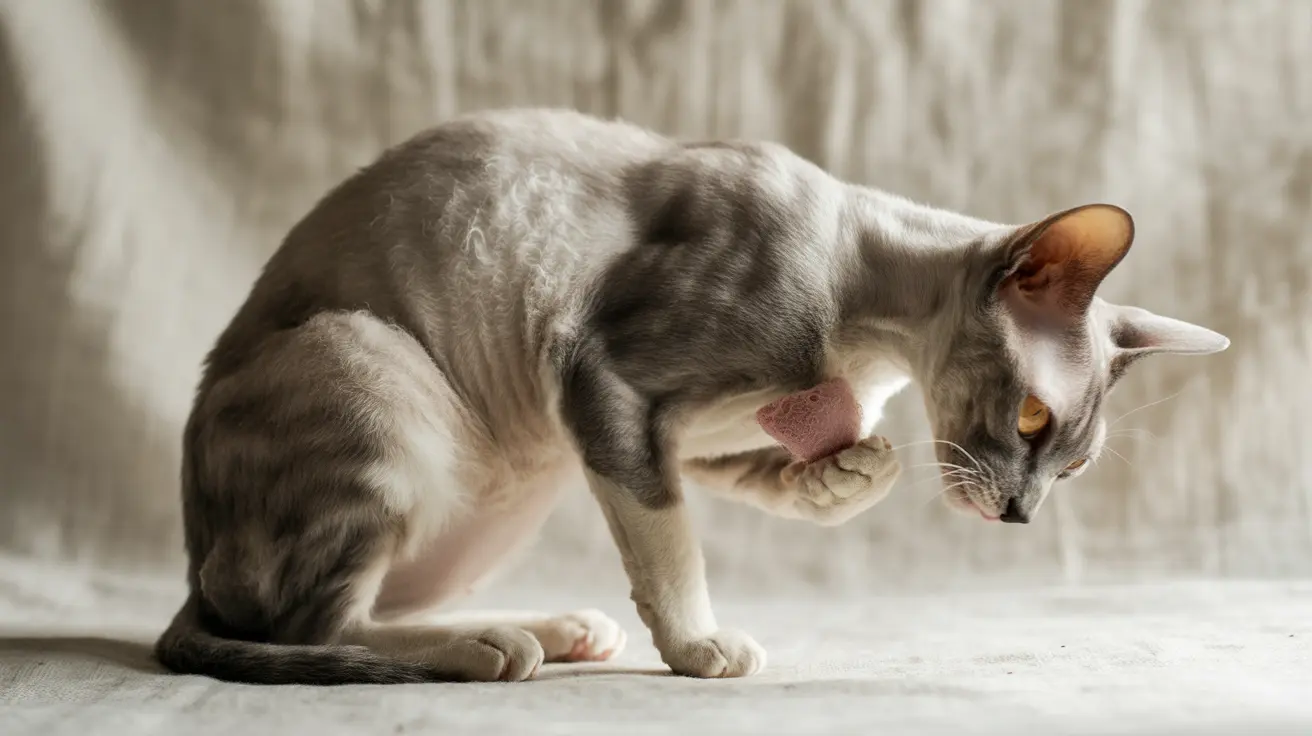
Have you ever noticed your cat pulling its own hair while grooming and wondered why it does that? It might seem strange or even worrying to see your furry friend tug at its fur like that.
Understanding this behavior is important because it can tell you a lot about your cat’s health and happiness. You’ll discover the surprising reasons behind this habit and what you can do to help your cat feel more comfortable. Keep reading—you won’t want to miss these key insights that could make a big difference for your pet.

Credit: www.reddit.com
Common Grooming Habits
Cats spend a good part of their day grooming themselves. Grooming helps them stay clean and healthy. It removes dirt, loose fur, and parasites. Most cats lick their fur gently, using their tongue like a brush. This behavior is natural and necessary for their well-being.
Watching a cat groom can be calming. They pause, lick, and carefully clean each part of their body. Grooming also helps cats cool down and relax. It is a way for them to feel safe and comfortable.
Normal Grooming Behavior
Normal grooming is a calm and steady activity. Cats lick their fur smoothly and evenly. They clean their face, ears, legs, and tail with care. Grooming usually takes up about 30 to 50 percent of their waking hours.
During grooming, cats remove dead skin and loose hair. This prevents mats and tangles in their coat. They also spread natural oils that keep their fur shiny. Grooming is part of their daily routine and social bonding with other cats.
When Grooming Becomes Excessive
Sometimes, cats groom too much. They may pull out hair or create bald patches. Excessive grooming can cause skin irritation and sores. This behavior often signals stress, allergies, or parasites like fleas.
Look for signs such as:
- Constant licking or biting one area
- Red or inflamed skin
- Hair loss or scabs
- Restlessness or anxiety
Excessive grooming can harm a cat’s skin and coat. It needs attention to find and fix the cause. Early care helps your cat feel better and stops hair loss.

Credit: www.reddit.com
Medical Causes
When your cat starts pulling out its hair during grooming, it’s not always just a quirky habit. Medical causes often lie beneath this behavior, signaling that your feline friend might be dealing with discomfort or health issues. Understanding these medical reasons can help you spot problems early and get your cat the care it needs.
Skin Allergies And Irritations
Skin allergies are a common culprit behind hair pulling. Cats can react to environmental factors like pollen, dust, or certain foods, causing itchy, irritated skin. If you notice redness, swelling, or constant scratching along with hair loss, allergies might be the cause.
Have you ever seen your cat obsessively licking a spot until the fur disappears? That’s a strong sign something is irritating their skin. Addressing allergies early with your vet’s help can prevent worsening symptoms and discomfort.
Parasite Infestations
Parasites such as fleas, mites, or ticks can trigger intense itching and lead your cat to pull out its fur. Flea allergy dermatitis is especially painful and common, causing cats to over-groom affected areas. Even if you don’t see parasites, your cat might be reacting to bites or infestations hiding under the fur.
Regular parasite prevention is crucial. When was the last time you checked your cat for fleas or other parasites? Catching these pests early can save your cat from unnecessary misery and hair loss.
Hormonal Imbalances
Hormones play a big role in your cat’s skin and coat health. Conditions like hyperthyroidism or Cushing’s disease can cause skin thinning and itchiness, leading to hair pulling. These imbalances might also affect your cat’s mood, making them more prone to stress-related grooming.
If your cat’s grooming habits suddenly change alongside weight loss, increased appetite, or lethargy, it’s worth discussing hormonal issues with your vet. Blood tests can often reveal these hidden problems quickly.
Pain And Discomfort
Sometimes hair pulling isn’t about the skin but about pain beneath it. Cats might lick or chew at an area where they feel discomfort from injury, arthritis, or even dental problems. This behavior is their way of trying to soothe the pain or draw your attention to the issue.
Have you noticed your cat focusing grooming on one spot or limping? These signs could mean pain is causing the hair pulling. A thorough check-up can help identify the source and bring relief to your pet.
Psychological Factors
Psychological factors play a significant role in why cats pull their hair out during grooming. Unlike physical causes, these behaviors often stem from emotional or mental stress. Understanding these triggers can help you manage your cat’s behavior more effectively and improve their well-being.
Stress And Anxiety
Cats are highly sensitive to changes in their environment. New people, loud noises, or even a change in routine can cause them to feel anxious. This stress can lead to over-grooming as a way for your cat to soothe itself, often resulting in hair loss.
Have you noticed your cat pulling hair after a visit to the vet or moving to a new home? These events might be the stressors behind the behavior. Providing a calm, predictable environment can reduce anxiety and help your cat feel safer.
Boredom And Lack Of Stimulation
A bored cat often looks for ways to entertain itself, sometimes turning to excessive grooming. Without enough mental and physical stimulation, your cat may engage in hair-pulling simply to fill the void. This behavior can escalate if not addressed.
Think about how much time your cat spends alone or without toys. Adding interactive play sessions or puzzle feeders can keep your cat’s mind active. Keeping your cat engaged may stop hair-pulling caused by boredom.
Obsessive-compulsive Disorders
Some cats develop obsessive-compulsive behaviors similar to humans. Hair pulling can become a repetitive, uncontrollable habit triggered by underlying psychological issues. This condition requires patience and sometimes veterinary intervention.
If your cat seems unable to stop grooming despite your efforts, it might be dealing with an obsessive-compulsive disorder. Consulting your vet about behavior therapy or medication could make a big difference in your cat’s quality of life.
Environmental Triggers
Cats are meticulous groomers, often spending hours each day on their fur. However, when grooming turns into hair-pulling, it can be a sign of stress or other environmental triggers. Understanding these triggers can help you provide a more comfortable environment for your feline friend.
Changes In Household
Have you recently moved furniture or welcomed a new pet or family member? Even minor changes in the household can stress your cat, leading to over-grooming and hair-pulling. Cats thrive on routine, and any disruption can make them anxious.
Pay attention to how your cat reacts to these changes. You might notice them hiding more often or becoming unusually vocal. Try to maintain a consistent routine to help your cat adjust.
Exposure To Irritants
Is your cat exposed to new cleaning products, perfumes, or even cigarette smoke? These irritants can affect your cat’s skin, causing discomfort that leads to excessive grooming.
Consider switching to pet-friendly cleaning supplies and reducing the use of strong scents around your home. Always ensure proper ventilation to minimize exposure to any airborne irritants.
Dietary Influences
Have you recently changed your cat’s diet or introduced new treats? Food allergies or intolerances can manifest as skin irritations, prompting your cat to pull their hair out.
Monitor your cat’s skin condition when trying new foods. If you suspect a dietary issue, consult your vet to identify potential allergens and find a suitable diet for your cat.
By paying close attention to these environmental triggers, you can help reduce your cat’s stress and prevent hair-pulling. What adjustments can you make today to improve your cat’s environment?
Signs To Watch For
Noticing your cat pulling its hair out is a worrying sign. Understanding the signs helps catch problems early. Watch for changes in behavior and physical symptoms. These clues show when your cat needs help.
Behavioral Changes
Your cat may act restless or anxious. It might groom obsessively or more than usual. Avoiding play or hiding more often can also happen. Sudden irritability or aggression is another red flag. These changes show your cat might feel stressed or in pain.
Physical Symptoms
Look closely at your cat’s skin and fur. Bald patches or thinning fur often appear. Redness, swelling, or sores on the skin can develop. Scabs or crusts may form where the cat pulls hair. Your cat might scratch or lick the same spot repeatedly. These signs point to irritation or infection.
When To See A Vet
Visit a vet if hair loss spreads or worsens. If your cat shows pain, swelling, or bleeding, get help fast. A vet can find the cause and suggest treatment. Don’t wait if your cat stops eating or becomes very lethargic. Early care improves recovery and comfort for your cat.
Treatment Options
When your cat starts pulling its hair out during grooming, finding the right treatment can feel overwhelming. Understanding the available options helps you make decisions that truly improve your pet’s comfort and health. Treatment often combines different approaches tailored to your cat’s specific needs and triggers.
Medical Interventions
Sometimes, hair pulling is caused by skin infections, allergies, or parasites. A vet can run tests to pinpoint these issues and prescribe medications like antibiotics, antifungals, or anti-parasitic treatments.
In cases of severe itching or inflammation, corticosteroids or antihistamines may be necessary to provide quick relief. Don’t hesitate to ask your vet about the side effects and duration of any prescribed medication.
Behavioral Therapy
Hair pulling can also be a sign of stress or anxiety. You might notice your cat overgrooms after loud noises or changes in routine. Behavioral therapy focuses on reducing stressors and teaching your cat new coping skills.
Try engaging your cat with interactive toys or gentle play sessions to redirect their grooming habits. If you’ve ever watched a cat lose interest in licking after being distracted, you know how effective these small changes can be.
Environmental Adjustments
Your cat’s environment plays a huge role in their grooming behavior. Simple changes like adding cozy hiding spots or calming pheromone diffusers can make your cat feel safer and less stressed.
Consider whether your cat has enough stimulation throughout the day. Adding scratching posts, climbing trees, or scheduled playtimes can reduce boredom, which often leads to hair pulling.
Have you noticed if your cat’s hair pulling increases during certain times or situations? Observing these patterns can guide you in making the most helpful adjustments at home.
Preventive Measures
Preventing your cat from pulling out its hair during grooming takes attention and care. Understanding what triggers this behavior helps you create a calm and comfortable environment for your feline friend. Small changes in routine or environment can make a big difference in your cat’s well-being.
Maintaining Proper Grooming
Regular brushing keeps your cat’s coat healthy and reduces the urge to over-groom. Depending on your cat’s fur type, set a grooming schedule that suits their needs—long-haired cats may need daily brushing, while short-haired cats might only require it a few times a week.
Using the right tools, like a soft-bristle brush or a flea comb, can prevent skin irritation. Have you noticed your cat prefers certain areas to be brushed? Pay attention and focus on those spots to make grooming a positive experience.
Stress Reduction Techniques
Stress often causes cats to pull their hair out. Create a peaceful space where your cat feels safe and undisturbed. Adding cozy beds, hiding spots, or interactive toys can help reduce anxiety.
Try simple calming methods such as playing soft music or using pheromone diffusers, which mimic natural cat scents and promote relaxation. Have you observed if your cat’s hair pulling increases during loud noises or changes in the home? Identifying these triggers is key to managing stress.
Regular Vet Check-ups
Frequent veterinary visits can catch skin infections, allergies, or parasites that cause discomfort and hair-pulling. Your vet can also advise on treatment options if your cat has an underlying health issue.
Don’t wait for visible hair loss to schedule a check-up. Early detection can prevent more serious problems and keep your cat comfortable. When was the last time you had your cat’s skin and coat thoroughly examined?

Credit: www.youtube.com
Frequently Asked Questions
Why Do Cats Pull Their Hair Out While Grooming?
Cats may pull their hair out due to stress, allergies, or parasites. Overgrooming can cause hair loss and skin irritation. Identifying the cause helps in proper treatment and keeps your cat comfortable and healthy.
Can Allergies Cause Cats To Pull Out Hair?
Yes, allergies often cause itching and discomfort. Cats may pull hair to relieve irritation. Common allergens include food, pollen, and fleas. Treating allergies can reduce excessive grooming and hair loss.
Is Stress A Reason For Cats Pulling Hair?
Stress is a common cause of overgrooming in cats. Changes in environment or routine can trigger this behavior. Managing stress with calming techniques can help prevent hair pulling and improve your cat’s well-being.
When Should I See A Vet For My Cat’s Hair Loss?
If hair loss is severe, persistent, or accompanied by sores, consult a vet. A professional can diagnose underlying causes like infections or parasites. Early treatment ensures faster recovery and less discomfort for your cat.
Conclusion
Cats pulling their hair while grooming can mean many things. It might show stress, allergies, or skin problems. Watch your cat closely for other signs like redness or bald spots. A vet visit can help find the cause and give the right treatment.
Keeping your cat calm and clean helps reduce hair pulling. Understanding your cat’s behavior leads to better care. Stay patient and gentle with your furry friend. Healthy grooming means a happy cat.

Leave a Reply