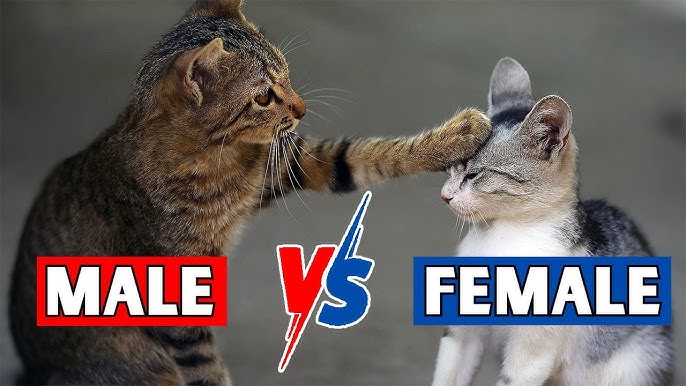
Have you ever watched your cats carefully grooming each other, only to see them suddenly start fighting? It can be confusing and even a little worrying.
You might wonder why your furry friends switch from sweet and gentle to aggressive in just moments. Understanding this strange behavior can help you create a calmer, happier home for your cats—and give you peace of mind. Keep reading to discover the surprising reasons behind this puzzling mix of love and conflict between your cats.
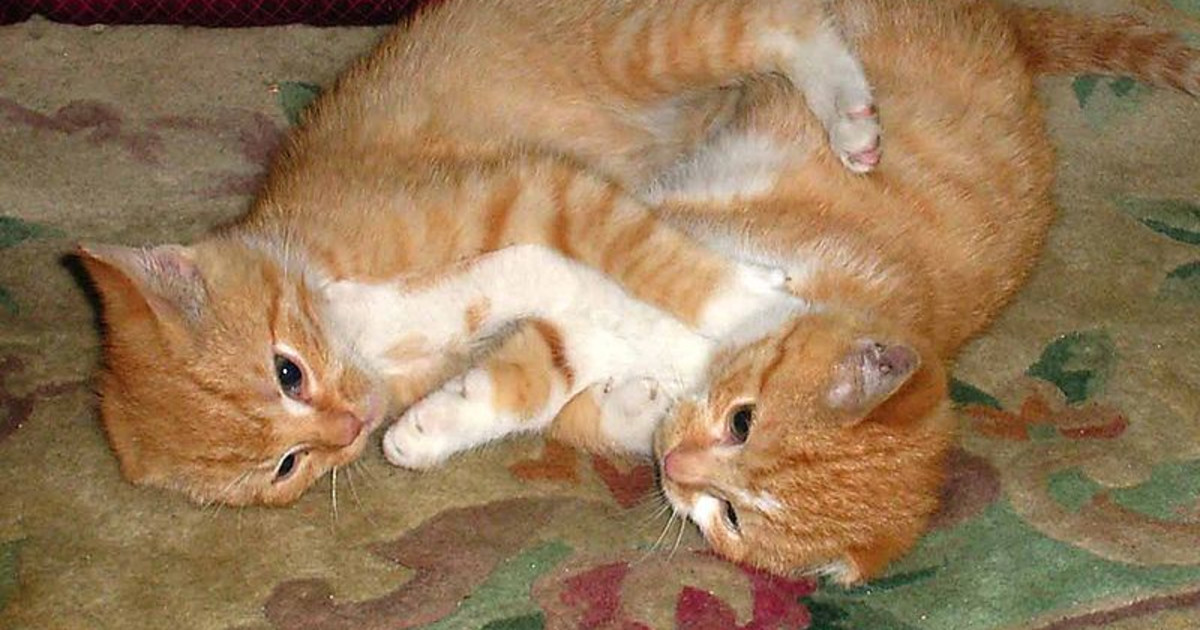
Credit: pethelpful.com
Cat Grooming Behavior
Cats often groom each other in a behavior called allogrooming. This act is common among cats that live together. It helps them keep clean and builds their social relationships. Sometimes, after grooming, cats may suddenly start to fight. Understanding their grooming behavior can explain this change.
Purpose Of Mutual Grooming
Mutual grooming helps cats remove dirt and loose fur. It reaches places hard for cats to clean alone, like the head and neck. This grooming also removes parasites and soothes the skin. It helps cats stay healthy and comfortable.
Social Bonds And Grooming
Grooming builds trust and friendship between cats. It shows acceptance and a strong bond. Cats that groom each other usually have a good relationship. This behavior reduces tension and promotes peace in the group.
Grooming As A Stress Reliever
Grooming calms cats and lowers stress. It releases feel-good chemicals in their brains. When cats feel safe, they groom more. Sometimes, grooming can turn into rough play or a fight. This happens if one cat feels overwhelmed or annoyed.
Triggers For Cat Fights
Cats groom each other to build bonds and show affection. Yet, this calm behavior can suddenly turn into a fight. Understanding what triggers these fights helps manage and prevent them.
Territorial Disputes
Cats are very protective of their space. Grooming may feel like a friendly act. But if one cat feels its territory is threatened, it can react aggressively. This is common in multi-cat homes or outdoor cats. Fighting protects their perceived boundaries.
Overstimulation During Grooming
Grooming can sometimes become too intense. Cats may get sensitive or annoyed by too much licking or nibbling. This overstimulation triggers a quick change in mood. A calm grooming session can end in a sudden scratch or bite.
Resource Competition
Food, toys, and resting spots are valuable to cats. Grooming near these resources may cause tension. One cat might see another as a competitor. This competition can lead to fights after grooming ends.
Relationship Dynamics
Your cats’ grooming and fighting might seem confusing, but it reveals a lot about their relationship dynamics. Cats use these behaviors to navigate their social world. Understanding these interactions can help you manage their environment better and reduce conflict.
Hierarchy Among Cats
In multi-cat households, a social hierarchy often develops. Grooming can be a way for a dominant cat to assert control while also showing care. The cat that grooms more might be higher in rank, but this doesn’t mean the other cats always accept it peacefully.
I once noticed my older cat grooming the younger one, only for a sudden squabble to break out afterward. It was clear the younger cat was testing boundaries. Recognizing these power plays helps you see why grooming can turn into a fight.
Shifts In Affection And Aggression
Affection and aggression can quickly flip between cats. Grooming releases calming pheromones, yet tension may build if one cat feels overwhelmed or dominated. A playful nip can escalate if the recipient isn’t in the mood for interaction.
Have you seen your cats start grooming and then suddenly hiss or swipe? It’s their way of setting limits. Watching for these early signs lets you step in before a fight erupts, protecting both cats.
Communication Through Body Language
Cats communicate volumes through subtle body language during grooming and fighting. Tail flicks, ear position, and pupil size give clues about their mood. A relaxed posture suggests comfort, while a stiff body or flattened ears signals stress or readiness to fight.
Try observing your cats closely during these moments. You’ll begin to predict when grooming will stay peaceful and when it’s about to turn into a tussle. Understanding these signals lets you guide your cats toward calmer interactions.
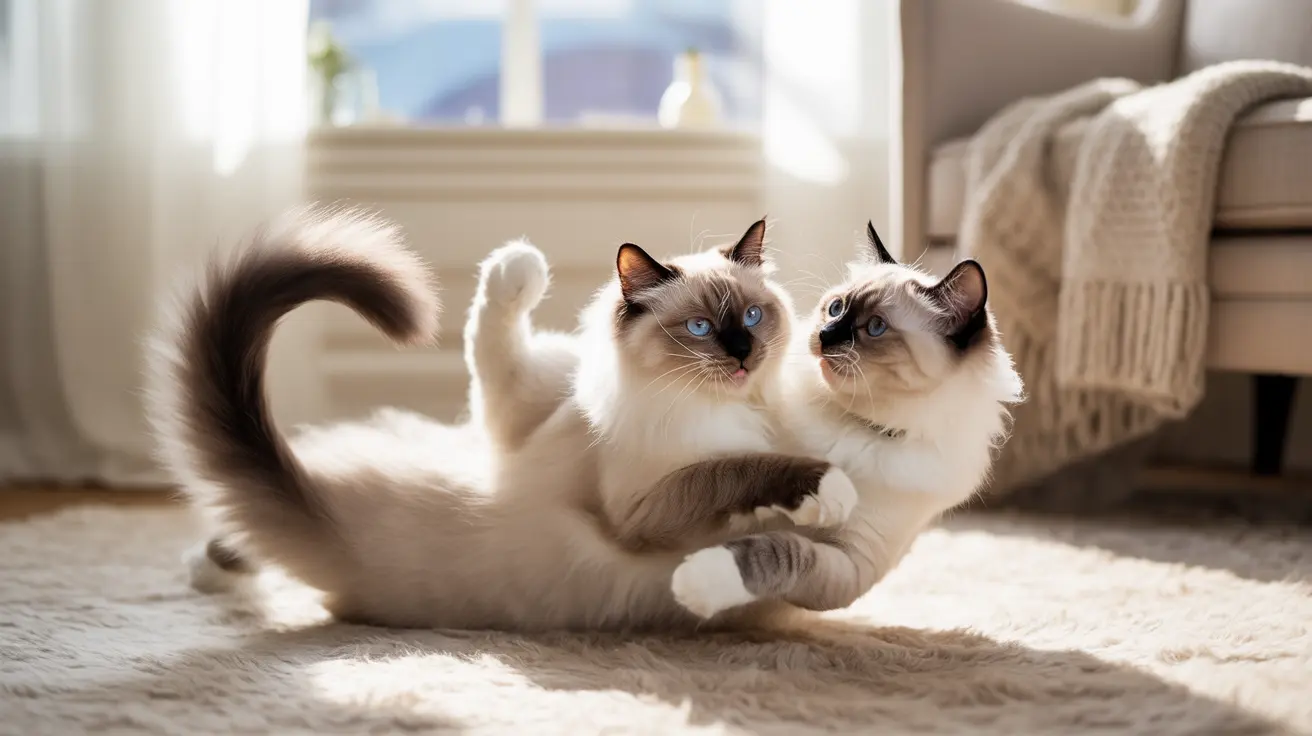
Credit: www.petscare.com
Preventing Grooming-related Conflicts
Preventing conflicts between cats during grooming helps maintain peace at home. Grooming is a bonding act, but it can sometimes lead to tension. Understanding how to stop fights early keeps cats happy and safe.
Recognizing Warning Signs
Watch your cats closely for signals of stress or irritation. Signs include:
- Tail twitching or flicking
- Growling or hissing
- Flattened ears
- Sudden jerky movements
- One cat trying to escape
Noticing these early helps stop fights before they start. Intervene calmly to avoid escalating tension.
Creating A Calm Environment
Provide a quiet space where cats feel safe. Loud noises and sudden movements can cause stress. Use soft lighting and comfortable bedding areas. Keep the environment stable and predictable.
Playing soothing music or using pheromone diffusers can help. A calm setting encourages relaxed grooming behavior.
Providing Adequate Resources
Ensure each cat has its own food bowl, water dish, and litter box. Share toys and resting spots fairly. Crowded resources often cause competition and fights.
- Separate feeding stations
- Multiple litter boxes
- Several scratching posts
- Individual sleeping areas
Giving cats enough resources reduces stress and aggression during grooming.
When To Seek Help
Understanding when to seek help for your cats’ grooming and fighting behavior can be crucial for their well-being. While some level of play-fighting is natural, it’s important to recognize when these interactions signal a deeper issue. Identifying the difference between normal behavior and a potential problem can help ensure your cats remain happy and healthy.
Behavioral Changes To Monitor
Pay attention to sudden changes in your cats’ behavior. If grooming turns into aggressive fighting more frequently, it might indicate stress or discomfort. Notice if one cat seems more withdrawn or starts avoiding the other.
Look for signs of fear or anxiety. If one cat begins hiding more often or becomes jumpy, it could be a response to bullying. Keep an eye on any grooming-related injuries, such as scratches or bites.
Consider whether there have been any changes in their environment. New pets, moving to a new home, or changes in routine can trigger stress and lead to increased conflict. Observing these changes can provide valuable insights into their behavior.
Consulting A Veterinarian Or Behaviorist
If you’re concerned about your cats’ interactions, consulting a veterinarian or animal behaviorist is a wise step. They can help you determine if there’s an underlying medical issue causing the behavior. Sometimes, health problems can manifest as aggression or stress.
An animal behaviorist can offer strategies to improve your cats’ relationship. They can help you understand the root cause of the conflict and suggest ways to create a more harmonious environment. Their expertise can be invaluable in addressing and resolving behavioral issues.
Have you ever wondered if your cats are just playing or if there’s a deeper issue at hand? Understanding when to seek professional help can make all the difference. Ensuring your cats live peacefully together can enhance their quality of life and yours.

Credit: tryfurgo.com
Frequently Asked Questions
Why Do Cats Groom Then Suddenly Fight?
Cats groom each other to bond and show affection. Sometimes, this behavior triggers overstimulation or territorial instincts, leading to sudden fights. It’s a mix of social bonding and natural conflict.
Is Grooming Before Fighting Normal Cat Behavior?
Yes, grooming before fighting is common. It reflects complex social dynamics where cats express both affection and dominance, sometimes leading to brief conflicts.
How Can I Stop Cats From Fighting After Grooming?
Distract them with toys or treats during grooming. Provide separate spaces to reduce tension. Monitor interactions and intervene calmly if fights start.
Does Grooming Mean Cats Are Friends Despite Fighting?
Yes, grooming signals friendship and trust. Fighting may happen occasionally due to misunderstandings or stress but doesn’t negate their bond.
Conclusion
Cats groom each other to show trust and care. Sometimes, small fights happen to set limits or express feelings. This mix of grooming and fighting helps them build their bond. Understanding these behaviors can improve your cats’ relationship. Watch their actions closely to know when to step in.
Patience and attention keep your cats happy and safe together. Their strange habits are just part of how they communicate. Keep giving them love and space to grow closer every day.




Leave a Reply