Have you ever watched your cat spend a surprising amount of time licking its fur and wondered, “Why do cats constantly groom themselves?” It might seem like a simple habit, but there’s a lot more behind this behavior than just staying clean. Understanding why your feline friend grooms so much can help you connect with them better and even spot if something’s wrong.
Keep reading to discover the fascinating reasons behind your cat’s grooming routine—and what it means for their health and happiness.
Grooming As A Natural Instinct
Cats groom themselves constantly. It’s a natural instinct rooted in their DNA. Grooming keeps them clean and comfortable. It also serves other important purposes. Cats have evolved to rely on grooming for survival.
Evolutionary Roots
Cats’ grooming habits stem from their wild ancestors. Wild cats needed to remove scents to avoid predators. Grooming helped them stay undetected in the wild. It also removed loose fur and dirt. This instinct remains strong in domestic cats today.
Self-cleaning Benefits
Grooming offers many benefits. It helps cats keep their skin and fur healthy. Cleaning prevents matting and reduces shedding. Cats also spread natural oils through their fur. These oils keep their coat shiny and waterproof. Grooming is essential for their well-being.
Credit: pethelpful.com
Health And Hygiene
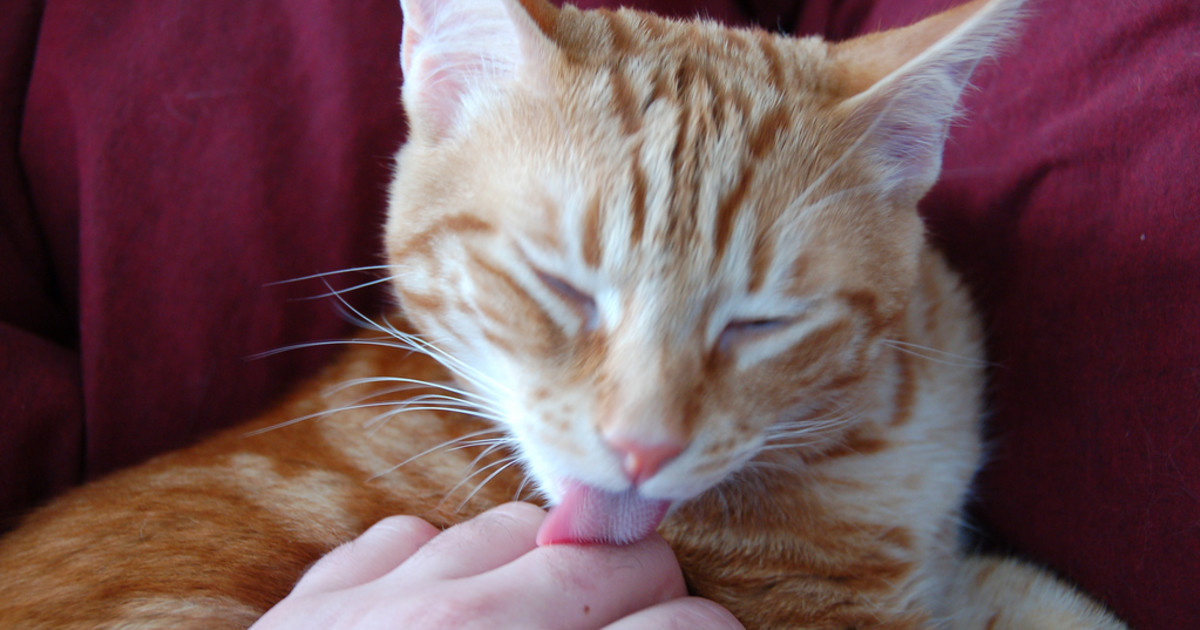
Cats spend a significant part of their day grooming themselves, and it’s not just about looking good. Grooming plays a crucial role in their health and hygiene. Understanding why your cat licks and cleans so often can help you appreciate this natural behavior and even spot potential health issues early.
Removing Dirt And Parasites
Grooming helps cats get rid of dirt and tiny parasites that can hide in their fur. By licking, they can remove dust, pollen, and even fleas that might cause irritation or infections.
If you’ve ever noticed your cat suddenly scratching more or biting its fur, it could be a sign they are trying to manage parasites. Watching how your cat grooms can give you clues about their comfort and health.
Skin And Coat Maintenance
Regular grooming spreads natural oils from the skin across the fur, keeping the coat shiny and healthy. These oils protect the skin from drying out and help repel water.
I once saw my cat obsessively licking a patch of fur that looked dull and rough. A quick check showed dry skin, reminding me how grooming is also a self-care routine for cats to maintain their skin condition.
Have you noticed how your cat’s coat changes with seasons? Grooming adjusts to these changes, helping shed old fur and prepare the skin for new growth.
Temperature Regulation
Cats groom themselves to manage their body temperature. Their fur and skin work together to keep them cool or warm. Grooming helps maintain this balance. It plays a key role in temperature control.
Cooling Through Saliva
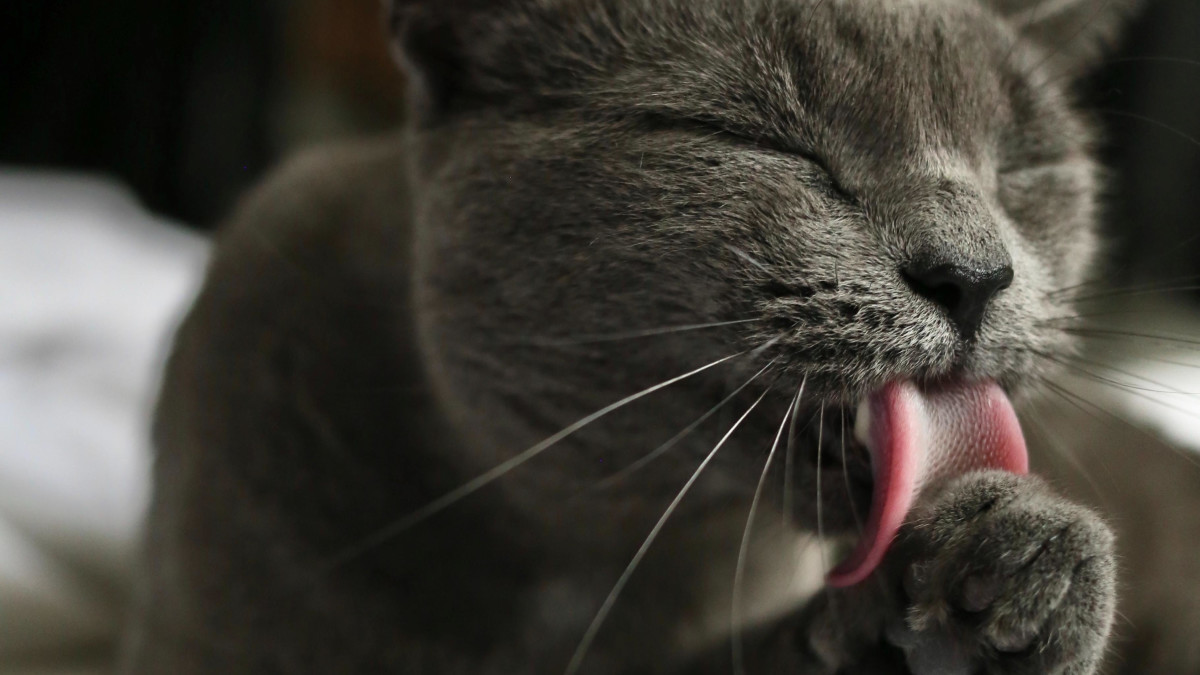
When cats lick their fur, they spread saliva on it. This saliva cools down as it evaporates. Evaporation removes heat from their bodies. This process works like natural air conditioning. It helps cats stay comfortable in hot weather.
Adapting To Weather Changes
Cats adjust their grooming based on weather. In warm weather, they groom more to cool off. In cold weather, they groom less to keep warmth. Grooming also fluffs their fur. Fluffed fur traps air, which insulates their bodies. This helps cats adapt to changing temperatures easily.
Credit: pethelpful.com
Stress And Anxiety Relief
Stress and anxiety can affect cats just like they do humans. Grooming becomes more than just a way to stay clean—it turns into a way for your cat to soothe itself. Understanding this behavior can help you recognize when your cat needs a little extra comfort or support.
Grooming As A Calming Mechanism
When your cat feels stressed, grooming releases endorphins that help calm their nerves. You might notice your cat licking its fur more often after loud noises or changes in the household. This self-soothing habit helps them feel safe and in control.
Think about how you might bite your nails or twirl your hair when anxious. Grooming serves a similar purpose for cats. It’s their way of coping with uncertainty or discomfort.
Signs Of Excessive Grooming
While grooming is normal, too much of it can signal stress or anxiety. Look for bald patches, redness, or sores on your cat’s skin. These are signs that your cat is over-grooming and might need help.
Excessive grooming can also lead to behavioral changes, like hiding or aggression. If you notice your cat obsessively licking or chewing, ask yourself: Has something changed in their environment? Could they be feeling overwhelmed?
Helping your cat manage stress might mean adding interactive play, creating quiet spaces, or consulting a vet. Paying attention to these signs can improve your cat’s well-being and your bond.
Social Grooming Habits
Cats use grooming for more than just cleanliness. Social grooming plays a key role in their daily lives. It helps cats build and maintain strong connections with others in their group. Grooming is a way cats show care and trust. This behavior helps them feel safe and relaxed around each other.
Bonding With Other Cats
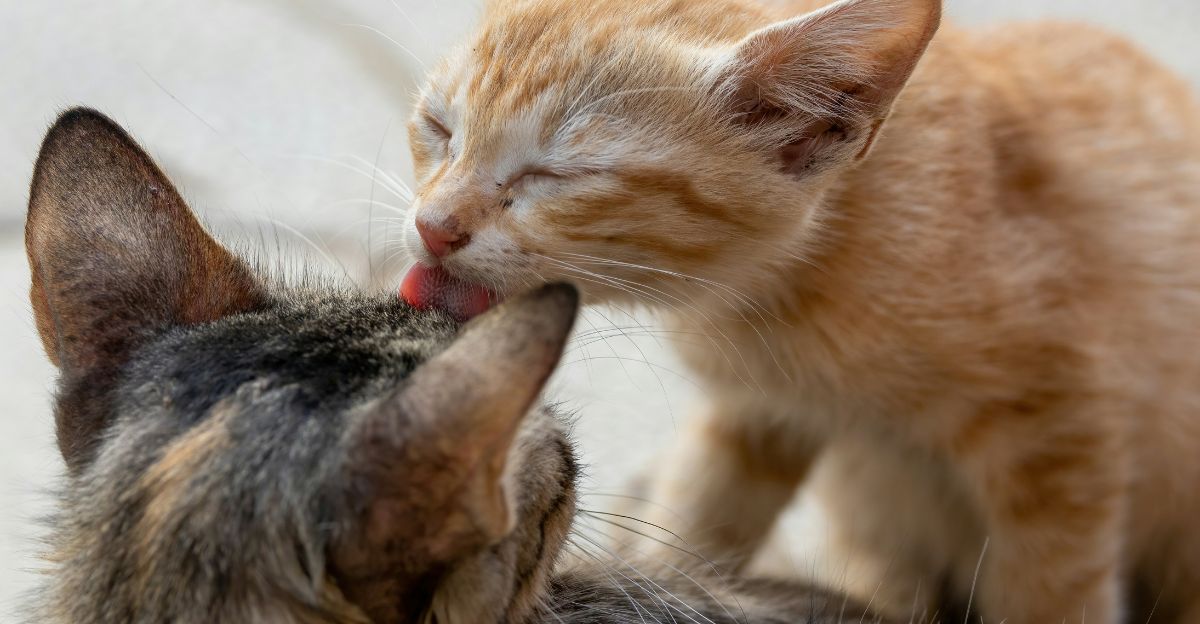
Cats groom each other to create bonds. This act is called allogrooming. It usually happens between cats that live together or have close relationships. Grooming removes dirt and loose fur, but it also strengthens friendships. Cats feel comforted when another cat licks their head or neck. This shared grooming builds trust and shows affection.
Mother cats groom their kittens to keep them clean and calm. Adult cats often groom each other after playing or resting. It helps keep peace and reduces tension in the group. Grooming is a silent way cats say, “You are part of my family.”
Communicating Through Grooming
Grooming is also a form of communication for cats. Through grooming, cats send signals about their mood and social status. A cat that grooms another shows kindness and friendship. It can also be a way to ask for help or attention.
Sometimes grooming helps cats solve conflicts. It calms nervous or scared cats. Grooming can say, “I trust you” or “Let’s be friends.” Cats use this behavior to keep their group strong and stable.
Medical Concerns Behind Grooming
Cats grooming themselves is usually a sign of good health, but sometimes excessive grooming points to underlying medical issues. Understanding these concerns can help you spot when your furry friend might need a vet’s attention. Let’s look deeper into some common medical reasons behind frequent grooming.
Allergies And Skin Conditions
Allergies often cause cats to lick or scratch more than usual. You might notice red, inflamed patches or hair loss around the areas they focus on. These symptoms could stem from food allergies, flea bites, or environmental triggers like pollen or dust.
Skin infections, such as fungal or bacterial infections, also lead to discomfort and grooming as your cat tries to soothe irritated skin. If your cat suddenly starts grooming specific spots obsessively, it could be a sign of these issues. Have you checked your cat’s skin lately for unusual bumps or scabs?
Pain And Discomfort Indicators
Cats sometimes groom excessively in one spot to manage pain or discomfort. For example, if your cat has arthritis or an injury, they might lick the painful area repeatedly. This behavior acts as a self-soothing mechanism but signals that something is wrong.
Other internal problems, like dental pain or digestive discomfort, can also increase grooming as a way for your cat to cope. Watch for changes in grooming patterns combined with signs like limping or decreased appetite. It’s a subtle way your cat tries to tell you they need help.
When To Seek Veterinary Advice
Cats groom themselves daily to stay clean and comfortable. This behavior is normal and healthy. Yet, sometimes grooming can become excessive or unusual. Such changes may signal health problems or stress. Recognizing when to seek veterinary advice helps protect your cat’s well-being. Early action can prevent worsening conditions and ease your cat’s discomfort.
Recognizing Abnormal Grooming Patterns
Watch for signs of abnormal grooming. These include:
- Constant licking or biting a specific area
- Hair loss or bald patches
- Skin redness, sores, or scabs
- Changes in grooming frequency, either too much or too little
- Visible discomfort or pain while grooming
Such signs might indicate allergies, parasites, infections, or anxiety. Tracking these patterns helps your vet diagnose the issue faster.
Treatment Options
Veterinary treatment depends on the cause of abnormal grooming. Possible treatments include:
- Medications for infections or parasites
- Special shampoos or topical creams
- Diet changes to address allergies
- Behavioral therapy for stress-related grooming
- Environmental changes to reduce anxiety
Following the vet’s advice ensures your cat recovers comfortably and returns to normal grooming habits.
)
Credit: www.northroadvet.com.au
Frequently Asked Questions
Why Do Cats Groom Themselves So Often?
Cats groom frequently to keep their fur clean and remove dirt. Grooming also helps regulate body temperature and reduce stress. It strengthens their bond with other cats and stimulates blood circulation.
How Does Grooming Benefit A Cat’s Health?
Grooming removes loose fur and prevents matting, reducing skin infections. It helps control parasites like fleas and ticks. Grooming also keeps the cat’s coat shiny and healthy.
Can Excessive Grooming Indicate A Problem?
Yes, excessive grooming may signal stress, allergies, or skin infections. It can cause hair loss and sores. If your cat grooms too much, consult a vet for proper diagnosis.
Do Cats Groom Each Other? Why?
Yes, cats groom each other to build social bonds and trust. This behavior, called allogrooming, helps reduce tension and strengthens group relationships.
Conclusion
Cats groom to stay clean, cool, and healthy every day. This habit helps remove dirt and loose fur. Grooming also calms cats and reduces stress. It keeps their skin and fur in good shape. Understanding why cats groom helps us care for them better.
Watch your cat’s grooming to spot health issues early. Healthy cats groom often, showing they feel safe and happy. This simple act means much more than just cleaning. Caring for your cat includes respecting their grooming needs.




Leave a Reply