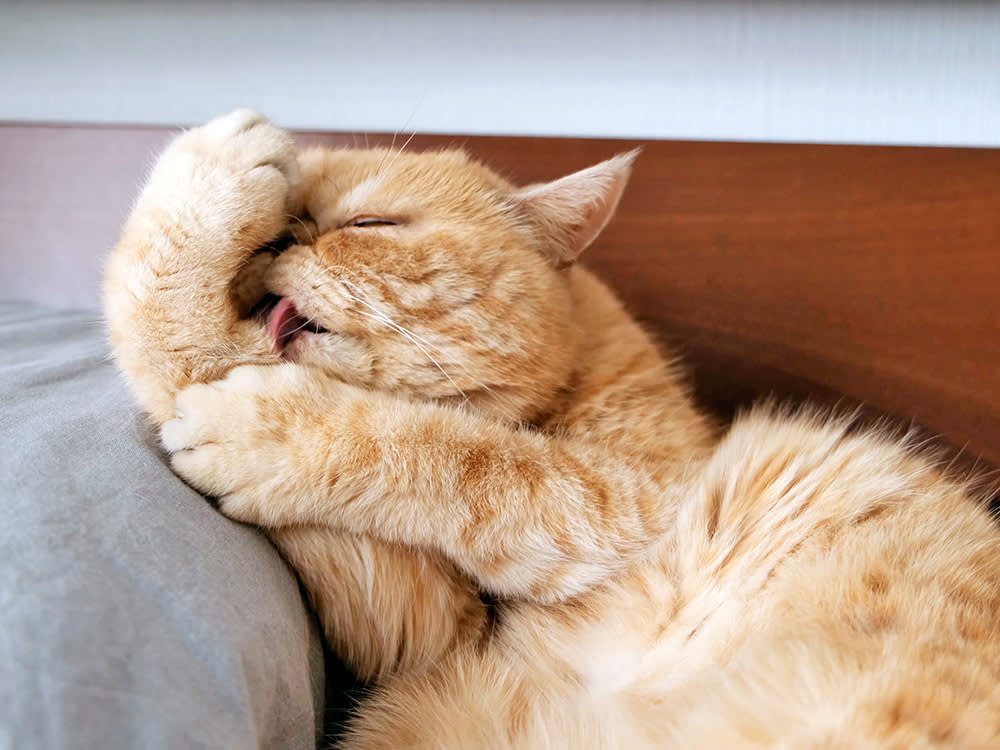
Have you ever watched your cat spend hours licking its fur and wondered why? It might seem like your furry friend is just obsessed with staying clean, but there’s much more to this grooming habit than meets the eye.
Understanding why cats spend so much time grooming can give you a deeper connection with your pet and even help you spot signs of health issues early. Keep reading, and you’ll discover fascinating reasons behind this behavior that will change how you see your cat forever.
Credit: www.latimes.com
Grooming And Hygiene
Cats spend a lot of time grooming to keep themselves clean and healthy. Grooming is more than just a habit. It plays a big role in their hygiene and well-being. This natural behavior helps cats stay free from dirt, parasites, and other unwanted elements.
Removing Dirt And Parasites
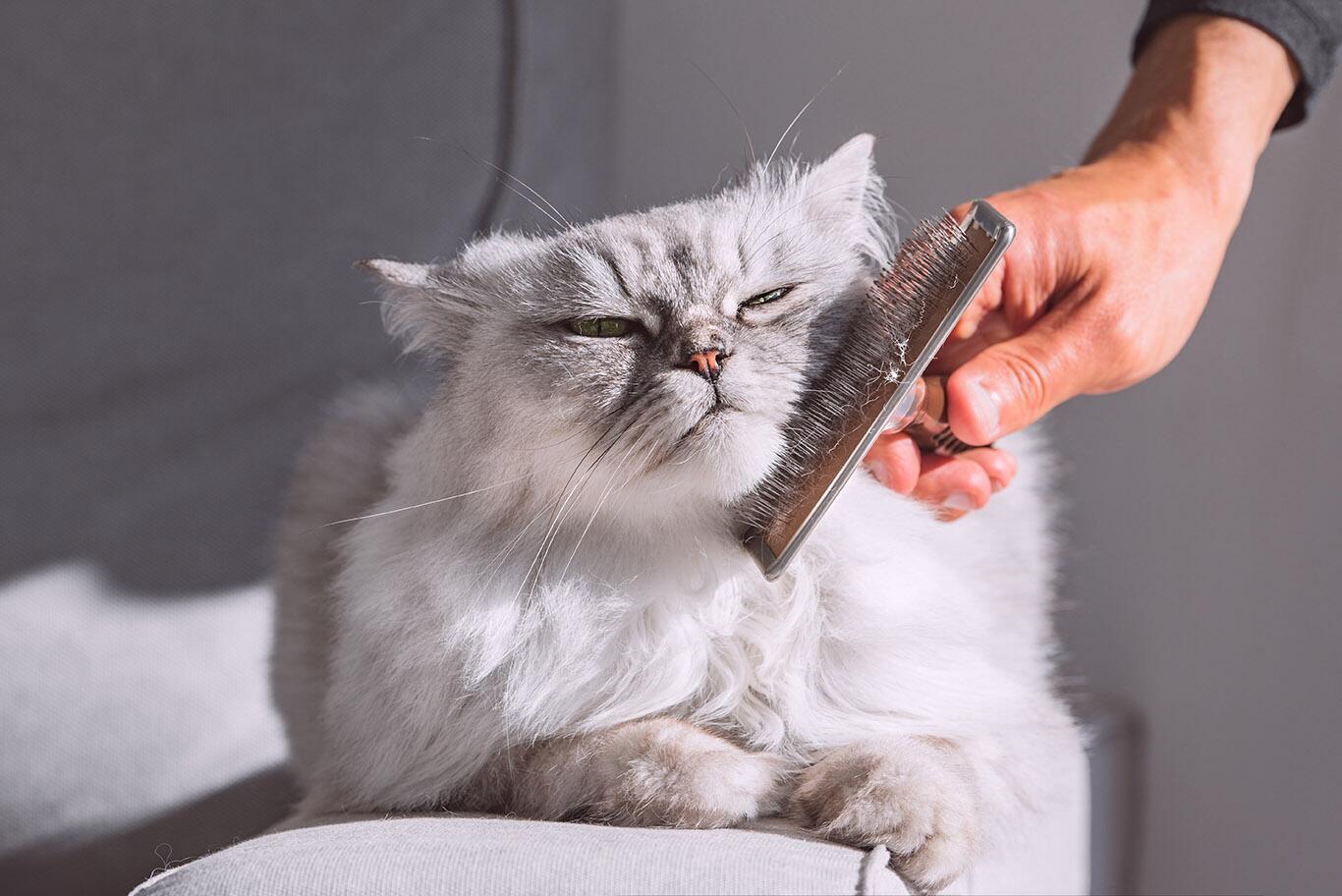
Cats use their tongues to remove dirt from their fur. Their rough tongues act like tiny brushes. This helps sweep away dust and small debris. Grooming also helps catch parasites like fleas and ticks. By licking themselves, cats can spot and remove these pests early. This reduces skin irritation and health risks.
Maintaining Fur Condition
Grooming spreads natural oils over the cat’s fur. These oils keep the coat shiny and smooth. Regular grooming prevents fur from becoming tangled or matted. It also helps control shedding by removing loose hair. A well-maintained coat protects the cat’s skin from weather changes. Grooming supports overall skin health and comfort.
Temperature Regulation
Cats spend a surprising amount of time grooming themselves, and one key reason is temperature regulation. Grooming helps them maintain a comfortable body temperature whether they’re in the heat or the cold. Understanding how this works can change the way you see your furry friend’s daily cleaning routine.
Cooling Through Saliva
When cats lick their fur, they spread saliva that cools them down as it evaporates. This natural “evaporative cooling” works a bit like how sweat cools humans, but cats don’t sweat much through their skin.
Think about the last time you watched your cat grooming on a warm day. That wet fur actually helps lower their body heat. You might notice them grooming more when it’s hot outside—this is why.
Insulation Benefits
Grooming also fluffs up your cat’s fur, creating tiny air pockets that act as insulation. These air pockets trap warmth close to their skin, helping them stay cozy in cooler weather.
Ever seen your cat groom and then settle into a nap? That clean, fluffed fur helps them conserve body heat. So, grooming isn’t just about looking good—it’s a smart way to control their temperature all year round.
Stress Relief And Comfort
Cats spend a surprising amount of time grooming themselves, and one key reason is the relief and comfort it provides them. Grooming isn’t just about staying clean; it plays a crucial role in helping cats manage stress and feel secure. Understanding this behavior can help you better support your feline friend’s emotional well-being.
Self-soothing Behavior
Grooming acts as a calming ritual for cats. When your cat licks its fur, it releases endorphins—natural chemicals that reduce pain and promote a sense of calm.
Think about times when you might rub your hands together or take deep breaths to calm down. Cats do something similar through grooming.
If you notice your cat grooming more than usual, consider whether they might be feeling uneasy. Sometimes, increased grooming is their way of coping with changes in their environment or routine.
Reducing Anxiety
Stress can come from many sources: new people, loud noises, or even changes in the household. Grooming helps cats manage this anxiety by focusing their attention on a repetitive, comforting activity.
Have you ever found yourself distracted by small tasks to ease your worries? Cats use grooming in much the same way to regain control and feel safer.
Providing a calm environment and regular playtime can reduce your cat’s stress levels, which may decrease excessive grooming habits. Observing your cat’s grooming patterns can give you valuable clues about their emotional state.
Social Bonding
When it comes to feline behavior, grooming is not just about cleanliness. It plays a crucial role in social bonding among cats. By engaging in this seemingly mundane activity, cats communicate, form alliances, and create a harmonious environment. Understanding the social aspects of grooming can enhance how you perceive your furry friends.
Mutual Grooming Among Cats
Mutual grooming, or allogrooming, is a common practice among cats. This act is a way for cats to express affection and reinforce social hierarchies. When your cats groom each other, they are not only maintaining their hygiene but also building trust.
Have you ever noticed your cats engaging in a grooming session? This isn’t just a random act. It’s a deliberate choice to strengthen their social bonds. Cats that groom one another tend to have stronger and more stable relationships.
Strengthening Relationships
Grooming is a silent language cats use to say, “I trust you.” It reduces stress and fosters a sense of security among them. Cats often choose to groom those they have a strong bond with, indicating their preferred companions.
As a cat owner, you can use this insight to nurture your pet’s relationships. Encourage mutual grooming by creating a relaxed environment where your cats feel safe and comfortable. A peaceful space can lead to more grooming interactions, deepening their bond.
Next time you see your cats grooming each other, recognize it as a sign of their social harmony. This behavior is a testament to their intricate and fascinating world of communication and relationships.
Health Indicators
Cats spend a lot of time grooming, and this behavior goes beyond just keeping clean. Grooming acts as a window into their health. By watching how your cat grooms, you can pick up clues about their well-being and spot problems early.
Detecting Illness Or Injury
Have you noticed your cat suddenly grooming one spot more than usual? This could mean pain or discomfort in that area. Cats often lick wounds or irritated skin to soothe themselves, so excessive attention to one area might signal an injury or infection.
Changes in grooming habits can also hint at illness. If your cat stops grooming altogether, it might be feeling too weak or sick. On the other hand, too much grooming in one spot can cause hair loss and skin damage, which is a red flag.
Signs Of Over-grooming
Over-grooming can look like bald patches, redness, or scabs on your cat’s skin. You might find your cat licking or biting the same area repeatedly, even when there’s no visible injury. This behavior could be due to stress, allergies, or parasites like fleas.
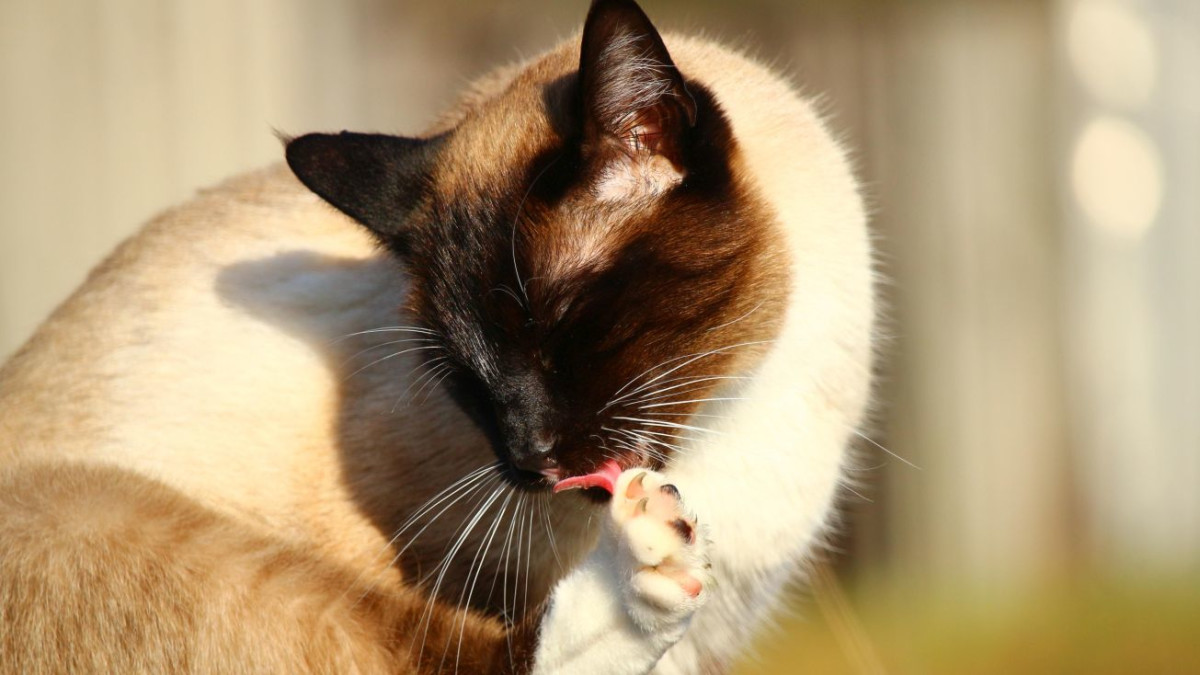
Pay attention to changes in your cat’s mood or behavior alongside grooming changes. If your cat seems anxious or restless, over-grooming might be a coping mechanism. Have you ever caught your cat obsessively licking its paw or tail? That’s a sign to check with your vet.
Credit: pethelpful.com
Instinct And Survival
Cats spend a surprising amount of time grooming themselves, and this behavior is deeply rooted in instinct and survival. Grooming is not just about looking neat; it plays a crucial role in how cats protect themselves and stay alive in the wild. Understanding these natural behaviors gives you insight into why your feline friend is so dedicated to cleaning every inch of their fur.
Camouflage And Scent Masking
One key reason cats groom is to blend into their environment. By keeping their fur clean and free of loose scents, they avoid attracting predators or alerting prey to their presence. This silent strategy helps them stay hidden and increases their chances of survival.
Have you noticed how your cat meticulously cleans after being outside? This instinct to mask their scent is a survival skill passed down through generations. It’s fascinating to see such an ancient behavior in your modern-day pet.
Evolutionary Advantages
Grooming also supports a cat’s health by removing parasites like fleas and ticks. This reduces irritation and prevents diseases that could weaken them in the wild. Cats that groom effectively tend to be healthier and more agile, giving them an edge over others.
Think about your cat’s daily grooming routine as an evolutionary advantage. It’s not just vanity—it’s a life-saving habit that keeps them strong and ready to face challenges. How might this instinct affect your cat’s behavior or health in your home?
)
Credit: www.northroadvet.com.au
Frequently Asked Questions
Why Do Cats Groom Themselves So Often?
Cats groom themselves to keep their fur clean and free of parasites. Grooming also helps regulate body temperature and reduce stress.
How Does Grooming Benefit A Cat’s Health?
Grooming removes dirt and loose fur. It prevents skin infections and helps distribute natural oils for a healthy coat.
Can Grooming Indicate A Cat’s Mood Or Stress?
Yes, excessive grooming can signal stress or anxiety. Lack of grooming might indicate illness or discomfort in cats.
Do Cats Groom To Bond With Other Cats?
Yes, cats groom each other to strengthen social bonds and show affection within their group.
Conclusion
Cats spend a lot of time grooming to stay clean and healthy. Grooming helps them remove dirt and loose fur. It also keeps their skin safe from bugs and infections. Grooming feels good and helps cats calm down. It also helps them cool off on hot days.
Cats use grooming to talk and bond with others too. Watching a cat groom shows how much they care for themselves. Understanding this habit helps us appreciate our pets more. Their grooming is natural and important for their well-being.




Leave a Reply