Have you ever wondered if male cats groom themselves the same way female cats do? If you’ve noticed your furry friend spending a lot of time licking and cleaning, you’re not alone.
Understanding how and why your male cat grooms himself can help you keep him healthy and happy. You’ll discover surprising facts about your cat’s grooming habits and learn what they really mean for his well-being. Keep reading to find out what your cat’s grooming routine reveals about his health and behavior.
Self-grooming Habits
Self-grooming is a vital part of a cat’s daily routine. It keeps their fur clean, controls body temperature, and even helps reduce stress. Male cats are no exception—they take care of their coats with remarkable dedication.
How Male Cats Groom
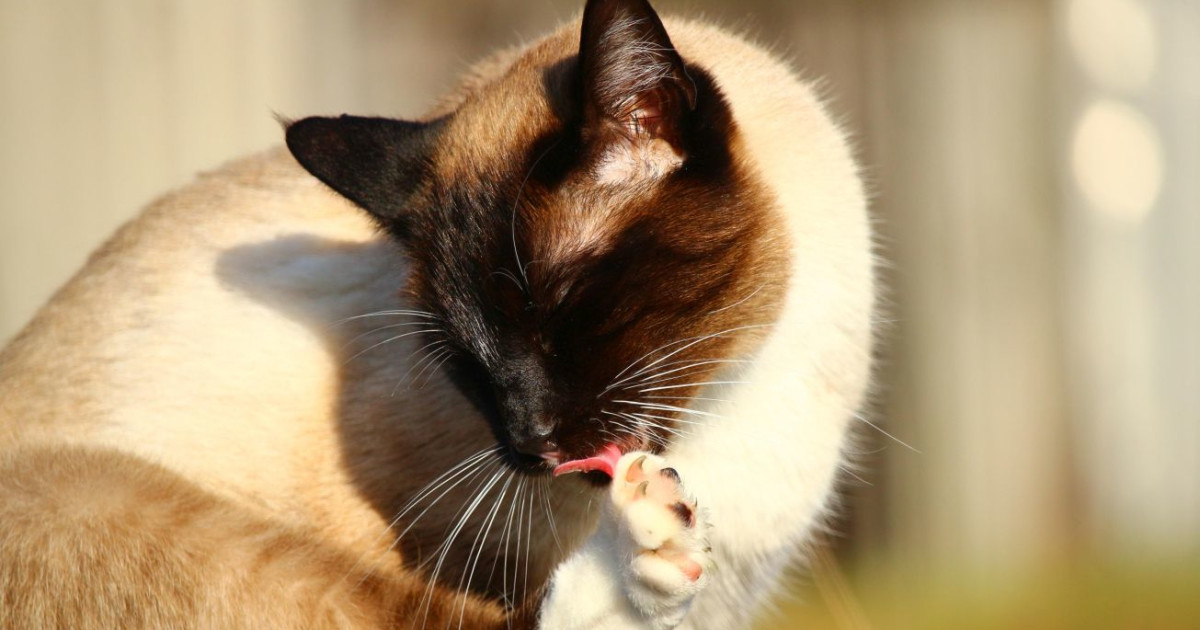
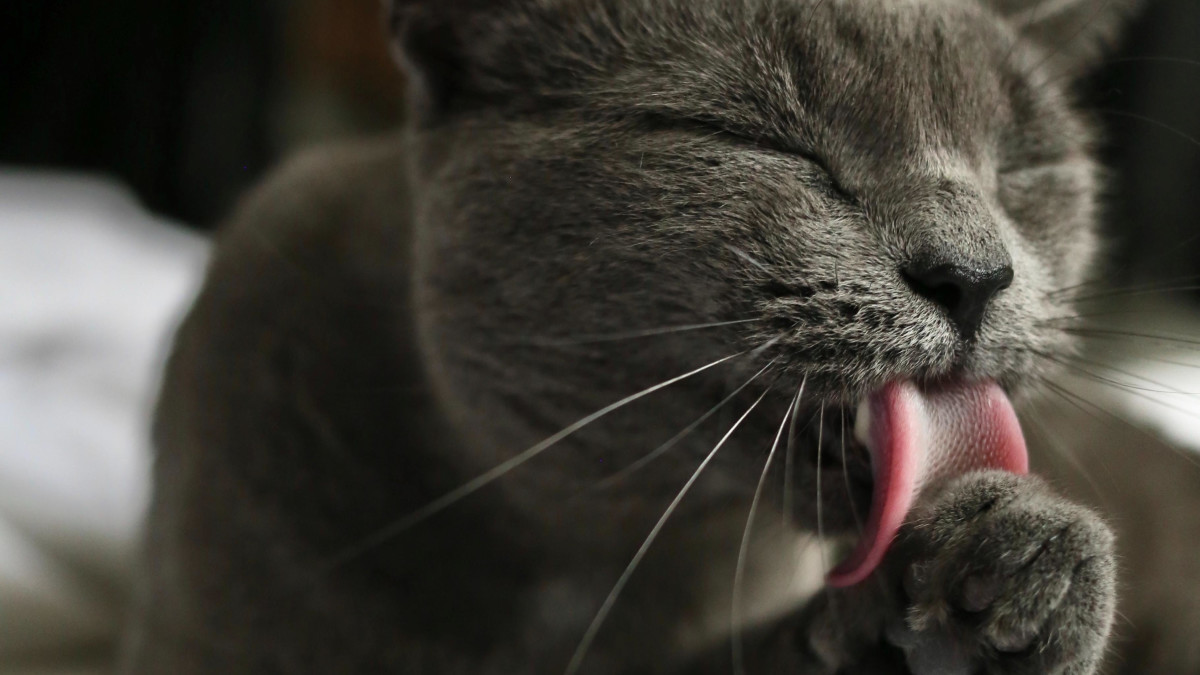
Male cats use their tongues to lick their fur, removing dirt and loose hair. Their tongues have tiny, hook-like structures called papillae that act like a natural brush. This helps spread natural oils evenly across their coat, keeping it healthy and shiny.
Besides licking, male cats also use their front paws to clean hard-to-reach areas. They wet a paw with saliva and then rub it over their face and ears. Watching a male cat groom is like seeing a well-planned self-care routine in action.
Frequency Of Grooming
Male cats usually groom themselves several times a day. The frequency depends on factors like age, health, and environment. A young, healthy male cat might spend up to 50% of its waking hours grooming.
Have you noticed your male cat grooming more during shedding season? That’s because they are working hard to remove extra fur and stay comfortable. Less active or older cats might groom less, which can signal health concerns.
Differences From Female Cats
While both male and female cats groom regularly, some subtle differences exist. Female cats often groom more meticulously, especially if they are mothers caring for kittens. Male cats tend to focus more on general cleaning rather than intense grooming sessions.
Male cats may also groom themselves less frequently during mating seasons, as their priorities shift. If you observe changes in your male cat’s grooming habits, it might be a good idea to check for stress or illness. Understanding these differences helps you better care for your feline friend.
Credit: pethelpful.com
Reasons For Grooming
Male cats groom themselves to stay clean and remove dirt from their fur. Grooming also helps control body temperature and reduces stress. It keeps their coat healthy and free from parasites.
Male cats groom themselves for various reasons. Grooming is not just about staying clean. It plays an essential role in a cat’s life. It affects their health, mood, and social interactions. Below are some reasons why male cats groom themselves.Health And Hygiene
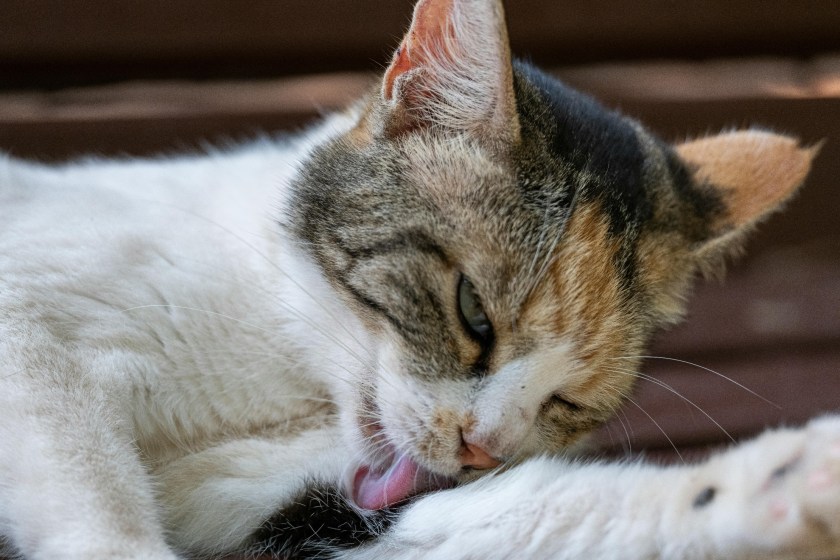
Grooming helps keep a cat’s fur clean. It removes dirt and loose hair. This process also reduces the risk of hairballs. Grooming stimulates oil production in the skin. This helps keep the fur shiny and healthy. Regular grooming can prevent skin infections. It also helps in identifying any parasites.Stress Relief
Grooming can calm a cat. It acts as a stress reliever. Cats may groom themselves when they feel anxious. This behavior is soothing for them. It helps to lower their stress levels. Grooming releases endorphins, which promote relaxation. It becomes a comforting routine for them.Social Signaling
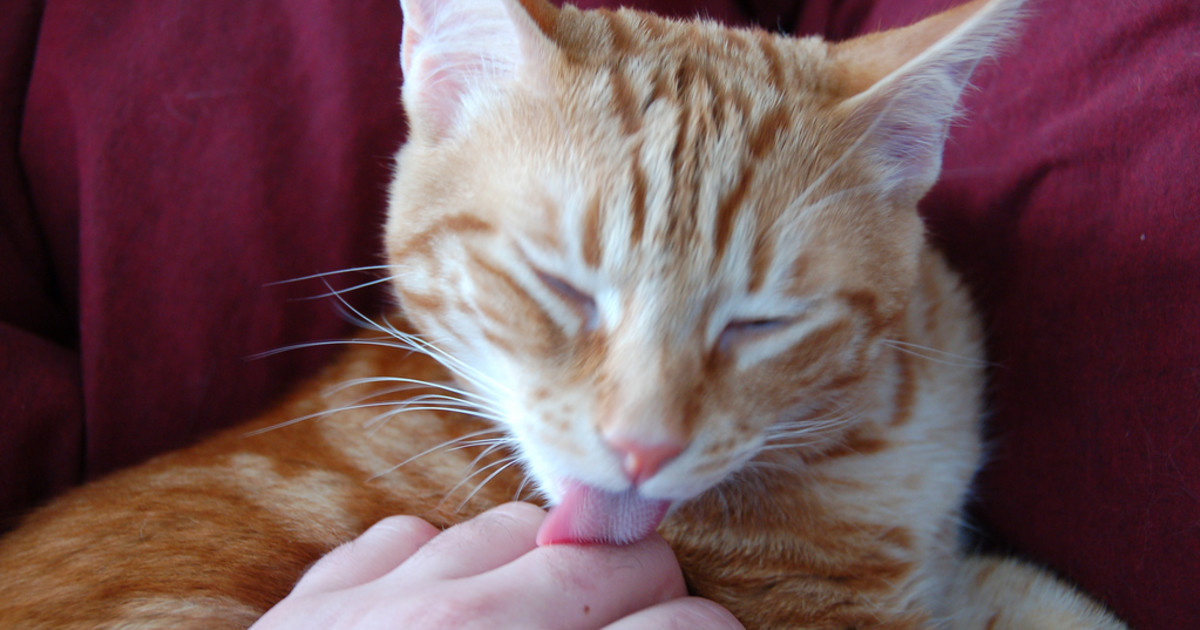
Grooming is a way cats communicate. It shows they feel safe and secure. Cats may groom each other to build bonds. This behavior is known as allogrooming. It strengthens social ties among cats. Cats also groom to mark their territory. Their saliva contains pheromones, which convey messages.Grooming Challenges
Grooming is a key part of a male cat’s routine, but it’s not always smooth sailing. Various challenges can interfere with how well your cat keeps clean and healthy. Understanding these obstacles helps you spot problems early and support your feline friend better.
Health Issues Affecting Grooming
Health problems can make grooming tough for male cats. Conditions like arthritis may cause pain, limiting their movement and making it hard to reach certain spots. Skin infections or allergies can also discourage grooming because of discomfort.
If you notice your cat’s fur getting patchy or dirty, ask yourself: Could there be an underlying health issue? Taking your cat to the vet can reveal problems that need treatment to restore proper grooming habits.
Age And Grooming Ability
As cats grow older, their grooming skills often decline. Senior cats may lack the flexibility or energy to clean themselves thoroughly. This change is natural, but it requires your attention to keep their coat healthy.
Have you seen your older male cat skipping spots while grooming? Helping with gentle brushing can make a big difference in their comfort and appearance. It also strengthens your bond with them.
When Grooming Decreases
A drop in grooming frequency is a red flag. It might mean your cat is stressed, sick, or facing pain. Sometimes, behavioral changes cause them to neglect their hygiene.
Watch for other signs like lethargy or loss of appetite alongside poor grooming. These clues will guide you to act promptly and ensure your cat’s well-being before problems worsen.
Credit: www.wideopenspaces.com
Role Of Neutering
Neutering plays a key role in a male cat’s life, affecting many behaviors. It changes hormone levels that influence how cats act and groom themselves. Understanding this role helps cat owners care better for their pets.
Impact On Grooming Behavior
Neutering often leads to calmer grooming habits in male cats. Intact males may groom less due to stress or marking territory. After neutering, they usually spend more time cleaning their fur. This change helps keep their coat healthy and shiny.
Neutered cats tend to be less aggressive, which lowers stress. Less stress means they groom more regularly. Grooming also helps reduce dirt and parasites on their skin.
Behavioral Changes Post-neutering
Neutering can reduce roaming and fighting behaviors. Male cats become less focused on finding mates. This shift makes them more relaxed and home-oriented.
With fewer distractions, neutered cats often show better social behavior. They may interact more gently with humans and other pets. These changes encourage consistent self-care, including grooming.
Helping Your Cat Groom
Helping your cat groom is a vital part of keeping him healthy and comfortable. Male cats usually take care of their own grooming, but sometimes they need a little help from you. By stepping in gently, you can prevent matting, reduce shedding, and strengthen the bond with your furry friend.
Brushing Techniques
Choose a brush that suits your cat’s fur type—slicker brushes work well for short hair, while wide-toothed combs are better for longer coats. Brush in the direction of hair growth, starting with gentle strokes to avoid startling your cat.
Pay special attention to areas that your cat can’t easily reach, like behind the ears and under the legs. If your cat resists, try brushing after a meal or during quiet times when he’s more relaxed. Have you noticed how a calm pet often enjoys this bonding moment?
Bathing Tips
Most cats dislike water, but occasional baths may be necessary if your cat gets into something sticky or dirty. Use lukewarm water and a cat-specific shampoo to avoid irritation.
Keep the bath short and calm. Talk softly to your cat and use a gentle spray or a wet cloth to rinse. Dry him thoroughly afterward with a towel or a low-heat hairdryer if he tolerates it. Could a few calm baths make your cat more comfortable during grooming?
When To Seek Vet Help
Sometimes your cat may struggle to groom properly due to health issues like obesity, arthritis, or dental problems. If you notice bald patches, persistent scratching, or a greasy coat, it’s time to visit the vet.
Your vet can check for skin infections, parasites, or underlying illnesses that affect grooming habits. Early intervention can prevent discomfort and more serious health problems. Have you seen changes in your cat’s grooming that might need professional attention?
Credit: pethelpful.com
Frequently Asked Questions
Do Male Cats Groom Themselves Regularly?
Yes, male cats groom themselves regularly to stay clean. Grooming helps remove dirt, loose fur, and parasites. It also keeps their skin healthy and controls body temperature.
Is Grooming Behavior Different In Male Cats?
Grooming behavior is similar in male and female cats. Both sexes groom frequently to maintain hygiene. However, some male cats may groom less if stressed or ill.
Why Do Male Cats Lick Themselves So Much?
Male cats lick themselves to clean their fur and skin. Licking also helps reduce stress and spread natural oils. Excessive licking can indicate health problems or anxiety.
Can Male Cats Groom Other Cats Too?
Yes, male cats often groom other cats as a social bonding activity. This behavior strengthens their relationships and shows affection within the group.
Conclusion
Male cats do groom themselves just like females. Grooming keeps their fur clean and healthy. It also helps them cool down and relax. Sometimes, male cats may need help with grooming. This can happen if they are sick or old.
Watching your cat groom shows you care about their health. Regular brushing can support their natural grooming habits. Clean cats are happier and feel better every day. Remember, grooming is part of your cat’s daily routine. It helps them stay comfortable and strong.




Leave a Reply