Have you ever noticed your cat rolling on the floor right after breeding and wondered why she does that? It’s a curious behavior that many cat owners find puzzling.
Understanding why your cat rolls after breeding can give you valuable insights into her natural instincts and health. You’ll discover the surprising reasons behind this behavior and what it means for your feline friend. Keep reading to learn more about your cat’s fascinating world and how you can better care for her.

Credit: www.kinship.com
Cat Breeding Behavior
Cats show unique behaviors during and after breeding. These actions help ensure successful mating and communication between partners. Understanding cat breeding behavior helps explain why cats roll after breeding.
Mating Process In Cats
The mating process in cats is quick but intense. The male cat approaches the female cautiously. The female often signals readiness by adopting a specific posture. The male then mounts the female and bites her neck lightly.
The actual mating lasts only seconds. The female may cry out loudly during mating. This sound is normal and part of the process. After mating, the male usually dismounts and leaves.
Post-breeding Actions
After breeding, female cats often roll on the ground. This rolling helps spread their scent. The scent signals other cats about recent mating. It also helps calm the female after the intense mating.
Rolling can also stretch the female’s muscles. This action may ease any discomfort from breeding. Sometimes, females lick themselves after rolling. This behavior cleans and soothes the area.

Credit: medium.com
Reasons For Rolling
After breeding, you might notice your cat rolling on the floor or against objects. This behavior isn’t random—it serves several important purposes. Understanding why cats roll after breeding can help you better interpret their actions and respond accordingly.
Scent Marking
Cats have scent glands located on their bodies, especially around their cheeks, paws, and flanks. Rolling after breeding helps them spread their unique scent around the area. This acts like a personal signature, marking territory and signaling to other cats that they have recently mated.
If you’ve ever watched your cat roll on a favorite rug or blanket, you’ve seen scent marking in action. It’s their way of communicating ownership without any noise.
Comfort And Relaxation
Breeding can be physically demanding for cats. Rolling helps them stretch their muscles and release tension after the act. It’s similar to how you might stretch after a workout to relax your body.
Sometimes, you’ll notice your cat rolling more gently or even purring while doing so. This indicates they’re finding comfort and soothing themselves during a vulnerable moment.
Communication Signals
Rolling can also serve as a signal to other cats in the vicinity. It may indicate readiness to mate again or show submission and trust towards a partner. This silent communication helps maintain social bonds in multi-cat environments.
Have you observed your cat rolling after breeding and then interacting differently with other cats or people? That’s a clear sign they’re sending out messages through their body language.
Biological Factors
Cats display unique behaviors after breeding that often puzzle their owners. One common action is rolling on the ground. This behavior links closely to biological factors. Understanding these factors helps explain why cats act this way after mating. The body undergoes changes and sensations that trigger rolling.
Hormonal Changes
After mating, a cat’s hormone levels change rapidly. These hormones affect mood and behavior. For female cats, hormones like estrogen and progesterone rise. These chemicals prepare her body for pregnancy. They also influence how she feels physically and emotionally.
Male cats experience a surge in testosterone. This hormone increases energy and restlessness. The sudden hormone shifts may cause a cat to roll. It can be a way to release tension or adjust to new feelings.
Physical Sensations After Mating
Mating causes physical sensations that can be intense for cats. The act itself may cause mild discomfort or stimulation. Rolling helps cats manage these feelings. It may relieve pressure or soothe irritation caused during breeding.
Rolling might also help spread natural scent markers. This behavior signals other cats that mating occurred. The physical reaction is part of a natural process to cope with post-mating sensations.
Behavioral Patterns
Cats display unique behaviors after breeding. These actions are part of their natural instincts and social cues. Understanding these patterns helps decode their complex communication. Rolling after breeding is one such behavior that draws attention.
Instinctive Responses
Cats roll to release tension after mating. This action helps relax their muscles and calm their nerves. It also signals readiness to other cats nearby. Rolling triggers scent release from glands on their body. This scent marks territory and communicates breeding status.
Such behavior is deeply rooted in survival instincts. It ensures the cat’s safety and signals reproductive availability. Instincts guide many post-breeding actions, including grooming and rest.
Social Interactions
Rolling also plays a role in social bonding. It invites attention from mates and other cats. This behavior can reduce aggression and promote peaceful interactions. Cats use rolling to express comfort and trust.
It helps strengthen relationships within their social group. Observing these patterns reveals how cats build connections. Rolling is a subtle but important social cue after breeding.
Comparisons With Other Animals
Cats rolling after breeding is different from many animals that stay still or separate quickly. This behavior may help spread their scent or show comfort, unlike dogs or rabbits that act more reserved. Such actions highlight unique cat instincts after mating.
Comparing cats’ rolling behavior after breeding to that of other animals can offer fascinating insights into the animal kingdom. While many species have post-mating rituals, each has unique traits that reflect their evolutionary needs and social structures. Understanding these behaviors can deepen your appreciation for the diversity of life and may even offer practical tips for pet owners.Similar Behaviors In Mammals
Many mammals exhibit intriguing post-mating rituals. For instance, female rabbits perform a “binky,” a joyous leap, after mating. This behavior is thought to release pent-up energy and signal satisfaction. In the wild, some primates engage in grooming sessions after mating. This not only strengthens social bonds but also helps in stress relief. It’s a reminder of the complex emotional lives these animals lead, much like our feline friends.Unique Traits In Cats
Cats, however, have their own distinctive quirks. Rolling after mating could serve as a way to mask their scent, confusing potential predators. This behavior might also play a role in spreading pheromones, subtly communicating to other cats in the vicinity. Have you ever noticed your cat rolling vigorously after playtime or a meal? This is similar to their post-mating rolls, suggesting it’s a multi-purpose behavior. It’s a good moment to observe and enjoy their antics, connecting with their primal side. Why do you think cats have evolved such unique behaviors? Exploring these questions can help you understand your pet better and enrich your interactions with them.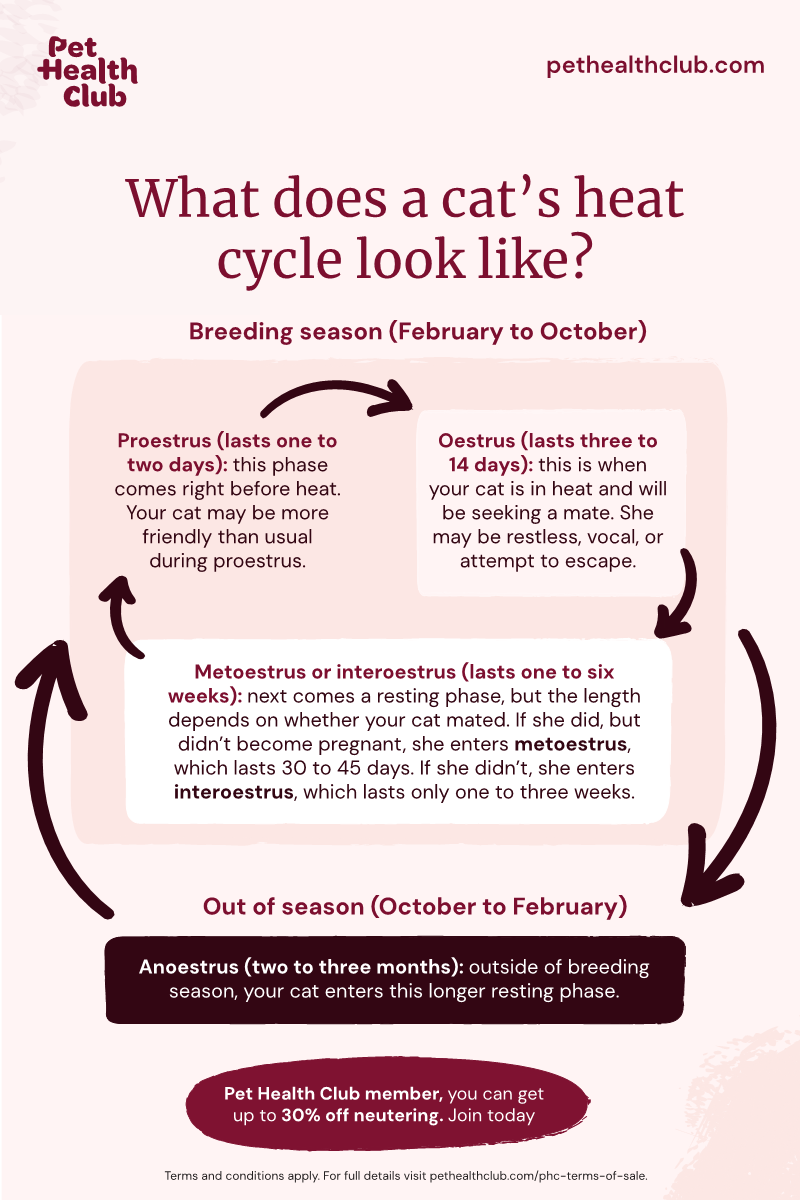
Credit: www.pethealthclub.com
Implications For Cat Owners
Understanding why cats roll after breeding can help you better care for your feline friend during this sensitive time. This behavior is often a sign of physical and emotional changes that your cat experiences. Recognizing the implications of this action will let you provide the right support and know when to intervene if necessary.
When To Be Concerned
Rolling after breeding is usually normal, but it can sometimes indicate discomfort or health issues. If your cat rolls excessively or seems distressed, it might be a sign of pain or infection. Watch for other symptoms like lethargy, loss of appetite, or unusual vocalizing.
Have you noticed your cat rolling more than usual or showing signs of irritation? It’s important to consult a vet to rule out complications like uterine infections or injuries from mating. Early attention can prevent serious problems and keep your cat comfortable.
Supporting Healthy Behavior
You can encourage positive behavior by providing a calm and safe environment for your cat after breeding. Make sure she has a cozy, quiet space to rest and recover without too much disturbance.
- Offer fresh water and nutritious food to support her energy needs.
- Gently pet and comfort her if she seems anxious but respect her space.
- Keep an eye on her interactions with other pets to avoid stress or aggression.
Have you tried creating a dedicated recovery spot for your cat after breeding? Many cat owners find it helps reduce anxiety and supports natural behaviors like rolling in a relaxed way. Paying attention to these details can make a big difference in your cat’s well-being.
Frequently Asked Questions
Why Do Cats Roll After Breeding?
Cats roll after breeding to stimulate ovulation and encourage fertilization. This behavior helps spread the male’s scent and signals readiness for mating.
Does Rolling Indicate A Cat’s Comfort After Mating?
Yes, rolling can show a cat feels relaxed and comfortable after breeding. It also helps the cat stretch and reduce stress.
How Does Rolling Affect A Cat’s Reproductive Process?
Rolling aids in spreading pheromones and stimulates reproductive hormones. This increases the chances of successful pregnancy in female cats.
Is Rolling Common In All Cats After Breeding?
Most female cats exhibit rolling after mating, but behavior can vary. Some may roll more to signal receptiveness or reduce physical discomfort.
Conclusion
Cats roll after breeding to feel more comfortable and relaxed. This behavior helps them calm down and manage stress. It also signals trust and contentment with their partner. Rolling may even help spread their scent, marking territory. Observing this action gives insight into cat communication and bonding.
Understanding why cats roll enriches your knowledge of their nature. Next time you see this, you’ll know it means more than just play. Simple, natural, and meaningful behavior in your feline friend.




Leave a Reply