Have you ever wondered if your cat’s breed affects how long they might live? When you bring a furry friend into your home, you want to enjoy many happy years together.
But not all cats are the same, and their life spans can vary quite a bit. Understanding these differences can help you give your cat the best care possible and prepare for the future. Keep reading to discover how different cat breeds can influence their life expectancy—and what it means for you and your beloved pet.
Cat Lifespan Basics
Understanding the basics of cat lifespan helps pet owners care better for their furry friends. Cats live for different lengths of time depending on many things. Knowing the average lifespan and what affects it guides better choices for health and happiness.
Average Lifespan Of Cats
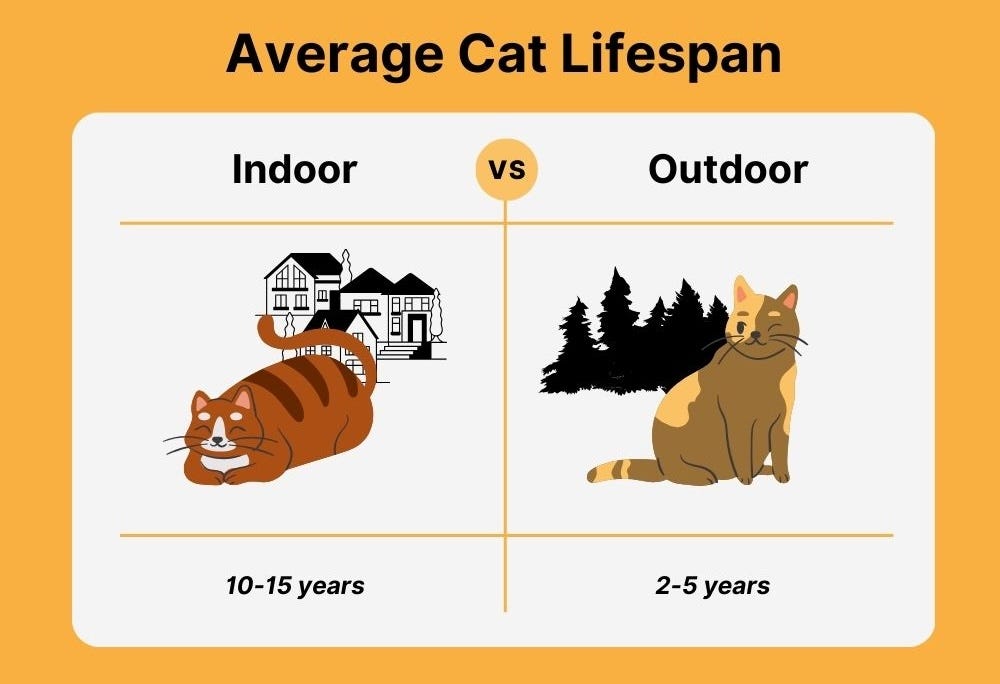
Most cats live between 12 and 16 years. Some cats reach 20 years or more with good care. Indoor cats often live longer than outdoor cats. Breed also plays a role in lifespan, with some breeds naturally living longer.
Factors Affecting Cat Longevity
- Genetics: Some breeds inherit traits that influence lifespan.
- Diet: A balanced, nutritious diet supports long life.
- Healthcare: Regular vet visits prevent and treat illnesses early.
- Environment: Safe, stress-free homes help cats thrive.
- Exercise: Active cats maintain better health and weight.
- Spaying/Neutering: Can reduce risks of certain diseases.
Credit: cats.fandom.com
Lifespan Across Cat Breeds
Understanding the lifespan of different cat breeds can help you make informed decisions about your pet’s care and expectations. Each breed carries its own genetic traits that influence how long they typically live. Knowing which breeds tend to live longer or shorter lives helps you prepare for your cat’s needs throughout the years.
Long-lived Cat Breeds
Cats like the Siamese and Burmese often surprise owners with their longevity. These breeds commonly live well into their late teens and sometimes early twenties. Their active lifestyles and generally good health contribute to their extended lifespan.
The Ragdoll is another breed known for a relatively long life, often reaching 15 to 20 years. Proper diet and regular vet visits play a big role in helping these cats thrive. Have you noticed your cat’s energy level? It can be a good clue to their overall health.
Breeds With Shorter Life Expectancy
Some breeds face more health challenges that can shorten their life expectancy. For example, the Maine Coon, despite being a large and robust cat, has a slightly lower average lifespan of around 10 to 13 years. Issues like hip dysplasia and heart disease are common concerns.
Persian cats also tend to have shorter lives, often around 12 to 15 years, due to respiratory and kidney problems. Recognizing early symptoms and seeking treatment can make a difference in quality of life. What preventive steps are you taking for your cat’s breed-specific health risks?
Mixed Breed Cats And Lifespan
Mixed breed cats often benefit from a wider gene pool, which can lead to fewer inherited diseases. This diversity typically results in a lifespan that can be longer or comparable to purebred cats. Many mixed breed cats live comfortably into their late teens.
Your mixed breed cat’s health depends largely on lifestyle choices like diet, exercise, and regular checkups. Sometimes, mixed breeds surprise owners with their resilience and adaptability. How well do you know your cat’s background, and how might that impact their care?
Genetics And Health Issues
Genetics play a crucial role in determining the lifespan of different cat breeds. Each breed carries unique genetic traits that influence their overall health and susceptibility to certain diseases. Understanding these genetic factors can help you provide better care and potentially extend your cat’s life.
Breed-specific Health Risks
Every cat breed has its own set of health challenges linked to its genetic makeup. For example, Persians often face respiratory issues due to their flat faces, while Maine Coons are prone to heart problems like hypertrophic cardiomyopathy.
Recognizing these breed-specific risks allows you to monitor your cat more closely for early signs of illness. Regular veterinary check-ups tailored to your breed’s common issues can make a big difference.
Impact Of Inherited Conditions
Inherited conditions can quietly reduce a cat’s lifespan if left undetected. Some breeds carry genes for diseases such as kidney failure, diabetes, or joint problems that might not show symptoms until later in life.
Knowing your cat’s genetic background can guide you in choosing the right diet, exercise routine, and preventive care. Have you ever wondered how much your cat’s genes influence their health compared to their environment?
Lifestyle And Environmental Influence
Lifestyle and environment play a big role in a cat’s lifespan. The way a cat lives affects its health and how long it lives. Different breeds may have different needs, but common lifestyle factors impact all cats. A healthy lifestyle can help cats live longer and happier lives.
Diet And Nutrition
A balanced diet is key to a cat’s health and longevity. Cats need proteins, fats, and vitamins to stay strong. Poor nutrition can lead to diseases and shorten life. Feeding high-quality food supports the immune system and energy levels. Avoiding harmful foods like onions, garlic, and chocolate is important. Fresh water must always be available for hydration.
Indoor Vs Outdoor Cats
Indoor cats generally live longer than outdoor cats. Outdoor cats face dangers like traffic, predators, and diseases. Indoor cats avoid accidents and infections more easily. However, indoor cats need stimulation to prevent boredom and obesity. Owners should create a safe and enriching home environment. Both lifestyles affect how long cats live.
Exercise And Mental Stimulation
Regular exercise keeps cats fit and prevents obesity. Playtime with toys or climbing structures helps maintain muscle strength. Mental challenges reduce stress and boredom, improving overall well-being. Cats enjoy puzzle feeders, interactive toys, and new scents. A healthy mind and body work together to extend life.
Tips To Extend Your Cat’s Life
Different cat breeds often have varying life spans due to genetics and health risks. Understanding these differences helps in providing better care for your cat. Regular vet visits and a healthy diet can support a longer, happier life.
Cats are more than pets; they are family members. Ensuring their long and healthy lives is a priority for any cat owner. Different breeds may have various life spans, but there are universal tips that can help extend any cat’s life. Let’s explore some practical strategies that can make a big difference.Regular Veterinary Care
Routine vet visits are crucial. Annual check-ups help spot health issues early. Vaccinations keep diseases at bay. Dental care is also essential. Poor oral health can lead to serious health problems. Keep your vet informed about any changes in behavior or habits.Preventive Measures
Keep your cat’s vaccinations up to date. Regular flea and tick treatments are vital. A balanced diet supports overall health. Choose high-quality cat food with essential nutrients. Fresh water should always be available. Control weight to prevent obesity-related issues.Creating A Safe Home Environment
A safe home reduces the risk of accidents. Secure windows and balconies to prevent falls. Remove harmful plants and chemicals. Provide plenty of toys for mental stimulation. Scratching posts keep claws healthy and protect furniture. A calm environment reduces stress, improving overall well-being.
Credit: www.aol.com
Surprising Lifespan Facts
Cat lifespans can surprise you. Some breeds live much longer than you might expect, while others have shorter averages despite popular belief. Understanding these surprising facts can help you care for your feline friend better and set realistic expectations about their longevity.
Unexpected Breed Longevity
Did you know that Siamese cats often live into their late teens or early twenties? Their lifespan tends to be longer than many other breeds, sometimes reaching 20 years or more. On the other hand, some larger breeds like the Maine Coon may have slightly shorter lifespans, averaging around 12 to 15 years.
These differences aren’t just about breed size or appearance. Genetics, lifestyle, and even diet play a big role in how long your cat might live. Have you noticed how some cats in your life seem to defy typical lifespan expectations?
Record-breaking Cat Ages
Some cats live well beyond the typical lifespan of their breed. The oldest recorded cat lived to be 38 years old! While this is rare, it shows that with the right care, your cat could enjoy a long, healthy life.
Regular vet visits, a balanced diet, and a safe environment can add years to your pet’s life. It’s worth asking yourself: what small changes can you make today to extend your cat’s happiness and health?
Common Misconceptions About Cat Lifespan
Many people believe that all cats live around 15 years, but this isn’t true for every breed. Some think outdoor cats live shorter lives, but with proper safety measures, they can thrive just as long as indoor cats.
Another misconception is that purebred cats always have shorter lifespans due to genetic issues. While some breeds may have specific health concerns, many purebreds live just as long as mixed breeds with good care.
What assumptions have you made about your cat’s lifespan? Challenging these ideas can lead to better care and a deeper bond with your feline companion.

Credit: manilastandard.net
Frequently Asked Questions
Do Cat Breeds Affect Their Average Lifespan?
Yes, different cat breeds have varying average lifespans. Some breeds like Siamese often live longer, while others like Persians may have shorter lifespans due to genetic factors.
Which Cat Breeds Live The Longest?
Siamese, Burmese, and Ragdoll cats are known for their longer lifespans, often reaching 15 to 20 years or more with proper care and health management.
How Does Breed Impact A Cat’s Health And Longevity?
Breed influences genetic predispositions to diseases. Some breeds are prone to specific health issues, affecting lifespan. Regular vet care can help manage risks.
Can Mixed-breed Cats Live Longer Than Purebreds?
Mixed-breed cats often have fewer genetic health problems, potentially leading to longer lives. They benefit from hybrid vigor, which can enhance overall health and lifespan.
Conclusion
Different cat breeds do have varying life spans. Genetics and health care play big roles. Some breeds live longer, while others may face health issues earlier. Proper diet and regular vet visits help extend a cat’s life. Love and attention also keep cats happy and healthy.
Choose a breed that fits your lifestyle and care ability. Remember, every cat is unique and deserves a good life. Caring well can make a big difference in how long your cat lives.




Leave a Reply