Have you ever found your cat leaving surprises outside the litter box and wondered why? It’s frustrating, confusing, and sometimes even a little gross.
But don’t worry—you’re not alone, and understanding the reasons behind this behavior can help you fix it fast. You’ll discover the common causes of why your cat might be pooping outside the litter box and simple solutions you can try right away.
Keep reading, because solving this problem will make both you and your furry friend much happier.
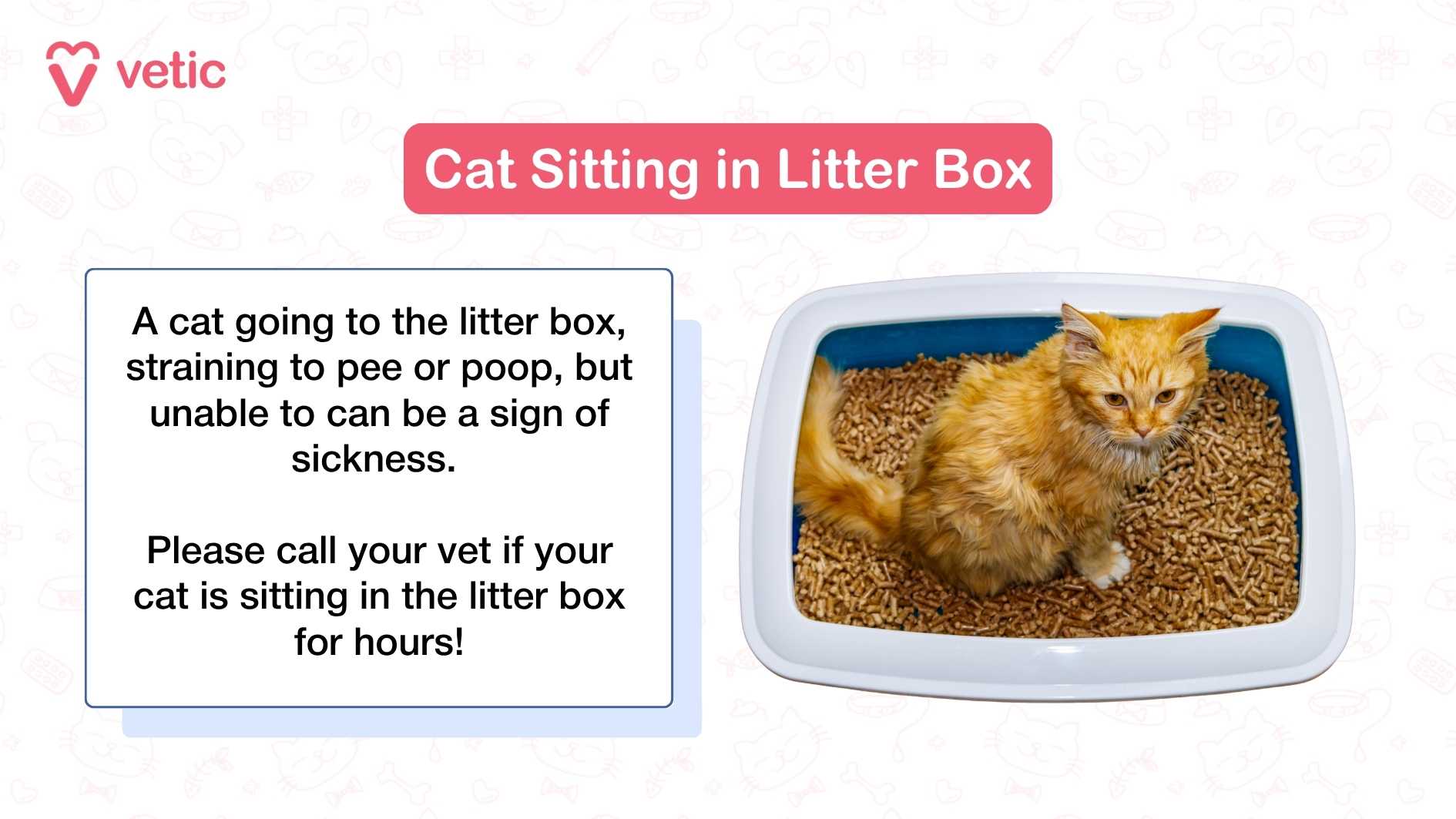
Credit: vetic.in
Common Causes
Cats usually use their litter box without problems. When they stop, it signals something is wrong. Many factors cause cats to poop outside the litter box. Understanding common causes helps solve this issue quickly.
Medical Issues
Health problems often make cats avoid the litter box. Urinary tract infections cause pain, leading cats to hide when they go. Digestive troubles can also cause accidents. Parasites or constipation make cats uncomfortable. A vet check can find these problems early.
Litter Box Problems
Cats dislike dirty or small litter boxes. A box that is hard to reach can cause avoidance. Some cats dislike scented or rough litter. Multiple cats sharing one box may cause stress. Clean, large, and quiet litter boxes work best.
Stress And Anxiety
Changes in the home upset cats. New pets, loud noises, or moving can cause anxiety. Cats show stress by changing bathroom habits. They may avoid the box to express discomfort. Keeping a calm environment helps reduce stress.
Territorial Behavior
Cats mark their territory with poop sometimes. New cats or animals in the house trigger this behavior. Pooping outside the box is a warning to others. It helps them claim their space. Separate spaces for each cat reduce conflicts.
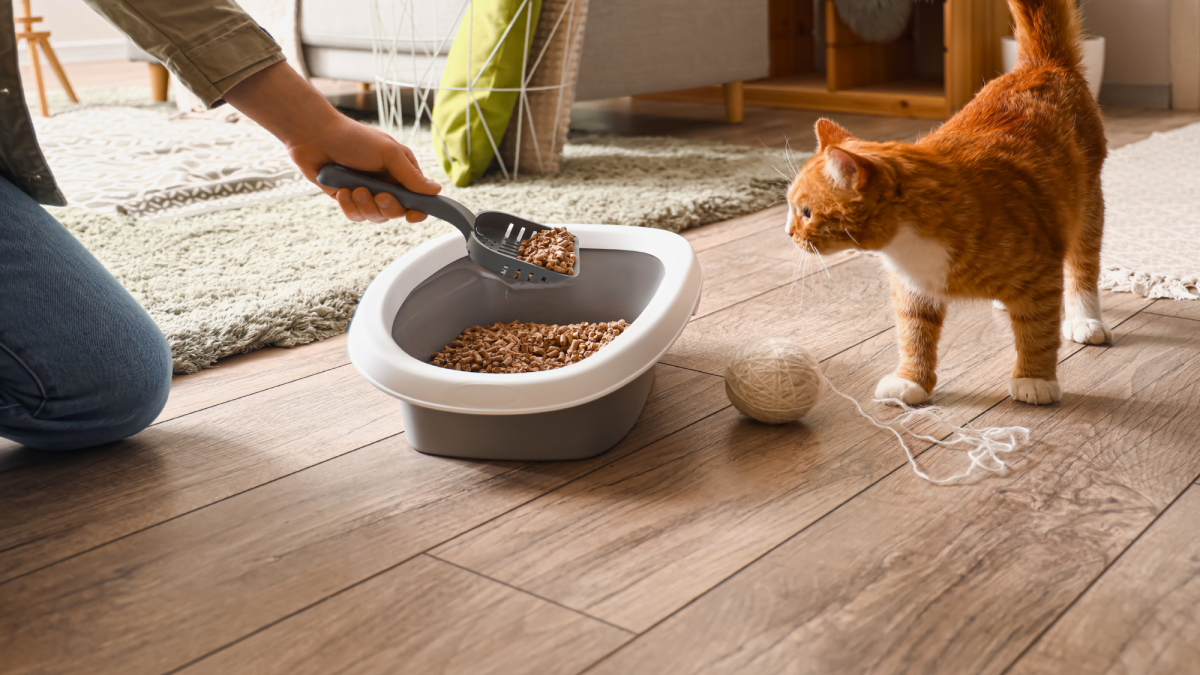
Credit: pethelpful.com
Litter Box Troubles
Cats rely on their litter box for bathroom needs, but issues can cause them to avoid it. Understanding litter box troubles can help fix this common problem. Various factors affect a cat’s willingness to use the box consistently.
Box Cleanliness
Cats prefer a clean litter box. Dirty boxes discourage use quickly. Waste and odor buildup cause cats to find other spots. Scoop waste daily and change litter regularly. Clean the box with mild soap and water often.
Box Location
Placement matters a lot. Boxes in noisy or busy areas make cats uneasy. They seek quiet, private spots. Avoid placing boxes near food or water bowls. Choose a calm, low-traffic area for the box.
Type Of Litter
Not all litter feels good to cats. Some dislike strong scents or rough textures. Experiment with unscented, fine-grain litter. This is softer on paws and less irritating. Observe your cat’s preference for best results.
Box Size And Number
Boxes that are too small or few can cause problems. Cats need enough space to move comfortably. The general rule is one box per cat plus one extra. Provide large boxes to accommodate all cats easily.
Health Concerns
Cats may avoid the litter box due to health problems like infections or digestive issues. Pain or discomfort can cause them to poop outside their usual spot. Checking with a vet helps find and treat the cause quickly.
Understanding why your cat might be pooping outside the litter box can often lead to uncovering important health concerns. Cats, much like humans, are creatures of habit. When they suddenly change their behavior, it’s often a signal that something isn’t quite right with their health. Let’s explore some potential health issues that could be causing this behavior.Urinary Tract Infections
A urinary tract infection (UTI) can be a common reason why your cat starts avoiding the litter box. UTIs can cause pain and discomfort when your cat tries to urinate, leading them to associate the litter box with pain. This might prompt them to seek other locations to relieve themselves. If you notice your cat straining to urinate or visiting the litter box more frequently without producing much urine, it’s time to consult your vet.Digestive Problems
Digestive issues can also be a culprit. Cats with constipation or diarrhea might find it difficult to use the litter box as usual. A change in diet, stress, or underlying health conditions can lead to these digestive problems. Is your cat’s diet balanced and suitable for their age and health needs? Ensuring that your cat’s food is appropriate can help prevent these issues.Pain Or Discomfort
Pain or discomfort from other health issues can influence your cat’s litter box habits. Conditions like arthritis can make it painful for your cat to enter or exit the litter box. Is the litter box accessible and easy for your cat to use? Consider its location and any physical barriers that might be preventing your cat from using it comfortably. A simple change in the type or placement of the litter box could make a big difference. Health concerns are a critical factor to consider when addressing litter box issues. By understanding these potential problems, you can take proactive steps to ensure your cat stays healthy and happy.Behavioral Factors
Behavioral factors play a huge role in why your cat might choose to poop outside the litter box. Cats are creatures of habit, and even small disruptions can stress them enough to change their bathroom habits. Understanding these behaviors can help you identify the root cause and find a practical solution.
Changes In Environment
Have you recently moved to a new home or rearranged your furniture? Cats often feel unsettled by changes around them. This stress can cause them to avoid their litter box, as it no longer feels like a safe, familiar spot.
Try keeping the litter box in a quiet, consistent place. If you must move it, do so gradually while observing your cat’s reactions. This approach can reduce anxiety and encourage proper litter box use.
New Pets Or Family Members
Introducing a new pet or a new family member can disrupt your cat’s sense of security. Cats may feel threatened or jealous, leading them to mark territory outside the litter box.
Give your cat extra attention and create separate spaces for new pets. Slowly introducing new members helps your cat adjust without feeling the need to act out.
Lack Of Routine
Cats thrive on consistency. Irregular feeding times, unpredictable play sessions, or inconsistent cleaning of the litter box can confuse your cat. This confusion might make them avoid the litter box altogether.
Set a daily schedule for feeding, play, and litter box cleaning. When you maintain a stable routine, your cat feels more secure and sticks to good bathroom habits.
Solutions To Try
Finding solutions for cats pooping outside the litter box helps keep your home clean. It also improves your cat’s comfort. This section covers simple steps you can try. These steps focus on your cat’s needs and environment.
Improving Litter Box Setup
Make sure the litter box is clean and easy to access. Use unscented litter that your cat likes. Place the box in a quiet, private spot. Avoid crowded or noisy areas. Consider adding more boxes if you have multiple cats.
Veterinary Checkup
Visit the vet to rule out health issues. Problems like infections or digestive troubles can cause accidents. Your vet can suggest treatments or diet changes. Early care prevents bigger problems later.
Reducing Stress
Stress can make cats avoid the litter box. Create a calm space with familiar smells and toys. Keep a routine for feeding and playtime. Avoid loud noises and sudden changes at home. Use calming sprays or diffusers if needed.
Positive Reinforcement
Praise your cat when it uses the litter box correctly. Give small treats or gentle petting as rewards. Avoid punishment, which can increase anxiety. Encouragement helps build good habits over time.

Credit: www.aol.com
Frequently Asked Questions
Why Do Cats Avoid Using The Litter Box Sometimes?
Cats may avoid the litter box due to stress, dirty litter, or medical issues. They prefer a clean, quiet spot. Changes in environment or litter type can also cause avoidance.
Can Health Problems Cause Cats To Poop Outside The Box?
Yes, health issues like urinary tract infections or constipation can make cats avoid the litter box. Always consult a vet if this behavior starts suddenly.
How Does Litter Box Cleanliness Affect Cat Behavior?
Cats dislike dirty litter boxes. Regular cleaning prevents odors and discomfort. Clean boxes encourage proper litter use and reduce accidents outside the box.
Can The Type Of Litter Influence Where Cats Poop?
Absolutely. Cats prefer certain textures or scents. Unsuitable litter can cause them to avoid the box. Experiment with different types to find your cat’s preference.
Conclusion
Cats pooping outside the litter box can be frustrating. It often shows a problem with health or stress. Cleaning the litter box regularly helps a lot. Also, check if your cat likes the type of litter. Quiet, safe spots encourage proper bathroom habits.
Watching your cat closely can reveal changes in behavior. Quick action can stop unwanted accidents. Understanding your cat’s needs keeps your home clean and happy. Small changes make a big difference for both you and your pet.



Leave a Reply