If you have a cat, you know how important it is to keep their litter box clean and easy to use. But are you sure you’re doing it the right way?
Using a cat litter box properly can save you from unpleasant odors, messes, and even health issues for your furry friend. You’ll discover simple, effective tips that make your cat’s litter box experience comfortable and stress-free—for both of you. Keep reading to learn how to set up, maintain, and optimize your cat’s litter box like a pro.

Credit: www.purina.com
Choosing The Right Litter Box
Choosing the right litter box is crucial for both you and your cat’s comfort. A well-suited box encourages your cat to use it consistently, preventing accidents around the house. Think about your cat’s preferences and habits before making a choice.
Types Of Litter Boxes
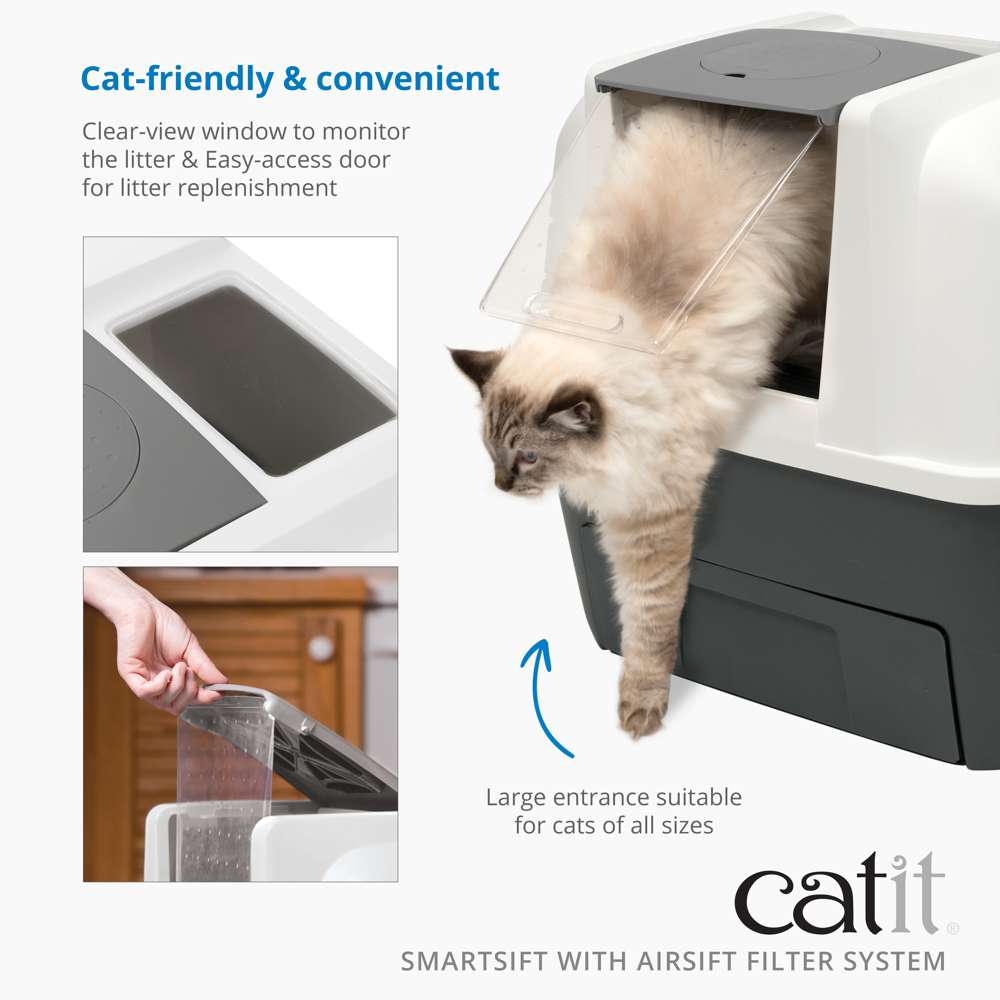
There are several types of litter boxes available, each with unique features that might suit different cats. Open litter boxes are basic and easy to clean, but some cats prefer privacy. Covered boxes offer privacy and help contain odors, but some cats may feel trapped or uncomfortable inside.
Self-cleaning litter boxes are convenient for busy owners, but they can be noisy and intimidating for some cats. You might want to try a few types to see which one your cat prefers. Have you noticed your cat’s behavior around their current box? That’s a big clue.
Size And Placement Tips
Choose a litter box that is large enough for your cat to move around comfortably. A good rule is to pick a box at least one and a half times the length of your cat from nose to tail. If you have multiple cats, provide one box per cat plus one extra to avoid territorial disputes.
Placement also matters a lot. Put the box in a quiet, low-traffic area where your cat feels safe. Avoid placing it near their food and water bowls to prevent discomfort. Have you tried moving the box to a different spot to see if your cat uses it more?

Credit: catit.ca
Selecting The Best Cat Litter
Selecting the best cat litter is key for a happy cat and a clean home. Different types suit different cats and owners. Choosing the right litter helps control odors and makes cleaning easier.
Clumping Vs Non-clumping
Clumping litter forms solid clumps when wet. This makes scooping simple and keeps the box fresh longer. Non-clumping litter absorbs moisture but does not form clumps. It may need changing more often. Clumping litter is popular for its convenience. Non-clumping options can be better for cats with sensitive paws.
Scented Vs Unscented Options
Scented litter masks odors with fragrances. Some cats dislike strong smells and may avoid the box. Unscented litter has no added fragrances. It relies on natural odor control. Many owners prefer unscented to keep the area fresh without overwhelming scents. Choose based on your cat’s comfort and your preference.
Eco-friendly Choices
Eco-friendly litter uses natural, biodegradable materials. Examples include corn, wheat, or recycled paper. These litters reduce waste and harm to the environment. They often have less dust, which is healthier for cats. Some eco litters clump well and control odor naturally. Consider eco-friendly litter for a greener home.
Setting Up The Litter Box
Place the litter box in a quiet, easy-to-reach spot. Fill it with clean, unscented litter about two inches deep. Keep it tidy by scooping waste daily to encourage your cat’s use.
Setting up the litter box correctly makes a big difference. It ensures your cat feels comfortable and happy. A well-prepared litter box also reduces mess and odors. Let’s explore the essentials for setting up your cat’s litter box.Proper Litter Depth
Cats prefer a certain litter depth. Too little litter, and they can’t cover their waste. Too much, and they might avoid the box. Aim for about 2 to 3 inches of litter. This depth allows easy digging and covering. Remember to check the litter level often. Keep it consistent for your cat’s comfort.Adding Liners And Mats
Liners help keep the litter box clean. They prevent waste from sticking to the box. Choose a durable liner that fits well. Some cats may scratch the liner, so monitor their behavior. Place a mat outside the box. Mats catch litter from your cat’s paws. This keeps your floors clean and reduces tracking. Look for a mat with a non-slip bottom. It should be easy to clean and maintain.Daily Cleaning Routine
Keeping your cat’s litter box clean every day helps maintain a fresh and healthy home. A daily cleaning routine prevents odors and encourages your cat to use the box regularly. It also helps you spot any changes in your cat’s health early. Simple, quick actions each day make a big difference.
Scooping Techniques
Use a sturdy scoop with wide slots to remove clumps easily. Scoop at least once a day to keep the litter fresh. Focus on clumps of urine and feces. Gently shake the scoop to let clean litter fall back into the box.
Remove all waste, including small clumps. Check corners and edges where waste can hide. Dispose of the waste in a sealed bag to control odors. Never dump waste into a toilet, as it can cause plumbing problems.
Deodorizing Tips
Sprinkle baking soda on the litter surface to absorb odors. Use only a thin layer to avoid irritating your cat. Avoid strong-scented products, which can repel your cat from the box.
Replace the entire litter once a week or as needed. Wash the box with mild soap and warm water before adding fresh litter. Dry the box completely to prevent mold and bacteria growth.
Deep Cleaning Schedule
Keeping your cat’s litter box clean is more than just scooping daily; a deep cleaning schedule is essential to maintain hygiene and prevent odors. It helps create a fresh environment that your cat will appreciate, encouraging consistent use. How often do you actually wash the box or change the litter completely? Let’s break down what deep cleaning involves.
Washing The Box
Washing the litter box thoroughly every few weeks removes bacteria and lingering smells that scooping alone can’t handle. Use warm water and mild, unscented soap to avoid irritating your cat’s sensitive nose.
Avoid harsh chemicals like bleach, which can leave harmful residues. After washing, rinse well and dry the box completely before adding new litter. This simple step can reduce litter box avoidance and improve your cat’s health.
Replacing Litter Completely
Completely replacing the litter gives the box a fresh start and prevents waste buildup. Depending on the type of litter you use, aim to change it every one to two weeks.
If you notice persistent odors or your cat seems hesitant to use the box, it might be time to swap out the litter sooner. Mixing fresh litter with the old can seem like a time-saver, but it often reduces cleanliness and comfort for your cat.
Have you noticed how your cat’s behavior changes with a clean litter box? This small effort can make a big difference in your pet’s happiness and your home’s freshness.

Credit: catit.ca
Preventing Common Issues
Preventing common issues with your cat’s litter box makes both your life and your cat’s life easier. You can avoid unpleasant smells, keep your home cleaner, and ensure your cat feels comfortable using their box. Let’s look at practical ways to tackle these problems head-on.
Avoiding Odor Build-up
Odor can quickly turn the litter box area into an unpleasant spot. Scoop waste at least once a day to keep smells at bay. Using a clumping litter helps isolate odors better than non-clumping types.
Adding a small amount of baking soda under the litter can absorb smells without irritating your cat. Also, consider placing the box in a well-ventilated area to help fresh air circulate. Have you ever noticed how a clean litter box invites your cat more often?
Handling Litter Tracking
Litter tracking is a common frustration for cat owners. Try a litter mat with deep grooves outside the box to catch stray litter particles. You can also switch to a low-dust, heavier litter that sticks less to your cat’s paws.
Position the litter box away from high-traffic areas to reduce how much litter spreads through your home. Regularly vacuum or sweep around the box to keep your space tidy. What simple changes have you tried that actually cut down on tracking?
Managing Cat’s Preferences
Your cat’s comfort is key to consistent litter box use. Some cats prefer covered boxes, while others like open ones. Experiment with different styles and litter types to find what your cat likes best.
Keep the box in a quiet, private spot to reduce stress. If you have multiple cats, provide one box per cat plus an extra to prevent conflicts. Have you noticed your cat avoiding the box after a change? That might be their way of telling you something’s off.
Training Cats For Litter Box Use
Training cats for litter box use can be straightforward if you understand their natural habits and preferences. Cats instinctively bury their waste, so offering the right environment encourages success. Your patience and observation will make a big difference in how quickly your cat adapts.
Introducing Kittens To The Box
Start by placing the litter box in a quiet, accessible spot. Kittens need to find it easily without feeling threatened or disturbed. Show them the box gently after meals or naps, when they naturally feel the urge to go.
Keep the box clean and filled with unscented, fine-grained litter. This texture feels familiar to their paws. If your kitten seems hesitant, try putting a small amount of their waste into the box to give a scent cue.
Encouraging Consistent Use
Consistency is key. Keep the litter box in the same place and clean it daily to avoid odors that might deter your cat. If your cat goes outside the box, don’t punish them. Instead, clean the area thoroughly to remove the scent and gently redirect them back to the box.
- Reward your cat with praise or a small treat after they use the box.
- Provide multiple boxes if you have several cats or a large home.
- Observe patterns to understand when your cat prefers to use the box.
Have you noticed your cat avoiding the box? It might be time to try a different litter type or box location. Paying attention to these signals helps you maintain a happy, healthy environment for your feline friend.
Frequently Asked Questions
How Often Should I Clean The Cat Litter Box?
Clean the cat litter box daily by scooping out waste. Fully replace litter and wash the box weekly to prevent odors and bacteria buildup.
What Type Of Litter Is Best For Cats?
Clumping, unscented clay litter is popular and easy to clean. Some cats prefer natural or silica gel litters, so observe your cat’s preference.
Where Should I Place The Litter Box At Home?
Place the litter box in a quiet, low-traffic area. Avoid noisy or busy spots to help your cat feel safe and encourage regular use.
How Much Litter Should I Put In The Box?
Fill the box with 2 to 3 inches of litter. This depth allows your cat to dig and cover waste comfortably.
Conclusion
Using a cat litter box keeps your home clean and your cat happy. Choose the right box and litter for your pet’s needs. Clean the box often to avoid smells and keep cats healthy. Watch your cat’s habits to spot any changes early.
A tidy litter box helps build trust between you and your cat. Small daily care makes a big difference in comfort. Simple steps create a stress-free space for your feline friend. Keep it easy, keep it clean, and enjoy a happy cat.


Leave a Reply