
Have you ever found your cat peeing or pooping outside the litter box and wondered why? It’s frustrating, confusing, and sometimes even a little gross.
But before you get upset with your furry friend, it’s important to understand what’s really going on. Your cat isn’t acting out just to annoy you. There are surprising reasons behind this behavior that you might not know about. Keep reading, because uncovering these secrets will help you fix the problem and make your home clean and stress-free again.
Common Medical Issues
Sometimes, your cat’s sudden decision to skip the litter box signals more than just behavioral quirks. Medical problems often lie behind this change. Recognizing these health issues early can save your pet discomfort and prevent bigger problems.
Urinary Tract Infections
Urinary tract infections (UTIs) are a common cause of litter box avoidance. Cats with UTIs feel pain or burning when they urinate, which makes the litter box a place they associate with discomfort.
If you notice frequent attempts to urinate, blood in the urine, or vocalizing in pain, you should visit your vet promptly. Treating UTIs early usually resolves the issue and gets your cat back to normal habits quickly.
Kidney Problems
Kidney issues can lead to increased thirst and urination. Your cat might urinate outside the box simply because they need to go more often than usual.
Watch for symptoms like lethargy, poor appetite, or weight loss. Kidney problems require veterinary diagnosis and management, so don’t hesitate to get help if these signs appear.
Digestive Disorders
Digestive problems like inflammatory bowel disease or food intolerances can cause diarrhea or constipation. This makes your cat uncomfortable and less likely to use the litter box properly.
If your cat’s stool consistency changes or they strain to defecate, consult your vet. Adjusting diet or medications can often restore comfort and proper litter box use.
Behavioral Causes
Behavioral causes often explain why cats avoid their litter boxes. Cats are sensitive animals. Their actions reflect their feelings and surroundings. Sometimes, they pee or poop outside the box to express discomfort or stress. Understanding these behaviors helps in fixing the problem effectively.
Stress And Anxiety
Stress can make cats avoid the litter box. Loud noises or new pets cause anxiety. Changes in routine upset cats. They seek quiet or safe places to relieve themselves. Stress also lowers their desire to use the box. Watch for signs of fear or nervousness.
Territorial Marking
Cats mark territory by peeing outside the box. This behavior is common among unneutered males. It signals ownership to other cats. Even indoor cats mark spots near windows or doors. This marking helps them feel secure in their space. It can be confusing but is a natural instinct.
Changes In Environment
Moving furniture or relocating the litter box can confuse cats. New homes or visitors disrupt their sense of safety. Cats need stable, familiar places for bathroom habits. Any change can lead to accidents outside the box. Keep the environment calm and consistent to help cats adjust.
Litter Box Problems
Cats may pee or poop outside the litter box due to stress, illness, or a dirty box. Changes in their environment or the type of litter can also cause this behavior. Understanding these reasons helps keep your home clean and your cat happy.
Cats not using their litter box can be both puzzling and frustrating for pet owners. It’s a common issue that often stems from various litter box problems. Understanding these can help you tackle the issue effectively and ensure your feline friend returns to their box.Dirty Or Uncomfortable Litter
Cats are notoriously clean animals. They might avoid a litter box that hasn’t been cleaned recently. Ensuring the litter is scooped daily can make a huge difference. Uncomfortable litter can also be a dealbreaker for your cat. Some cats are sensitive to certain textures or scents. Experiment with different types to find one your cat prefers.Wrong Litter Box Type
Not all litter boxes are created equal. Some cats might find a covered box too confining, while others might feel more secure with it. Consider the size of the box as well. A box that’s too small can be uncomfortable, especially for larger cats. Always opt for a box that gives your cat enough space to move around.Location Issues
Location can play a crucial role in litter box usage. Cats need a quiet, private place where they won’t be disturbed. Avoid placing the box near noisy appliances or high-traffic areas. Remember, if you wouldn’t want to do your business there, your cat likely doesn’t either. Is your cat’s litter box in an ideal spot? Adjusting the location might be the simple fix you need.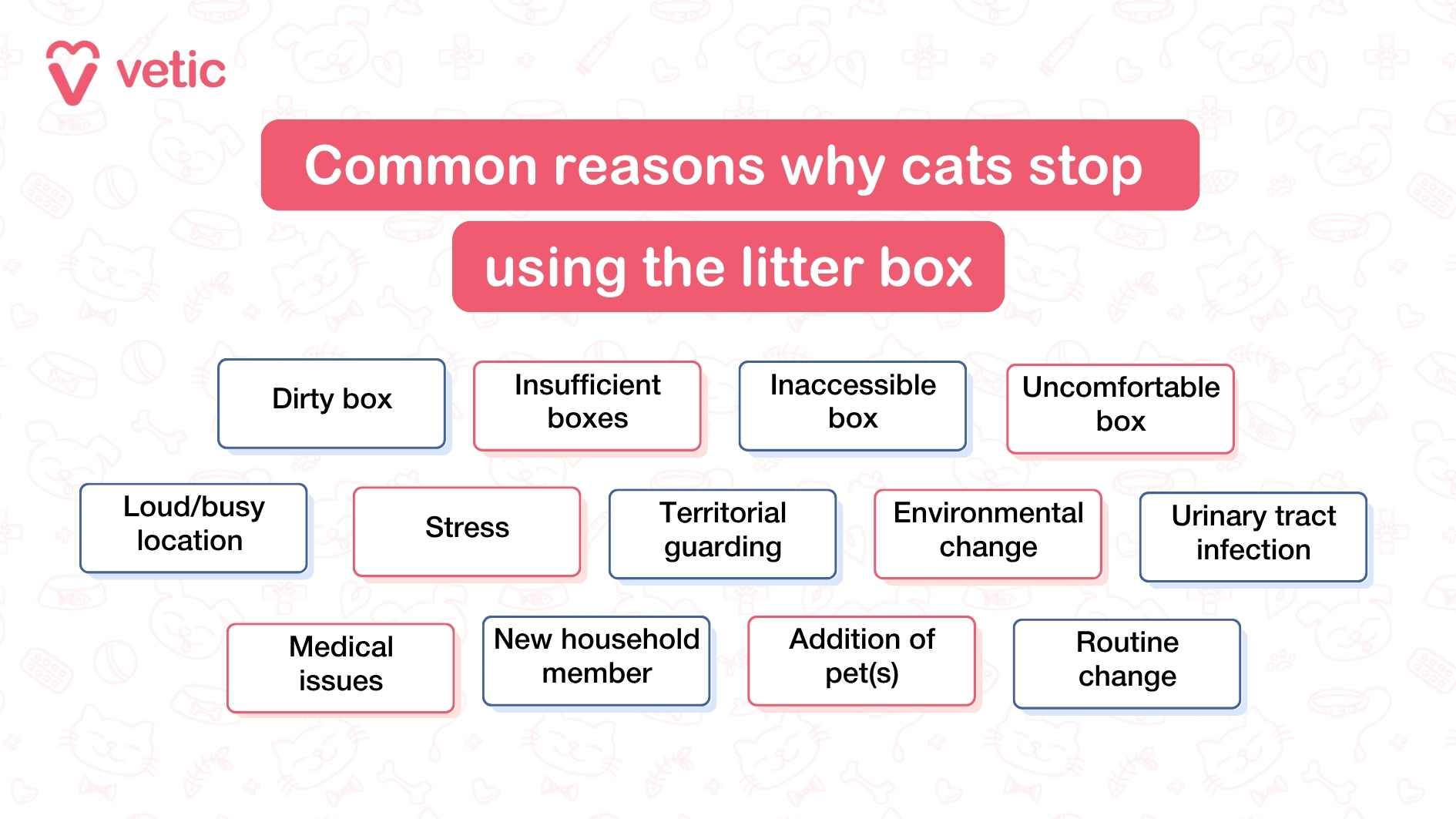
Credit: vetic.in
Social And Environmental Factors
Social and environmental factors play a big role in why cats pee and poop outside their litter box. Cats are sensitive to changes in their surroundings and social setting. Stress, tension, or discomfort can make them avoid their usual bathroom spot.
Understanding these factors helps you create a calm and inviting space for your cat. This can reduce accidents and improve their comfort at home.
Multiple Cats Conflict
Having more than one cat can cause stress and competition. Cats may feel the need to mark territory by peeing outside the box. Shared litter boxes might not be enough for all cats.
- Cats prefer separate litter boxes to avoid conflicts.
- Stress from fighting or chasing can cause accidents.
- One cat may block another from using the litter box.
New Pets Or Family Members
Introducing new pets or family members can unsettle a cat. They may feel threatened or insecure. This feeling can lead them to avoid the litter box.
- Changes create anxiety in cats.
- New smells and sounds confuse them.
- They may act out by peeing in unusual places.
Outdoor Access And Instincts
Cats with outdoor access often show natural behaviors. They may choose to pee or poop outside rather than inside. This can be linked to their hunting and marking instincts.
- Outdoor smells attract them to certain spots.
- They mark territory to communicate with other animals.
- Access to nature may lessen litter box use.
Preventive Measures
Preventing cats from peeing and pooping outside the litter box requires attention to their health, environment, and habits. Taking steps early helps maintain a clean home and a happy pet. These measures reduce stress and encourage proper litter box use.
Regular Vet Visits
Regular vet check-ups detect health problems early. Urinary tract infections, kidney disease, or diabetes can cause accidents. Timely treatment keeps your cat comfortable and reduces outside-the-box elimination. Schedule visits at least once a year or as advised by your vet.
Proper Litter Box Maintenance
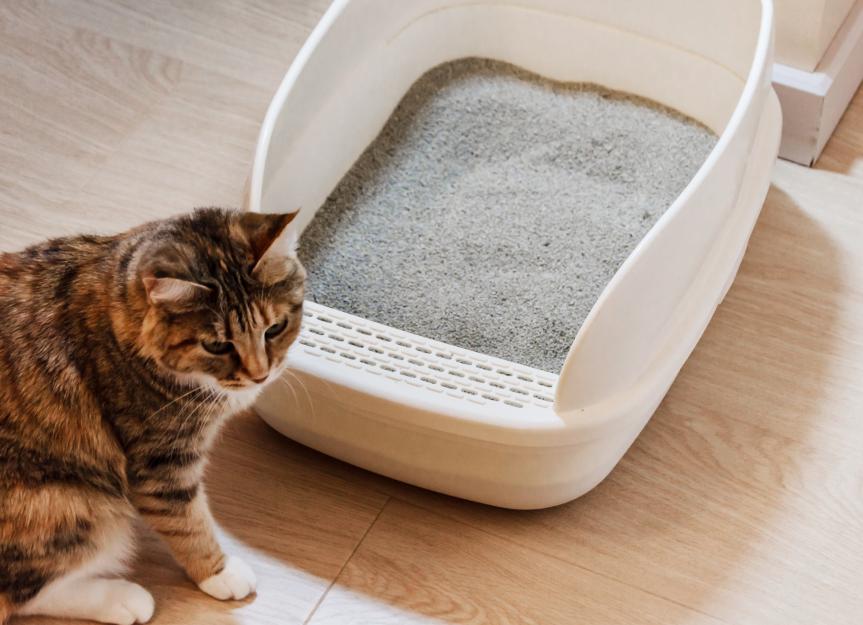
Clean litter boxes invite cats to use them. Scoop waste daily and change litter weekly. Use unscented, clumping litter to attract cats. Place boxes in quiet, easy-to-access spots. Provide one box per cat plus one extra. Dirty or hard-to-reach boxes cause cats to look elsewhere.
Behavioral Training Techniques
Positive reinforcement encourages good litter habits. Praise and reward cats when they use the box. Avoid punishment, which causes fear and confusion. Use calming sprays or pheromones to reduce anxiety. Gradually introduce new boxes or litter types to prevent rejection.
Credit: www.petmd.com

Credit: www.reddit.com
Frequently Asked Questions
Why Do Cats Avoid Using The Litter Box?
Cats may avoid the litter box due to cleanliness issues, stress, or medical problems. They prefer a clean, quiet place. Changing litter type or box location can help.
Can Health Issues Cause Cats To Pee Outside?
Yes, urinary tract infections, kidney problems, or diabetes can cause this behavior. A vet checkup is essential to rule out medical causes.
How Does Stress Affect A Cat’s Litter Habits?
Stress from new pets, changes, or loud noises can cause cats to avoid the litter box. Providing a calm environment reduces accidents.
Does Litter Box Size Impact Cat’s Bathroom Habits?
Yes, a small or dirty litter box can deter cats. A large, clean box encourages regular use and comfort.
Conclusion
Cats may pee or poop outside the litter box for many reasons. Health problems, stress, or dirty boxes often cause this behavior. Watch your cat carefully and keep the litter box clean. Giving your cat a quiet, safe place helps too.
If problems continue, visit the vet for advice. Understanding your cat’s needs makes living together easier. Patience and care can fix most litter box issues. Small changes bring big improvements. Keep trying, and your cat will feel better soon.

Leave a Reply