
Potty training a cat might sound tricky, but with the right approach, you can teach your furry friend to use the toilet instead of a litter box. Imagine the convenience of no more scooping or buying litter!
If you want a cleaner home and a clever cat, this guide is exactly what you need. Keep reading to discover simple, step-by-step tips that will make potty training your cat easier than you ever thought possible. Your cat—and your home—will thank you!
Choosing The Right Potty Setup
Choosing the right potty setup is crucial for successfully potty training your cat. The setup must be comfortable and accessible, or your cat might resist using it. Pay attention to your cat’s personality and habits to create a space they feel safe and willing to use.
Selecting A Suitable Toilet Trainer
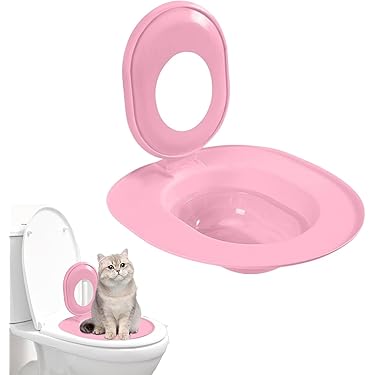
Not all toilet trainers are created equal. Look for one designed specifically for cats, with adjustable sizes and sturdy materials. A trainer with a gradual transition system—where you can slowly reduce litter and increase toilet use—is often easier for cats to accept.
Think about your cat’s size and preferences. A small kitten might need a different trainer than a full-grown adult cat. Have you noticed if your cat prefers a covered or open space when using the litter box? This can guide your choice.
Positioning The Toilet Trainer
Placement matters. Position the toilet trainer in a quiet, low-traffic bathroom where your cat feels secure. Avoid noisy or busy areas that might scare your cat away from the setup.
It’s also important to keep the trainer close to the original litter box during early training. This helps your cat adjust without feeling lost. Have you tried observing where your cat naturally prefers to eliminate? Mimicking that spot can make a big difference.
Gathering Necessary Supplies
Besides the toilet trainer, you’ll need a few key supplies to make the process smooth. Keep a flushable litter handy for the transition phase and some cleaning supplies for quick mess management.
Consider a stepping stool if your toilet is high, so your cat can easily climb up and down. Also, have some treats or toys nearby to reward your cat and make potty time positive. What small comforts could encourage your cat to embrace this new habit?

Credit: www.amazon.com
Preparing Your Cat For Training
Getting your cat ready for potty training takes patience and attention to detail. Before you even think about moving the litter box closer to the toilet, your cat needs to feel comfortable with their current bathroom setup. This phase is all about creating a positive experience and understanding your cat’s natural habits.
Introducing The Litter Box
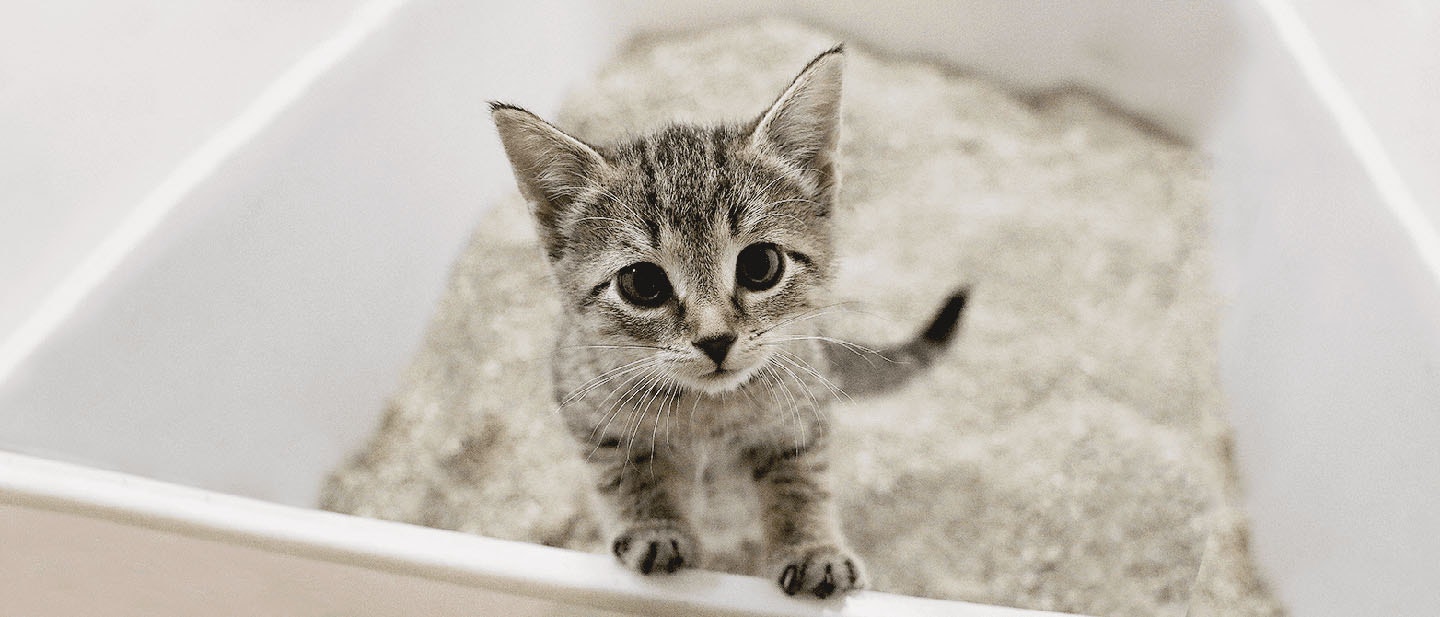
Your cat’s relationship with the litter box sets the foundation for successful training. Make sure the box is always clean—cats dislike dirty litter and may avoid using it if it smells unpleasant.
Place the litter box in a quiet, easily accessible spot. If your cat seems hesitant, try different locations until you find one they prefer. This builds trust and encourages consistent use.
Encouraging Toilet Exploration
Once your cat uses the litter box confidently, it’s time to get them curious about the toilet area. Leave the bathroom door open so they can explore freely without pressure.
You can place treats or toys on or near the toilet seat to spark interest. Watch closely to see if your cat shows signs of curiosity—some cats take to the toilet quickly, while others need more time.
Observing Your Cat’s Bathroom Habits
Understanding when and how your cat prefers to relieve themselves helps you plan the training schedule better. Notice if they have a routine, such as after meals or naps, and what time of day they usually go.
Keep a simple log of their bathroom times and behaviors. This insight lets you anticipate their needs and gently guide them towards the toilet with minimal stress.
Step-by-step Training Process
Potty training a cat might seem like a daunting task, but breaking it down into manageable steps can make the process smoother for both you and your feline friend. The key is patience and consistency, as every cat will adapt at their own pace. Here’s a step-by-step guide to help you navigate through the journey from litter box to toilet seat.
Gradual Litter Reduction
Start by gradually reducing the amount of litter in the box. Begin by removing a small portion of the litter every few days. This helps your cat adjust to less litter while still having a familiar space.
Observe your cat’s behavior. If they seem comfortable, continue reducing the litter until there’s barely any left. This step sets the stage for transitioning to the toilet, as it familiarizes your cat with the idea of using a smaller area for their needs.
Transitioning To The Toilet Seat
Once your cat is accustomed to minimal litter, it’s time to move the litter box next to the toilet. Elevate the box gradually so it’s level with the toilet seat. Use books or sturdy boxes to raise it a little each day.
After your cat is comfortable with the height, replace the litter box with a training seat on the toilet. Encourage your cat to explore and use the new setup. Patience is key here—every cat will adapt at their own pace.
Using Positive Reinforcement
Positive reinforcement can significantly enhance the training process. Offer treats and praise whenever your cat successfully uses the toilet. Cats respond well to rewards, and this encourages them to repeat the behavior.
Consistency is crucial. Reinforce every successful attempt with a treat or affection. Have you noticed your cat enjoying the extra attention? This positive association can speed up the training process and make it a pleasant experience for your cat.
Credit: www.amazon.com
Common Challenges And Fixes
Potty training a cat can be tricky. Cats have unique habits and personalities. Challenges often arise during training. Recognizing common problems helps find quick solutions. Patience and consistency make the process smoother.
Dealing With Accidents
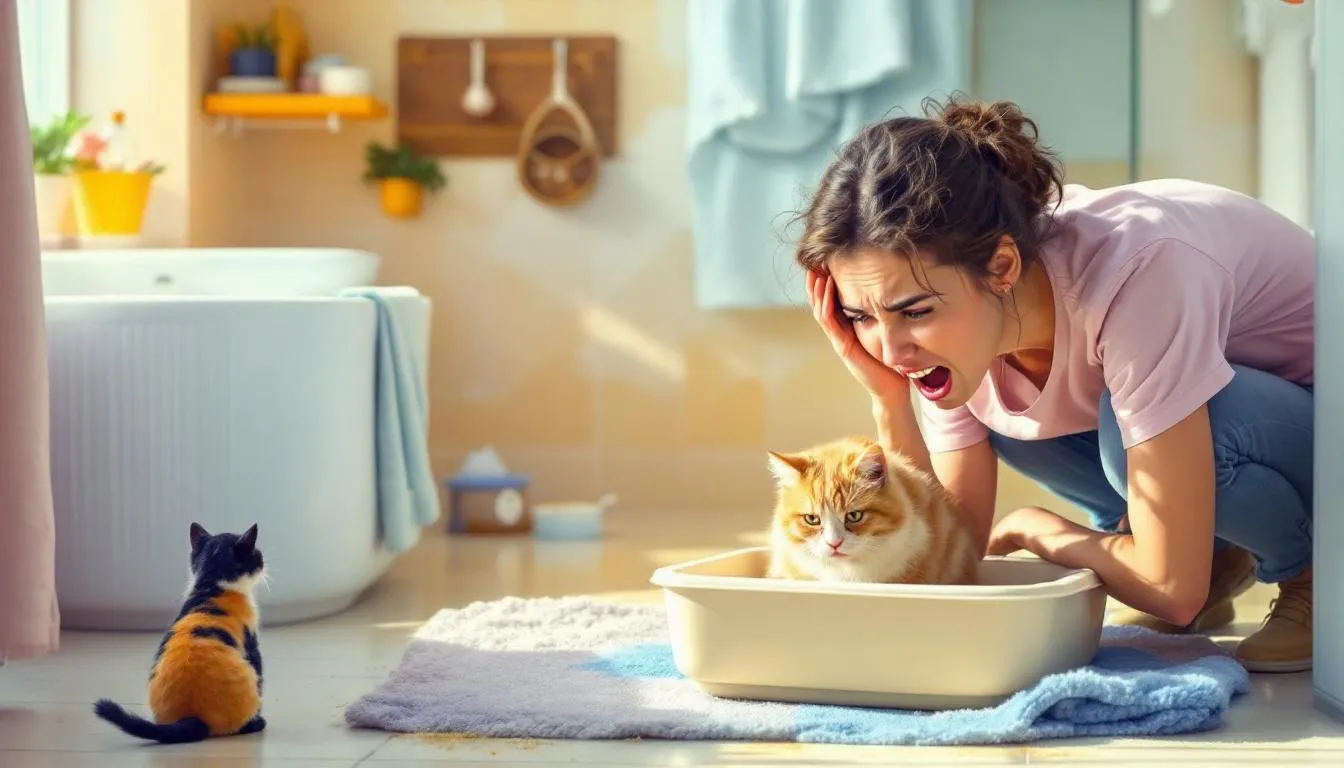
Accidents happen during potty training. Clean the area well to remove odor. Use pet-safe cleaners to stop repeat marking. Avoid punishing the cat; it may cause fear. Place a litter box near accident spots. This encourages your cat to use the right place.
Managing Fear Or Resistance
Some cats resist the new routine. Fear can come from unfamiliar sounds or smells. Introduce the potty area slowly and calmly. Use gentle praise when your cat tries. Avoid forcing your cat into the potty area. Patience helps build trust over time.
Adjusting Training Pace
Each cat learns at its own speed. Watch your cat’s behavior closely. If stress appears, slow down the training steps. Break training into smaller, easy tasks. Celebrate small wins to keep motivation high. Flexibility in your approach leads to better results.
Maintaining Success Long-term
Maintaining a cat’s potty training success requires ongoing care and attention. Consistency plays a key role in keeping your cat comfortable with their training. Small habits can help prevent accidents and keep your home fresh.
Cleaning And Hygiene Tips
Clean the potty area daily to avoid odors. Use mild, pet-safe cleaners to protect your cat’s sensitive nose. Remove any waste promptly to keep the spot inviting. Wash the training seat or pads regularly. Avoid strong chemical cleaners that might scare your cat away.
Monitoring Your Cat’s Behavior
Watch for changes in your cat’s habits or mood. Reluctance to use the potty may signal stress or health issues. Keep an eye on where your cat chooses to relieve itself. Early detection of problems helps maintain training success. Praise your cat when they use the potty correctly to encourage good habits.
When To Seek Professional Advice
Consult a vet if your cat suddenly stops using the potty. Frequent accidents might indicate medical problems. A professional trainer can help with persistent behavior challenges. Early guidance prevents setbacks and keeps training on track. Don’t hesitate to get support for your cat’s well-being.
Credit: www.whiskas.com.ph
Frequently Asked Questions
How Long Does It Take To Potty Train A Cat?
Potty training a cat usually takes 2 to 6 weeks. Consistency and patience are key during this process. Every cat learns at its own pace. Regular positive reinforcement speeds up training success.
What Tools Do I Need To Potty Train My Cat?
You need a litter box, flushable litter, and a training seat for the toilet. A reward system helps encourage good behavior. Proper placement of the litter box is essential.
Can All Cats Be Potty Trained On A Toilet?
Most cats can learn toilet training, but some may resist. Age, temperament, and previous habits affect success rates. Gradual training and patience increase chances of success.
How Do I Prevent Accidents During Potty Training?
Keep the litter box clean and accessible during training. Reward your cat for using the toilet properly. Supervise them closely to redirect accidents quickly and calmly.
Conclusion
Potty training a cat takes time and patience. Start with small steps and be consistent. Praise your cat for good behavior to encourage learning. Expect some mistakes along the way. Keep the training area clean and safe. Your cat will adapt at its own pace.
Soon, you will notice fewer accidents. Enjoy the benefits of a cleaner home. Remember, patience and kindness work best. Every cat is different, so stay flexible. Training can build a stronger bond between you and your pet. Keep trying, and success will come.

Leave a Reply