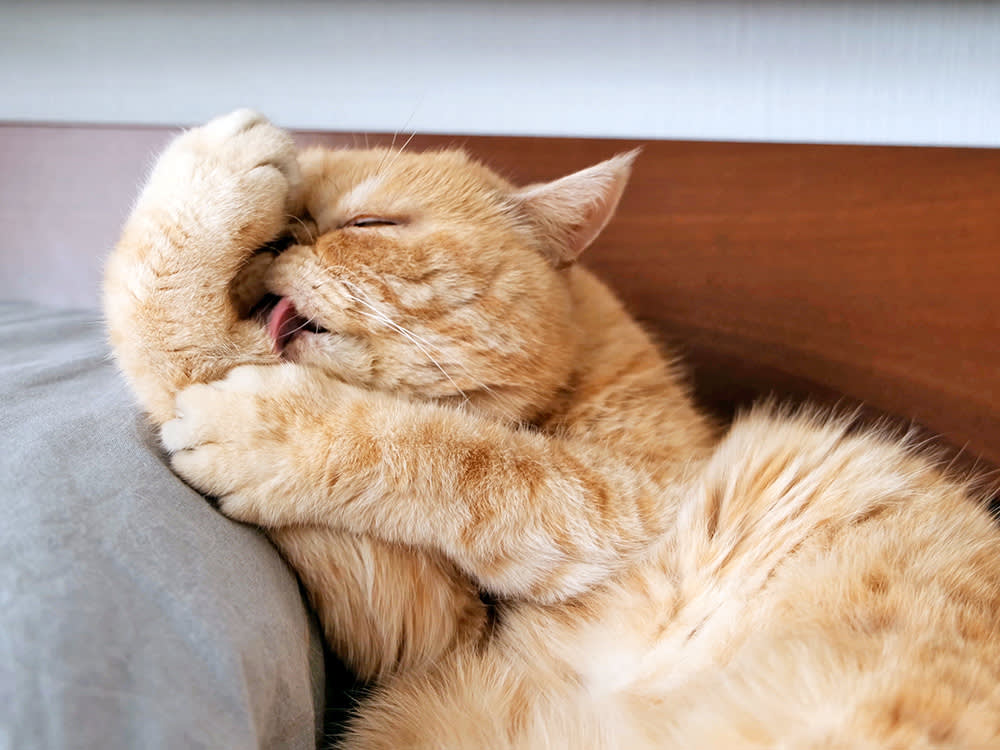
Have you ever watched your cat spend hours licking its fur and wondered why they do it so often? Grooming is more than just a cleaning habit for your feline friend—it’s a vital part of their life.
Understanding why your cat grooms itself can help you connect with them better and even spot health issues early. If you want to discover the surprising reasons behind this common behavior and what it means for your cat’s well-being, keep reading.
You’ll soon see grooming in a whole new light.
Cats’ Grooming Habits
Cats have a unique way of taking care of themselves that goes beyond just staying clean. Their grooming habits serve many purposes, from health maintenance to emotional comfort. Understanding how and why your cat grooms can help you better care for your furry friend.
How Cats Groom Themselves
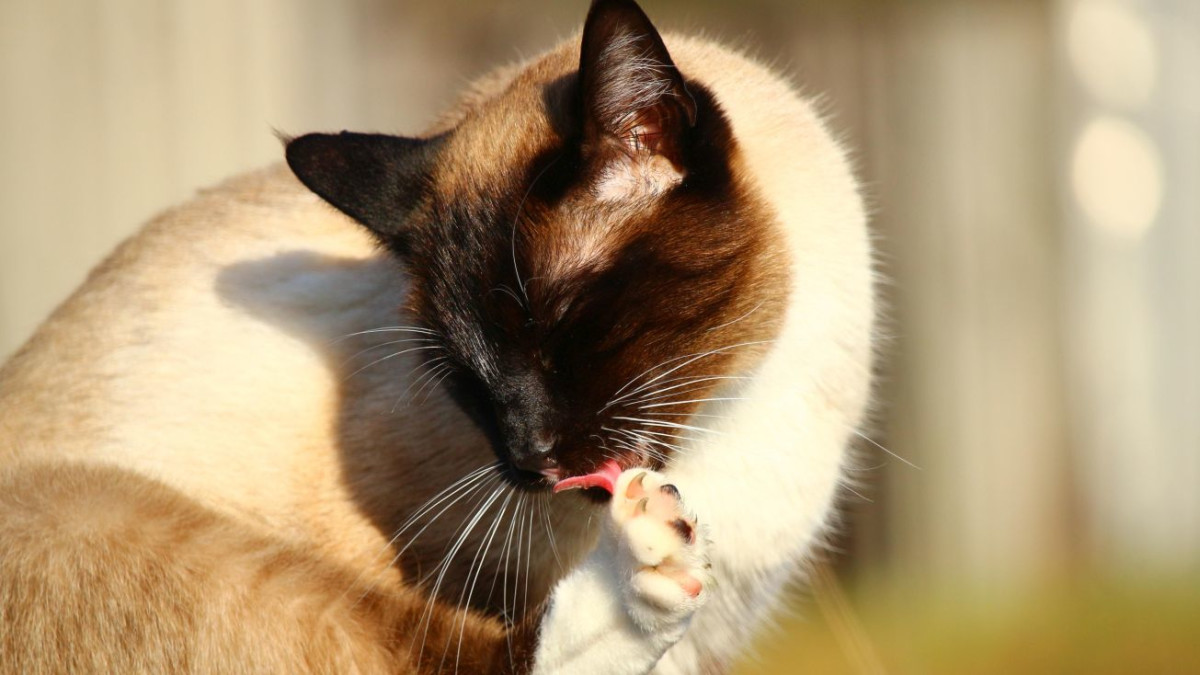
Cats use their tongues like tiny brushes. Their tongues have tiny, hook-shaped structures that help remove dirt and loose fur. They start by licking their paws and then use those paws to clean parts of their face and head.
Besides licking, cats also nibble gently at their fur to get rid of tangles and parasites. You might notice your cat twisting its body into surprising positions to reach difficult spots. This shows how important grooming is for them.
Frequency Of Grooming Sessions
Most cats spend about 30-50% of their waking hours grooming. You might see your cat licking itself several times a day, especially after meals or naps. The frequency can increase if your cat feels stressed or senses something unusual on its fur.
Older cats or those with health issues might groom less, which could signal a problem. Have you noticed changes in your cat’s grooming routine? This can be a clue to their emotional or physical state, so keep an eye out.
Credit: pethelpful.com
Physical Benefits Of Grooming
Grooming is more than just a neat habit for cats; it plays a crucial role in their physical well-being. When your cat spends time licking and cleaning, they’re actively taking care of their body in several important ways. Understanding these physical benefits can help you appreciate why grooming is such a natural and essential part of your cat’s daily routine.
Maintaining Fur Cleanliness
Grooming helps cats remove dirt, dust, and loose fur from their coat. This keeps their fur looking sleek and feeling soft. Have you noticed how your cat’s coat shines after a good grooming session? That shine is a sign of cleanliness and health.
Without regular grooming, fur can become matted and tangled, which might trap dirt and even cause discomfort. You can help your cat by brushing them, but their own grooming is the first line of defense against mess and debris.
Regulating Body Temperature
Your cat’s grooming acts like a natural cooling system. When cats lick their fur, the saliva evaporates, which helps lower their body temperature—similar to how sweating cools humans down. This is especially important on hot days or after active play.
Do you ever see your cat pause and lick themselves more when it’s warm? This instinctive behavior helps them stay comfortable without needing extra tools or fans. Grooming is a simple yet effective way for cats to manage their own body heat.
Promoting Skin Health
Grooming stimulates blood flow to the skin, which promotes healing and keeps skin healthy. It also spreads natural oils produced by glands in the skin, creating a protective barrier against dryness and irritation.
If your cat stops grooming, you might notice flaky or irritated skin. That’s a clear sign that grooming isn’t just about looking good—it’s about feeling good too. Have you checked if your cat’s skin is healthy during their grooming sessions?
Emotional And Psychological Reasons
Cats groom themselves to feel calm and reduce stress. This self-cleaning helps them stay happy and relaxed. Grooming also strengthens their bond with their own body and surroundings.
Cats groom themselves for various emotional and psychological reasons. This behavior goes beyond keeping their fur clean. It plays a crucial role in their mental well-being. Let’s explore how grooming helps cats emotionally and psychologically.Stress Relief And Comfort
Cats find grooming soothing. It reduces anxiety and provides comfort. The repetitive motion has a calming effect on them. It acts like a meditation session. When stressed, cats groom to relax. It distracts them from unpleasant situations. This self-care routine helps maintain their mental balance.Bonding And Social Signals
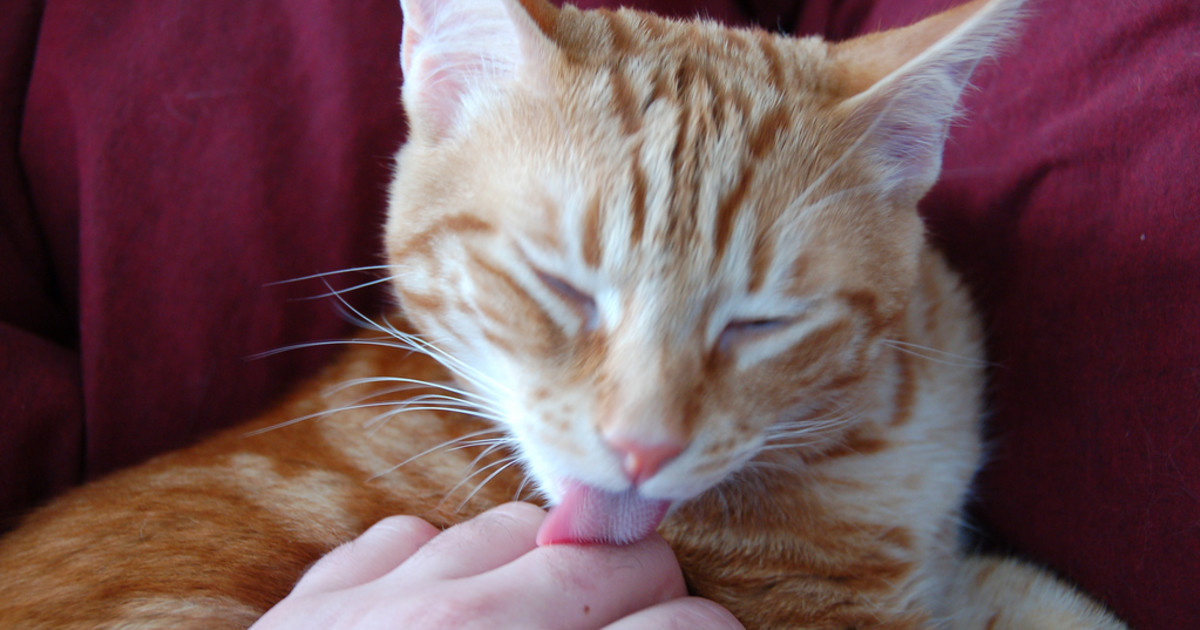
Grooming also serves social purposes. It strengthens bonds with other cats. Cats groom each other as a sign of friendship. This mutual grooming is called allogrooming. It shows trust and strengthens social connections. Grooming also communicates peace and non-aggression. Through grooming, cats show they feel safe and secure.
Credit: www.reddit.com
Surprising Grooming Triggers
Cats spend a surprising amount of time grooming themselves. Their licking and cleaning serve many hidden purposes beyond just keeping clean. These triggers help cats stay safe, healthy, and comfortable in their environment.
Scent Masking From Predators
Cats groom to cover their natural smell. This helps hide them from nearby predators. By licking their fur, cats spread saliva that masks their scent. This makes it harder for enemies to track them. Even house cats keep this instinct alive.
Stimulating Blood Flow
Grooming also boosts blood circulation under the skin. The licking action gently massages the body. This helps keep the skin healthy and promotes healing. It also prevents stiffness and supports muscles. Grooming is a natural way cats care for their bodies.
When Grooming Becomes Excessive
Cats groom themselves to stay clean and calm. This behavior is healthy and natural. But sometimes, cats groom too much. Excessive grooming can harm their skin and fur. It can also show that something is wrong. Understanding when grooming becomes a problem helps protect your cat’s health.
Signs Of Over-grooming
- Visible bald spots on the fur
- Red or irritated skin
- Frequent licking or biting in one area
- Scabs or wounds from scratching
- Restlessness or anxiety behaviors
Possible Health Concerns
Over-grooming can mean allergies or skin infections. Parasites like fleas may cause itching and discomfort.
Stress and anxiety also lead to excessive grooming. Cats may lick to soothe themselves when scared or bored.
Hormonal imbalances or pain can trigger this behavior too. A vet check can find the root cause and offer treatment.
Tips To Support Healthy Grooming
Supporting healthy grooming helps keep cats clean and comfortable. It also prevents skin problems and fur mats. Simple actions can improve your cat’s grooming habits and overall well-being. Below are key tips to encourage good grooming behavior.
Creating A Calm Environment
Cats groom best when they feel safe and relaxed. A quiet space with minimal noise helps them stay calm. Provide a cozy spot with soft bedding. Avoid sudden movements or loud sounds nearby. Regular routines also give cats a sense of security. Stress can cause grooming to decrease or become excessive.
Regular Vet Checkups
Health issues can affect a cat’s grooming habits. Skin infections, parasites, or dental problems may cause discomfort. These problems make grooming painful or difficult. Regular vet visits detect such issues early. Vets can offer advice for any grooming challenges. Keeping vaccinations and parasite control up to date supports overall health.
Credit: pethelpful.com
Frequently Asked Questions
Why Do Cats Groom Themselves So Often?
Cats groom to clean fur, remove dirt, and control body temperature. Grooming also reduces stress and strengthens their immune system. It helps cats stay comfortable and healthy.
How Does Grooming Benefit A Cat’s Health?
Grooming removes loose fur and parasites like fleas. It improves blood circulation and skin health. Grooming supports hydration by spreading natural oils, keeping the coat shiny and soft.
Can Grooming Be A Sign Of Cat Stress?
Yes, excessive grooming may indicate stress or anxiety in cats. It can also signal skin irritation or allergies. Observing grooming patterns helps detect health or behavioral issues early.
Do Cats Groom To Communicate With Others?
Cats groom to show affection and build social bonds. Mutual grooming strengthens relationships between cats and with humans. It’s a way to express trust and comfort.
Conclusion
Cats groom themselves to stay clean and healthy. It helps them remove dirt and loose fur. Grooming also cools them down on hot days. It keeps their skin free from bugs and infections. Grooming feels good and reduces stress for cats.
This habit also helps cats bond with their owners and other cats. Understanding why cats groom shows how smart and careful they are. Watching them clean themselves can be quite relaxing too. Overall, grooming is a natural and important part of a cat’s life.




Leave a Reply