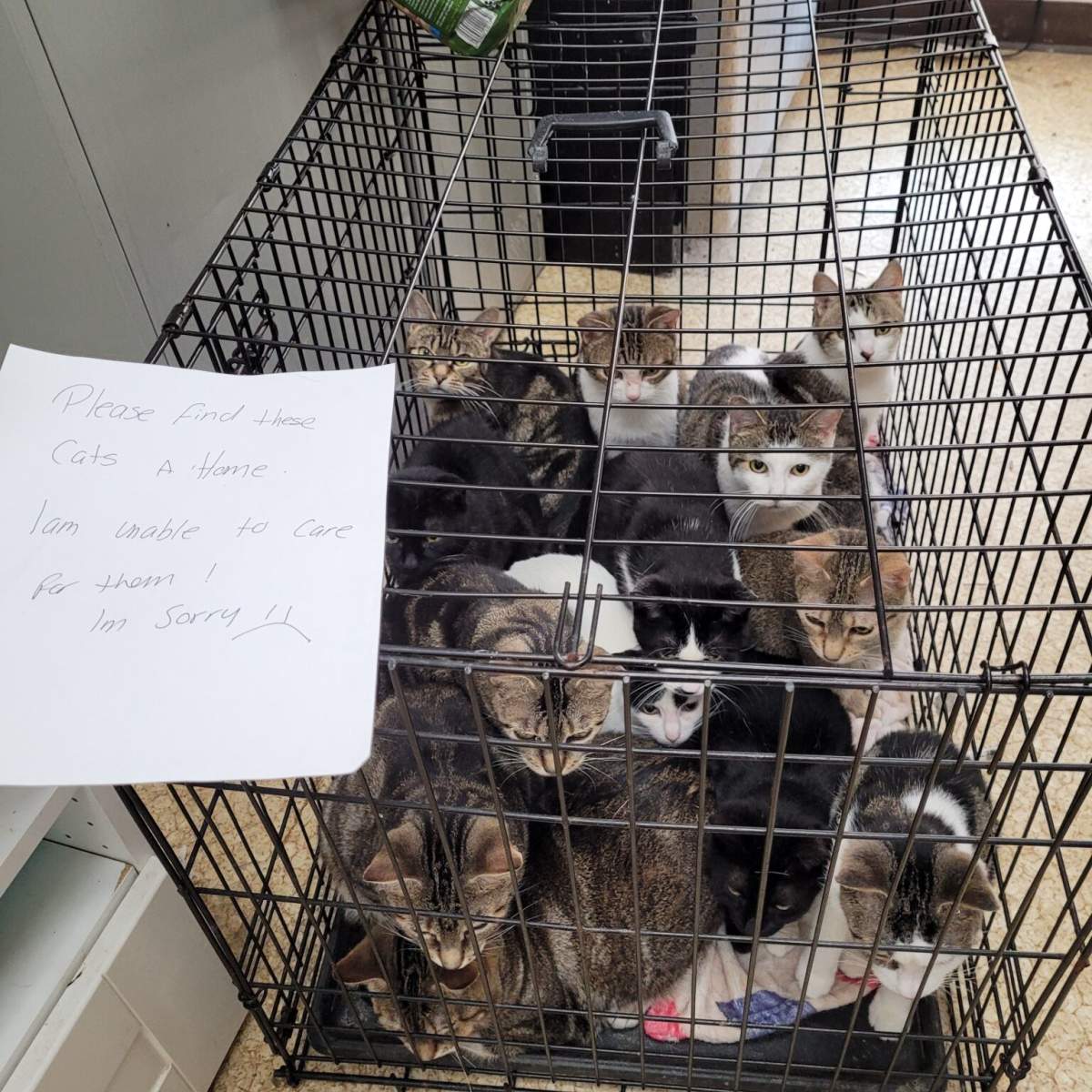
If you have a cat with health problems and can no longer care for them, finding the right place to surrender your cat can feel overwhelming. You want to make sure your furry friend gets the care and attention they deserve, even when you can’t provide it yourself.
But where do you turn? You’ll discover safe and compassionate options for surrendering cats with health issues. Keep reading to learn how to make the best choice for your cat’s well-being and peace of mind for yourself.
Recognizing When To Surrender
Recognizing when to surrender your cat with health problems is one of the toughest decisions you may face. It’s not about giving up but ensuring your cat receives the care they truly need. Understanding the signs and honestly evaluating your ability to provide treatment helps you make the best choice for both you and your feline friend.
Signs Your Cat Needs Specialized Care
Some health issues require more than just a vet’s routine check-up. If your cat experiences persistent symptoms like severe weight loss, constant vomiting, or difficulty breathing, these are clear red flags. You might also notice behavioral changes such as hiding, aggression, or lethargy that don’t improve over time.
Chronic illnesses like kidney disease, diabetes, or cancer often demand specialized treatments and equipment. If your cat needs frequent medication injections or surgeries beyond your means, it signals the need for advanced care. Have you seen your cat struggle despite your best efforts? That struggle often tells you it’s time to consider professional help.
Evaluating Your Ability To Provide Treatment
Ask yourself if you can realistically manage the care your cat requires. Do you have the time to administer medications multiple times a day? Can you afford costly treatments or hospital stays? Health problems can be emotionally and financially draining, and admitting limitations is not failure.
Sometimes, despite your love and dedication, specialized clinics or rescue organizations have better resources. They might offer access to expert vets, affordable treatment plans, or foster homes that can monitor your cat closely. How does knowing this affect your perspective on surrendering? It’s about prioritizing your cat’s well-being above all else.
Types Of Safe Havens For Cats
Finding the right place to surrender a cat with health problems can feel overwhelming. Your goal is to ensure the cat receives proper care and a chance for a better life. Knowing the types of safe havens available helps you make an informed choice tailored to the cat’s needs.
Animal Shelters With Medical Facilities
Some animal shelters have on-site medical facilities or partnerships with veterinary clinics. These shelters can provide immediate treatment for injuries or illnesses, which is crucial for cats in poor health. They often have trained staff to monitor recovery and manage ongoing care.
Look for shelters that specify medical care in their services. They can offer a temporary home while the cat heals, increasing the chances of successful adoption later. Have you checked if your local shelter has a dedicated medical wing?
Cat Rescue Organizations
Cat rescue groups often specialize in helping cats with special needs, including chronic health issues. These organizations usually operate foster networks, offering individualized care in home environments. This setup can reduce stress for sick cats compared to a busy shelter.
Rescue groups may also have connections with vets who provide discounted care. They focus on rehabilitation and finding adoptive homes equipped to handle health challenges. Could a smaller, dedicated rescue be the safe haven your cat needs?
Veterinary Hospitals Offering Rehoming
Many veterinary hospitals accept cats for rehoming, especially those with ongoing medical conditions. They can provide expert care and closely monitor the cat’s health while searching for a suitable adopter. This option ensures the cat’s treatment isn’t interrupted during the transition.
Ask your vet if they have rehoming programs or can recommend hospitals that do. It’s a practical way to ensure continuity of care and professional oversight. Have you discussed your cat’s situation with your veterinarian?
Sanctuaries For Chronically Ill Cats
Sanctuaries dedicated to chronically ill cats offer long-term care and a stable environment. These places are equipped to manage complex medical needs and often provide comfort without the pressure of adoption timelines. Cats with conditions like diabetes, kidney disease, or mobility issues can thrive here.
Sanctuaries focus on quality of life rather than quick placement. They welcome cats who might be passed over elsewhere due to health concerns. Could giving your cat a sanctuary home be the compassionate choice you’re looking for?
Finding Trusted Facilities
Finding trusted facilities to surrender cats with health problems is crucial. These places provide the care and attention sick cats need. Choosing the right facility ensures your cat gets proper medical support and a safe environment. It also gives you peace of mind during a difficult time.
Researching Local Resources
Start by exploring local animal shelters and rescue groups. Some specialize in caring for cats with special health needs. Search online for those with a strong focus on medical care. Visit their websites to learn about their services and adoption policies. Contact them directly to ask about their ability to care for sick cats.
Checking Accreditation And Reviews
Look for facilities accredited by reputable animal welfare organizations. Accreditation shows they meet important care standards. Read reviews from other pet owners who surrendered sick cats. Reviews offer insights into the facility’s environment and staff kindness. Avoid places with many negative reports or poor care records.
Consulting Veterinarians For Recommendations
Veterinarians often know trustworthy shelters and rescues. They work closely with facilities that handle health-challenged cats. Ask your vet for recommendations based on your cat’s specific needs. Vets can guide you to places with good medical support. Their advice helps you find a safe and caring facility quickly.

Credit: www.avacats.org
Preparing Your Cat For Surrender
Preparing your cat for surrender is a crucial step that can make a big difference in how smoothly the process goes—for both you and your furry friend. Cats with health problems need extra care and attention to ensure their transition to a new environment is as stress-free as possible. Taking the time to prepare thoroughly can help the shelter or rescue provide the best possible care.
Gathering Medical Records
Collect all your cat’s medical documents before surrendering. This includes vaccination history, recent vet visits, medications, and any test results. Having detailed records helps the new caretakers understand your cat’s health needs quickly.
Don’t forget to note down ongoing treatments or special diets. If your cat has a chronic condition, clear medical history can prevent delays in necessary care. Imagine the relief your cat’s new caregivers will feel when they don’t have to guess about past health issues.
Noting Behavior And Special Needs
Write down your cat’s behaviors and any special needs they have. Is your cat shy, aggressive, or does it need extra time to adjust? Sharing these details can help the shelter staff create a better environment and tailor their care.
Think about your cat’s favorite toys, sleeping spots, or routines. This information can reduce stress and make your cat feel safer. How can you help a sick cat feel more at home in an unfamiliar place? Your notes can be the key.
Transport Tips For Sick Cats
Transporting a cat with health issues requires special care. Use a sturdy, well-ventilated carrier lined with soft bedding to keep your cat comfortable. Avoid feeding your cat right before the trip to prevent nausea.
Keep the carrier covered with a light cloth to reduce stress caused by visual stimuli. Drive calmly and avoid sudden stops. Have you ever noticed how a calm environment can ease anxiety? Your cat will thank you for it during the journey.
What To Expect At The Safe Haven
Safe Haven offers a compassionate place to surrender cats with health issues. Dedicated staff provide medical care and a nurturing environment, ensuring each cat’s well-being.
When you decide to surrender a cat with health problems, the journey is often filled with emotions and questions. At the Safe Haven, you can expect a caring and structured process designed to ensure the best outcome for your feline friend. Understanding what happens during your visit can alleviate some concerns and help you feel more confident in your decision.Intake Procedures
Upon arrival, you’ll be greeted by compassionate staff members who understand the difficulty of your situation. They will guide you through the intake paperwork, asking for details about your cat’s history and health issues. This information helps them tailor the best care plan for your pet. It’s normal to feel a mix of emotions, but remember, you’re taking a responsible step for your cat’s well-being. The staff will also ask about your cat’s personality and habits, ensuring they can provide the most comfortable environment during their stay.Medical Assessment And Care Plans
Once the paperwork is complete, the veterinary team conducts a thorough medical assessment. This assessment identifies any immediate health needs and helps in crafting a personalized care plan. The Safe Haven prioritizes transparent communication. You’ll be informed about your cat’s health status and the proposed care plan, which might include treatments or medications. This ensures that both you and your cat are on the same page about the next steps.Potential Adoption Or Long-term Care Options
After the medical assessment, the Safe Haven explores options for your cat’s future. Depending on the health condition, some cats may be candidates for adoption into loving homes. Others might require long-term care within the facility or foster homes. You can rest assured that every option is carefully considered with your cat’s best interest in mind. Have you ever wondered how your choice could give another family the joy of companionship? The Safe Haven works tirelessly to make those connections possible, providing hope and new beginnings for cats in need. This journey might feel overwhelming, but knowing what to expect can make it a bit easier. You’re ensuring your cat receives the care they deserve, and that’s something to be proud of.
Credit: m.youtube.com
Financial And Emotional Support Options
Surrendering a cat with health problems can be one of the hardest choices you face. Alongside the emotional weight, there’s often a financial strain that makes caring for your pet challenging. Luckily, there are resources designed to ease both the money burden and emotional stress during this difficult time.
Assistance Programs For Medical Costs
Many organizations offer financial help specifically for cats with health issues. These programs can cover vet bills, medications, or surgeries, helping you avoid surrender if you want to keep your cat but struggle with costs.
Some local shelters partner with nonprofits like RedRover Relief or the Pet Fund, which provide grants based on income and pet needs. You can also check with your vet; some clinics offer payment plans or sliding scale fees tailored to your situation.
Support Groups For Pet Owners
You’re not alone in facing tough decisions about a sick cat. Support groups, both online and in-person, connect you with others who understand what you’re going through. Sharing your story and hearing others’ experiences can bring relief and new perspectives.
Groups on platforms like Facebook or specialized forums often share advice on managing health problems and finding resources. They also offer a space to discuss the emotional impact, which can help you feel less isolated.
Counseling Services For Difficult Decisions
Making the choice to surrender your cat can be overwhelming and full of guilt. Professional counseling services can guide you through these feelings and help clarify what’s best for you and your pet.
Some animal welfare organizations provide access to counselors who specialize in pet loss and surrender. Talking with a counselor can help you process your emotions and make decisions from a place of clarity, not pressure.
Alternatives To Surrendering
Surrendering a cat with health problems can be a tough choice. Many pet owners want to find ways to keep their cats safe and comfortable at home. Several alternatives can help manage your cat’s health without giving them up. These options can support your cat’s well-being and ease your worries.
In-home Hospice And Palliative Care
In-home hospice and palliative care focus on comfort for cats with serious illnesses. These services help manage pain and symptoms at home. They aim to improve your cat’s quality of life. Many veterinarians or pet care specialists offer this support. This option allows your cat to stay in a familiar environment. It also helps you provide loving care during difficult times.
Foster Care Networks
Foster care networks provide temporary homes for cats needing special care. These networks include volunteers trained to care for sick or injured cats. Foster homes give cats a safe place to heal. This option avoids shelter stress and keeps cats in a loving environment. Local rescues or animal welfare groups often run foster programs. They can connect you with foster families willing to help.
Seeking Second Veterinary Opinions
Seeking a second veterinary opinion can offer new treatment options. Different vets may suggest alternative treatments or care plans. This step can clarify your cat’s condition and prognosis. It may lead to better health management strategies. Getting another expert view helps you make informed decisions. It shows you care deeply about your cat’s health.
Credit: bengalrescue.org
Frequently Asked Questions
Where Can I Surrender A Cat With Chronic Illness?
You can surrender cats with chronic illness to specialized animal shelters. These shelters offer medical care and find suitable homes. Contact local rescue groups or veterinary clinics for guidance on surrendering sick cats safely.
Are There Shelters Accepting Cats With Contagious Diseases?
Yes, some shelters specialize in cats with contagious diseases. They have quarantine facilities and experienced staff. Always call ahead to ensure the shelter accepts cats with specific health problems before surrendering.
How Do I Find No-kill Shelters For Sick Cats?
Search online for no-kill shelters near you that accept sick cats. These shelters focus on care and rehabilitation. Use keywords like “no-kill cat shelter with medical care” for best results.
Can Veterinary Hospitals Help Surrender Cats With Health Issues?
Many veterinary hospitals collaborate with rescues for surrendering sick cats. They may offer temporary care or direct you to appropriate shelters. Ask your vet for recommendations on surrendering cats with health problems.
Conclusion
Finding the right place to surrender cats with health problems matters a lot. Many shelters and rescue groups accept sick cats and help them heal. Some organizations have special programs for cats with medical needs. Always call ahead to check their policies and availability.
Your careful choice gives cats a better chance for care and love. Remember, surrendering a cat is tough but can lead to a brighter future for them. Take time, ask questions, and choose a safe place for your cat’s health.




Leave a Reply