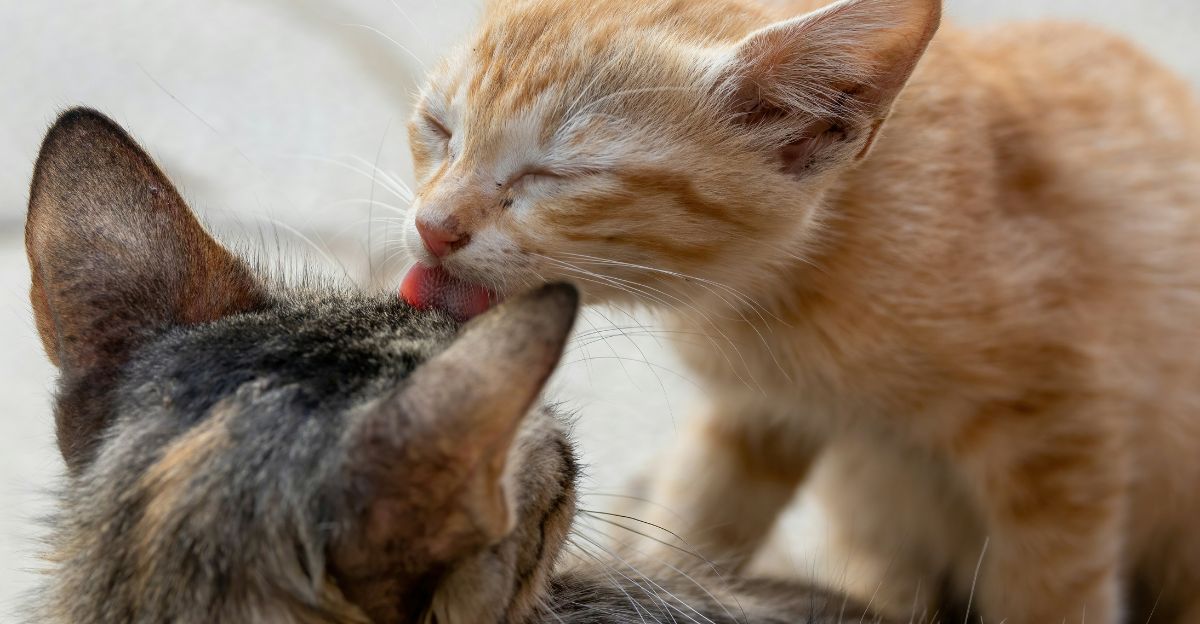
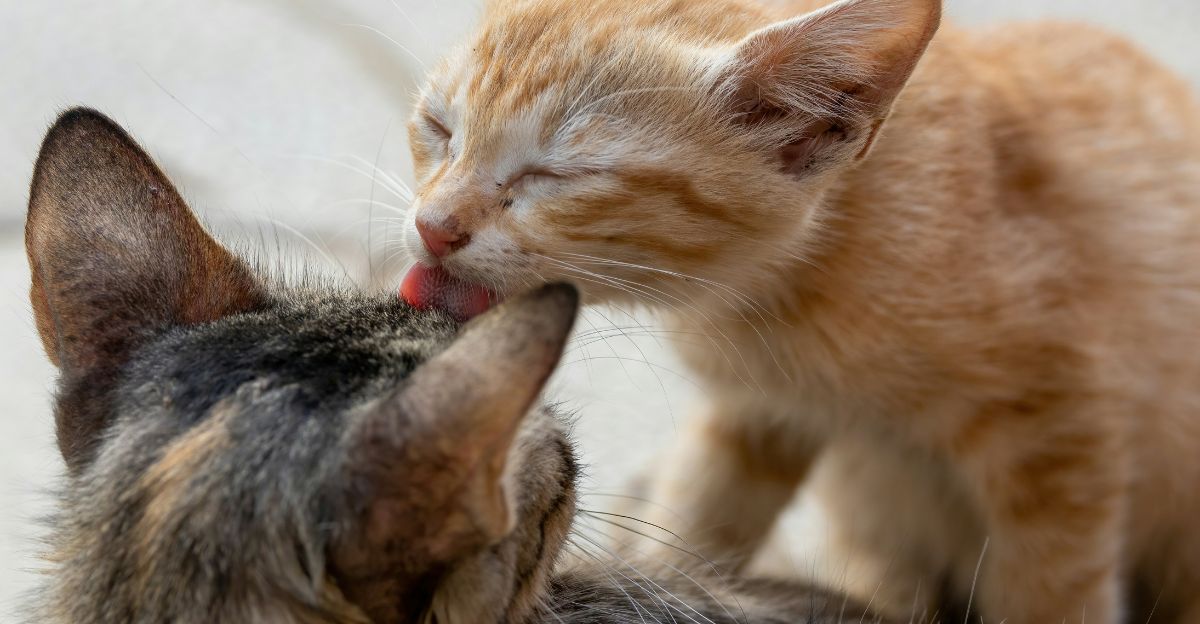
Have you ever watched cats carefully licking each other and wondered why they do it? This simple act of grooming isn’t just about keeping clean.
It’s a powerful way cats build trust, show affection, and even protect their health. If you want to understand what’s really behind this charming behavior, keep reading. You’ll discover surprising reasons that will change how you see your furry friends forever.

Credit: www.youtube.com
Social Bonding Through Grooming
Cats use grooming to build strong social connections. This behavior goes beyond keeping clean. It helps cats create trust and friendship within their group. Grooming is a way cats say, “I care about you.”
Through grooming, cats share time and attention. This creates a peaceful and friendly atmosphere. It lowers stress and helps them feel safe. Grooming is a silent language that strengthens bonds.
Strengthening Friendships
Grooming helps cats develop close friendships. Cats that groom each other often spend more time together. This activity shows acceptance and support. It helps solve small conflicts and keeps peace.
Friends share grooming sessions to show loyalty. It builds a sense of community. Cats that groom each other trust one another more. This trust makes their friendship stronger and longer-lasting.
Family Ties Among Cats
Grooming is common among cat families. Mother cats groom their kittens to clean and comfort them. Kittens learn social skills through these grooming sessions.
Adult cats also groom relatives to keep family bonds strong. This behavior helps maintain harmony in the group. Grooming reminds cats they belong together and depend on each other.
Hygiene And Health Benefits
Grooming between cats offers many hygiene and health benefits. It helps keep their fur clean and their skin healthy. Cats naturally care for each other, which strengthens their bond and supports overall wellness.
Removing Dirt And Parasites
Cats groom each other to remove dirt and loose fur. This cleaning stops debris from building up on their skin. Grooming also helps get rid of parasites like fleas and ticks. These pests can cause itching and infections if not removed.
By grooming each other, cats reach spots they cannot clean well themselves. This keeps their coats shiny and free of harmful bugs. Regular grooming reduces the chance of skin problems caused by parasites.
Promoting Skin Health
Grooming stimulates blood flow to the skin. Better circulation means healthier skin and faster healing of minor wounds. Cats spread natural oils from their skin through grooming. These oils protect and moisturize their fur.
Shared grooming lowers stress, which benefits the immune system. Less stress means fewer skin irritations and allergies. Cats that groom each other tend to have stronger, healthier skin overall.
Stress Relief And Comfort
Watching cats groom each other isn’t just a cute behavior—it’s a powerful way they manage stress and find comfort. This grooming ritual helps them feel safe and connected, easing tension and calming their minds. Understanding why your cat enjoys this shared grooming can give you deeper insight into their emotional world.
Calming Effects Of Grooming
Grooming triggers the release of feel-good hormones like endorphins in cats. These natural chemicals reduce stress and promote a sense of well-being.
When your cats groom each other, they create a peaceful environment that lowers their heart rates and relaxes their muscles. It’s like their own natural therapy session.
Have you noticed how your cats seem more at ease and less restless after grooming each other? This behavior helps them reset emotionally.
Reducing Anxiety In Cats
Cats often groom each other to cope with anxiety and uncertainty. The physical act of grooming distracts them from stressful thoughts and helps them regain control.
This mutual grooming strengthens bonds, making your cats feel safer in their social group. Feeling connected reduces feelings of isolation, which can worsen anxiety.
Try observing how your cats behave before and after grooming sessions. You might find that this simple act helps ease their worries and creates a calmer home atmosphere.

Credit: catcuddlezone.com
Establishing Hierarchy
Cats often groom each other as a way to show their social roles within a group. This behavior helps them establish who is in charge and who follows. Grooming is more than cleaning; it is a language of hierarchy. Through grooming, cats send clear signals about dominance and submission. This builds a social order that keeps the group stable.
Dominance And Submission Signals
Grooming can show which cat is dominant and which is submissive. The dominant cat usually grooms first and more often. The submissive cat accepts grooming and rarely grooms back. This helps avoid fights by showing respect. Grooming acts like a quiet conversation about power. Cats learn who leads without loud noise or aggression.
Maintaining Group Harmony
Shared grooming helps keep peace in a cat group. It reduces tension and stress among cats. Grooming releases calming chemicals, making cats feel safe. Cats that groom each other often have stronger bonds. These bonds make the group work better together. Grooming is a way to say, “We belong together.” This keeps the group happy and united.
Mutual Grooming Techniques
Mutual grooming is a special behavior cats use to bond and care for each other. It helps keep their fur clean and strengthens their social ties. Cats use different techniques to groom each other carefully and effectively.
Areas Cats Focus On
Cats often groom places hard to reach on themselves. They focus on:
- Behind the ears
- Neck and head
- Base of the tail
- Around the face
These spots are difficult for a cat to clean alone. Grooming here shows trust and closeness between cats. They also check for dirt, parasites, and loose fur.
How Cats Take Turns
Mutual grooming is a give-and-take process. Cats usually take turns licking each other. This balance helps both cats feel cared for. One cat starts grooming while the other relaxes.
After a few minutes, they switch roles. This way, no cat feels left out. Taking turns also reduces the chance of over-grooming. It makes the experience pleasant and stress-free.
Grooming And Communication
Cats groom each other to build trust and strengthen their bond. This behavior also helps keep their fur clean and free from pests. Sharing grooming shows care and comfort between feline friends.
Cats are fascinating creatures with unique ways of communicating and bonding. One of the most intriguing behaviors is grooming each other, also known as allogrooming. This activity is not just about cleanliness; it’s a vital form of communication among cats. Through grooming, they share more than just companionship; they exchange essential information and strengthen social bonds. Let’s dive into how grooming serves as a form of communication among our feline friends.Scent Sharing
Grooming is a way for cats to share their unique scents. Each cat has a distinct smell that is like a signature. When cats groom each other, they transfer their scent onto one another, creating a shared scent profile. This scent sharing is essential for group identity, especially in multi-cat households. It helps reduce territorial disputes and fosters a sense of belonging. Have you ever noticed that your cats seem more harmonious after a grooming session? It’s because they smell like one big, happy family.Nonverbal Messages
Grooming is also a powerful nonverbal communication tool. It conveys messages of trust, affection, and reassurance. When one cat grooms another, it’s like saying, “I trust you” or “We’re close friends.” This behavior can also be a calming signal, reducing tension and stress among cats. In your own multi-cat home, try observing which cats groom each other the most. This can give you insights into the social hierarchy and relationships within your furry family. By understanding these interactions, you can better manage their environment, ensuring everyone is happy and stress-free.
Credit: basepaws.com
Frequently Asked Questions
Why Do Cats Groom Each Other Regularly?
Cats groom each other to strengthen social bonds and show affection. This behavior reduces stress and promotes group harmony. It also helps keep their fur clean and free of parasites. Mutual grooming is a sign of trust and friendship among cats.
How Does Grooming Benefit Cats Socially?
Grooming builds trust and reinforces social hierarchies within cat groups. It creates positive interactions and reduces aggression. By grooming each other, cats communicate safety and companionship. This behavior helps maintain peaceful coexistence in multi-cat environments.
Can Grooming Improve A Cat’s Health?
Yes, grooming removes dirt, loose fur, and parasites. It stimulates blood circulation and skin health. Grooming also reduces stress, which benefits overall wellness. When cats groom each other, they help maintain each other’s cleanliness and comfort.
Do Cats Groom Each Other To Show Affection?
Absolutely, grooming is a way cats express love and care. It strengthens emotional bonds and reassures companionship. Cats use grooming to comfort each other and build lasting relationships. This affectionate behavior is common among close feline friends.
Conclusion
Cats groom each other to build trust and show care. This behavior helps them stay clean and healthy. Grooming also strengthens their social bonds. It reduces stress and keeps their fur free of dirt. Watching cats groom can teach us about their feelings.
Their gentle licking means friendship and comfort. Understanding this helps us connect better with our pets. Cat grooming is simple but full of meaning. It shows how cats communicate without words. A small act, yet very important in their world.

Leave a Reply