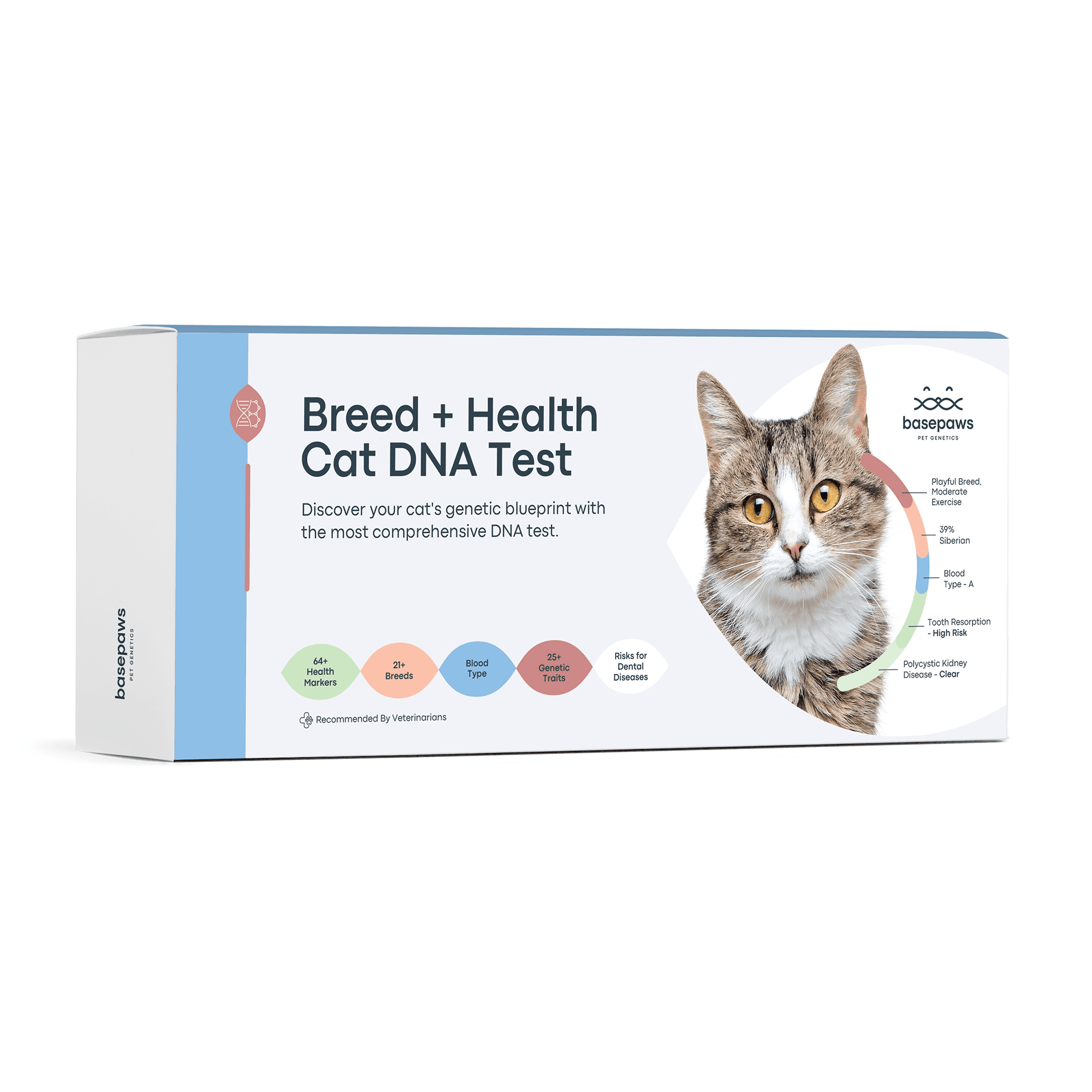
Have you ever wondered what breeds make up your house cat? You might be surprised to learn that you can actually get your cat’s DNA tested to find out.
Imagine unlocking the secrets hidden in your furry friend’s genes. Knowing your cat’s breed mix can help you understand their behavior, health needs, and unique traits better. If you’re curious about how this works and whether it’s worth it for your pet, keep reading.
This article will guide you through everything you need to know about cat DNA testing and how it can benefit you and your beloved companion.
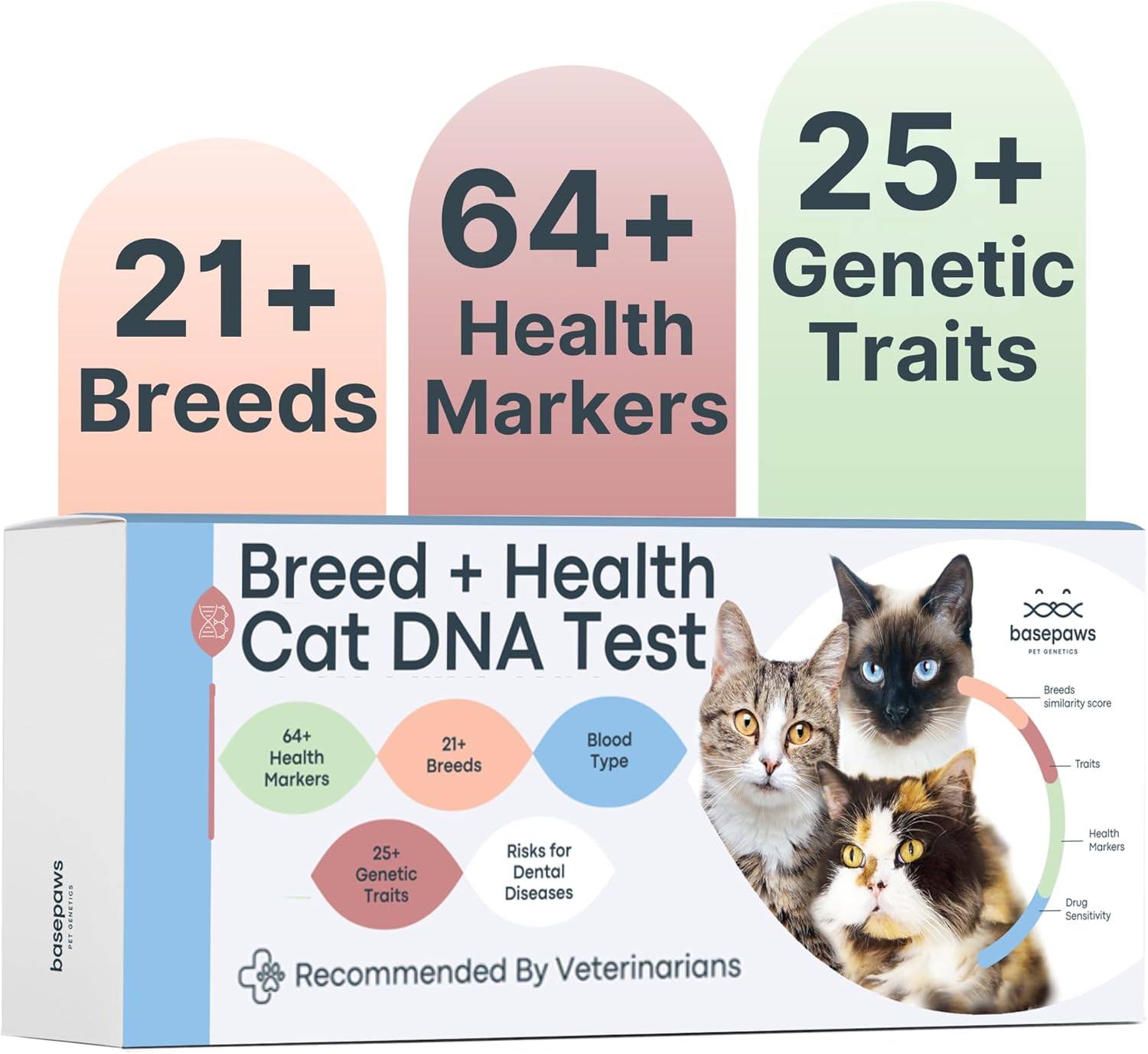
Credit: www.rover.com
Cat Dna Testing Basics
Cat DNA testing has become popular among pet owners. It helps reveal your cat’s breed background. Understanding your cat’s genetics can explain behaviors and health risks. Testing is simple and done at home with a kit.
Most tests require a cheek swab to collect DNA. You send the sample to a lab for analysis. Results usually arrive within a few weeks. These insights help you care better for your feline friend.
What Cat Dna Tests Reveal
Cat DNA tests show your cat’s breed mix. They identify common breeds and rare ones. Tests reveal genetic traits like fur color and eye shape. Some tests also detect health risks and inherited diseases. This information helps with better care and diet choices.
Popular Cat Breeds In Dna Tests
- Siamese – Known for their vocal and social nature
- Maine Coon – Large size and friendly personality
- Persian – Long fur and calm temperament
- Bengal – Spotted coat and active behavior
- Ragdoll – Gentle and affectionate with blue eyes
Tests cover many breeds, including mixed and rare types. This helps uncover your cat’s unique heritage.
Types Of Dna Tests For Cats
- Breed Identification:Finds breed origins and percentages
- Health Screening:Detects genetic diseases and conditions
- Trait Analysis:Explains physical features and behaviors
You can choose tests based on your needs. Some combine breed and health information for a complete profile.

Credit: www.rover.com
How Cat Dna Testing Works
Cat DNA testing reveals your pet’s breed makeup and genetic traits. This process starts with collecting a DNA sample from your cat. The sample goes to a lab for detailed analysis. After testing, you receive a report explaining your cat’s breed and health markers. Understanding how this process works helps you appreciate the science behind your cat’s unique identity.
Collecting A Cat Dna Sample
Collecting DNA is simple and painless. Most kits use a cheek swab to gather cells. Gently rub the swab inside your cat’s mouth for a few seconds. Make sure to avoid food or water before collecting. Seal the swab in the provided container. Then, send it to the testing company using the prepaid mailer.
Laboratory Analysis Process
In the lab, technicians extract DNA from the cells. They use machines to read the genetic code. The code is compared against a large database of cat breeds. The lab also looks for markers related to health and traits. This process takes a few weeks to complete. The lab ensures high accuracy in breed identification.
Interpreting Your Cat’s Results
Your results come as an easy-to-read report. It shows the percentage of different breeds in your cat’s DNA. The report highlights unique traits linked to those breeds. Some tests include health risks and genetic conditions. Use this information to care better for your cat. Share it with your vet for personalized advice.
Benefits Of Testing Your Cat’s Dna
Testing your house cat’s DNA reveals its breed mix and health traits. This knowledge helps you understand your cat better and care for it more wisely. DNA testing offers clear insights into your pet’s unique background.
Testing your cat’s DNA can reveal a treasure trove of information that can benefit both you and your feline friend. It’s not just about knowing which breeds make up your cat’s unique genetic makeup; it’s about understanding how those breeds can affect their health, behavior, and overall well-being. By diving into your cat’s genetic story, you can provide better care tailored to their specific needs.Discovering Breed Heritage
Uncovering your cat’s breed heritage is like solving a mystery. You may discover that your seemingly ordinary tabby actually has a bit of Siamese or Maine Coon in them. This knowledge can deepen your connection with your pet and give you fascinating insights into their lineage. Imagine the joy of knowing your cat’s breed history, sparking conversations with fellow cat lovers. Could understanding your cat’s ancestry change how you perceive them?Health Insights And Genetic Risks
Knowing your cat’s genetic makeup can help you anticipate and manage potential health issues. Some breeds are prone to specific conditions, and being aware of these can be a game-changer. For example, if your cat has Ragdoll heritage, you might be more vigilant about heart disease. This knowledge empowers you to make informed decisions about diet, exercise, and vet visits.Behavior And Personality Traits
Understanding your cat’s breed can also shed light on their behavior and personality traits. If your cat has Bengal genes, they might be more active and vocal. This insight helps you create a stimulating environment that caters to their needs, keeping them happy and engaged. Are there quirks in your cat’s behavior that suddenly make sense with this new information? By testing your cat’s DNA, you’re not just uncovering their past; you’re enhancing their future.Choosing The Right Dna Test Kit
Choosing the right DNA test kit for your house cat is essential to get accurate and meaningful results. Not all kits are created equal, and your choice can impact how well you understand your cat’s breed background. Consider factors like brand reputation, cost, accuracy, and user feedback before making a decision.
Popular Brands And Services
You’ll find several popular brands offering cat DNA tests, each with different features. Some well-known names include Wisdom Panel, Basepaws, and Orivet. Wisdom Panel often highlights breed identification and health markers, while Basepaws offers in-depth genetic trait analysis.
Think about what matters most to you: Is it detailed breed history, health insights, or both? Reading the service descriptions can help you narrow down your options quickly.
Cost And Accuracy Comparison
| Brand | Price Range | Reported Accuracy | Additional Features |
|---|---|---|---|
| Wisdom Panel | $100 – $150 | High (90%+ breed detection) | Health screening, breed mix |
| Basepaws | $100 – $130 | Moderate to High | Genetic traits, health risks |
| Orivet | $80 – $120 | Moderate | Breed ancestry, personalized reports |
Cost doesn’t always equal accuracy, but extremely cheap kits might lack reliable data. Ask yourself if you want just breed info or health insights too—some kits bundle both.
Customer Reviews And Experiences
Customer feedback offers a valuable window into what you can expect. Many cat owners praise Wisdom Panel for easy-to-use kits and clear results. Basepaws users often mention the depth of genetic trait info, but some note waiting times can be long.
Have you checked forums or social media groups for real stories? Hearing about others’ experiences can help you avoid surprises and choose the kit that fits your needs best.
Potential Challenges And Limitations
Getting your house cat’s DNA tested for breeds can be exciting, but it’s important to understand the potential challenges and limitations involved. These tests might not always give you the clear-cut answers you hope for. Knowing what to expect helps you make better decisions and avoid misunderstandings about your cat’s heritage.
Accuracy Concerns
DNA tests for cats rely on databases of known breed markers. However, these databases are still growing and may not cover every breed or genetic variation. This can lead to results that are less precise or even contradictory.
Sometimes, the test may identify breeds that seem unrelated or unexpected. This happens because some genetic markers overlap among different breeds. Are you ready to accept results that may surprise or confuse you?
Mixed Breed Cats And Results
Most house cats are mixed breeds, which makes breed identification tricky. Their DNA is often a complex blend, and tests might label many breeds with low percentages.
This can dilute the significance of each breed in your cat’s makeup. Instead of a clear breed identity, you might get a long list of possible ancestors. How much does this kind of information help you understand your cat better?
Privacy And Data Use
When you submit your cat’s DNA, you’re sharing genetic data that could be used beyond your test results. Some companies may use this data for research or share it with third parties.
Check the privacy policies carefully before buying a test. You should know who owns the data and how it might be used in the future. Would you feel comfortable if your cat’s genetic information ended up in unknown hands?
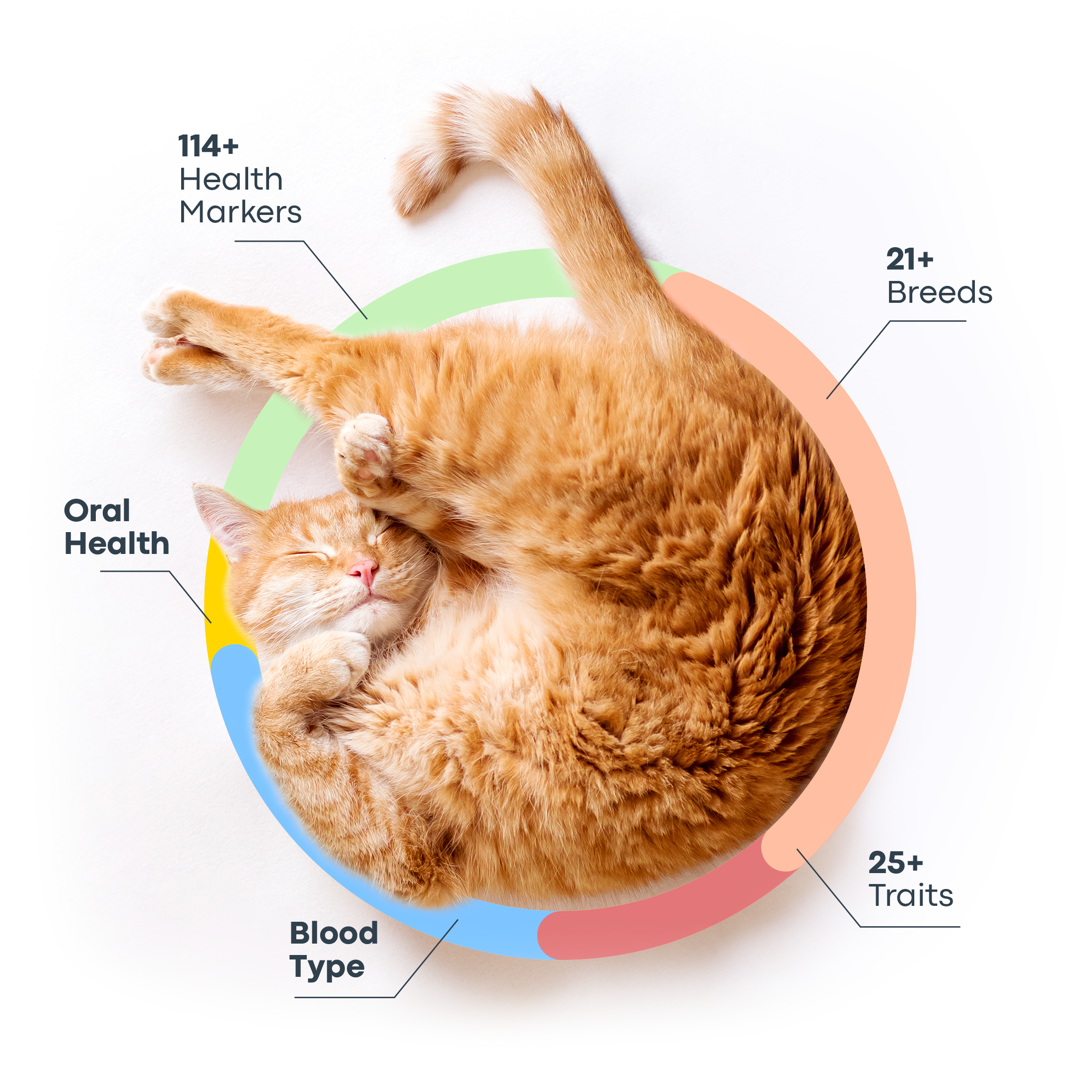
Credit: basepaws.com
Steps To Get Started
Getting your house cat’s DNA tested for breeds is easier than you might think. The process involves a few simple steps that anyone can follow. Knowing what to expect can make the experience smooth and even enjoyable for both you and your feline friend.
Ordering A Dna Kit
Start by choosing a reputable company that offers cat DNA testing. Look for kits that specify breed analysis and genetic health markers if you want a complete profile.
Ordering online is the most common way to get the kit delivered straight to your door. Some pet stores may also carry these kits, but your options might be limited.
Think about what you want to learn from the test. Are you curious about your cat’s breed mix, or do you want to uncover potential health risks? This will guide your choice of the kit.
Sample Collection Tips
The kit will usually include a swab to collect cells from your cat’s cheek. It’s important to do this gently but thoroughly to get enough DNA for accurate results.
Try to collect the sample when your cat is calm, perhaps after a nap or playtime. If your cat resists, offering a treat or some affection can help ease the process.
Make sure your hands are clean before starting. Avoid contaminating the swab by touching the tip or letting it touch other surfaces.
Submitting And Waiting For Results
After collecting the sample, place it in the provided container and seal it as instructed. Most companies include a prepaid envelope to send your sample back.
Once submitted, the waiting time usually ranges from two to six weeks. Use this time to prepare questions or compare your cat’s traits with the breed information you’ll receive.
Many services send results via email or through an online portal. Some even offer detailed reports with interesting facts about your cat’s ancestry and health.
Frequently Asked Questions
Can I Test My House Cat’s Dna For Breed Identification?
Yes, you can test your house cat’s DNA to identify its breeds. Many companies offer easy-to-use kits for this purpose.
How Accurate Are Cat Dna Breed Tests?
Cat DNA tests are generally accurate, often identifying breeds with over 90% reliability. Results depend on the database used by the testing company.
What Does A Cat Dna Test Reveal Besides Breed?
Besides breed, cat DNA tests can reveal health risks, genetic traits, and ancestry information. This helps in better care and understanding of your cat.
How Do I Collect A Dna Sample From My Cat?
You collect a DNA sample using a cheek swab provided in the test kit. It’s quick, painless, and requires no special skills.
Conclusion
Testing your house cat’s DNA reveals interesting breed information. It helps you understand your pet’s background better. Many kits are easy to use and affordable. Results can show traits, health risks, and ancestry. Knowing your cat’s breed mix can improve care and bonding.
DNA testing adds fun and knowledge to pet ownership. Consider trying it to learn more about your furry friend. Simple steps lead to surprising discoveries. Your cat’s story is waiting to be told.

Leave a Reply