Have you ever wondered why your cat spends so much time licking and cleaning itself? It might seem like just a simple habit, but grooming is actually a crucial part of your cat’s life.
Understanding why cats like grooming can help you connect better with your furry friend and even improve their health and happiness. Keep reading, and you’ll discover surprising reasons behind this common behavior—and how it affects your cat in ways you might not expect.
Cats’ Grooming Habits
Cats enjoy grooming because it keeps their fur clean and helps them feel calm. Grooming also controls body temperature and removes loose hair. It’s a natural way for cats to stay healthy and comfortable.
Cats are fascinating creatures, and their grooming habits are no exception. If you’ve ever watched a cat meticulously lick its fur, you might wonder why they spend so much time on this activity. Grooming is a natural behavior ingrained in cats, offering them more than just a clean coat.How Cats Groom Themselves
Cats use their tongues, which have tiny, hook-like structures, to clean their fur. This unique design helps remove dirt and loose hair while distributing natural oils, keeping their coat shiny and healthy. Besides, grooming can be a soothing activity for cats, akin to a relaxing ritual. Have you noticed how your cat often grooms after eating or playing? It’s their way of resetting and returning to a comfortable state. Grooming also serves as a way for cats to cool themselves, as the saliva evaporates, providing a slight cooling effect.Frequency Of Grooming
Cats can spend 30% to 50% of their waking hours grooming. That’s a significant amount of time in their day! This regular grooming helps them maintain a clean and odor-free coat, which is crucial for a predator like a cat, who prefers to remain stealthy. However, not all cats groom with the same frequency. Factors like age, health, and breed can influence how often a cat grooms. Older cats might groom less due to arthritis, while some breeds with shorter coats might not need as much grooming. Have you ever thought about how your cat’s grooming habits might signal their well-being? Observing changes in their grooming behavior can provide valuable insights into their health. If you notice your cat suddenly grooming excessively or not at all, it might be time for a vet visit. Your attention to these details can make all the difference in your cat’s quality of life.
Credit: www.latimes.com
Physical Benefits Of Grooming
Grooming is more than just a neat habit for cats—it plays a crucial role in their physical health. When you watch your cat spend time licking and cleaning, you’re actually witnessing a vital process that supports their well-being. Understanding these physical benefits can help you appreciate why grooming is so important to your feline friend.
Maintaining Clean Fur
Cats groom to keep their fur spotless and free from dirt, parasites, and loose hair. This helps prevent skin infections and keeps their coat shiny and healthy. Have you noticed how your cat always seems to clean hard-to-reach spots? That’s because maintaining cleanliness is essential for their comfort and health.
Regulating Body Temperature
Grooming helps cats control their body temperature effectively. By spreading saliva evenly across their fur, they create a cooling effect as the saliva evaporates. This natural method helps your cat stay comfortable, especially on hot days—something you might not have realized while watching them lick their paws.
Stimulating Blood Flow
The act of grooming also boosts circulation. When cats lick and nibble their fur, they stimulate blood flow to the skin. This increased circulation supports healthy skin and fur growth. Have you ever felt how soft and warm a well-groomed cat’s fur is? That’s partly due to improved blood flow beneath the surface.
Psychological Reasons For Grooming
Cats groom not only to stay clean but also for psychological reasons. Grooming helps cats feel calm and secure. It plays a big role in their mental well-being. Understanding these reasons can explain why cats spend so much time licking themselves.
Stress Relief And Comfort
Grooming helps cats reduce stress. The repetitive motion calms their minds. It releases feel-good chemicals that soothe anxiety. Cats often groom more when they feel nervous or scared. This behavior acts like a natural comfort tool.
Building Confidence
Cleaning their fur boosts a cat’s confidence. Grooming helps them feel more in control. A well-kept coat makes cats feel ready to face challenges. It signals good health, which adds to their self-assurance.
Avoiding Boredom
Cats groom to fill quiet or dull times. It keeps their mind busy and active. Grooming can stop them from feeling lonely or restless. This habit helps pass time in a positive way, preventing bad behaviors.

Credit: tryfurgo.com
Social Grooming Among Cats
Social grooming among cats goes beyond simple cleanliness. It’s a crucial part of how cats interact and communicate with each other. You might have noticed your cats licking or nibbling each other, and this behavior holds deeper meaning than you might think.
Bonding And Trust
When cats groom each other, they build strong bonds. This act shows they trust one another completely. It’s common to see cats that live together grooming each other’s heads and necks, areas they can’t easily reach themselves.
Think about the last time you saw your cats grooming each other. Didn’t it feel like a sign of friendship and comfort? This mutual grooming reassures cats and reduces tension, making their social group more peaceful.
Group Hygiene
Social grooming also helps keep the whole group clean. Cats can reach tricky spots on each other that they can’t clean alone. This shared effort ensures that fleas, dirt, and loose fur are removed more effectively.
By grooming each other, cats maintain a healthier environment. It’s not just about looking neat; it’s about protecting the group from parasites and infections. Next time you see your cats grooming each other, remember they’re helping each other stay healthy.
Health Indicators In Grooming
Grooming is more than just a cleaning habit for cats. It shows their health and well-being. Watching your cat’s grooming habits helps spot health changes early. Changes in grooming can signal physical or emotional issues.
Recognizing Over-grooming
Over-grooming means your cat licks or bites itself too much. This can cause bald spots or sore skin. Cats may over-groom due to stress or allergies. Sometimes, parasites like fleas cause itching and over-grooming.
- Look for red, raw, or bald patches on the fur.
- Notice if your cat spends more time licking than usual.
- Check for swollen or irritated skin areas.
Signs Of Illness
Changes in grooming may reveal health problems. Cats feeling sick often groom less or stop grooming. A dull or greasy coat can mean poor health. Sudden changes in grooming habits need attention.
- Poor coat condition with mats or dirt.
- Strong odor from the coat or skin.
- Excessive grooming leading to wounds.
- Visible signs of discomfort or pain during grooming.
How Owners Can Support Grooming
Supporting your cat’s grooming habits helps keep their coat clean and healthy. Owners play an important role in making grooming easier and more enjoyable. Gentle care builds trust and strengthens your bond. Simple actions can make a big difference in your cat’s grooming routine.
Regular Brushing Tips
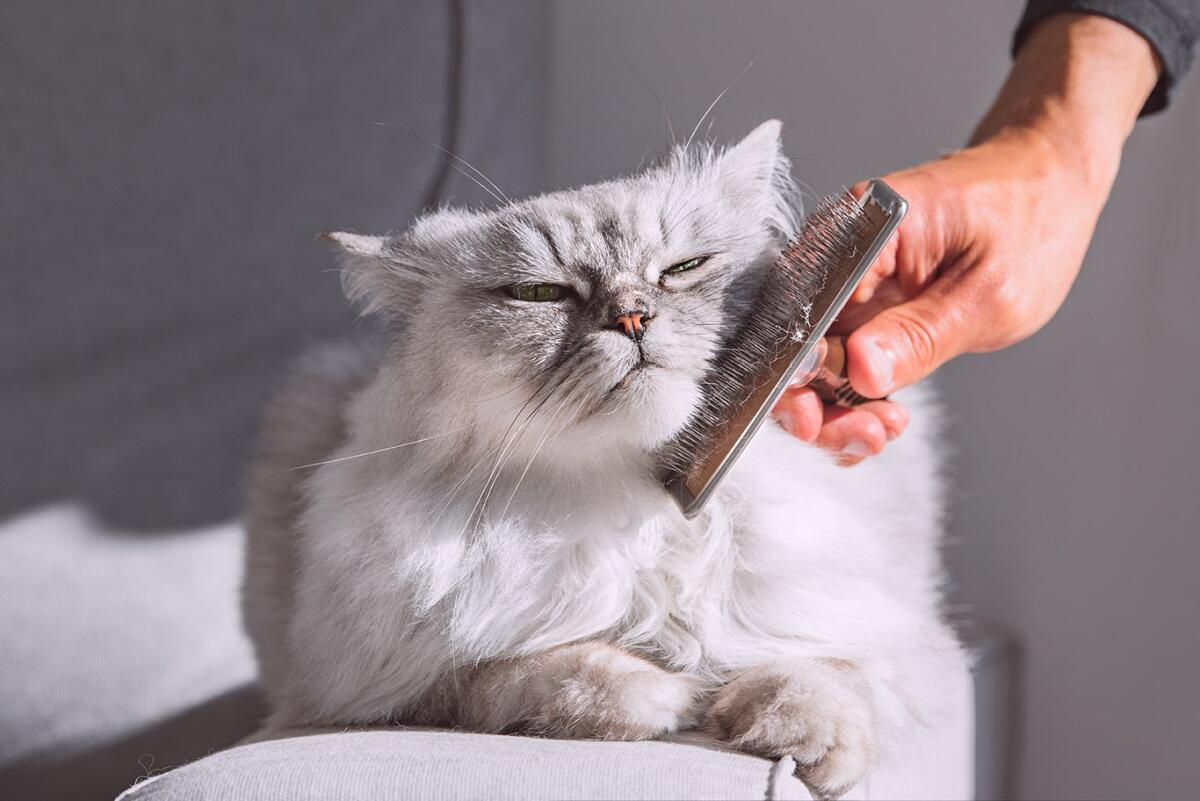
Brush your cat often to remove loose fur and dirt. Use a soft brush suited for your cat’s fur type. Short sessions work best to avoid stress. Let your cat sniff the brush first. Brush in the direction of hair growth. Watch your cat’s reaction and stop if they seem upset. Regular brushing reduces hairballs and matting.
Creating A Calm Environment
Choose a quiet, comfortable spot for grooming. Avoid loud noises or sudden movements. Speak softly and calmly to your cat. Use gentle strokes to relax them. Offer treats or praise to encourage good behavior. Patience is key; some cats need time to adjust. A calm setting makes grooming a positive experience.

Credit: www.latimes.com
Frequently Asked Questions
Why Do Cats Groom Themselves So Often?
Cats groom to clean their fur, remove dirt, and reduce odors. Grooming also helps regulate body temperature and stimulate blood flow. It’s a natural behavior for hygiene and comfort, promoting healthy skin and fur while reducing stress.
How Does Grooming Benefit A Cat’s Health?
Grooming removes loose fur and prevents matting. It helps control parasites like fleas and ticks. Regular grooming improves skin health by spreading natural oils. It also reduces shedding and keeps the cat feeling comfortable and clean.
Do Cats Groom For Social Reasons?
Yes, cats groom to bond with other cats and humans. Social grooming strengthens relationships and shows trust. It reduces tension and promotes group harmony. Grooming is a key part of feline communication and social interaction.
Can Grooming Indicate A Cat’s Emotional State?
Excessive grooming may signal stress or anxiety. Lack of grooming can indicate illness or depression. Normal grooming reflects a calm and healthy cat. Observing grooming habits helps identify emotional or health issues early.
Conclusion
Cats groom to stay clean and healthy. Grooming helps them remove dirt and loose fur. It also keeps their skin smooth and free of bugs. Cats feel calm and safe when they groom. This behavior shows they care for themselves.
Understanding why cats like grooming helps us care for them better. Watching a cat groom is watching comfort and care in action. Simple, natural, and important for every cat’s well-being.



Leave a Reply