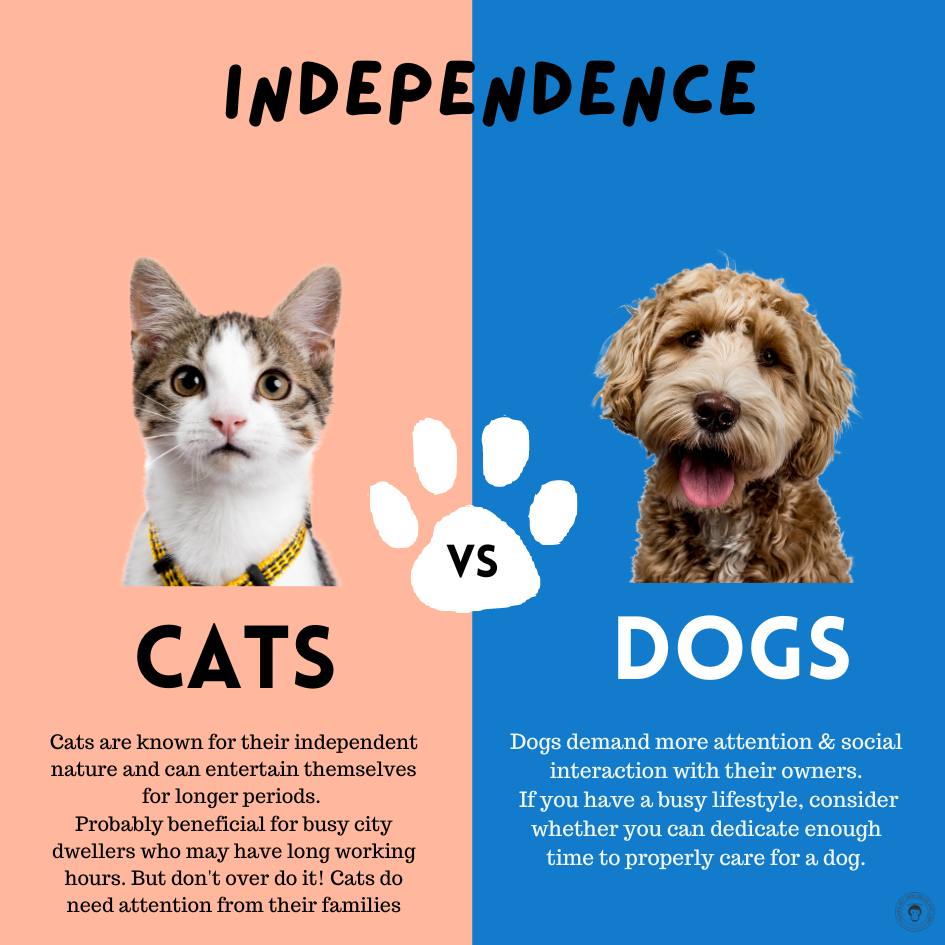
Have you ever wondered why your cat spends so much time licking its fur, while your dog seems perfectly happy without all that grooming? If you’ve noticed this curious difference, you’re not alone.
Understanding why cats groom themselves but dogs don’t can change the way you care for your furry friends. Keep reading to discover surprising reasons behind these habits—and how this knowledge can help you keep your pets healthier and happier.
Cat Grooming Basics
Cats are known for their clean and shiny coats. Grooming is a daily habit for them. It keeps their fur smooth and free from dirt. Grooming also helps cats feel calm and comfortable. Understanding the basics of cat grooming shows why cats clean themselves so well.
Self-cleaning Techniques
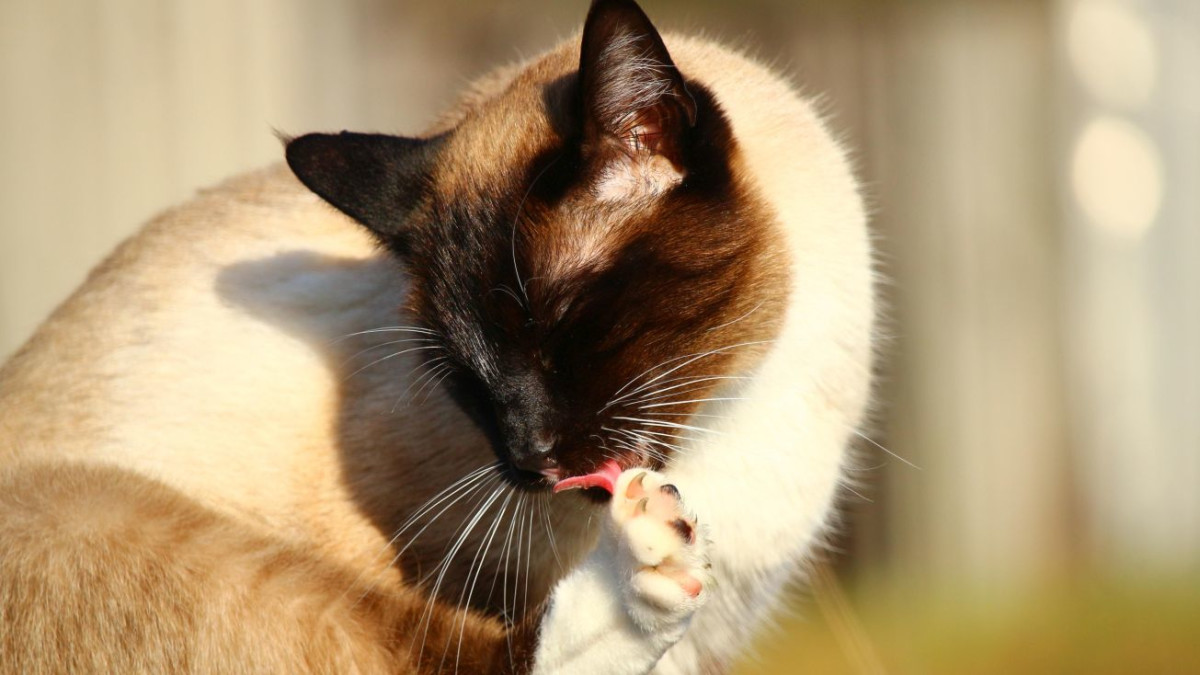
Cats use their paws and tongues to clean their bodies. They lick their fur to remove dust and loose hairs. Cats also use their paws to wash their face and head. This action spreads saliva, which cleans and cools their skin. Their grooming movements are gentle and precise.
Role Of The Tongue
A cat’s tongue has tiny, hook-like structures called papillae. These hooks help catch dirt and loose hair. The tongue also spreads natural oils over the fur. These oils keep the coat soft and shiny. The tongue works like a brush, cleaning deep into the fur.
Frequency And Duration
Cats groom themselves many times a day. Each grooming session can last from a few minutes to half an hour. This frequent care prevents mats and tangles in their fur. Regular grooming also helps cats check for injuries or pests on their skin.
Credit: www.miamiherald.com
Dog Grooming Habits
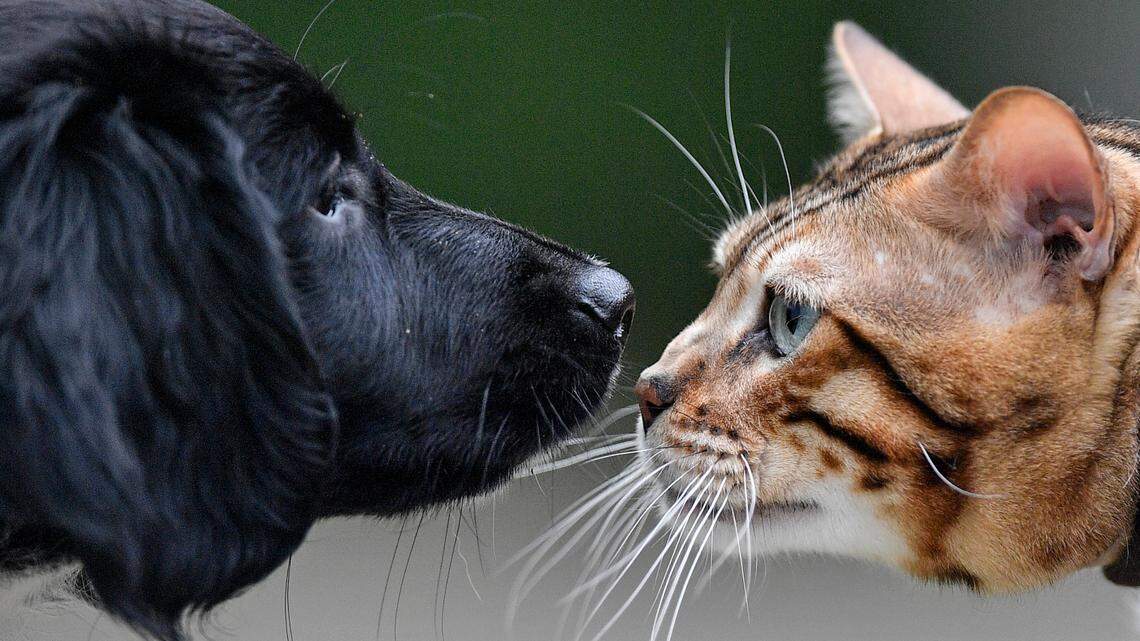
Dogs have different grooming habits compared to cats. Their grooming style is less frequent and less focused on self-cleaning. Dogs rely on other ways to keep clean and comfortable. Understanding these habits helps explain why dogs don’t groom like cats.
Licking Behavior
Dogs lick themselves for many reasons. They lick wounds to help heal and clean them. Licking also soothes their skin and reduces stress. Unlike cats, dogs rarely lick their entire body to clean fur.
Social Grooming
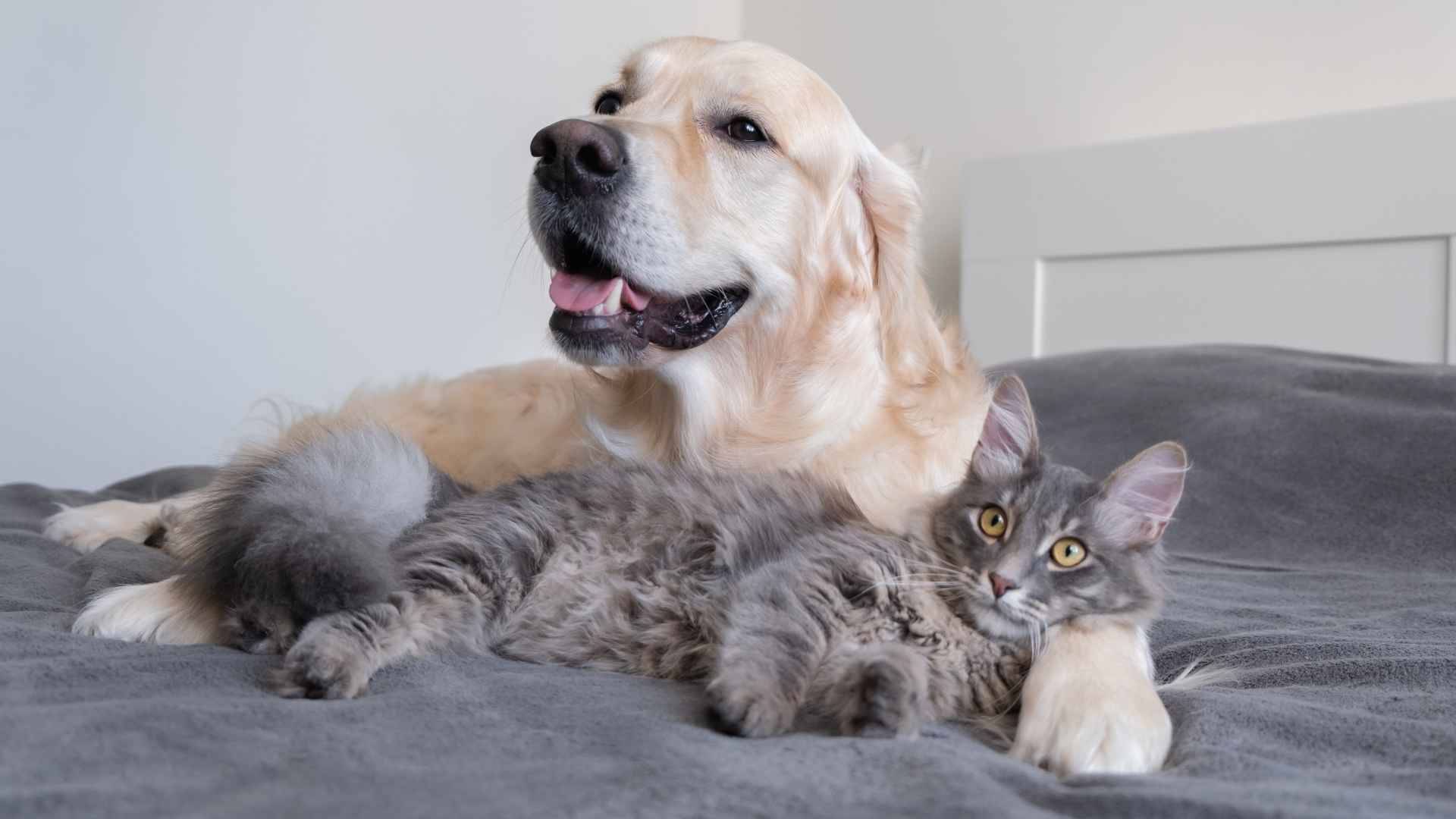
Dogs often groom each other through licking. This social grooming builds bonds and shows care. It strengthens pack relationships and reduces tension. Grooming in dogs is more about connection than cleanliness.
External Grooming Needs
Dogs depend on owners for grooming help. Regular baths, brushing, and nail trimming keep dogs healthy. Their fur type affects how often grooming is needed. Outdoor activities mean dirt and debris require cleaning.
Evolutionary Roots
Understanding why cats groom themselves but dogs do not requires looking back at their evolutionary roots. Grooming habits come from survival strategies passed down from wild ancestors. These behaviors shaped how cats and dogs care for their bodies today.
Wild Ancestors’ Grooming
Wild cats spent hours cleaning their fur. It helped remove dirt and parasites. Grooming kept their coats smooth and silent. This silence was crucial for hunting prey. Wild dogs had different habits. They relied more on group hunting and less on stealth. Their fur grooming was less frequent and less thorough.
Survival Advantages
Cats’ grooming helped them stay hidden from predators and prey. Clean fur also reduced the risk of infections. Grooming regulated body temperature and removed loose fur. For dogs, survival depended on pack behavior. They focused on social bonds and teamwork. Their rougher fur and less grooming fit their lifestyle.
Domestication Impact
Domestication changed many animal behaviors. Cats kept their grooming habits as they still needed to stay clean. Dogs relied more on humans for care. Humans bathed and groomed dogs, reducing their need to self-clean. Selective breeding also affected dogs’ coat types and grooming instincts. This shaped the differences we see today.
Biological Differences
Cats have rough tongues designed for cleaning their fur, helping them remove dirt and loose hair. Dogs lack this tongue texture and rely more on licking for taste and interaction than grooming. Their different grooming habits come from these biological traits.
Cats and dogs have distinct grooming habits. These differences stem from their biological makeup. Cats groom daily, while dogs do not. Understanding why requires exploring their unique biology. Let’s delve into these fascinating differences.Skin And Fur Structure
Cats have soft, dense fur. It helps them stay warm and protected. Their tongues have tiny barbs. These barbs help remove dirt and loose fur. Dogs have thicker skin and fur. Their fur is often coarse. It doesn’t require constant grooming. Their tongues lack barbs, so self-grooming is harder.Scent And Communication
Cats use grooming to spread their scent. It’s a form of communication. This helps them mark territory. Dogs rely more on scent glands. They communicate through body language and sounds. Grooming isn’t crucial for them. They use different methods to share scents.Grooming And Health
Cats groom for health reasons. It removes parasites and keeps their skin healthy. This habit also reduces stress. Dogs get baths from their owners. Their grooming routine is less intensive. They rely on humans for cleaning. This suits their biological needs.Behavioral Factors
Cats and dogs have different behaviors that explain their grooming habits. These differences come from how they interact with their world and others. Understanding these behaviors helps us see why cats groom themselves often, while dogs do not.
Territorial Marking
Cats use grooming to mark their territory. Their saliva leaves a unique scent on their fur. This scent tells other animals that the area belongs to them. Grooming also keeps their fur clean and healthy for better scent spreading.
Dogs mark territory differently. They use urine or scratching instead of grooming. This is why dogs focus less on cleaning themselves.
Stress And Comfort
Cats groom to reduce stress and feel calm. The action helps them relax and feel safe. Grooming releases chemicals that soothe the brain.
Dogs show comfort in other ways. They may chew toys, bark, or seek attention from people. Grooming is not a common way for dogs to cope with stress.
Social Dynamics
Cats are often solitary animals. Grooming themselves is part of their independent nature. They also groom other cats to build trust and social bonds.
Dogs are pack animals. They rely on group behaviors and direct interactions. Dogs groom less because they use other ways to show care and connection.
Grooming And Human Interaction
Grooming and human interaction shape how cats and dogs care for themselves. Cats clean their fur often without help. Dogs depend more on their owners for grooming. These differences affect daily pet care routines and bonding moments.
Owner’s Role In Dog Care
Dog owners must groom their pets regularly. Dogs do not lick their fur as cats do. Owners brush, bathe, and trim dogs to keep them clean. Grooming helps prevent matting and skin problems. It also strengthens the bond between owner and dog.
Cats’ Independence
Cats groom themselves naturally and frequently. Their tongues remove dirt and loose fur. This self-cleaning behavior keeps cats neat without human help. Cats prefer to handle grooming alone, showing their independent nature. They only seek help if they cannot reach certain spots.
Training And Grooming
Dogs often need training to accept grooming. Some dogs resist baths or brushing at first. Patience and positive reinforcement make grooming easier. Training helps dogs stay calm and cooperative. Cats usually do not require grooming training due to their natural habits.
Common Myths About Grooming
Many people have ideas about grooming that are not quite right. These myths affect how we see cats and dogs. Clearing up these myths helps us understand their habits better.
Cats Are Always Clean
Cats do groom a lot, but they are not always spotless. Dirt can stick to their fur. Sometimes, cats miss spots while cleaning. They lick to keep their fur smooth and remove loose hair. Grooming is also a way to cool down or feel calm.
Dogs Don’t Groom At All
Dogs do groom, but not like cats. They lick their fur and paws to clean. Dogs also use shaking and scratching to stay clean. They rely more on their owners for baths and brushing. Grooming is less about neatness and more about comfort.
Grooming Equals Happiness
Grooming does not always mean a pet is happy. Cats may groom more when stressed or sick. Dogs might lick themselves due to anxiety or allergies. Grooming can soothe or distract them. It is a sign of many feelings, not just joy.
Credit: worldanimalfoundation.org
Credit: pethelpful.com
Frequently Asked Questions
Why Do Cats Groom Themselves Frequently?
Cats groom to clean their fur, regulate body temperature, and reduce stress. Grooming also spreads natural oils, keeping their coat healthy and shiny. This behavior is instinctive and helps them stay comfortable and odor-free.
Why Don’t Dogs Groom Themselves Like Cats?
Dogs groom less because they rely more on external cleaning like baths. Their fur type and social behavior differ, so self-grooming is less necessary. Dogs also use licking more for bonding than for cleaning.
How Does Grooming Benefit Cats’ Health?
Grooming removes dirt, parasites, and loose fur from cats. It also stimulates circulation and helps prevent skin infections. This self-care habit keeps cats physically and mentally healthy.
Can Dogs Learn To Groom Themselves More Like Cats?
Dogs can lick and clean, but they won’t groom like cats. Their anatomy and instincts don’t support extensive self-grooming. Owners should provide regular baths and brushing for dog hygiene.
Conclusion
Cats groom themselves to stay clean and healthy every day. Dogs do not groom as often because they rely on different ways to stay clean. Each animal has unique habits that suit their needs and lifestyles. Understanding these differences helps pet owners care for their furry friends better.
Both cats and dogs need regular care, but their grooming habits show how they live and feel comfortable. Knowing why cats groom and dogs don’t makes us appreciate their special ways even more. Simple care goes a long way in keeping pets happy and healthy.



Leave a Reply